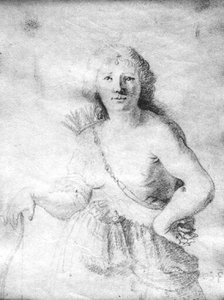
Resumen biográfico
- Lifespan: 63 years
- Died: 1667
- Top 3 works:
- Lovers
- Three Young White Men and a Black Woman
- Venus and Adonis
- Works on APS: 13
- Art period: Edad Moderna
- Color intensity: vívido
- Copyright status: Public domain
- Ver más…
- Born: 1604, Delft, Países Bajos
- Typical colors: cálidos
- Top-ranked work: Lovers
- Movements: baroque
- Nationality: Países Bajos
- Museums on APS:
- Museo de Dortrechter
- Museo de Dortrechter
- Museo de Dortrechter
- Galería de Arenberg
- Galería de Arenberg
Test de arte
Solo hay una respuesta correcta para cada pregunta.
Pregunta 1:
¿Dónde nació Christiaen van Couwenbergh?
Pregunta 2:
¿Qué gremio entró Christiaen van Couwenbergh en Delft?
Pregunta 3:
¿Quién influyó en el estilo artístico de Christiaen van Couwenbergh?
Pregunta 4:
¿Qué tipo de obras maestras especializaba Christiaen van Couwenbergh?
Pregunta 5:
¿Quién encargó a Christiaen van Couwenbergh decorar los salones opulentos del Palacio Real?
Artículos relacionados

Los 10 Maestros del Siglo de Oro Holandés: Arte, Historia y Decoración Exclusiva
Descubre los 10 imprescindibles del Siglo de Oro Holandés: Rembrandt, Vermeer y más. Explora la historia, técnica y belleza de estos lienzos clásicos. Encuentra reproducciones de arte exclusivas para decorar tu hogar en .

El Siglo XVII en el Arte: 10 Obras Maestras para Decorar con Historia y Elegancia
Descubre 10 obras maestras del siglo XVII: Rembrandt, Vermeer, Caravaggio y más. Explora la historia, el arte barroco y encuentra reproducciones de alta calidad para decorar tu hogar con elegancia en OriginalUniqueArt.com.

Reflejos de una Época Dorada: La Pintura Barroca Holandesa y la Innovación Cultural
Descubra la riqueza y el detalle de la pintura barroca holandesa del Siglo de Oro. Explore las obras maestras de Rembrandt, Vermeer y otros artistas clave. Análisis experto e historia cultural.