Retrato de Cornelis Vroom

Las 15 pinturas más famosas de Cornelis Vroom, cada una única en su clase

Actualizado noviembre 2026 · clasificado según nuestro índice de popularidad (búsquedas, visitas y pedidos de cada obra) · 15 obras de Cornelis Vroom en nuestro catálogo

En resumen

Árboles tras una valla de madera, c. 1638-1642 (1642) es la pintura de Cornelis Vroom que más llama la atención; la obra original pertenece al Albertina, Viena. Después, la mirada se dirige a Spanish Men-of-War Engaging Barbary Corsairs (1615) y Marine (1616). De las 15 obras de Cornelis Vroom en nuestro catálogo, estas 15 son las más famosas; cada una es un original único presentado con su año, su museo y la razón de su trascendencia.

1591 – 1661, Haarlem Más obras: Statens Museum for Kunst

Las 10 mejores pinturas de Cornelis Vroom, bajo la mirada de la galería

1
Árboles tras una valla de madera, c. 1638-1642 (1642) de Cornelis Vroom

Árboles tras una valla de madera, c. 1638-1642

1642 · Óleo sobre lienzo · Albertina, Viena

Contemplar Árboles tras una valla de madera, c. 1638-1642 es atravesar un velo de tiempo para adentrarse en un momento meticulosamente compuesto de profunda quietud. Esta pintura, que data de aproximadamente 1638 a 1642, captura el espíritu esencial del paisaje de la Edad de Oro holandesa: un lugar donde el drama silencioso de la naturaleza se despliega sobre el trasfondo de la demarcación humana. La escena está dominada por un…

Pinturas famosas de Cornelis Vroom, de la número 11 a la 15

Los museos que conservan los originales de Cornelis Vroom

Los 8 museos que albergan la mayoría de las pinturas de esta página.

Museos Ciudad Obras de Cornelis Vroom Pinturas de esta lista
Statens Museum for Kunst, CopenhagueStatens Museum for Kunst Copenhague 4 Landscape with Fauns and Nymphs, The Edge of the Wood, Forest Scenery
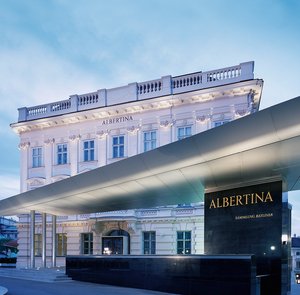
Albertina, VienaAlbertina Viena 2 Árboles tras una valla de madera, c. 1638-1642, Carretera boscosa con dos carros tirados por caballos
Museo Nacional Marítimo, LondresMuseo Nacional Marítimo Londres 1 Spanish Men-of-War Engaging Barbary Corsairs
National Museum of Art, Architecture and Design, OsloNational Museum of Art, Architecture and Design Oslo 1 A Forest Landscape
Staatliche Kunsthalle Karlsruhe, CarlsruheStaatliche Kunsthalle Karlsruhe Carlsruhe 1 Forest landscape with a river
Museo Frans Hals, HaarlemMuseo Frans Hals Haarlem 1 Idyllic landscape
Gemäldegalerie, BerlínGemäldegalerie Berlín 1 Waldlandschaft mit Gewässer
Museum Boijmans Van Beuningen, RotterdamMuseum Boijmans Van Beuningen Rotterdam 1 Forest view with cattle by a mud-flat

Cornelis Vroom a través de las décadas: una obra original única para cada una

Obras por década

Elige una década para ver la obra original que la define.

Pinturas de Cornelis Vroom: preguntas para la galería

¿Cuál es la obra más famosa de Cornelis Vroom?Descubre la respuesta

Árboles tras una valla de madera, c. 1638-1642 (1642), Albertina, Viena. A Spanish Men-of-War Engaging Barbary Corsairs (1615) y Marine (1616) le siguen.

¿A qué edad creó Cornelis Vroom Árboles tras una valla de madera, c. 1638-1642?Descubre la respuesta

51 años: Árboles tras una valla de madera, c. 1638-1642 data de 1642, y Cornelis Vroom nació en 1591.

¿Cuáles son las diez pinturas más famosas de Cornelis Vroom?Descubre la respuesta

Árboles tras una valla de madera, c. 1638-1642, Spanish Men-of-War Engaging Barbary Corsairs, Marine, A Forest Landscape, Landscape with Fauns and Nymphs, The Edge of the Wood, Forest Scenery, Forest landscape with a river, Idyllic landscape y Waldlandschaft mit Gewässer. La clasificación anterior indica el año y el museo de cada una.

¿Cuántas obras de Cornelis Vroom se conocen?Descubre la respuesta

Nuestro catálogo cuenta con 15 obras de Cornelis Vroom, datadas desde 1615 hasta 1651.

¿Dónde se pueden ver los originales más famosos de Cornelis Vroom?Descubre la respuesta

Principalmente en Statens Museum for Kunst (Copenhague), Albertina (Viena) y Museo Nacional Marítimo (Londres). La tabla de museos arriba los enumera todos.

¿En qué periodo creó Cornelis Vroom sus pinturas más conocidas?Descubre la respuesta

En 1630s: 5 de las 15 obras de esta página se realizaron entonces, Landscape with Fauns and Nymphs de ellas.

¿Cuál es la pintura más antigua de Cornelis Vroom y cuál es la más reciente?Descubre la respuesta

En esta página, la más antigua es Spanish Men-of-War Engaging Barbary Corsairs (1615) y la más reciente The Pool by the Hills (1651).

¿Qué obras originales de Cornelis Vroom puedo ver en el Statens Museum for Kunst?Descubre la respuesta

Landscape with Fauns and Nymphs, The Edge of the Wood y Forest Scenery: el Statens Museum for Kunst, Copenhague posee 4 de las obras de esta página.

Cornelis Vroom: un retrato del artista

Cornelis Hendriksz Vroom (1591 – 1661): Pioneer of Dutch Maritime Painting

Cornelis Hendriksz Vroom, a pivotal figure in the Dutch Golden Age, stands as one of the foremost landscape painters and engravers of his era. Born in Haarlem around 1591, he inherited artistic talent from his father, Hendrick Cornelisz Vroom, who himself was a respected artist. His formative years were spent under the tutelage of Hendrik Goltzius, a prominent sculptor and painter whose influence shaped Vroom’s early stylistic inclinations.

Early Life and Artistic Training

According to historical records maintained by the Netherlands Institute for Art History (RKD), Vroom's lineage traced back to a family deeply rooted in artistic tradition. His father, Hendrick Cornelisz Vroom, instilled in him a passion for visual arts from a young age, fostering his aptitude for observation and representation. This foundational training culminated in mentorship under Goltzius, whose sculptural prowess and innovative painting techniques provided invaluable guidance during Vroom’s formative years. Notably, Vroom's stepfather, a ceramic painter, encouraged him to pursue a similar artistic path—a testament to the familial dedication to craftsmanship and creative expression prevalent at the time.

Artistic Contributions: Landscapes and Seascapes

Vroom’s artistic legacy rests primarily on his breathtaking landscapes and seascapes – genres that epitomized the spirit of the Dutch Golden Age. He achieved renown for capturing the serene beauty of Dutch countryside, meticulously detailing flora and fauna with remarkable accuracy. However, Vroom truly distinguished himself as a pioneer in maritime painting, establishing him as one of the first artists to depict naval scenes realistically. His canvases vividly portray ships engaged in combat or navigating tranquil waters, infused with atmospheric perspective and masterful use of color—characteristics that profoundly impacted subsequent generations of painters. Furthermore, his engravings showcased exceptional technical skill, translating his artistic vision into durable prints that disseminated his style across Europe.

Notable Works

Among Vroom’s celebrated creations are:
  • Seascape with Ships: This monumental canvas exemplifies Vroom's mastery of maritime composition and atmospheric rendering. The scene depicts a fleet battling inclement weather, conveying both drama and grandeur through dynamic brushstrokes and luminous coloration.
  • Cityscape of Haarlem: Demonstrating meticulous attention to architectural detail and urban perspective, this cityscape captures the essence of Haarlem’s civic life during Vroom's time.
  • Engravings of Maritime Scenes: Vroom’s engravings stand as testaments to his exceptional printmaking abilities. These prints reproduce scenes from naval battles with remarkable precision, capturing movement and texture—a hallmark of Vroom’s artistic style.

Museum Collections Featuring Vroom's Art

Vroom’s artwork graces several prestigious museums across Europe:
  • The Museum Huis Ten Bosch (The Hague, Netherlands): Houses a substantial collection of Dutch art, including numerous landscapes and seascapes attributed to Vroom.
  • Stedelijk Museum Amsterdam (Amsterdam, Netherlands): Renowned for its modern and contemporary art holdings, Stedelijk Museum showcases Vroom’s influence on later artistic movements.

Legacy and Influence

Cornelis Hendriksz Vroom's enduring impact on Dutch art is undeniable. He bridged the gap between traditional landscape painting and emerging stylistic trends, securing his place as a cornerstone of the Golden Age canon. His meticulous observation of nature combined with innovative compositional techniques established him as a mentor to younger artists—most notably Jacob van Ruisdael—whose work continued Vroom’s artistic legacy for decades to come. Studying Vroom's oeuvre provides invaluable insight into the aesthetic sensibilities and artistic innovations that defined this transformative period in Dutch art history.