Menú
Asesoría de arte gratuita

Charles De La Fosse

1636 - 1716

Resumen biográfico

  • Copyright status: Public domain
  • Museums on APS:
    • Museo del Hermitage
    • Museo del Hermitage
    • Museo del Hermitage
    • Museo del Hermitage
    • Museo del Hermitage
  • Works on APS: 11
  • Born: 1636, París, Francia
  • Gift suitability: other-none
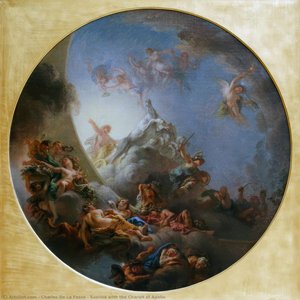
  • Top-ranked work: Sunrise with the Chariot of Apollo
  • Art period: Edad Moderna
  • Ver más…
  • Died: 1716
  • Nationality: Francia
  • Room fit: salón principal
  • Also known as: La Fosse
  • Top 3 works:
    • Sunrise with the Chariot of Apollo
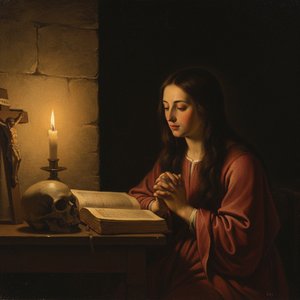
    • Christ Appearing to Mary Magdalene
    • The Finding of Moses
  • Lifespan: 80 years

Test de arte

Solo hay una respuesta correcta para cada pregunta.

Pregunta 1:
¿En qué ciudad nació Charles de La Fosse?
Pregunta 2:
¿A qué estilo artístico se asocia principalmente Charles de La Fosse?
Pregunta 3:
¿Qué característica destaca del trabajo de Charles de La Fosse?
Pregunta 4:
¿Cuál de las siguientes obras es una obra notable de Charles de La Fosse?
Pregunta 5:
¿Dónde se pueden encontrar reproducciones de las obras de Charles de La Fosse?

A Master of French Baroque: The Life and Art of Charles de La Fosse

Charles de La Fosse (1636–1716) stands as a monumental figure in the annals of French Baroque painting, arguably its apex alongside Charles Le Brun. While biographical details surrounding his formative years remain somewhat sparse—scholarly research continues to illuminate facets of his early life—it is universally acknowledged that he received foundational training within the atelier of Le Brun, cementing his allegiance to classical principles and honing his draughtsmanship skills. This unwavering dedication to academic rigor would permeate his artistic endeavors throughout his illustrious career.

From Classical Foundations to Baroque Grandeur

La Fosse’s artistic trajectory was irrevocably shaped by his protracted sojourn in Italy between 1658 and 1663. Immersed within the vibrant artistic milieu of Rome and Venice, he absorbed the dramatic fervor characteristic of Italian Baroque masters like Pietro da Cortona, simultaneously captivated by the luminous color palettes and atmospheric effects pioneered by Venetian luminaries such as Veronese and Correggio. This transformative exposure broadened his artistic horizons, infusing his canvases with newfound vibrancy and emotional depth—a hallmark that would define his distinctive style. Upon returning to France, La Fosse swiftly ascended to prominence as a sought-after decorator, contributing substantially to the opulent interiors of Versailles and numerous aristocratic residences. His diploma piece for the Académie des Beaux-Arts in 1673, *The Rape of Proserpine*, eloquently demonstrated his technical virtuosity and narrative prowess, solidifying his reputation amongst the artistic elite. The painting embodies La Fosse’s ability to synthesize classical mythology with Baroque dynamism—a masterful orchestration of dramatic lighting and expressive figures designed to elicit profound emotional responses from the viewer.

A Transatlantic Commission and Parisian Triumph

In 1689, La Fosse undertook a prestigious commission from the Duke of Montagu to embellish Montagu House in London—an undertaking that necessitated two extended expeditions across the Channel. This transatlantic venture showcased his international recognition and underscored his adaptability as an artist, evidenced by his successful engagement with diverse architectural contexts. The decoration of Montagu House, though tragically destroyed centuries later, stands as a testament to La Fosse’s artistic vision and collaborative spirit alongside fellow French luminaries like Rousseau and Monnoyer. Subsequently, he embarked upon what constitutes arguably his most enduring achievement: the monumental fresco adorning the dome and pendentives of Les Invalides between 1702 and 1704—a project that cemented his legacy as a master of illusionistic painting. This ambitious undertaking culminated in a breathtaking celestial panorama—a sublime embodiment of Baroque grandeur that continues to inspire awe and admiration. The stylistic innovations evident at Les Invalides foreshadowed the burgeoning Rococo aesthetic, marking a pivotal juncture in French artistic history.

Legacy and Influence

Charles de La Fosse breathed his last in Paris in 1716, bequeathing an indelible mark upon the trajectory of French painting—a testament to his unparalleled talent and enduring influence. His oeuvre transcended mere stylistic adherence; it represented a harmonious fusion of classical tradition and artistic experimentation—a pioneering spirit that paved the way for subsequent generations of artists. La Fosse’s masterful technique—characterized by meticulous detail and profound emotional resonance—combined with his astute understanding of visual storytelling ensured that his works would resonate across centuries. Today, La Fosse’s masterpieces reside in prestigious collections worldwide—primarily within the Louvre Museum—providing invaluable insight into the splendor of Louis XIV's reign and the enduring legacy of Baroque art. Examining his oeuvre unveils a profound appreciation for artistic innovation while honoring the foundational principles of classical aesthetics—a singular contribution to French cultural heritage.