El Legado Luminoso de Bonifazio Veronese
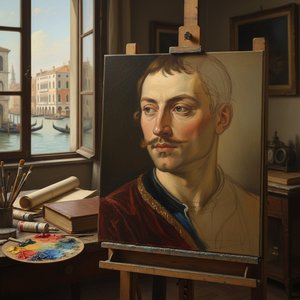
En la edad dorada del Renacimiento veneciano, pocos artistas capturaron el esplendor atmosférico y la profundidad narrativa de la época como Bonifazio Veronese, también conocido como Bonifazio de' Pitati. Nacido en Verona alrededor de 1487, Veronese emergió de un paisaje impregnado de tradición clásica para convertirse en una figura fundamental en la evolución de la pintura veneciana. Su viaje comenzó bajo la mirada atenta de Palma il Vecchio, una mentoría que le proporcionó una base sólida en el uso del color y la luz. Al trasladarse a la vibrante República de Venecia, Veronese no se limitó a observar a los maestros existentes; absorbió el alma misma de las corrientes artísticas de la ciudad, entrelazando los legados de Giorgione y Tiziano en un estilo que era únicamente suyo.
La esencia del arte de Veronese reside en su capacidad para equilibrar las cualidades suaves y emotivas de la escuela veneciana con una claridad estructurada, casi monumental. Sus primeras obras revelan una profunda reverencia por la perspectiva atmosférica iniciada por Giorgiente, donde las figuras parecen emerger naturalmente de un paisaje brumoso y onírico. Sin embargo, a medida que su carrera progresaba, comenzó a integrar las influencias humanistas más rigurosas que fluían desde el centro de Italia, particularmente las composiciones equilibradas de Rafael. Esta síntesis le permitió ir más allá de la mera imitación, creando obras que poseían tanto una intimidad psicológica como una presencia grandiosa y teatral.
Un Maestro de la Narrativa y la Escala
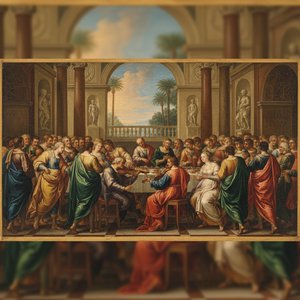
La reputación de Veronese se consolidó verdaderamente a través de su compromiso monumental con la narración a gran escala. Su triunfo profesional más significativo fue la empresa de décadas para el Palazzo dei Camerlenghi. Este ciclo masivo de pinturas requirió no solo una inmensa habilidad técnica, sino también una capacidad extraordinaria para la orquestación narrativa. Dentro de estas obras, se puede presenciar su maestría del color como herramienta dramática, utilizando pigmentos ricos para guiar la mirada del espectador a través de complejas escenas históricas y alegóricas. Este proyecto sirvió como testimonio de su resistencia y de su capacidad para dominar los vastos espacios arquitectónicos de Venecia.
Más allá de sus grandes encargos, Veronese destacó en la creación de composiciones íntimas y de resonancia espiritual que continúan cautivando a los coleccionistas hoy en día. Sus obras religiosas a menudo presentan una humanidad serena, casi tierna:
- Madonna de los Sastres: Una obra maestra de calidez familiar, donde lo divino se encuentra con lo cotidiano a través de una delicada disposición de figuras y una luz suave y luminosa.
- El Matrimonio Místico de Santa Catalina: Una exploración de la devoción sagrada, que muestra su habilidad para representar la textura y la gracia dentro de un contexto santo.
- San Jerónimo en el Desierto: Una desviación impactante hacia lo rudo y lo visceral, donde la fuerza fibrosa del santo se sitúa frente a un paisaje evocador e indómito.
Significancia Histórica e Influencia Duradera
La importancia histórica de Bonifazio Veronese se extiende mucho más allá de su propio lienzo. Actuó como un puente vital entre los días tempranos y experimentales del Renacimiento veneciano y el periodo posterior de estilo más dramático y elevado. Su enfoque sofisticado de la luz y su capacidad para infundir peso emocional a las escenas narrativas sentaron las bases para la siguiente generación de maestros. El ADN estilístico de Veronese puede rastrearse a través de las obras de Tintoretto y Schiavone, quienes heredaron su predilección por la composición dramática y la profundidad atmosférica.
Al contemplar su vida, que concluyó en 1553, vemos a un artista que fue, fundamentalmente, un narrador del espíritu veneciano. A través de su fusión de tradición local e innovación externa, Veronese ayudó a definir el lenguaje visual de una era. Sus pinturas permanecen como ventanas perdurables al siglo XVI, ofreciendo un vistazo a un mundo donde el color, la luz y la emoción humana se tejían en un único y asombroso tapiz de arte.
Preguntas y respuestas
¿Cuántas obras de Bonifazio Veronese hay disponibles para explorar?
Puede explorar 53 obras de arte obras de Bonifazio Veronese en la página Todas las obras.
¿Puedo explorar las obras de Bonifazio Veronese por palabra clave?
La página Por palabras clave de Bonifazio Veronese agrupa las obras del artista por sus palabras clave.
¿En qué ciudad y país nació Bonifazio Veronese?
Bonifazio Veronese nació en Verona, en Italia.