Agostino di Duccio: Un Pionero de la Escultura Lineal
Agostino di Duccio (1418-1481) se erige como una figura fundamental en la floreciente escena artística del Renacimiento, reconocido particularmente por sus magistrales contribuciones a la decoración escultórica y su profunda influencia en las generaciones posteriores de artistas. Nacido en Florencia durante un periodo de significativa innovación artística —marcado por el redescubrimiento de los ideales clásicos y el surgimiento del pensamiento humanista—, la carrera de Di Duccio se desarrolló bajo un trasfondo de agitación política y fermento intelectual. Sus años formativos transcurrieron perfeccionando su oficio junto a luminarias como Donatello y Michelozzo, absorbiendo sus sensibilidades estilísticas y estableciendo una base de pericia técnica que definiría su trayectoria artística.- Primeras Influencias y Formación Florentina: La formación inicial de Di Duccio bajo la tutela de Donatello y Michelozzo le inculcó un compromiso inquebrantable con la precisión lineal y la elegancia decorativa, características que permearían toda su obra. Estos maestros defendieron un estilo arraigado en la observación y la exactitud anatómica, priorizando la claridad de la forma sobre la ornamentación opulenta, principios que moldearon profundamente la visión artística de Di Duccio.
- El Escultor Desterrado: Un giro dramático ocurrió en la vida de Di Duccio cuando fue acusado de robo —específicamente del hurto de materiales preciosos de un monasterio florentino—, lo que resultó en su exilio de la ciudad. Esta expulsión le obligó a trasladarse a Prato, donde continuó sus aspiraciones artísticas y refinó aún más su técnica bajo la guía de Michelozzo.
El Altar de Módena y el Encuentro Veneciano
La reputación de Di Duccio se consolidó en 1441 con el inicio de una empresa monumental: la decoración escultórica del altar de la Catedral de San Geminiano en Módena. Colaborando estrechamente con Michelozzo, Di Duccio concibió y ejecutó una compleja composición que incorporaba intrincados relieves con narrativas bíblicas, un testimonio de su capacidad para sintetizar los ideales clásicos con las tradiciones medievales. Este proyecto puso de manifiesto el dominio de Di Duccio sobre las técnicas de talla y cimentó su posición como uno de los escultores más destacados de su época. Una experiencia transformadora le siguió en 1446, cuando Di Duccio viajó a Venecia, sumergiéndose en el vibrante entorno artístico fomentado por Mateo de' Pasti. El encuentro veneciano lo expuso a las innovaciones estilísticas de la escultura gótica tardía, ampliando sus horizontes artísticos y enriqueciendo su comprensión de la expresión escultórica.El Tempio Malatestiano y el Triunfo Decorativo de Rímini
El proyecto más ambicioso de Di Duccio llegó en 1446 con el encargo de decorar el Tempio Malatestiano en Rímini, una catedral concebida como símbolo de orgullo cívico y grandeza artística. Di Duccio, junto a Pasti, se embarcó en una labor extraordinaria para crear una enciclopedia escultórica, incorporando relieves que representaban símbolos zodiacales, figuras mitológicas y escenas bíblicas; una empresa audaz que reflejaba el espíritu humanista de la era.El Regreso a Florencia y su Legado Artístico
Entre 1457 y 1462, Di Duccio regresó a Florencia, donde emprendió la creación de la fachada de la Iglesia de San Bernardino y produjo numerosas esculturas encargadas por Piero di Cosmo de' Medici, un proyecto que ejemplifica su destreza estilística y subraya su conexión perdurable con la tradición artística florentina.Obras Notables y Reconocimiento
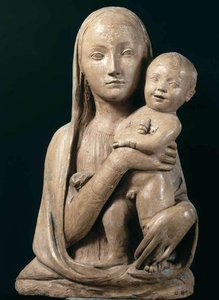
Entre los logros más celebrados de Di Duccio destacan: la ‘Madonna d’Auvillers’, que hoy se encuentra en el Louvre, demostrando su capacidad para capturar la emoción y la gracia; la fachada exterior de Porta San Pietro en Perugia, una mezcla magistral de los principios arquitectónicos de Alberti y el embellecimiento escultórico; y numerosas esculturas que residen en Amelia y en la Galería Nacional de Umbría. La influencia de Di Duccio se extendió mucho más allá de su propia vida. Su meticulosa atención al detalle, combinada con su compromiso inquebrantable con los ideales clásicos, lo establecieron como una piedra angular de la escultura renacentista, inspirando a artistas durante los siglos venideros y asegurando su lugar entre los escultores más influyentes del siglo XV. Murió en Perugia alrededor de 1481, dejando una huella indeleble en el paisaje artístico de Italia.Preguntas y respuestas
¿En qué ciudad y país nació Agostino Di Duccio?
Agostino Di Duccio nació en Florencia, en Italia.
¿Cuántas obras de Agostino Di Duccio hay disponibles para explorar?
Puede explorar 18 obras de arte obras de Agostino Di Duccio en la página Todas las obras.
¿De dónde es Agostino Di Duccio?
Agostino Di Duccio nació en Italia.