The Genesis of a Vision: Henry Wolf’s Early Life & Influences
 Wikipedia: Henry Wolf
Henry Wolf (May 23, 1925 – February 14, 2005) was an Austrian-born, American graphic designer, photographer and art director. He influenced and energized magazine design during the 1950s and 1960s with his bold layouts, elegant typography, and whimsi...
Henry Wolf, born in Vienna in 1925, wasn't merely an art director or graphic designer; he was a cultural architect who reshaped the visual landscape of post-war America. His journey began amidst the burgeoning artistic currents of Europe, though his most significant impact unfolded across the Atlantic. Fleeing Austria with his family as the shadow of Nazism lengthened, Wolf arrived in New York City, a young émigré carrying within him not just personal displacement but also a sophisticated understanding of European modernism. This early exposure to Bauhaus principles and the avant-garde movements—a world steeped in experimentation and a rejection of traditional forms—would become foundational to his later work. While many artists of his generation were directly responding to the trauma of war through overtly expressive means, Wolf’s initial path lay in channeling that same energy into a new kind of visual communication: one that was bold, elegant, and profoundly attuned to the shifting sensibilities of a nation on the rise.
Energizing Magazine Design: Wolf's Impact on Post-War Visual Culture
A post-war or postwar period is the interval immediately following the end of a war. The term usually refers to a varying period of time after World War II, which ended in 1945. A post-war period can become an interwar period or interbellum, when a w...
The 1950s and 60s witnessed an explosion in American consumer culture, and at its epicenter stood Henry Wolf. As art director for Esquire, Bazaar, and Show magazines, he didn’t simply design pages; he orchestrated experiences. He understood that the magazine wasn't just a vessel for content but a dynamic space where typography, photography, and layout converged to create an emotional impact. Wolf rejected the staid conventions of pre-war publishing, embracing instead a playful asymmetry, striking color palettes, and a willingness to experiment with scale and negative space. His covers weren’t merely illustrative; they were statements—often whimsical, sometimes provocative, always memorable. He elevated photography from a supporting role to a central element, collaborating with leading photographers of the era and fostering a new appreciation for its artistic potential. This wasn't just about aesthetics; it was about reflecting a changing society – one that was becoming more affluent, more self-aware, and increasingly captivated by visual imagery.
Abstract Expressionism’s Core Tenets and Wolf’s Aesthetic Alignment
Abstract expressionism in the United States emerged as a distinct art movement in the aftermath of World War II and gained mainstream acceptance in the 1950s, a shift from the American social realism of the 1930s influenced by the Great Depression an...
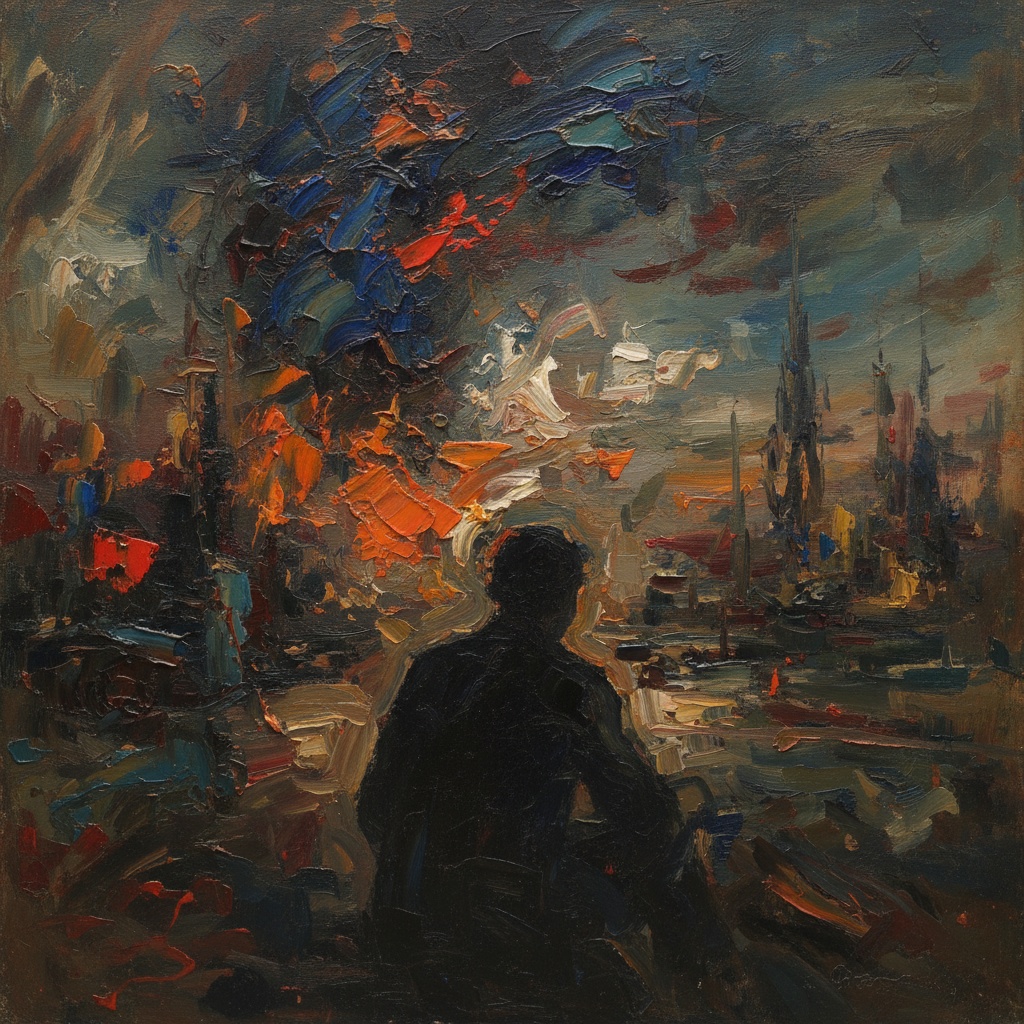
Though not a painter himself, Henry Wolf operated within the orbit of Abstract Expressionism. The movement, born from the anxieties and traumas of World War II, sought to express profound emotions through non-representational forms. Artists like Jackson Pollock, Mark Rothko, and Willem de Kooning prioritized subjective experience over objective reality, embracing spontaneity and gestural abstraction. Wolf’s work resonated with these core tenets in subtle but significant ways. His layouts often mirrored the energy and dynamism of Abstract Expressionist canvases—a sense of controlled chaos, a layering of elements, and an emphasis on visual impact over literal representation. He wasn't replicating the style directly, but he was embodying its spirit: a commitment to emotional honesty, a rejection of conventional norms, and a belief in the power of art to transcend language. The influence of Surrealism, deeply embedded within Abstract Expressionism’s DNA, also found expression in Wolf’s playful juxtapositions and unexpected imagery.
Beyond the Layout: Photography as Emotional Exploration in Wolf’s Work
In 1971, Wolf established Henry Wolf Productions, a photography studio that allowed him to further explore his artistic vision. This marked a shift from curating the work of others to creating it himself. His photographs weren't simply about capturing images; they were about evoking moods and telling stories. He possessed an uncanny ability to distill complex emotions into single frames—a sense of longing, isolation, or quiet contemplation. Wolf’s studio became renowned for its sophisticated portraiture and advertising campaigns, but his personal work often delved deeper, exploring themes of identity, memory, and the human condition. His approach was characterized by a meticulous attention to detail, a masterful use of light and shadow, and a willingness to experiment with unconventional techniques. He understood that photography, like painting, could be a powerful medium for expressing the intangible—the subtle nuances of emotion that lie beneath the surface.
A Lasting Influence: Wolf’s Legacy & Recognition within Art History
Henry Wolf's contributions extended beyond his commercial work. He was a dedicated educator, sharing his knowledge and passion with students at various institutions. In 1976, he received the American Institute of Graphic Arts Medal for Lifetime Achievement, a testament to his profound impact on the field. His induction into the New York Art Directors Club Hall of Fame in 1980 further solidified his place as a visionary leader. However, perhaps Wolf’s most enduring legacy lies in the countless designers and photographers he inspired—those who continue to push boundaries and challenge conventions. He demonstrated that graphic design wasn't merely a technical skill but an art form capable of expressing profound emotions and shaping cultural perceptions. His work continues to be studied and admired for its elegance, innovation, and unwavering commitment to aesthetic excellence.
Collecting Wolf's Vision: Identifying Key Works & Market Considerations
While original magazine layouts from Wolf’s tenure at Esquire, Bazaar, and Show are increasingly sought after by collectors, his photographs represent a more accessible entry point into his oeuvre. Early advertising campaigns, particularly those showcasing his signature use of color and composition, are highly prized. Limited-edition prints from his personal projects—often exploring themes of portraiture or abstract forms—command significant attention. When considering acquiring Wolf’s work, provenance is key; establishing the authenticity and history of a piece adds to its value. Furthermore, understanding the context in which the work was created—the specific magazine it appeared in, the client for whom it was commissioned—enhances appreciation and investment potential. OriginalUniqueArt offers a curated selection of high-quality reproductions of Wolf’s iconic photographs, allowing collectors to experience his vision firsthand and appreciate the enduring power of his artistic legacy.