

The Emergence of Depth: Defining the Art of Relief Sculpture
To contemplate relief sculpture is to engage in a profound dialogue between the two-dimensional plane and the three-dimensional world. Unlike the free-standing statue, which commands space from every conceivable angle, relief art exists in a liminal state, emerging from a background to meet the viewer halfway. It is an art form defined by its relationship with the substrate, where the artist does not merely depict form but physically carves it out of existence. This subtle tension between the flat surface and the protruding figure creates a unique psychological intimacy, inviting the observer to trace the contours of the work as if reading a tactile language of shadows and light.
< p>At its core, relief is an exploration of presence. It demands that we acknowledge the physical reality of the medium, whether it be bronze, stone, or plaster. This emergence from the surface creates a sense of narrative continuity, where the background is not merely a void but a foundational element that supports and gives meaning to the subject. In this delicate balance, the artist masters the art of suggestion, using varying degrees of protrusion to guide the eye through a complex landscape of form and depth.From Bas-Relief to High Relief: A Journey Through Classical Proportions
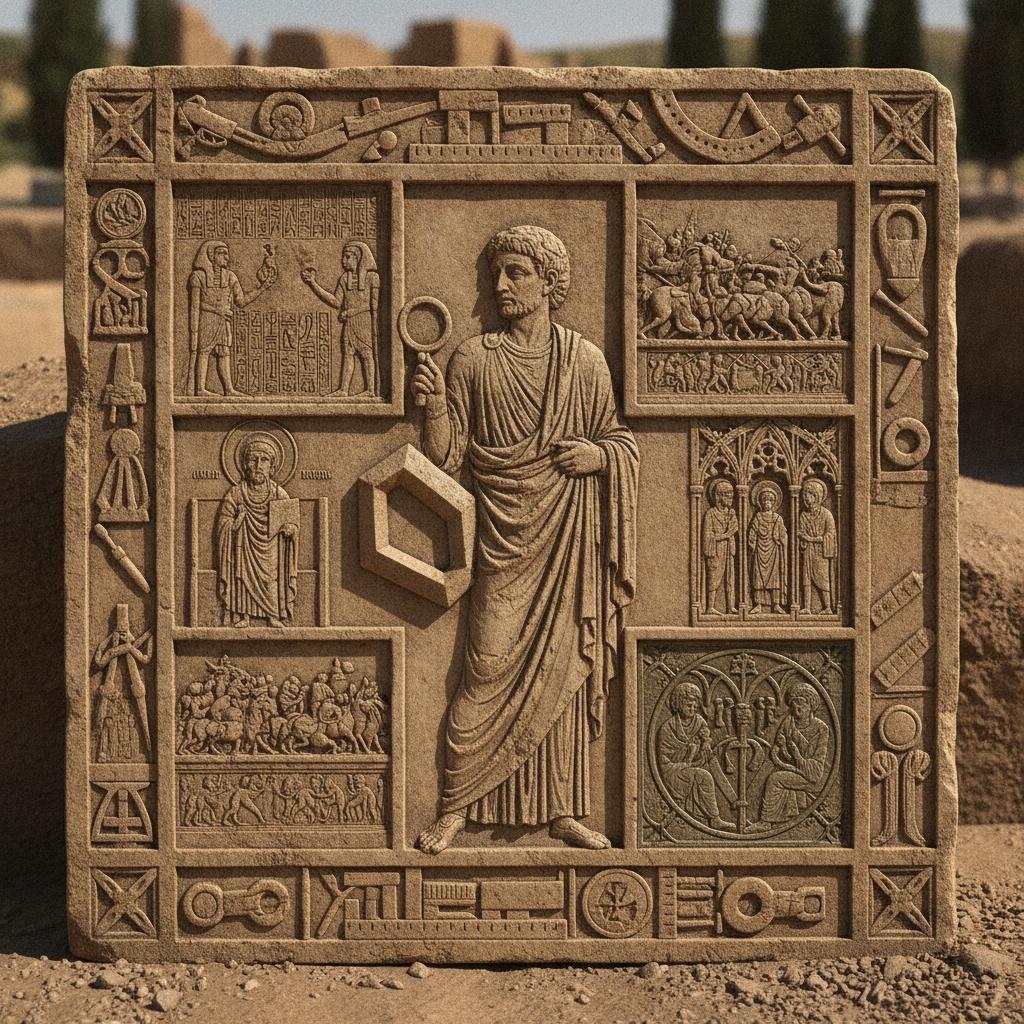
The history of sculpture is often told through the evolution of its proportions, particularly in the nuanced transition from bas-relief to high relief. In the delicate realm of bas-relief, or low relief, the figures appear as if they are mere whispers upon the surface, their features softly etched with a grace that recalls the elegance of ancient Egyptian friez quite or the subtle textures found in Gaston Lachaise’s evocative works. Here, the depth is minimal, yet the impact is monumental; the artist relies on minute variations in height to suggest volume and movement, creating a poetic, almost ethereal atmosphere.
As we move toward alto-relievo, or high relief, the drama intensifies significantly. In this mode, the sculptural elements project boldly from the background, often appearing nearly detached from their supporting plane. This technique allows for a more muscular and assertive expression of form, as seen in the historic bronze works of Paul Manship, where leadership and movement are captured with palpable strength. The transition from low to high relief represents a shift from the lyrical to the heroic, allowing the sculptor to manipulate the viewer's perception of weight, gravity, and physical presence within a confined architectural space.
The Interplay of Light and Shadow: The Sculptural Soul of Texture
If form provides the body of a relief sculpture, then light and shadow provide its soul. A master sculptor understands that they are not merely shaping material, but sculpting the way light interacts with it. Every ridge, every indentation, and every textured surface serves as a vessel for shadow. In a well-executed relief, the shadows are not mere absences of light; they are intentional compositional elements that define the edges of a limb, the fold of a garment, or the intensity of an expression.
This interplay creates a dynamic experience that changes with the position of the sun or the angle of gallery lighting. A textured surface, much like the impasto brushstrokes in a Van Gogh masterpiece, catches the light unevenly, creating a shimmering, living quality. This rhythmic alternation between brilliance and obscurity lends the work a sense of breath and vitality. To observe relief art is to witness a silent performance of luminosity, where the artist’s mastery over texture dictates the emotional temperature of the piece, ranging from the soft, diffused glow of marble to the dramatic, high-contrast shadows of dark bronze.
Modern Interpretations: Geometric Minimalism and Contemporary Abstraction
As the twentieth century unfolded, the language of relief underwent a radical transformation, shedding much of its classical narrative in favor of pure abstraction. The modern era introduced a fascination with the geometric and the mathematical, where the focus shifted from representing the human figure to exploring the intrinsic properties of space and form. Artists like Sergio Camargo Peperanda revolutionized the medium by utilizing minimalist, textured reliefs that emphasize geometric precision and a palpable sense of three-dimensionality through repetition and rhythm.
In these contemporary iterations, the relief becomes an architectural element in its own right. The use of white, monochromatic surfaces allows the viewer to focus entirely on the interplay of shadow and structural form, stripped of the distractions of color or representational subject matter. This movement toward abstraction has expanded the boundaries of what relief can achieve, proving that even without a recognizable face or figure, the physical protrusion of form can evoke deep emotional responses and a sense of profound, meditative stillness.
Curating Dimension: Integrating Relief Art into Sophisticated Interiors
For the discerning collector, integrating relief art into a curated space requires an understanding of both scale and architectural harmony. Because relief sculpture possesses an inherent physical presence, it acts as a powerful focal point that can anchor a room. When placed within a modern interior, a high-relief bronze piece can provide a sense of historical weight and gravitas, while a minimalist white relief can enhance the clean lines of contemporary design. The key to successful curation lies in respecting the relationship between the artwork's depth and the wall it inhabits.
Consider the use of multi-panel or group set arrangements to cover expansive surfaces, such as staircases or wide halls, creating a cohesive narrative that flows with the architecture of the home. Much like the way one might choose a large-format mural or a grand fresco to transform a ceiling, selecting relief art allows for a layering of textures that adds complexity to a room's aesthetic. By treating the wall not as a flat boundary but as a canvas for dimension, the collector can create an environment that is not merely seen, but felt—a sanctuary of depth, history, and enduring beauty.
At OriginalUniqueArt.com, we celebrate the profound legacy of human creativity by making the world's most significant artistic movements accessible to all. From the meticulous hand-painted oil reproductions of the Old Masters to the exploration of modern textures, our mission is to bring museum-quality excellence into your private collection. Whether you seek a custom commission that reimagines history or an expert consultation to perfect your interior, OriginalUniqueArt stands as a global leader in the preservation and celebration of fine art.