

 Vista previa
 Compartir
 Compartir
 Ver detalles
 Guía
Guía

 Descargar
 Ver artículos similares
 Radiografía
 Presentación de diapositivas
 Estadísticas
The Abandoned Doll


 Leer más
Reproducción al óleo hecha a mano
Óleo sobre lienzo pintado a mano en el tamaño y marco de su elección, realizado por encargo por nuestros artistas. ( Cambiar a formato impreso Ver versión en imagen digital)




P118B €10

P118H €10

P118W €10

P438Z €10

P508JH €12

P508YH €12

P805H €10

P805Z €10

P919BZ €10

P919G €10

P919XJ €10

P959ZH €10

P968JZ €12

W106C €8

W218G €10

W218JH €8

W218Y €10

W307PJ €10

W316G €10

W316PJ €8

W316Y €10

W398PJ €8

W4111J €10

W500HY €15

W500JH €15

W692G €12

W849H €8

W940BG €15

W953PJ €8




Elija entre nuestros tamaños predefinidos que respetan las proporciones originales de la obra.

Escriba el ancho y el alto que necesite para adaptarse a su marco o a su pared. Al ser una obra pintada a mano, para un tamaño con una forma distinta, el artista puede pintar un poco más alrededor de la imagen o recortar un poco; usted elige. Le enviaremos una maqueta digital para su aprobación antes de comenzar la pintura. La imagen que se muestra en esta página no refleja el resultado real; solo la maqueta lo hace.
Tras realizar el pedido, el equipo de OriginalUniqueArt.com enviará un correo electrónico al cliente para solicitar instrucciones y proporcionarle una vista previa del boceto.
Envío a todo el mundo () en 3-4 semanas en lugar de las 5 semanas estándar. (23 octubre). Sin comprometer la calidad.

Envío exprés gratuito a todo el mundo

Lienzo de lino de alta calidad

Seguro de envío completo

Garantía de reembolso de impuestos aduaneros

Garantía de fidelidad cromática exacta

Política de devolución de 100 días (solo por defectos)

Garantía de devolución del 100% del dinero

Oferta por volumen
 La opción de vidrio solo está disponible en tamaños inferiores a 110 cm.

The Abandoned Doll
Técnica de reproducción
Tamaño de la reproducción
-


Precio total
€ 285
A Poignant Encounter with Transition
In the quiet, sun-drenched intimacy of Suzanne Valadon’s 1921 masterpiece, The Abandoned Doll, we are invited into a private world that transcends mere domesticity. This oil on canvas is far more than a simple depiction of caregiving; it is a profound psychological study of change and the bittersweet passage of time. The scene captures Marie Cola, Valadon's niece, alongside her young daughter Gilberte, in a moment that feels suspended between the innocence of childhood and the complexities of adulthood. As the eye wanders through the sparsely furnished room, one is struck by the palpable sense of transition—a theme that resonates deeply with anyone who has ever felt the weight of growing up or the melancholy of leaving the past behind.
The composition is masterfully executed, utilizing a style that sits at the vibrant intersection of Post-Impressionism and the early, expressive energy of Fauvism. Valadon rejects the soft, hazy edges of her predecessors in favor of bold, saturated colors and striking dark outlines that lend each figure a sculptural presence. The palette is rich with reds, yellows, and deep blues, creating a dramatic contrast that heightens the emotional temperature of the room. Through the skillful application of impasto, particularly visible in the textured patterns of the rug and the heavy folds of the couch, Valadon provides a tactile dimension to the work. This physical richness makes the painting feel alive, as if the very air within the room possesses a weight and warmth that can be felt by the viewer.
Symbolism and the Weight of Memory
Every element within this frame serves a deeper narrative purpose, weaving a complex web of symbolism that rewards close contemplation. The most striking emblem is, of course, the doll lying discarded on the floor near the bed. It stands as a potent metaphor for abandoned childhood innocence, a silent witness to the inevitable march toward maturity. This sense of loss is mirrored in the visual connection between the pink bow in Gilberte’s hair and the matching bow on the doll, a subtle artistic thread that binds the child to her former self even as she moves away from it. The presence of the nude reclining figure introduces an element of vulnerability and raw beauty, reflecting the artist's interest in portraying the female form with an honesty that was radical for its time.
For the discerning collector or interior designer, The Abandoned Doll offers much more than aesthetic beauty; it provides a focal point of intellectual and emotional depth. The painting’s ability to command attention through its heavy contours and luminous light makes it an extraordinary piece for any curated space. Whether placed in a contemporary setting to provide a soulful contrast or within a classical gallery arrangement, the work acts as a conversation starter. It invites viewers to reflect on their own journeys of transformation, making it not just a decorative object, but a profound piece of storytelling that brings a sense of history, resilience, and human truth into the home.
Preguntas y respuestas
¿Cómo se puede utilizar "The Abandoned Doll" de Suzanne Valadon en la decoración del hogar?
El uso de (Accent) y el espacio (Living Room) son las dos recomendaciones registradas para "The Abandoned Doll" de Suzanne Valadon.
¿De qué manera "The Abandoned Doll" de Suzanne Valadon vincula el Post-Impressionism con el país de origen del artista?
"The Abandoned Doll" fue creada por Suzanne Valadon, nacido en Francia, dentro del movimiento Post-Impressionism. El origen del artista vincula la obra al Post-Impressionism tal como lo practicaban los artistas de Francia.
¿Qué paleta y qué sentimiento combinan "The Abandoned Doll"?
"The Abandoned Doll" de Suzanne Valadon combina una paleta de Earthy con un tono Melancholic.
Biografía del artista
Primeros Años y Carrera
- Nacida: Bénesse-sur-Gartempe, Francia (1865)
- Fallecida: 1938
- Marie-Clémentine Valadon, más tarde conocida como Suzanne Valadon, creció en la pobreza con su madre. No conocía a su padre.
- A los 18 años, dio a luz a Maurice Utrillo, cuya paternidad es incierta. Miguel Utrillo firmaría posteriormente papeles reconociéndolo como su hijo.
- Valadon se educó observando a artistas y leyendo los libros de Toulouse-Lautrec.
- Trabajó como modelo para varios artistas, ganando exposición al mundo del arte.
Estilo Artístico y Obras Notables
- El estilo de Valadon se caracteriza por dibujos de líneas audaces y pinturas finas.
- Era conocida por sus desnudos femeninos francos que representaban a las mujeres desde la perspectiva de una mujer.
- Obras notables incluyen: Le Canard, Nu à la draperie blanche, Nu debout y Bouquet de fleurs dans un vase empire.
- Sus pinturas muestran su estilo único y su técnica magistral.
Influencias y Desarrollo
- Primeras Influencias: Los escritos de Toulouse-Lautrec y las observaciones de artistas en el trabajo.
- Relación con Erik Satie: Un romance efímero que llevó a un espacio vital compartido e influyó probablemente en su desarrollo artístico.
- Desarrollo: Valadon pasó de ser modelo de artista a convertirse en pintora reconocida, desafiando las convenciones del mundo del arte. Su trabajo evolucionó desde dibujos observacionales hasta pinturas más expresivas que exploraban temas de feminidad, envejecimiento y sexualidad.
Logros Mayores y Significado Histórico
- En 1894, Valadon se convirtió en la primera pintora admitida en la Société Nationale des Beaux-Arts.
- Desafió las representaciones tradicionales de las mujeres en el arte al retratarlas con honestidad y vulnerabilidad.
- Su trabajo se considera un precursor de los movimientos artísticos feministas.
- El legado de Valadon se extiende más allá de su propia obra, allanando el camino para futuras generaciones de artistas femeninas.
- Historiadores del arte como Patricia Mathews han reconocido sus contribuciones al movimiento postimpresionista.
Legado e Impacto
- La historia de Suzanne Valadon es un testimonio del poder del arte para trascender el tiempo e inspirar a las generaciones futuras.
- Sus desnudos femeninos audaces y francos continúan inspirando a los artistas en la actualidad.
- Sigue siendo una figura importante en el postimpresionismo, celebrada por su perspectiva única y su talento artístico.

Suzanne Valadon
1865 - 1938 , Francia
Datos clave
- Artistas Que Influyeron:
- Toulouse-Lautrec
- Erik Satie
- Fecha De Fallecimiento: 7 de abril de 1938
- Fecha De Nacimiento: 23 de septiembre de 1865
- Lugar De Nacimiento: Bénesse-sur-Gartempe, Francia
- Movimiento Artístico: Postimpresionismo
- Nacionalidad: Francesa
- Nombre Completo: Suzanne Valadon
- Obras Notables:
- Le Canard
- Nu à la draperie blanche
- Nu debout
- Bouquet de flores
Artículos relacionados

Los 10 Maestros del Postimpresionismo: Obras que Revolucionaron el Arte |
Descubre los 10 cuadros más influyentes del Postimpresionismo: Van Gogh, Monet, Cézanne y más. Explora la historia, técnica y significado de estas obras maestras. Reproducciones de arte en para decorar tu hogar con estilo.

Beyond Impressionism: How Post-Impressionism Revolutionized Modern Art through Emotion and Structure
Explore the profound evolution of art from Impressionism to Post-Impressionism. Discover how masters like Van Gogh revolutionized color and emotion, shaping modern art history through structural innovation and expressive technique.
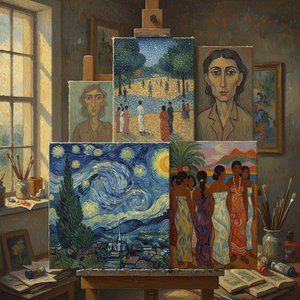
Más Allá del Impresionismo: Profundizando en la Emoción y el Simbolismo Postimpresionista
Descubre la profundidad emocional y el simbolismo del Postimpresionismo con OriginalUniqueArt. Análisis experto de Cézanne, Van Gogh, Gauguin y más. Explora la historia y el legado de este fascinante movimiento artístico.

Impresionismo y Postimpresionismo: Una Exploración de la Evolución Artística y sus Distinciones Clave
Explora la evolución del Impresionismo al Postimpresionismo. Descubre sus características, artistas clave y las diferencias esenciales en este análisis experto.

Impresionismo vs. Postimpresionismo: Un Viaje de la Luz Fugaz a la Profundidad del Alma Artística
Descubra la distinción entre el Impresionismo y el Postimpresionismo. Explore la maestría de la luz y la emoción a través de nuestras exclusivas reproducciones al óleo hechas a mano, diseñadas para coleccionistas que buscan autenticidad, técnica y elegancia atemporal.
