
 Vista previa
 Compartir
 Compartir
 Ver detalles

 Descargar
 Ver similares
 Radiografía
 Presentación de diapositivas
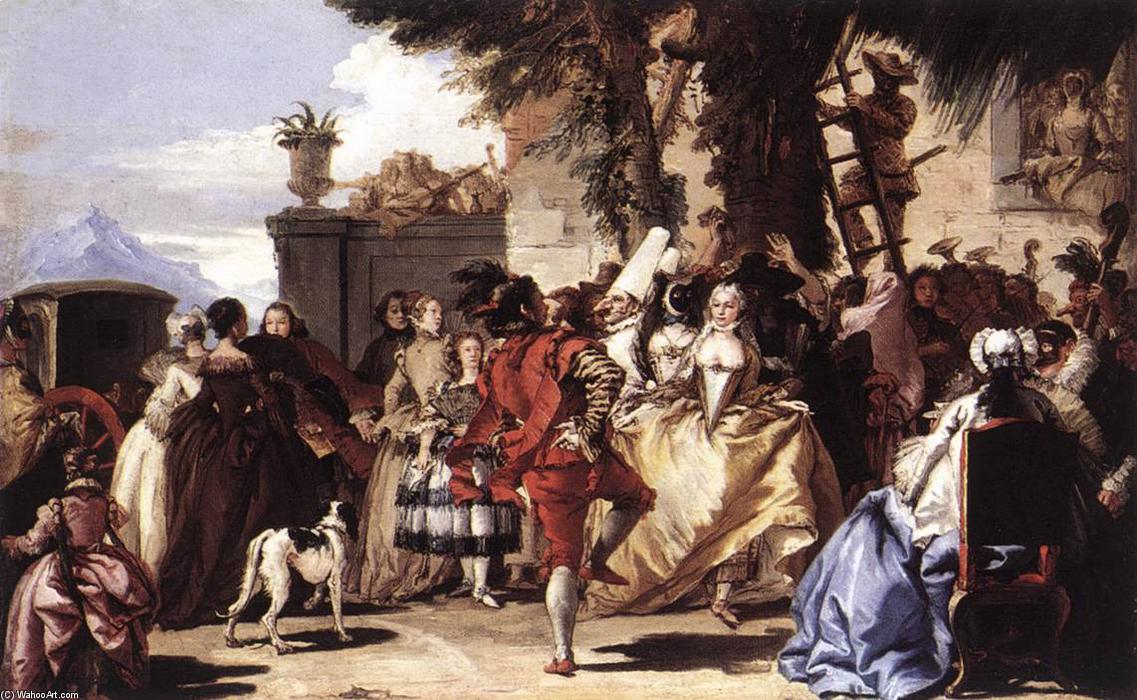
Baile en el campo
 Acrílico sobre lienzo
- Arte de pared
- Estilo Rococó
 1756
1756 75.0 x 120.0 cm
 Museo Metropolitano de Arte
 Leer más
Reproducción al óleo hecha a mano
Óleo sobre lienzo pintado a mano en el tamaño y marco de su elección, realizado por encargo por nuestros artistas. ( Cambiar a impresión Cambiar a imagen)




P118B $10

P118H $10

P118W $10

P438Z $10

P508JH $12

P508YH $12

P805H $10

P805Z $10

P919BZ $10

P919G $10

P919XJ $10

P959ZH $10

P968JZ $12

W106C $8

W218G $10

W218JH $8

W218Y $10

W307PJ $10

W316G $10

W316PJ $8

W316Y $10

W398PJ $8

W4111J $10

W500HY $15

W500JH $15

W692G $12

W849H $8

W940BG $15

W953PJ $8




Elija entre nuestros tamaños predefinidos que respetan las proporciones originales de la obra.

Puede ingresar sus propias dimensiones para adaptarse a un marco o espacio específico. Si el tamaño seleccionado no coincide con las proporciones de la imagen original, recortaremos la obra o extenderemos la pintura con elementos adicionales pintados a mano. Se le enviará una maqueta digital para su aprobación antes de comenzar la producción.
Tenga en cuenta que la vista previa en pantalla no refleja el recorte o la extensión reales. Solo la maqueta mostrará con precisión la composición final.
Si bien existen tamaños personalizados, recomendamos seleccionar una dimensión de la lista predefinida para preservar las proporciones originales.
Tras realizar el pedido, el equipo de OriginalUniqueArt.com enviará un correo electrónico al cliente para solicitar instrucciones y proporcionarle una vista previa del boceto.
Envío a todo el mundo () en 3-4 semanas en lugar de las 5 semanas estándar. (7 agosto). Sin comprometer la calidad.

Envío exprés gratuito a todo el mundo

Lienzo de lino de alta calidad

Seguro de envío completo

Garantía de reembolso de aranceles aduaneros

Garantía de fidelidad cromática exacta

Política de devolución de 60 días (solo por defectos)

Garantía de devolución del 100% del dinero

Oferta por volumen
 La opción de vidrio solo está disponible en tamaños inferiores a 110 cm.

Baile en el campo
Técnica de reproducción
Tamaño de la reproducción
-


Precio total
$ 300
Descripción de la obra
A Celebration of Light and Luxury: Giovanni Domenico Tiepolo’s “Ball in the Country”
The painting "Ball in the Country" by Giovanni Domenico Tiepolo, completed in 1756 and currently residing at the Metropolitan Museum of Art in New York, isn't merely a depiction of an aristocratic fête; it’s a carefully orchestrated symphony of visual elements designed to convey a profound sense of joy, elegance, and the transformative power of illumination. Created during the zenith of Rococo artistic fervor—a movement that prioritized grace, ornamentation, and playful asymmetry—Tiepolo’s masterpiece stands as a testament to his father's influence and his own distinctive approach to capturing fleeting moments of beauty.The Scene Unfolds: Composition and Narrative
At first glance, the canvas presents a bustling tableau of social interaction. A sizable tree dominates the background, casting dappled shade upon the assembled guests—primarily nobles adorned in opulent costumes bursting with silks, velvets, and shimmering embellishments. Figures dance gracefully amidst the foliage, their movements imbued with an infectious energy that radiates outwards from the center of the composition. Conversation flows freely as attendees observe their surroundings, creating a dynamic interplay between movement and stillness. Tiepolo’s masterful use of perspective draws the viewer into this vibrant world, guiding our gaze across the expansive space and emphasizing the grandeur of the occasion. The inclusion of a dog adds an element of domestic comfort to the aristocratic gathering, subtly grounding the fantastical elements within a recognizable reality.The Artistry of Light: Chiaroscuro and Atmospheric Depth
What truly elevates “Ball in the Country” beyond mere visual spectacle is Tiepolo’s masterful manipulation of light—specifically his application of chiaroscuro, a technique championed by Caravaggio and embraced wholeheartedly by the Rococo masters. Dramatic contrasts between luminous highlights and deep shadows sculpt the figures and landscape alike, generating palpable depth and dimensionality. Light streams through the branches of the tree, illuminating faces and costumes with an ethereal glow, while simultaneously enveloping the scene in an atmosphere of warmth and festive spirit. This skillful use of light isn’t simply decorative; it serves as a conduit for emotion, conveying feelings of exhilaration and wonder. It underscores Tiepolo's commitment to capturing not just what is seen but also how it feels—a cornerstone of Rococo aesthetics.Symbolism Embedded in Detail: Mythological Echoes
Beyond the immediate visual impression lies a wealth of symbolic significance woven into every aspect of the painting’s execution. The tree itself represents stability and permanence amidst the ephemeral pleasures of the ball, grounding the scene in an enduring natural element. Furthermore, subtle references to mythological narratives—likely intended to elevate the social occasion—can be discerned within the costumes and postures of certain figures. These echoes of classical mythology reinforce the overarching theme of aristocratic refinement and underscore Tiepolo’s artistic erudition. The artist's meticulous attention to detail—from the intricate embroidery on the gowns to the expressive gestures of the dancers—further amplifies the painting’s impact, inviting contemplation and stimulating imaginative engagement.A Legacy of Elegance: Influence and Artistic Style
Giovanni Domenico Tiepolo’s “Ball in the Country” embodies the spirit of the Rococo style—a movement that sought to recapture the carefree exuberance of Mannerism while retaining its formal elegance. He honed his skills under the tutelage of his father, Giovanni Battista Tiepolo, inheriting his father's penchant for bold color palettes and dynamic compositions. Unlike many artists of his time who favored rigid conventions, Tiepolo embraced a looser brushstroke technique—allowing for spontaneity and conveying an impression of movement that captures the essence of the festive atmosphere. This distinctive artistic style distinguishes “Ball in the Country” as a singular achievement within the broader context of 18th-century art history. It remains a captivating exemplar of Rococo’s ability to transform observation into emotive experience—a timeless celebration of beauty and light.- Artist: Giovanni Domenico Tiepolo
- Year Created: 1756
- Location: Metropolitan Museum of Art, New York
Biografía del artista
Giovanni Domenico Tiepolo: Un Maestro del Fresco Rococó
Giovanni Domenico Tiepolo (30 de agosto de 1727 – 3 de marzo de 1804) fue un destacado pintor y grabador italiano de la República de Venecia. Es reconocido como una figura líder en el estilo rococó, heredando y expandiendo el legado de su renombrado padre, Giovanni Battista Tiepolo. Su carrera abarcó varias décadas, dejando atrás una rica obra caracterizada por colores vibrantes, composiciones dinámicas y elegantes representaciones de escenas mitológicas, retratos y paisajes.
Vida Temprana y Formación
Nacido en una familia artística, la vida temprana de Giovanni Domenico estuvo profundamente entrelazada con el mundo del arte. Su padre, Giovanni Battista Tiepolo, un celebrado pintor conocido por sus monumentales frescos, fue su principal mentor. Giovanni Domenico recibió una rigurosa formación bajo la guía de su padre, aprendiendo las técnicas y los matices estilísticos que moldearían su propio desarrollo artístico. También se benefició de la exposición a otros artistas notables de la época, incluyendo a Sebastiano Ricci y Federico Bencovich, ampliando aún más sus horizontes artísticos. Como joven, asistió frecuentemente a su padre en proyectos a gran escala, adquiriendo una valiosa experiencia práctica en la pintura al fresco.
Carrera Artística y Estilo
La carrera de Giovanni Domenico floreció durante el siglo XVIII. Se estableció como un artista habilidoso capaz de producir tanto obras independientes como contribuir a proyectos colaborativos. Si bien inicialmente trabajó estrechamente con su padre, gradualmente desarrolló su propio estilo distintivo, aunque conservando elementos de la estética rococó prevalente en el arte veneciano de la época. Su producción artística incluyó frescos, pinturas sobre lienzo y grabados.
- Frescos: Tiepolo fue particularmente renombrado por sus frescos, decorando numerosas ubicaciones a lo largo de Italia con elaboradas escenas. Ejemplos notables incluyen los frescos en Ca' Dolfin en el Gran Canal de Venecia y el techo de la iglesia Gesuati (Santa Maria del Rosario), también en Venecia.
- Pinturas: Más allá de los frescos, creó un número significativo de pinturas sobre lienzo, a menudo representando temas mitológicos o retratos. Ejemplos incluyen "Perseo y Andrómeda" (ver aquí), “El Rapto de Europa” (ver aquí) y "Cazador con Ciervo" (ver aquí).
- Grabados: Tiepolo también demostró su habilidad en el grabado, creando impresiones detalladas y expresivas como "Die heiligen Augustinus, Ludwig von Frankreich, Johannes Evangelist und Magnus" (ver aquí) y “Apotheosis de Hércules” (ver aquí).
Significado Histórico
Giovanni Domenico Tiepolo jugó un papel crucial en la continuación y evolución del arte rococó veneciano. Si bien fue eclipsado por la fama de su padre durante su vida, ahora es reconocido como un artista significativo por derecho propio. Sus frescos y pinturas ofrecen valiosas perspectivas sobre los gustos artísticos y los valores culturales del siglo XVIII en Venecia e Italia. Su capacidad para combinar temas clásicos con sensibilidades contemporáneas solidificó su lugar dentro del movimiento rococó, dejando atrás un legado de arte vibrante que continúa cautivando al público hoy en día.
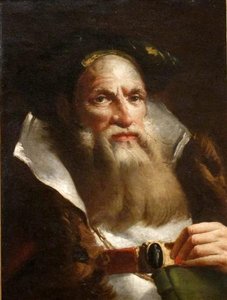
Giovanni Domenico Tiepolo
2007 - 1770 , Italia
Datos clave
- Artistas Que Influyeron: ['Giovanni Battista Tiepolo']
- Fecha De Fallecimiento: 3 de marzo de 1804
- Fecha De Nacimiento: 30 de agosto de 1727
- Lugar De Nacimiento: Venecia, Italia
- Movimiento Artístico: Rococó
- Nacionalidad: Italiana
- Nombre Completo: Giovanni Domenico Tiepolo
- Obras Notables:
- Perseo y Andromeda
- El Rapto de Europa
- Cazador con Ciervo
- Die heiligen Augustinus
- Apolo y Diana
- Apoteosis de Hércules
Artículos relacionados
Las 25 Obras Maestras del MET: Arte, Historia y Decoración para tu Hogar
Descubre las 25 obras maestras del MET de Nueva York: Van Gogh, Monet, Rembrandt y más. Explora la historia, el arte y los colores que inspiran tu hogar. Reproducciones de museo en OriginalUniqueArt.com.

Jacopo Tintoretto: Las 25 Obras Maestras del Genio Veneciano | Arte y Decoración en OriginalUniqueArt
Descubre las 25 obras maestras de Jacopo Tintoretto, el genio veneciano del Renacimiento. Explora su arte dramático, composiciones innovadoras y paleta vibrante. Reproducciones de alta calidad en OriginalUniqueArt.com para transformar tu hogar.
Las 25 Obras Maestras del National Gallery of Art: Arte, Historia y Decoración Exclusiva
Descubre las 25 obras maestras del National Gallery of Art, Washington. Explora la historia de Cézanne, Matisse, Picasso y más. Encuentra reproducciones de arte exclusivas e ideas para decorar tu hogar con lienzos inolvidables en OriginalUniqueArt.com.

James Abbott McNeill Whistler: Las 25 Obras Maestras del Maestro del Arte y la Atmósfera | OriginalUniqueArt
Descubre las 25 obras maestras de James Abbott McNeill Whistler, el maestro del impresionismo y la armonía en arte. Explora retratos icónicos, nocturnos evocadores y su innovadora paleta de colores. Reproducciones de arte exclusivas en OriginalUniqueArt.com.
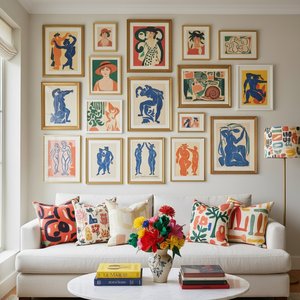
Henri Matisse: Las 25 Obras Maestras que Definieron un Genio del Color | OriginalUniqueArt
Descubre las 25 obras maestras de Henri Matisse, el rey del color y padre del fauvismo. Explora su arte moderno, lienzos vibrantes y la historia detrás de cada pintura icónica. Encuentra reproducciones de alta calidad en OriginalUniqueArt.com.



