
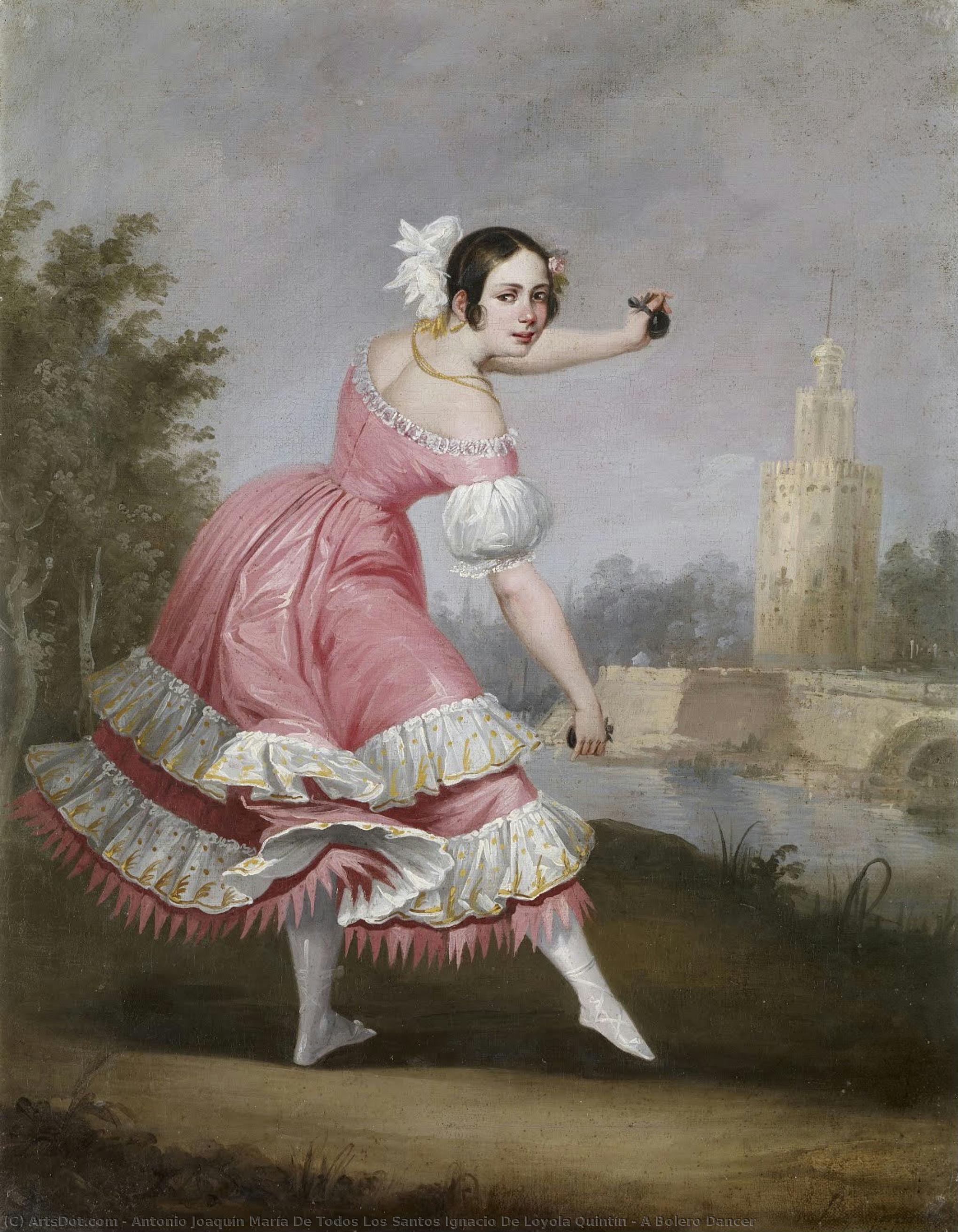
 Vista previa
 Compartir
 Compartir
 Ver detalles

 Descargar
 Ver similares
 Radiografía
 Presentación de diapositivas
A Bolero Dancer
 42.0 x 53.0 cm
 Museo Carmen Thyssen Málaga
 Leer más
Reproducción al óleo hecha a mano
Óleo sobre lienzo pintado a mano en el tamaño y marco de su elección, realizado por encargo por nuestros artistas. ( Pedir impresión Comprar descarga)




































Elija entre nuestros tamaños predefinidos que respetan las proporciones originales de la obra.

Puede ingresar sus propias dimensiones para adaptarse a un marco o espacio específico. Si el tamaño seleccionado no coincide con las proporciones de la imagen original, recortaremos la obra o extenderemos la pintura con elementos adicionales pintados a mano. Se le enviará una maqueta digital para su aprobación antes de comenzar la producción.
Tenga en cuenta que la vista previa en pantalla no refleja el recorte o la extensión reales. Solo la maqueta mostrará con precisión la composición final.
Si bien existen tamaños personalizados, recomendamos seleccionar una dimensión de la lista predefinida para preservar las proporciones originales.
Tras realizar el pedido, el equipo de OriginalUniqueArt.com enviará un correo electrónico al cliente para solicitar instrucciones y proporcionarle una vista previa del boceto.
Envío a todo el mundo () en 3-4 semanas en lugar de las 5 semanas estándar. (14 agosto). Sin comprometer la calidad.

Envío exprés gratuito a todo el mundo

Lienzo de lino de alta calidad

Seguro de envío completo

Garantía de reembolso de aranceles aduaneros

Garantía de fidelidad cromática exacta

Política de devolución de 60 días (solo por defectos)

Garantía de devolución del 100% del dinero

Oferta por volumen
 La opción de vidrio solo está disponible en tamaños inferiores a 110 cm.

A Bolero Dancer
Técnica de reproducción
Tamaño de la reproducción
-


Precio total
$ 300
Descripción de la obra
Biografía del artista
Antonio Joaquín María de Todos los Santos Ignacio de Loyola Quintín: Antonio Cabral Bejarano
Antonio Joaquín María de Todos los Santos Ignacio de Loyola Quintín, más conocido como Antonio Cabral Bejarano, fue una figura esencial en el arte español durante la época romántica. Nacido en Sevilla en 1798, descendía de una línea artística que remontaba a Diego Bejarano, estableciendo así su origen dentro de una tradición profundamente arraigada en el patrimonio artístico. Esta conexión familiar moldeó sus primeros años y despertó una pasión temprana por la expresión visual. Inicialmente instruido por su padre, Joaquín Cabral Bejarano, el viaje artístico de Antonio comenzó bajo la tutela de un maestro que le inculcó los principios fundamentales de la pintura neoclásica.Primeros años y antecedentes familiares
La infancia de Antonio estuvo marcada por vínculos familiares con artistas destacados, entre ellos Joaquín Cabral Bejarano, cuya influencia trascendió simplemente la instrucción; fomentó una apreciación del legado artístico y un compromiso con mantener las convenciones estilísticas establecidas. Su matrimonio con Escolástica Pérez Junquitu Fernández dio como fruto María Bejarano, quien posteriormente se casó con Pedro Cabral, dando origen a Joaquín Cabral Bejarano II, continuando así la tradición artística familiar. Estos fuertes vínculos familiares influyeron en su visión del mundo y en su desarrollo como pintor, impulsándolo hacia una exploración constante de nuevas ideas y técnicas.Formación académica y influencias artísticas
La formación formal de Antonio en La Escuela de Tres Nobles Artes proporcionó una exposición invaluable a las tendencias artísticas contemporáneas y a las técnicas más avanzadas de la época. El resurgimiento del Romanticismo –caracterizado por la intensidad emocional, narrativas dramáticas y el abrazo de la imaginación– se convirtió en fuerza dominante moldeando su visión creativa. Artistas como Eugène Delacroix y Francisco Goya sirvieron como inspiración crucial, influyendo en sus elecciones estilísticas y preocupaciones temáticas. Esta influencia fue evidente en obras posteriores donde Cabral Bejarano buscó capturar la esencia del movimiento romántico, reflejándola en colores vibrantes y composiciones dinámicas.Carrera profesional y producción artística
La carrera artística de Antonio Cabral Bejarano se desarrolló contra el telón de fondo de acontecimientos históricos significativos –la invasión napoleónica de España y su posterior restauración– influyendo en sus temas y esfuerzos creativos. Participó activamente en la decoración de edificios emblemáticos como el Convento de la Trinidad y el Archivo General de Indias, demostrando así su versatilidad como pintor y su dedicación al servicio de encargos públicos importantes. Estos proyectos no solo exhibieron habilidad técnica sino también comprensión de la grandeza arquitectónica y la memoria histórica, reflejando los valores estéticos y culturales de la época romántica española. Además, fue profesor de perspectiva en La Escuela de Tres Nobles Artes, difundiendo el conocimiento artístico entre sus estudiantes y contribuyendo al desarrollo del pensamiento creativo en Sevilla.Estilo y técnica: Costumbrismo y expresión romántica
El estilo artístico de Antonio Cabral Bejarano está firmemente arraigado en el movimiento Costumbrismo –un género español distintivo que buscó representar la vida cotidiana y las costumbres con realismo implacable y profundidad emocional–. A diferencia de las representaciones idealizadas prevalecientes en la pintura neoclásica, Costumbrismo abrazó la espontaneidad y la observación, capturando los matices de la sociedad andaluza a través de colores brillantes y pinceladas expresivas. Sus pinturas frecuentemente retrataban escenas del paisaje urbano sevillano –mercados, plazas y procesiones religiosas– impregnadas de emoción palpable y cargadas de sensación inmediata. Cabral Bejarano utilizó una técnica basada en pinceladas libres y una paleta cromática rica –característica de la pintura romántica– destinada a evocar sentimientos de calidez, vitalidad e intensidad dramática. Esta estética reflejó el espíritu del tiempo y la sensibilidad artística de su época, consolidando su lugar entre los artistas más destacados del siglo XIX español. ### Legado e importancia histórica La contribución de Antonio Cabral Bejarano al arte español trasciende simplemente la innovación estilística; representa un vínculo esencial entre la tradición neoclásica y el movimiento romántico emergente. Como director inaugural del Museo de Bellas Artes de Sevilla –una institución pionera en establecer Sevilla como centro de apreciación artística y erudición– impulsó la excelencia artística y fomentó una cultura de valoración estética, moldeando así el curso de la identidad cultural andaluza. Su influencia perdurable puede verse reflejada en generaciones posteriores de artistas que abrazaron el poder expresivo del Costumbrismo y buscaron transmitir el alma española a través de imágenes cautivadoras, dejando un legado artístico significativo para la historia del arte español.
Antonio Cabral Bejarano
1798 - 1861 , España
Datos clave
- Artistic Movement Or Style: Costumbrismo & Romantic Painting
- Artists Or Movements Influenced By This Artist: ['Neoclassic']
- Artists Who Influenced This Artist: ['Diego Bejarano']
- Date Of Birth: October 31, 1798
- Date Of Death: August 1, 1861
- Full Name: Antonio Joaquín María de Todos los Santos Ignacio de Loyola Quintín
- Nationality: Español
- Notable Artworks: ['A Bolero Dancer']
- Place Of Birth: Seville, Spain

