Vista previa
 Compartir
 Compartir
 Ver detalles
 Guía
Guía

 Descargar
 Ver artículos similares
 Radiografía
 Presentación de diapositivas
 Estadísticas
Subastado
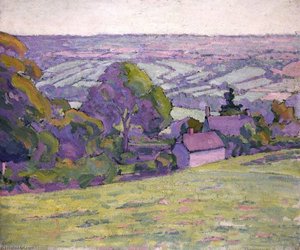
 Óleo sobre lienzo
- Arte de pared
- Post-Impressionismo Británico
 1914
1914 64.0 x 92.0 cm
 Galería de Arte Walker
 Leer más
Giclée / Impresión de arte
Impresiones giclée o en lienzo de calidad de museo con producción rápida y opciones de acabado flexibles. ( Encargar reproducción pintada a mano Ver versión en imagen digital)




P118B €10

P118H €10

P118W €10

P438Z €10

P508JH €12

P508YH €12

P805H €10

P805Z €10

P919BZ €10

P919G €10

P919XJ €10

P959ZH €10

P968JZ €12

W106C €8

W218G €10

W218JH €8

W218Y €10

W307PJ €10

W316G €10

W316PJ €8

W316Y €10

W398PJ €8

W4111J €10

W500HY €15

W500JH €15

W692G €12

W849H €8

W940BG €15

W953PJ €8




Elija entre nuestros tamaños predefinidos que respetan las proporciones originales de la obra.

Introduzca el ancho y el alto que necesite para adaptarse a su marco o pared. Una impresión solo puede recortarse, nunca hacerse más grande que la imagen original, por lo que un tamaño con una forma distinta perderá parte de la obra. Le enviaremos una maqueta digital para su aprobación antes de realizar cualquier impresión. La imagen que se muestra en esta página no refleja el recorte real; solo la maqueta lo hace.
Envío a todo el mundo () en 2 semanas en lugar de las 4/5 semanas estándar. (19 octubre)

Envío exprés gratuito a todo el mundo

Lienzo de lino de alta calidad

Seguro de envío completo

Garantía de reembolso de impuestos aduaneros

Garantía de fidelidad cromática exacta

Política de devolución de 100 días (solo por defectos)

Garantía de devolución del 100% del dinero

Oferta por volumen
 La opción de vidrio solo está disponible en tamaños inferiores a 110 cm.

Subastado
Giclée / Impresión de arte
Tamaño de la reproducción
-


Precio total
€ 70
Under the Hammer: A Vision of Everyday Life Captured in Bold Color
Robert Polhill Bevan’s “Under the Hammer,” completed in 1914, stands as a cornerstone of British Modernism and exemplifies the Camden Town Group's distinctive aesthetic. More than just a depiction of a courtroom scene—featuring a horse prominently positioned amidst a gathering of figures—the painting delves into themes of judgment, observation, and the quiet drama inherent within ordinary moments.
- Artist & Context: Bevan (1865-1925), a Quaker banker’s son, was instrumental in establishing the Camden Town Group, alongside artists like Frank Auerbach and Leon Kossoff. This collective championed Fauvist principles – prioritizing expressive color over realistic representation – reflecting a broader artistic rebellion against Impressionism’s pastel hues.
- Style & Technique: Bevan employed oil on canvas with remarkable confidence, layering vibrant shades of crimson, ochre, and lemon yellow to create an immersive visual experience. The brushstrokes are loose and energetic, conveying movement and capturing the palpable atmosphere of the gathering. This technique prioritizes emotional impact over meticulous detail.
- Composition & Symbolism: The horse dominates the central space, serving as a focal point for scrutiny and representing perhaps the subject of legal proceedings or simply embodying vulnerability within a judgmental gaze. The figures surrounding it are rendered with expressive faces and gestures, conveying nuanced emotions – suspicion, contemplation, and engagement.
- Historical Significance: Created during World War I, “Under the Hammer” speaks to anxieties about societal upheaval and the importance of confronting uncomfortable truths. It embodies the Group’s commitment to portraying the human condition amidst turbulent times, capturing a moment of quiet intensity within a larger historical narrative.
The Walker Art Gallery houses this seminal work, offering visitors an opportunity to appreciate Bevan's masterful command of color and his profound engagement with the complexities of modern life. Its enduring appeal lies in its ability to distill the essence of human experience into a single, unforgettable image—a testament to Bevan’s legacy as one of Britain’s most influential artists.
Detailed Examination: Color Palette & Brushwork
Bevan's audacious use of color is immediately striking. The dominant reds and yellows aren’t merely decorative; they convey heat, urgency, and perhaps even a hint of judgment. Careful observation reveals subtle variations in hue and saturation—a testament to Bevan’s meticulous attention to detail despite the expressive brushwork.
- Crimson & Ochre: These hues dominate the horse's torso and contribute to an overall sense of solemnity.
- Lemon Yellow: Used liberally in the background, lemon yellow creates a luminous effect that contrasts sharply with the darker tones of the figures.
Emotional Resonance & Interpretive Layers
“Under the Hammer” transcends its literal depiction of a courtroom scene to evoke profound emotional responses. The painting captures not only the visual spectacle of color but also the psychological tension inherent in observation and judgment—themes that resonate powerfully with viewers today.
- Suspicion & Contemplation: The faces of several figures convey suspicion and contemplation, prompting viewers to consider their own perspectives on societal pressures.
Provenance & Legacy
Currently residing at the Walker Art Gallery in Liverpool, “Under the Hammer” represents a significant achievement in British Modernist painting. Its influence can be seen in subsequent works by Camden Town Group artists and continues to inspire contemporary artists exploring themes of social commentary and expressive color.
For high-quality reproductions and artistic inspiration, explore OriginalUniqueArt.
Preguntas y respuestas
¿Se puede reproducir legalmente "Subastado" de Robert Polhill Bevan, que se encuentra en Galería de Arte Walker?
"Subastado" de Robert Polhill Bevan, conservada en Galería de Arte Walker, es en el dominio público: sus derechos de autor han expirado. Este estado determina si se pueden realizar reproducciones de la imagen.
¿Qué tan fuerte es el contraste en "Subastado" de Robert Polhill Bevan?
El contraste entre luces y sombras de "Subastado" se registra como Declaración. El contraste describe la intensidad con la que difieren las zonas claras y oscuras.
¿A qué corriente artística pertenece "Subastado" de Robert Polhill Bevan?
"Subastado" es una obra de Post-Impressionismo Británico. El movimiento indica la tradición artística de la que forma parte la obra.
Biografía del artista
Primeros Años y Formación Artística
- Nacimiento: Hove, Reino Unido (1865)
- Fallecimiento: 1925
- Antecedentes Familiares: Robert Polhill Bevan nació en una familia cuáquera con conexiones bancarias. Sus padres fueron Richard Alexander Bevan y Laura Maria Polhill.
- Educación Temprana: Estudió en la Escuela de Arte Westminster bajo la tutela de Fred Brown. Posteriormente, asistió a la Academia Julian en París donde conoció a artistas influyentes como Paul Sérusier, Pierre Bonnard, Édouard Vuillard y Maurice Denis.
- Influencia de Bretaña: Los viajes tempranos a Bretaña (1890 y 1891) impactaron significativamente su desarrollo artístico, especialmente a través de la exposición al estilo Pont-Aven.
Desarrollo Artístico e Influencias
- Estilo Temprano: El trabajo temprano de Bevan mostró influencias del sintetismo, evidente en sus dibujos y grabados de su tiempo en Bretaña.
- Fauvismo: Alrededor de 1904, Bevan experimentó con el color puro, demostrando un enfoque proto-fauvista que estaba por delante de muchos artistas británicos de la época. Su pintura "Patio" se considera un ejemplo temprano de este estilo.
- Divisionismo/Puntillismo: Más tarde, adoptó una técnica divisionista o puntillista, como se ve en obras como "Arando en las Colinas" y "El Arado de Maíz".
- Influencias Clave: Influencias significativas incluyeron a Paul Gauguin (evidente en su uso del color) y maestros anteriores como Velázquez y Goya. También reconoció la guía de Renoir al dibujar caballos.
Afiliaciones y Círculos Artísticos
- Grupo Camden Town: Bevan fue un miembro fundador del Grupo Camden Town, un colectivo de artistas que buscaban representar la vida urbana moderna.
- London Group: También perteneció al London Group, otra organización artística progresista.
- Grupo Cumberland Market: Demostrando aún más su compromiso con los movimientos artísticos contemporáneos, Bevan formó parte del Grupo Cumberland Market.
- Asociación con Walter Sickert: En 1908, se unió al grupo de Fitzroy Street de Walter Sickert, donde recibió ánimo para centrarse en temas cotidianos.
- Asociación de Artistas Aliados: Participó en la primera exposición de la Asociación de Artistas Aliados en 1908, que proporcionó una plataforma para artistas progresistas y lo introdujo a Wassily Kandinsky.
Obras Principales y Temas
- Paisajes: Bevan es conocido principalmente por sus paisajes de Sussex y Bretaña, a menudo representando escenas rurales con colores vibrantes y pinceladas expresivas. Ejemplos incluyen "En las Colinas cerca de Lewes", "El Castaño" y "Paisaje en las Colinas Negras, Devon".
- Retratos: Creó retratos, incluyendo una notable representación de su esposa, Stanislawa Bevan (née de Karłowska).
- Escenas Urbanas: Su trabajo también incluyó representaciones de la vida urbana, como pinturas que documentan el declive del comercio de carruajes tirados por caballos ("El Caballo de Carreta").
- Pinturas Notables: Otras obras significativas incluyen "Queen's Grove, St John's Wood", "La Granja" y “Rosemary la vallée”.
Legado y Significado Histórico
- Pionero del Arte Británico Moderno: Robert Polhill Bevan es reconocido como un pionero del arte británico moderno, particularmente por su temprana adopción de principios fauvistas.
- Influencia en el Uso del Color: Fue uno de los primeros artistas británicos en utilizar el color puro de manera significativa, influyendo en generaciones posteriores de pintores.
- Contribución al Grupo Camden Town: Su participación en el Grupo Camden Town ayudó a dar forma al desarrollo del arte moderno en Gran Bretaña.
- Exposición Retrospectiva: Una exposición retrospectiva en Colnaghi's en 1961 destacó sus contribuciones y solidificó su lugar en la historia del arte.

Robert Polhill Bevan
1865 - 1925 , Reino Unido
Datos clave
- Artistas Que Influyeron:
- Paul Gauguin
- Renoir
- Velázquez
- Goya
- Fecha De Fallecimiento: 1925
- Fecha De Nacimiento: 1865
- Lugar De Nacimiento: Hove, Reino Unido
- Movimiento Artístico:
- Camden Town Group
- Fauvismo
- Puntillismo
- Nacionalidad: Británico
- Nombre Completo: Robert Polhill Bevan
- Obras Notables:
- Rosemary la vallée
- Paisaje en las Blackdown Hills
- Stanislawa Bevan, née de Karlowska
- En los Downs cerca de Lewes
- El Castaño
- Queen's Grove, St John's Wood
- La Casa Rural
- El Caballo de Carga
Artículos relacionados
Fauvismo: 10 Obras Maestras que Revolucionaron la Pintura |
Descubre las 10 obras maestras del Fauvismo con Matisse, Derain y Vlaminck. Explora la historia, el color y la audacia de este movimiento artístico revolucionario. Reproducciones de arte exclusivas en .

Paul Cézanne: Las 25 Obras Maestras que Definieron el Arte Moderno | OriginalUniqueArt
Descubre las 25 obras maestras de Paul Cézanne que revolucionaron el arte moderno. Explora su técnica, inspiración y significado en paisajes, bodegones y retratos. Reproducciones de alta calidad para decorar tu hogar con arte inolvidable. ¡Explora la colección completa en OriginalUniqueArt.com!
Robert Julian Onderdonk: Pioneering Texas Impressionism & Capturing Regional Light
Explore the life & art of Robert Julian Onderdonk, 'the Father of Texas Painting.' Discover his vibrant Impressionist landscapes, iconic bluebonnets, and lasting legacy. Learn about collecting Onderdonk's work today.
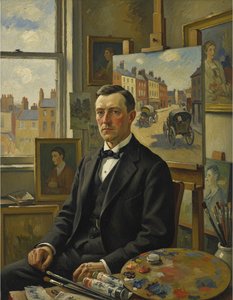
Robert Bevan: Pioneering British Post-Impressionism & the Camden Town Group's Intimate Vision
Explore the life & work of Robert Bevan, a pioneer of British Post-Impressionism and founding member of the Camden Town Group. Discover his vibrant landscapes and lasting impact on early 20th-century art.

Impresionismo: 10 Obras Maestras que Capturan la Luz y el Momento
Descubre 10 obras maestras del impresionismo de Monet, Renoir y Degas. Explora la luz, el color y las historias detrás de estos icónicos cuadros. Reproducciones de arte en OriginalUniqueArt.com para decorar tu hogar con estilo.