
 Ver en contexto
 Enviar
 Compartir
 Detalles
 Guía
Guía

 Descargar
 Similares
 Radiografía
 Presentación de diapositivas
 Q&A
Q&A Estadísticas
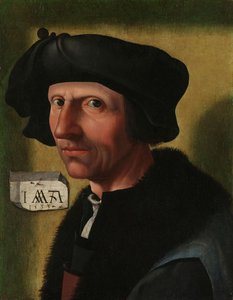
Autorretrato

- 38.0 x 30.0 cm


 Ver más
Giclée / Impresión de arte
Impresiones giclée o en lienzo de calidad de museo con producción rápida y opciones de acabado flexibles. ( Comprar pintura hecha a mano Cambiar a imagen digital)




P118B €10

P118H €10

P118W €10

P438Z €10

P508JH €12

P508YH €12

P805H €10

P805Z €10

P919BZ €10

P919G €10

P919XJ €10

P959ZH €10

P968JZ €12

W106C €8

W218G €10

W218JH €8

W218Y €10

W307PJ €10

W316G €10

W316PJ €8

W316Y €10

W398PJ €8

W4111J €10

W500HY €15

W500JH €15

W692G €12

W849H €8

W940BG €15

W953PJ €8




Elija entre nuestros tamaños predefinidos que respetan las proporciones originales de la obra.

Introduzca el ancho y el alto que necesite para adaptarse a su marco o pared. Una impresión solo puede recortarse, nunca hacerse más grande que la imagen original, por lo que un tamaño con una forma distinta perderá parte de la obra. Le enviaremos una maqueta digital para su aprobación antes de realizar cualquier impresión. La imagen que se muestra en esta página no refleja el recorte real; solo la maqueta lo hace.
Envío a todo el mundo () en 2 semanas en lugar de las 4/5 semanas estándar. (1 noviembre)

Envío exprés gratuito a todo el mundo

Lienzo de lino de alta calidad

Seguro de envío total

Garantía de reembolso de aranceles aduaneros

Garantía de fidelidad cromática exacta

Política de devolución de 100 días (solo por defectos)

Garantía de devolución del 100% del dinero

Descuento por cantidad
 La opción de vidrio solo está disponible en tamaños inferiores a 110 cm.

Autorretrato
Giclée / Impresión de arte
Dimensiones de la reproducción
-


Precio total final
€ 71
Un vistazo a la autoridad del Renacimiento Nórdico
Este cautivador autorretrato de Jacob Cornelisz van Oostsanen nos transporta directamente a la atmósfera cargada de la vida neerlandesa de principios del siglo XVI. La figura central, que reclama toda la atención con su sombrío sombrero negro y su túnica ricamente drapeada, emana un aura de profunda autoridad. Su barba enmarca un rostro marcado por una gravedad severa, casi intelectual, que sugiere a un hombre acostumbrado al pensamiento profundo o a una responsabilidad comunitaria significativa; tal vez un erudito, un teólogo o un respetado líder civil. La composición no es simplemente un parecido físico; es una declaración cuidadosamente construida de estatus e intelecto, característica del período en el que el retrato comenzó a elevar al modelo de mero sujeto a presencia filosófica.
Maestría entre eras: Estilo y técnica
La técnica de Van Oostsanen demuestra aquí su notable posición como un artista que tiende un puente entre dos épocas artísticas monumentales. Mientras que se puede detectar el detalle meticuloso y persistente arraigado en la tradición gótica —un amor por la rica textura de los tejidos y la representación precisa de las facciones individuales—, la composición general insinúa el floreciente naturalismo y la profundidad psicológica del Renacimiento. Observe el manejo de la luz; parece caer sobre el sujeto con una cualidad deliberada, casi teatral, esculpiendo los planos de su rostro y otorgando peso a sus vestiduras. La inclusión de dos figuras más pequeñas flanqueando al sujeto principal añade una sutil complejidad narrativa, situando a la figura de autoridad central dentro de un contexto social que sugiere patrocinio o discipulado.
El eco histórico: La vida en 1533
Datada en 1533, esta pintura emerge de una época de inmenso fermento cultural en los Países Bajos. La transición de la piedad medieval a la indagación humanista estaba remodelando el arte y la sociedad. El propio Van Oostsanen navegó por estas corrientes, absorbiendo influencias que le permitieron crear obras que se sienten profundamente arraigadas en la tradición local y, al mismo tiempo, agudamente conscientes de los avances artísticos continentales. Poseer una reproducción de esta pieza no es simplemente adquirir una decoración; es curar una conexión tangible con el fermento intelectual de la floreciente escena cultural de Ámsterdam.
Simbolismo y resonancia emocional para el coleccionista moderno
El impacto emocional de este retrato reside en su poder silencioso. La mirada severa desafía al espectador, invitando a la contemplación de temas como el deber, el conocimiento y el carácter perdurable. Para el coleccionista o diseñador, esta pieza ofrece una profundidad inigualable. Habla de permanencia: el peso de la historia encarnado en la pintura al óleo. Ya sea colocada en una biblioteca, un estudio académico o un gran salón, aporta un aire inmediato de seriedad cultivada y gravitas histórica. La rica tonalidad y la ejecución magistral aseguran que esta obra de arte siga siendo un punto focal, susurrando relatos de los hombres que dieron forma al Renacimiento Nórdico.
Preguntas y respuestas
¿Cómo se integra "Autorretrato" en los temas y el estilo de Jacob Cornelisz van Oostsanen?
"Autorretrato" comparte con otras obras de Jacob Cornelisz van Oostsanen su estilo Renacimiento del Norte y sus temas recurrentes: estudio del carácter humano.
¿Qué tipo de obra es "Autorretrato" de Jacob Cornelisz van Oostsanen?
"Autorretrato" es una obra de Arte de pared.
¿Qué paleta de colores se utiliza en "Autorretrato" de Jacob Cornelisz van Oostsanen?
"Autorretrato" de Jacob Cornelisz van Oostsanen utiliza una paleta de colores Tonos tierra. Esta gama de tonos define el carácter cromático general de la obra.
Biografía del artista
Jacob Cornelisz van Oostsanen: Bridging Gothic and Renaissance in Amsterdam
Jacob Cornelisz van Oostsanen (c. 1470 – 1533) stands as a pivotal figure in Northern Netherlandish art, marking the final transition from medieval traditions to the burgeoning Renaissance spirit within the vibrant city of Amsterdam. Despite the scarcity of biographical details—primarily reliant on Karel van Mander’s Schilder-boeck and archival records—scholars have painstakingly reconstructed his life and artistic trajectory, revealing a craftsman deeply rooted in Haarlem’s Gothic heritage yet profoundly impacted by the innovations emanating from Florence and Nuremberg.- Early Life & Family: Born around 1470 in Oostzaan, North Holland, Jacob Cornelisz was part of a family dedicated to painting—his brother Cornelis Buys I and II were also accomplished artists. The location itself offers insight into the artistic milieu of his formative years; Oostzaan’s proximity to Amsterdam fostered connections with influential workshops and established artistic lineages.
- Training & Influences: Like many artists of his time, Jacob Cornelisz honed his skills in Haarlem, absorbing the stylistic precepts of Geertgen tot Sint Jans—a master of luminous color palettes and elongated proportions characteristic of the Gothic tradition. However, he also encountered the transformative ideas championed by Albrecht Dürer, demonstrating a willingness to embrace new artistic approaches and techniques.
Amsterdam & The Dawn of Renaissance Painting
Jacob Cornelisz’s arrival in Amsterdam around 1500 signaled a decisive shift in his artistic career. He purchased two adjacent houses on Kalverstraat, establishing himself as one of the city's foremost artists and securing a stable environment for his family. This move coincided with a period of considerable urban growth and cultural dynamism—Amsterdam was rapidly transforming into a cosmopolitan center attracting artisans and intellectuals from across Europe. His workshop became a hub for experimentation, producing not only commissioned portraits but also intricate woodcuts and stained-glass windows that reflected the prevailing aesthetic sensibilities.- Notable Works & Artistic Style: Jacob Cornelisz’s oeuvre comprises approximately 200 woodcuts and 27 paintings—a testament to his versatility as a designer and painter. His prints are distinguished by their meticulous detail and adherence to traditional North Netherlandish conventions, prioritizing narrative clarity and conveying emotion through carefully positioned figures. Paintings like “Christ as Gardener” exemplify his stylistic evolution—characterized by simplified proportions, luminous color harmonies, and a looser brushstroke technique that departed from the rigid formalism of earlier Gothic art. He skillfully blended elements of Haarlem painting with Dürer’s influence, creating images imbued with both spiritual depth and visual splendor.
Symbolism & Religious Context
Throughout his artistic career, Jacob Cornelisz consistently addressed religious themes—often commissioned by Catholic patrons seeking to defend orthodoxy against the burgeoning Protestant Reformation. His paintings—including “The Nativity” and “Saul and the Witch of Endor”—employed established iconography rooted in medieval tradition but incorporated contemporary stylistic innovations. These works served as visual representations of faith, skillfully crafted to resonate with audiences familiar with humanist scholarship and artistic trends.- Legacy & Historical Significance: Jacob Cornelisz van Oostsanen’s contribution to the history of art is undeniable—he represents the final bastion of Flemish painters resisting Italian stylistic influences. His workshop continued to flourish after his death, fostering artistic innovation and perpetuating his family's legacy as prominent artists in Amsterdam. He remains a symbol of artistic transition, embodying the convergence of Gothic craftsmanship with Renaissance ideals—a pivotal moment in shaping the visual culture of Northern Europe.
Jacob Cornelisz van Oostsanen
1470 - 1533 , Países Bajos
Datos clave
- Artistic Movement Or Style: Early Netherlandish Painting
- Artists Who Influenced This Artist:
- Geertgen tot Sint Jans
- Albrecht Dürer
- Date Of Birth: c. 1470
- Date Of Death: 1533
- Full Name: Jacob Cornelisz van Oostsanen
- Nationality: Dutch
- Notable Artworks:
- The adoration of the Magi
- Entombment 1
- San Jerónimo
- Place Of Birth: Oostzaan, Netherlands
Artículos relacionados
Shadows & Splendor: A Journey Through the Soul of Gothic Art and Architectural Grandeur
Embark on a profound journey through the spiritual intensity of Gothic art. Explore the architectural marvels, luminous stained glass, and sacred sculptures that define this era of grandeur and human devotion.

Luz y Sombra: Las 25 Mejores Obras Maestras de Rembrandt van Rijn
Explora las 25 obras maestras de Rembrandt y su claroscuro. Encuentra reproducciones de museo en OriginalUniqueArt.com.

Los 10 Maestros del Primitivo Flamenco: Obras que Definen un Arte Inigualable | OriginalUniqueArt
Descubre los 10 imprescindibles del Primitivo Flamenco: Jan van Eyck, Robert Campin y más. Explora la historia, simbolismo y técnica de estas obras maestras renacentistas tempranas. Encuentra reproducciones de arte de museo en OriginalUniqueArt.com.
Renacimiento Flamenco Temprano: 10 Obras Maestras que Cambiaron la Historia del Arte | OriginalUniqueArt
Descubre las 10 obras maestras del Renacimiento Flamenco Temprano. Explora la historia de Jan van Eyck, Robert Campin y más. Reproducciones de arte en OriginalUniqueArt.com para decorar tu hogar con belleza y elegancia. ¡Explora la colección online!

Gothic Vibes: From Dark Shadows to Bold Modern Edge | The Ultimate Trend Forecast
Explore the evolution of Gothic vibes, from historical shadows to bold modern edge. Discover how dark aesthetics, noir interiors, and contemporary subcultures are redefining modern design through a high-impact, trend-focused lens.


