Flemish Baroque · 1649
Falconry (Jacques D'Arthois, 1649)
Jacques D'Arthois (1613–1686) creó Falconry. Data de 1649. Pertenece al movimiento Flemish Baroque. Está realizado en Oil On Canvas. Se conserva en Colecciones de Pintura del Estado Bávaro, en Múnich, Alemania. Sus dimensiones son 135 × 206 cm.
- 1649
- Oil On Canvas
- 135 × 206 cm
- Colecciones de Pintura del Estado Bávaro, Múnich

 Ver en contexto

 Óleo pintado a mano
 Enviar
 Compartir
 Ficha técnica


 Descargar
 Similares
 Radiografía
 Presentación de diapositivas
 Preguntas y respuestas

 Estadísticas
Falconry en breve
- Título
- Falconry
- Artista
- Jacques D'Arthois (1613–1686)
- Lugar de nacimiento del artista
- Bruselas, Bélgica
- Fecha
- 1649
- Técnica
- Oil On Canvas
- Dimensiones
- 135 × 206 cm
- Dónde verlo
- Colecciones de Pintura del Estado Bávaro, Múnich, Alemania
- Movimiento
- Flemish Baroque
- Época
- Early Modern
- Tema
- people, horse, tree, forest, sky, landscape
¿Qué representa Falconry?
The Depiction of Falconry by Jacques D' Arthois
In Falconry by Jacques D' Arthois, a classical hunting scene unfolds within a dense, shadowed woodland. The air feels heavy with the anticipation of the chase as figures on horseback and on foot move through a clearing. They push toward a distant landscape, their presence cutting through the thick vegetation. This moment captures the very essence of the pursuit, where the stillness of the forest meets the sudden movement of the hunt. It is a scene that speaks to the ancient connection between nobility and the wild, placing the viewer directly into the heart of the action.
Painted about 1649, the work focuses on the tension inherent in the hunt. The figures navigate the undulating terrain, their forms silhouetted against the light of the clearing. There is a sense of purpose in their movement, a drive that mirrors the natural instincts of the animals involved. The landscape itself seems to participate in the drama, with overhanging trees framing the central activity and directing the eye toward the unfolding event. Nature is not merely a backdrop here; it is an active participant in the pursuit, providing both the stage and the obstacles for the hunters.
The subject matter reaches beyond a simple depiction of sport to touch upon deeper themes of nature and the structured life of the nobility. Every movement in the clearing suggests a world governed by the rules of the hunt and the rhythms of the forest. As the figures advance, the tension of the chase lingers in the air, leaving one to wonder what lies just beyond the next thicket of trees. The scene remains suspended in this state of motion, caught between the quiet of the woods and the sudden energy of the hunt.
Composition and Visual Elements of the Work
The scene unfolds within a dramatic, large-scale landscape where the eye is immediately drawn into the heart of the woods. Massive, dark trees overhang the foreground on both the left and right sides, acting as a natural frame that pushes the viewer's gaze toward the center of the action. These heavy, shadowed branches create a sense of enclosure, making the clearing ahead feel like a stage set for the hunt. In the mid-ground, the stillness of the forest is broken by a group of figures moving through the light. Some ride upon horseback while others travel on foot, all navigating the undulating terrain as they push toward the horizon.
A monochromatic palette of grayscale tones defines the entire vista, stripping away color to focus entirely on the interplay of light and shadow. The light descends from the upper center, casting long, sweeping shadows across the forest floor and highlighting the movement of the hunters. This celestial glow creates a profound sense of depth through atmospheric perspective. As the eye travels toward the background, the distant hills and trees lose their sharp edges, becoming lighter and increasingly less detailed as they recede into the misty distance.
Technique and Material Composition
The scene unfolds through the medium of oil on canvas, where every stroke works to build a sense of tangible reality. The artist employs chiaroscuro to manipulate light and shadow, casting deep, dark tones into the recesses of the foliage to create a profound sense of volume and drama. This interplay of light and dark guides the eye through the woodland, making the figures and the terrain feel heavy and present within the space.
Fine brushwork brings a remarkable level of detail to the surface, allowing the viewer to feel the textures of the natural world. The rough, rugged bark of the overhanging trees in the foreground contrasts sharply with the soft, billowing forms of the clouds drifting through the sky. Even the distant hills benefit from this meticulous application, as atmospheric perspective lightens the landscape to suggest a vast, receding distance. Every element, from the organic curves of the tree trunks to the undulating earth, is rendered with a precision that breathes life into the monochromatic landscape.
The Artistic Style of Jacques D' Arthois
The brushstrokes reveal a man deeply attuned to the quiet rhythms of the forest. In this work, the landscape does not merely exist; it breathes with an idealized harmony that seeks to find peace within the wild. The woods around Brussels provide the essential soul for such scenes, offering a lush, verdant stage where nature feels both untamed and perfectly balanced. Every thicket and clearing seems to hold a sense of stillness, as if the world has paused to observe the movement of the hunt.
A particular mastery emerges in the way the light clings to the organic textures of the woodland. The tree trunks, heavy and ancient, are rendered with a tactile precision that invites the eye to wander over every ridge of bark. There is a specific, delicate skill in the way moss and ivy cling to these wooden pillars, adding layers of life to the stationary giants. These creeping greens and soft textures create a sense of depth, making the forest feel like a living, breathing entity rather than a mere backdrop for the figures passing through it.
The composition relies on a careful interplay between the dense, shadowed foliage of the foreground and the lighter, more open spaces of the mid-ground. This creates a natural rhythm that guides the eye through the thickets. The figures move through the clearing not as intruders, but as part of a larger, harmonious cycle of life. The interplay of light and shadow gives the scene a weight and volume that makes the atmosphere feel palpable, as if the very air of the Belgian countryside is caught within the frame.
The Artistic Influence and Legacy of D' Arthois
The echoes of his brushwork ripple through the history of Flemish landscape painting. As one of the few landscape painters from Brussels during the 17th century, he holds a singular position in the artistic landscape of his time. His presence in the art world is felt through the many hands that seek to replicate his vision. His style is not a solitary note but a melody that many other landscape artists choose to follow, imitating his specific approach to the natural world. This imitation ensures that his aesthetic remains a recurring theme in the evolution of the genre.
His fame does not fade with the passing of centuries. Instead, his reputation remains remembered, a lingering presence in the annals of art history. The way he captures the essence of the woods and the movement of figures creates a standard that others strive to meet. His influence is a quiet, persistent force, shaping how subsequent generations perceive the interplay of light and shadow within a wooded setting. He remains a vital link in the development of the Flemish tradition, leaving a mark that continues to be recognized long after his era has passed.
¿En qué museo se encuentra Falconry?
Colecciones de Pintura del Estado Bávaro
Múnich, Alemania
Un Legado de las Colecciones de Pintura del Estado Bávaro Las Colecciones de Pintura del Estado Bávaro, situadas en Múnich, Alemania, iniciaron su historia institucional en 1799 bajo la denominación de Centralgemäldegaleriedirektion. Este cimiento estableció un marco para la preservación del arte europeo que continúa definiendo el paisaje cultural de la ciudad. Los orígenes de la colección se remontan al siglo XVI, con tesoros significativos que datan del periodo de Guillermo IV (1508-1550).
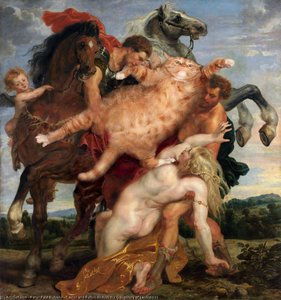


Imágenes en alta resolución de Falconry

Jacques D'Arthois, Falconry (1649), Colecciones de Pintura del Estado Bávaro. Dominio público
Preguntas sobre Falconry respondidas
¿En qué museo se encuentra la obra original "Falconry"?
"Falconry" de Jacques D'Arthois se encuentra en exhibición en Colecciones de Pintura del Estado Bávaro, Múnich, Alemania. La información del museo se refiere a la obra original, no a reproducciones.
¿En qué año se creó "Falconry" de Jacques D'Arthois?
"Falconry" de Jacques D'Arthois fue creado en 1649.
¿En qué técnica está ejecutada "Falconry" de Jacques D'Arthois?
Jacques D'Arthois utilizó la técnica de Oil On Canvas para "Falconry". La técnica define la naturaleza material de la obra original.
¿Cuáles son las dimensiones de la obra original "Falconry" de Jacques D'Arthois?
Las dimensiones registradas de "Falconry" de Jacques D'Arthois son 135.0 x 206.0cm. Se pueden solicitar reproducciones en otros tamaños manteniendo las mismas proporciones.
¿Qué representa "Falconry"?
Los temas de "Falconry" son people, horse, tree, forest, sky, landscape, clouds.
¿Es "Falconry" de dominio público?
Información sobre los derechos de autor de "Falconry" de Jacques D'Arthois: la obra es en el dominio público: sus derechos de autor han expirado. Esto determina si las reproducciones de la imagen pueden realizarse libremente.
¿Quién es el autor de "Falconry"?
"Falconry" se atribuye a Jacques D'Arthois.
¿A qué movimiento artístico pertenece "Falconry" de Jacques D'Arthois?
El movimiento asociado con "Falconry" de Jacques D'Arthois es Flemish Baroque. Esta clasificación sitúa la obra entre artistas y obras relacionadas.
¿A qué etapa de la trayectoria de Jacques D'Arthois pertenece "Falconry"?
Dentro de la trayectoria de Jacques D'Arthois, "Falconry" pertenece al Mature Period. Esta etapa permite compararla con otras obras del artista.
Sobre el artista, Jacques D'Arthois

1613–1686, Bélgica
Jacques D'Arthois
Un maestro de Bruselas en escenas boscosas: La vida y el arte de Jacques d’Arthois Jacques d'Arthois, nacido en Bruselas en 1613, emergió durante un periodo vibrante para el arte flamenco, una época en la que la pintura de paisaje ganaba terreno de forma constante junto a las tradiciones ya establecidas del retrato y la pintura histórica. Aunque no alcanzó la fama universal de algunos de sus contemporáneos, d’Arthois logró forjar un nicho significativo mediante sus representaciones meticulosamente detalladas de paisajes boscosos, habitados por figuras entregadas a la vida cotidiana o a labores pastoriles. Su carrera se desarrolló bajo un trasfondo de agitación política y religiosa; sin embargo, logró cultivar un estilo consistente que resonó profundamente en aquellos mecenas que buscaban tanto belleza como tranquilidad en su entorno. Tras iniciarse como aprendiz de Jan Mertens en 1acio 1625, los detalles de su formación temprana permanecen algo oscuros; no obstante, es evidente que d'Arthois desarrolló rápidamente una afinidad por plasmar el mundo natural con una precisión asombrosa.
Sobre Jacques D'Arthois Obras destacadas de Jacques D'Arthois
Otras obras de Jacques D'Arthois
 Grupo familiar en un paisaje1645
 Extenso paisaje forestal con San Estanislao Kostka1665
 Paisaje con entrada a un bosque1650
 El vado en el bosque1660

Ensayos sobre Falconry
 Las 25 obras maestras de Hugo van der Goes: El genio del realismo flamencoExplora las 25 obras maestras de Hugo van der Goes y el realismo flamenco. Descubre su legado en OriginalUniqueArt.com.
 Las 25 mejores obras de Charles-François Daubigny: Maestros de la naturalezaExplora las 25 mejores obras de Charles-François Daubigny y la Escuela de Barbizon. ¡Descubre sus obras maestras en OriginalUniqueArt.com!
 Pintores franceses de la Escuela de BarbizonDescubra a Rousseau y Daubigny, maestros de la Escuela de Barbizon. Explore sus obras maestras en OriginalUniqueArt.com.