Rococo · 1736
Bear Hunt (Charles-André van Loo, 1736)
Charles-André van Loo (1705–1765) creó Bear Hunt. Data de 1736. Pertenece al movimiento Rococo. Está realizado en Oil On Canvas. Se conserva en Museo de Picardía, en Amiens, Francia. Sus dimensiones son 184 × 129 cm.
- 1736
- Oil On Canvas
- 184 × 129 cm
- Museo de Picardía, Amiens

 Ver en contexto

 Óleo pintado a mano
 Enviar
 Compartir
 Ficha técnica


 Descargar
 Similares
 Radiografía
 Presentación de diapositivas
 Preguntas y respuestas

 Estadísticas
Bear Hunt en breve
- Título
- Bear Hunt
- Artista
- Charles-André van Loo (1705–1765)
- Lugar de nacimiento del artista
- Niza, Francia
- Fecha
- 1736
- Técnica
- Oil On Canvas
- Dimensiones
- 184 × 129 cm
- Dónde verlo
- Museo de Picardía, Amiens, Francia
- Movimiento
- Rococo
- Época
- Early Modern
- Tema
- people, bears, dogs, horses, guns, rocks
¿Qué representa Bear Hunt?
Identification of the Artwork and Artist
The oil on canvas titled Bear Hunt was painted by Charles-André van Loo in 1736. This work emerged from the hand of an artist born in Nice, France, in 1705. He belonged to a successful dynasty of Dutch painters, a lineage of creators who shaped the visual language of their era. His life spanned the decades between his birth and his death in 1765.
Charles-André van Loo brought a specific precision to this scene. The canvas captures a moment of movement within the wilderness. It is a piece from a period of significant activity for the artist. His brushwork defines the tension of the chase. The light falls upon the figures and the animals in the landscape.
The work remains a specific record of a hunt. It carries the weight of the artist's early career. A quiet stillness exists beneath the action of the hunt. The shadows of the trees stretch across the ground.
Visual Composition and Subject Matter
This large oil on canvas captures a moment of sudden movement in the wild. Near a cluster of jagged rocks, the landscape opens into a rugged wilderness. Several men grip guns, their bodies poised for the chase. Dogs weave through the brush, their instincts driving them toward the scent of the prey. Horses stand nearby, silent witnesses to the exertion, ready to carry the hunters across the uneven ground.
The bears are scattered throughout the scene, some looming in the foreground and others fading into the distant greenery. The composition relies on this distribution of weight to create a sense of scale. There is a palpable tension in the air, a rush of adrenaline that defines the hunt. The great outdoors provides a chaotic, unscripted stage for this encounter. The hunt moves with a sudden, sharp energy.
Related Works by the Same Artist
The artist’s hand moved through many realms, from the quietude of a Self Portrait to the grand scale of mythological drama. In Venus and Amor, held at the Kunsthalle Bremen, the brush captures a different kind of grace. He explored the tension of legend in Jupiter and Antiope and rendered the myth of Perseus and Andromeda in multiple versions. These figures exist alongside the courtly presence of the Portrait of Marie Leszczynska, Queen of France. A smaller, focused study of Mademoiselle Clairon as Medea appeared in 1760.
The hunt remains a recurring pulse in his oeuvre. He captured aristocratic leisure in Halt of the Hunt, a work now held at The Metropolitan Museum of Art. This interest in the chase extends to the overdoor paintings created for the petits appartements of Louis XV at Versailles. Such works reflect a life spent navigating the precise requirements of royal patronage and the fluid movement of the Rococo style. The paint dries on the canvas, leaving only the shadow of the chase.
¿En qué museo se encuentra Bear Hunt?
Museo de Picardía
Amiens, Francia
Un Santuario del Tiempo: El Alma del Musée de Picardie Enclavado en el corazón histórico de Amiens, Francia, el Musée de Picardie se erige como un profundo testimonio del diálogo perdurable entre la humanidad y sus impulsos creativos. Cruzar sus puertas es adentrarse en un reino donde las fronteras del tiempo se disuelven, de forma muy similar a la luz que danza a través de sus grandes y aireados salones. La estructura misma del museo, una obra maestra de la era del Segundo Imperio diseñada por los arquitectos Henri Parent y Arthur-Stanislas Diet, actúa como un narrador silencioso del ascenso cultural de Francia.


Imágenes en alta resolución de Bear Hunt
Charles-André van Loo, Bear Hunt (1736), Museo de Picardía. Dominio público
Preguntas sobre Bear Hunt respondidas
¿En qué museo se encuentra la obra original "Bear Hunt"?
Puede ver la obra original "Bear Hunt" en el Museo de Picardía, Amiens, Francia.
¿En qué año se creó "Bear Hunt" de Charles-André van Loo?
"Bear Hunt" de Charles-André van Loo fue creado en 1736.
¿Qué técnica se utilizó para "Bear Hunt" de Charles-André van Loo?
"Bear Hunt" está realizada en Oil On Canvas.
¿Cuáles son las dimensiones reales de "Bear Hunt" de Charles-André van Loo?
La obra original "Bear Hunt" de Charles-André van Loo mide 184 x 129 cm.
¿Qué representa "Bear Hunt" de Charles-André van Loo?
Los temas de "Bear Hunt" son people, bears, dogs, horses, guns, rocks, wilderness.
¿Es "Bear Hunt" de Charles-André van Loo de dominio público?
Información sobre los derechos de autor de "Bear Hunt" de Charles-André van Loo: la obra es en el dominio público: sus derechos de autor han expirado. Esto determina si las reproducciones de la imagen pueden realizarse libremente.
¿Quién es el autor de "Bear Hunt"?
"Bear Hunt" se atribuye a Charles-André van Loo.
¿A qué movimiento artístico pertenece "Bear Hunt" de Charles-André van Loo?
El movimiento asociado con "Bear Hunt" de Charles-André van Loo es Rococo. Esta clasificación sitúa la obra entre artistas y obras relacionadas.
¿A qué etapa de la trayectoria de Charles-André van Loo pertenece "Bear Hunt"?
"Bear Hunt" pertenece al Mature Period de la trayectoria de Charles-André van Loo. Esta clasificación vincula la obra con el desarrollo del artista.
Sobre el artista, Charles-André van Loo
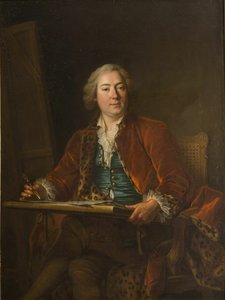
1705–1765, Francia
Charles-André van Loo
Primeros Años y Formación Nacimiento: 15 de febrero de 1705, en Niza, Francia Antecedentes Familiares: Hijo de Louis-Abraham van Loo y hermano menor de Jean-Baptiste van Loo. Miembro de una exitosa dinastía de pintores de origen holandés. Educación Temprana: Formación inicial en Turín, seguida por estudios en Roma (1712) bajo las enseñanzas de Benedetto Luti y Pierre Legros. Estudios Parisinos: Asistió a la Académie royale, ganando el primer premio para dibujo en 1723 y pintura histórica en 1727.
Sobre Charles-André van Loo Obras destacadas de Charles-André van Loo
Otras obras de Charles-André van Loo
 Concierto español (Conversación española)1754
 Aeneas Carrying Anchises1729
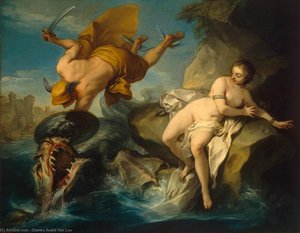 Perseo y Andrómeda1735
 La sultana1747
Ensayos sobre Bear Hunt
 Charles-André van Loo: A Study in Rococo Portraiture & the French Court's Artistic DynamicsExplore the elegant world of Charles-André van Loo, a master of Rococo portraiture at the French court. Discover his life, techniques, and …
 Pintores belgas del siglo XVIDescubra a maestros como Bruegel y Patenier. Explore obras maestras y reproducciones de calidad en OriginalUniqueArt.com.
 Pintores flamencos del siglo XVIIDescubre el esplendor del barroco con Van Dyck y Jordaens. Explora obras maestras y reproducciones en OriginalUniqueArt.com.