 Vista previa
 Compartir
 Compartir
 Ver detalles

 Descargar
 Ver similares
 Radiografía
 Presentación de diapositivas
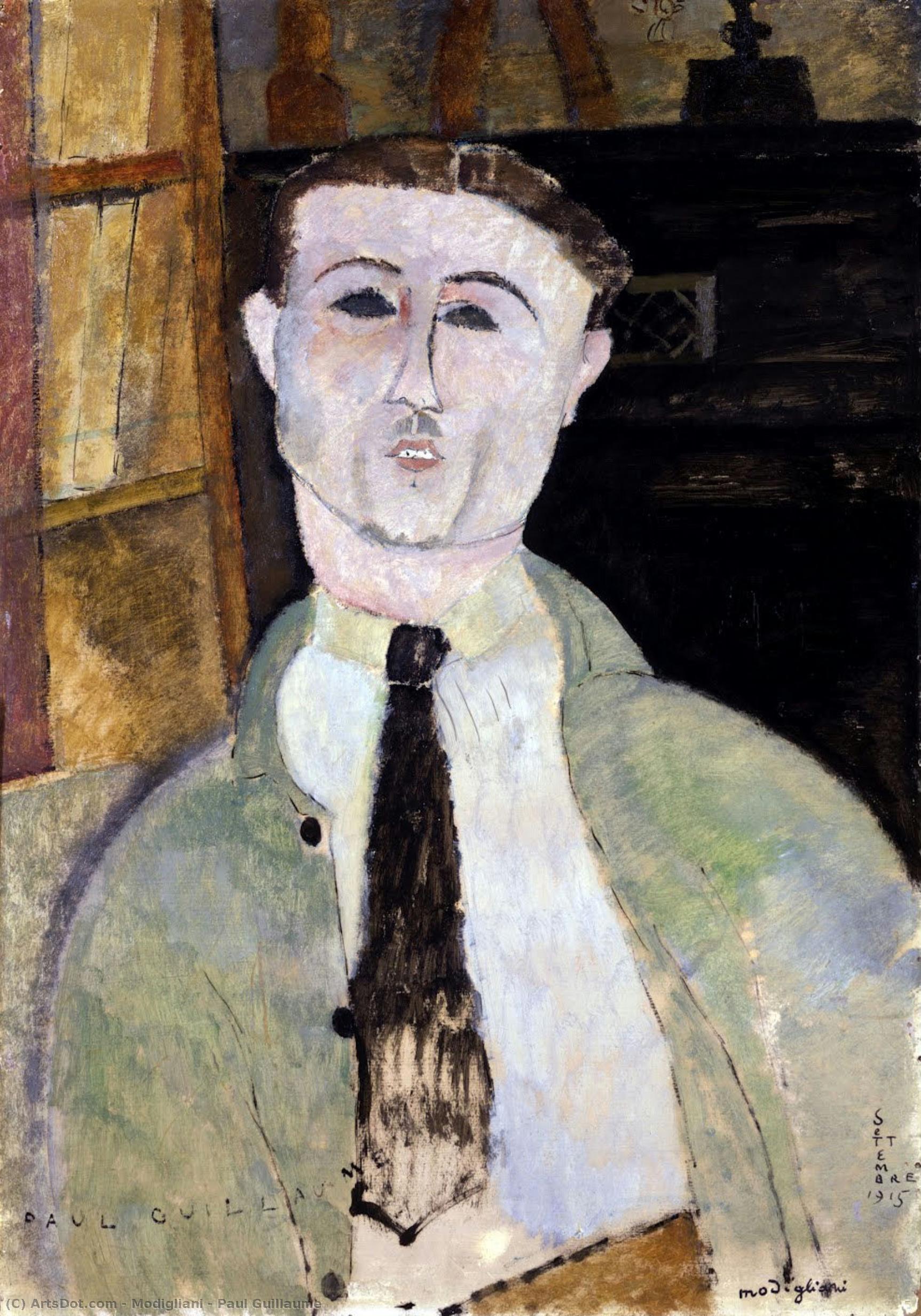
Paul Guillaume
 Óleo sobre lienzo
- Arte de pared
- Cubo-Expressionism
 1915
1915- Plena Edad Media
 521.0 x 749.0 cm
 Toledo Museum of Art
 Leer más
Reproducción al óleo hecha a mano
Óleo sobre lienzo pintado a mano en el tamaño y marco de su elección, realizado por encargo por nuestros artistas. ( Pedir impresión Comprar descarga)




P118B $10

P118H $10

P118W $10

P438Z $10

P508JH $12

P508YH $12

P805H $10

P805Z $10

P919BZ $10

P919G $10

P919XJ $10

P959ZH $10

P968JZ $12

W106C $8

W218G $10

W218JH $8

W218Y $10

W307PJ $10

W316G $10

W316PJ $8

W316Y $10

W398PJ $8

W4111J $10

W500HY $15

W500JH $15

W692G $12

W849H $8

W940BG $15

W953PJ $8




Elija entre nuestros tamaños predefinidos que respetan las proporciones originales de la obra.

Puede ingresar sus propias dimensiones para adaptarse a un marco o espacio específico. Si el tamaño seleccionado no coincide con las proporciones de la imagen original, recortaremos la obra o extenderemos la pintura con elementos adicionales pintados a mano. Se le enviará una maqueta digital para su aprobación antes de comenzar la producción.
Tenga en cuenta que la vista previa en pantalla no refleja el recorte o la extensión reales. Solo la maqueta mostrará con precisión la composición final.
Si bien existen tamaños personalizados, recomendamos seleccionar una dimensión de la lista predefinida para preservar las proporciones originales.
Tras realizar el pedido, el equipo de OriginalUniqueArt.com enviará un correo electrónico al cliente para solicitar instrucciones y proporcionarle una vista previa del boceto.
Envío a todo el mundo () en 3-4 semanas en lugar de las 5 semanas estándar. (16 agosto). Sin comprometer la calidad.

Envío exprés gratuito a todo el mundo

Lienzo de lino de alta calidad

Seguro de envío completo

Garantía de reembolso de aranceles aduaneros

Garantía de fidelidad cromática exacta

Política de devolución de 60 días (solo por defectos)

Garantía de devolución del 100% del dinero

Oferta por volumen
 La opción de vidrio solo está disponible en tamaños inferiores a 110 cm.

Paul Guillaume
Técnica de reproducción
Tamaño de la reproducción
-


Precio total
$ 300
Descripción de la obra
Paul Guillaume: A Portrait of Melancholy in the Shadow of Modernism
Amedeo Modigliani’s 1915 portrait of Paul Guillaume is more than just a likeness; it's a distilled essence of early 20th-century artistic currents, a poignant meditation on beauty and disillusionment. This intimate study, rendered in oil on canvas, captures the enigmatic figure of an art dealer – a man deeply embedded within the vibrant yet turbulent world of Parisian modernism – with a remarkable sensitivity to both form and emotion. The painting immediately draws the viewer in with its muted palette, dominated by ochres, browns, greens, and creams, creating an atmosphere of quiet contemplation rather than dramatic display. The deliberate lack of bright hues reinforces a sense of introspection, mirroring perhaps the complexities of Guillaume’s own life and career.
Modigliani's signature style is powerfully evident in this work. The elongated features, subtly distorted yet undeniably elegant, are characteristic of his approach – a rejection of rigid realism in favor of an expressive distortion that seeks to capture the inner spirit of his subjects. The face itself possesses a mask-like quality, simplified and stylized to emphasize certain features while obscuring others, inviting speculation about Guillaume’s thoughts and feelings. The composition follows a traditional bust format, yet Modigliani introduces a delicate asymmetry, subtly shifting the balance and preventing the portrait from feeling static or overly formal. The background, an abstract arrangement of vertical and horizontal brushstrokes, isn't merely decorative; it suggests the architecture of a dimly lit interior – perhaps Guillaume’s studio – adding depth and context to the scene without resorting to detailed representation.
Line, Form, and the Language of Modernism
The masterful use of line is central to Modigliani’s vision. Long, flowing lines define the contours of Guillaume's face and clothing, creating a sense of movement and fluidity that contrasts sharply with the more angular lines used to delineate the background. These lines aren’t precise or perfectly rendered; they often blend into one another, contributing to the painting’s overall feeling of softness and ambiguity. This deliberate blurring of boundaries reflects the broader trends of Cubo-Expressionism – a movement that sought to capture not just the appearance of objects but also their emotional impact through distorted forms and expressive lines.
The shapes within the portrait are largely organic and elongated, echoing Modigliani’s fascination with the human form. The face itself is undeniably stylized, resembling a mask rather than a natural representation. Rectangular shapes appear in the clothing and architectural elements of the background, providing a grounding element to the otherwise fluid composition. This interplay between organic curves and geometric forms creates a dynamic tension that is both visually engaging and emotionally resonant.
Symbolism and the Echoes of Melancholy
Beyond its formal qualities, the portrait carries a palpable sense of melancholy. The muted color palette, combined with the elongated features and subtly sorrowful expression, evokes a feeling of introspection and perhaps even regret. Paul Guillaume himself was a complex figure – an art dealer who championed emerging artists like Modigliani, yet also struggled with personal demons and financial instability. This painting seems to capture something of that inner turmoil, suggesting a man aware of his own mortality and the fleeting nature of beauty.
The portrait’s historical context is equally important. Created during a period of rapid social and artistic change, it reflects the anxieties and uncertainties of early 20th-century Europe. The rise of modernism challenged traditional notions of beauty and representation, paving the way for new forms of expression – and Modigliani was at the forefront of this revolution. The inclusion of references to Guillaume’s role as an art dealer highlights his position within a network of artists and intellectuals who were shaping the course of modern art.
A Timeless Masterpiece: Reproduction Possibilities
OriginalUniqueArt offers meticulously crafted, hand-painted reproductions of this iconic portrait. Each reproduction is created by skilled artisans using traditional oil painting techniques, ensuring that every detail – from the subtle nuances of color to the delicate brushstrokes – faithfully captures the essence of Modigliani’s original masterpiece. Whether you're an art collector, a design enthusiast, or simply someone seeking a beautiful and evocative work of art for your home, a OriginalUniqueArt reproduction of “Paul Guillaume” offers a unique opportunity to own a piece of art history.
Explore the available sizes and options on our website: [Link to Product Page]
Biografía del artista
vida temprana y antecedentes
Amadeo Clemente Modigliani, un pintor y escultor italiano judío, nació el 12 de julio de 1884 en Livorno, Italia. Su familia, de ascendencia judía sefardí, tuvo una importante presencia en la región mediterránea. La vida temprana de Modigliani estuvo marcada por frecuentes enfermedades, incluyendo pleuresía y fiebre tifoidea, lo que influiría posteriormente en su estilo artístico.trayectoria artística
- Amadeo Clemente Modigliani comenzó su trayectoria artística en Italia, donde estudió el arte de la antigüedad y el Renacimiento.
- En 1906, se mudó a París, entrando en contacto con artistas destacados como Pablo Picasso y Constantin Brancusi.
- La obra de Modigliani incluye pinturas y dibujos, centrándose en retratos y figuras completas de humanos, tanto en imágenes como en esculturas.
obras notables y estilo
- Nudo busto (35 x 26 cm, expresionismo, óleo sobre lienzo), un ejemplo primario del estilo único de Modigliani.
- Nudo recostado con cabello suelto (osaka city museum of modern art, Japón, expresionismo, óleo sobre lienzo), que muestra su dominio de la forma humana.
- Nudo femenino sentado (92 x 60 cm, expresionismo, óleo sobre lienzo), un testimonio de su capacidad para capturar la esencia de la feminidad.
influencia y legado
A pesar de enfrentar poco éxito durante su vida, las obras de Modigliani alcanzaron una mayor popularidad después de su muerte, con sus piezas vendidas por precios elevados. Su influencia se puede ver en varios movimientos artísticos, incluyendo el expresionismo y el modernismo.- Consulta los 5 artistas más famosos del expresionismo para saber más sobre este movimiento.
- Explora la extensa colección de Amadeo Clemente Modigliani en OriginalUniqueArt, que cuenta con más de 240 obras de arte.
- Descubre la historia del arte y su importancia en el mundo del arte.
museos y colecciones de arte
Museo de Arte Moderno de la Ciudad de Osaka, Japón, que alberga algunas de las obras notables de Modigliani, es una institución importante para los entusiastas del arte. La colección del museo exhibe una amplia gama de estilos artísticos, incluyendo el expresionismo y el modernismo.conclusión
El estilo enigmático de Amadeo Clemente Modigliani, caracterizado por la elongación de rostros y figuras, ha dejado una huella imborrable en el mundo del arte. Su legado continúa inspirando a artistas y entusiastas del arte por igual, convirtiéndolo en una **figura querida en la historia del arte**.
Amedeo Modigliani
1884 - 1920 , Italia
Datos clave
- Artistas Influenciados Por:
- Expresionismo
- Modernismo
- Artistas Que Influyeron:
- Paul Cézanne
- Constantin Brâncuși
- Fecha De Nacimiento: 12 de julio de 1884
- Lugar De Nacimiento: Livorno, Italia
- Movimiento Artístico: Expresionismo
- Nacionalidad: Italiana
- Nombre Completo: Amedeo Clemente Modigliani
- Obras Notables:
- Nudo busto
- Nudo recostado
- Mujer sentada
- Pierrot
Artículos relacionados
Amedeo Modigliani: Las 25 Obras Maestras del Alma y la Forma | OriginalUniqueArt
Descubre las 25 obras maestras de Amedeo Modigliani, el artista italiano del expresionismo. Retratos icónicos, esculturas conmovedoras y lienzos llenos de melancolía. Encuentra reproducciones de arte exclusivas y decoración para tu hogar en OriginalUniqueArt.com.
Paul Klee: Las 25 Obras Maestras que Definen un Genio del Arte Moderno | OriginalUniqueArt
Descubre las 25 obras maestras de Paul Klee, el genio del arte moderno. Explora su expresionismo único, composiciones abstractas y vibrantes paletas de colores. Reproducciones de alta calidad y decoración con arte en OriginalUniqueArt.com.

Paul Cézanne: Las 25 Obras Maestras que Definieron el Arte Moderno | OriginalUniqueArt
Descubre las 25 obras maestras de Paul Cézanne que revolucionaron el arte moderno. Explora su técnica, inspiración y significado en paisajes, bodegones y retratos. Reproducciones de alta calidad para decorar tu hogar con arte inolvidable. ¡Explora la colección completa en OriginalUniqueArt.com!
Cubismo Expresionista: 10 Obras Maestras que Transformaron el Arte | OriginalUniqueArt
Descubre las 10 obras maestras del Cubismo Expresionista con OriginalUniqueArt. Explora la historia de Picasso, Braque y otros artistas clave. Encuentra reproducciones de arte exclusivas para transformar tu hogar. ¡Explora la colección completa en OriginalUniqueArt.com!
Expresionismo Figurado: Intensidad Emocional y Realidad Subjetiva en el Arte del Siglo XX
Explora la intensidad emocional del Expresionismo Figurado alemán. Descubre sus orígenes, artistas clave como Munch y Kirchner, y su legado en el arte moderno. Análisis experto y profundo.