A Legacy of Passion: Unveiling the Treasures of the Salar Jung Museum
The Salar Jung Museum stands as an unparalleled testament to a singular vision—that of Nawab Mir Yousuf Ali Khan III, Salar Jung III, who dedicated his life and considerable fortune to assembling one of the world’s most extraordinary collections. Situated within the historic Dar-ul-Shifa complex in Hyderabad, India, this museum is far more than a mere repository of artifacts; it is a vibrant chronicle woven from royal patronage, artistic exchange, and an unwavering devotion to preserving cultural heritage. Established in 1951 following the Nawab's passing, the institution offers an immersive journey through art history, revealing not just objects, but the profound cultural currents that shaped them across centuries.
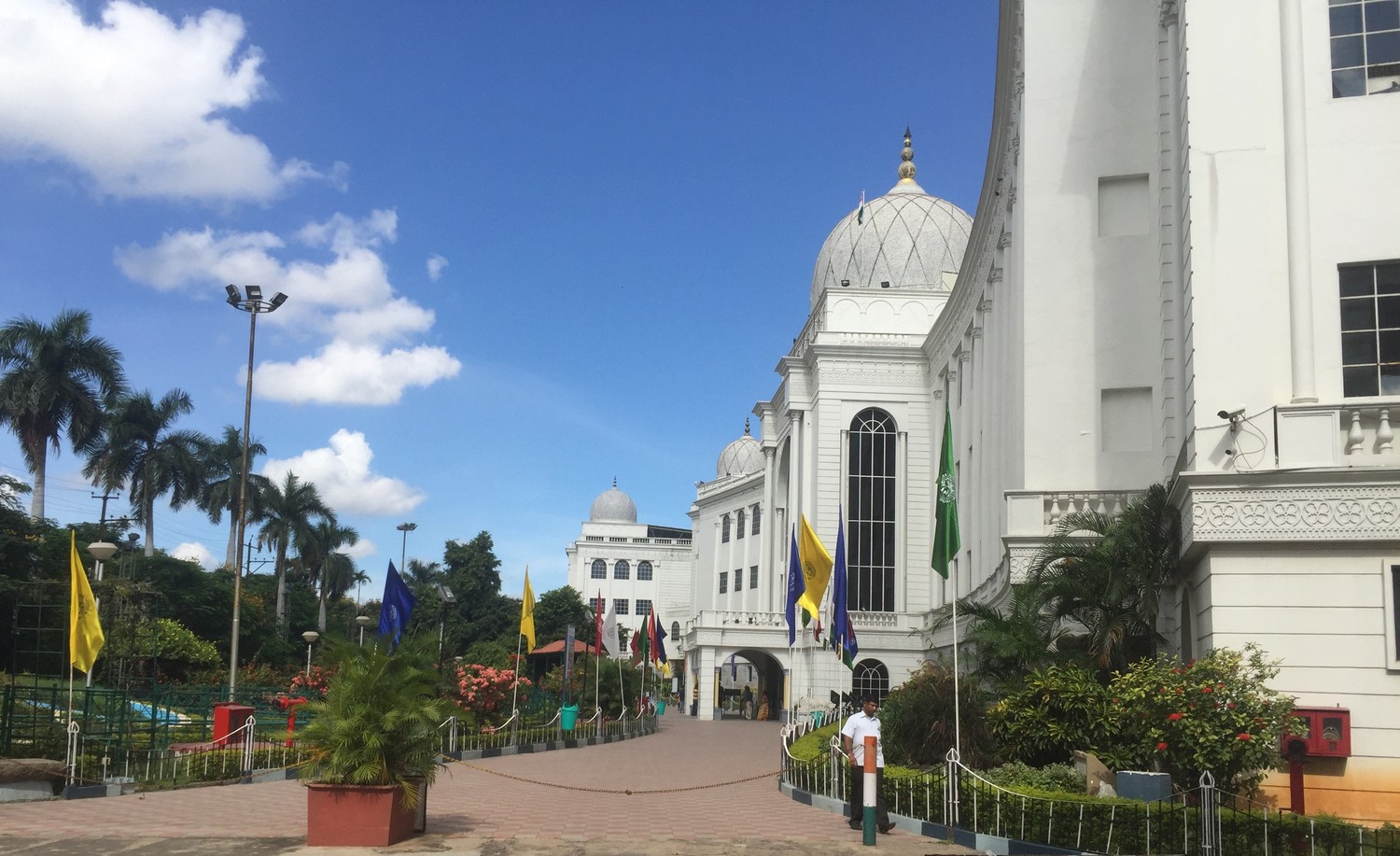
The museum’s origins are deeply rooted in the ambition of Mir Turab Ali Khan, Salar Jung I, who served as Prime Minister of Hyderabad State. Driven by a deep fascination for antiquities, he embarked on an ambitious quest to amass a collection rivaling the greatest museums of Europe—a goal that his son, Salar Jung III, resolutely pursued with even greater fervor. While the initial residence for this burgeoning collection was Diwan Devdi, the museum eventually relocated in 1968 to its magnificent current building. Designed by Mohammed Fayazuddin, the architecture embodies a harmonious blend of traditional Indian aesthetics with European influences, creating a grand stage that honors the majesty of the treasures housed within its walls.
A Kaleidoscope of Global Cultures
To wander through the halls of the Salar Jung Museum is to experience a breathtaking kaleidoscope of global artistic traditions. The collection is remarkably diverse, spanning continents and eras with a seamless fluidity. In the Indian Art section, visitors are met with an astonishing array of bronze sculptures, ranging from the intricate detailing of Gandharan figures to the powerful dynamism of Deccan bronzes. This section also breathes with the life of exquisite textiles, miniature paintings representing the Mughal, Rajasthani, and Deccan schools, and ivory carvings that depict the delicate nuances of royal life. Each piece serves as a window into the meticulous craftsmanship and aesthetic sensibilities of bygone Indian eras.
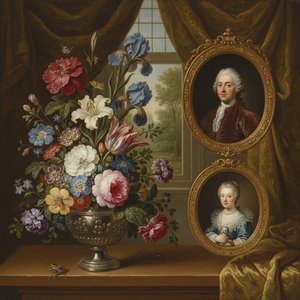
The journey continues eastward and westward through curated galleries that bridge the gap between distant civilizations. The Middle Eastern Art section presents a dazzling display of ceramics from Persia, featuring intricately ornamented vessels that bear witness to centuries of artistic refinement, alongside illuminated manuscripts where calligraphy and geometric patterns embody profound symbolic meaning. Simultaneously, the Far Eastern collections captivate with the delicate beauty of Chinese and Japanese porcelain and bronzes imbued with Buddhist symbolism. This global dialogue is completed by the European Art section, which offers a selection of paintings, sculptures, and furniture reflecting Neoclassical aesthetics—a testament to Salar Jung III’s sophisticated appreciation for Western art forms.
The Masterpiece in Marble and the Spirit of Uniqueness
Among the museum's most celebrated treasures is undoubtedly “The Veiled Rebecca,” a marble statue by the Italian sculptor Giovanni Maria Benzoni. This hauntingly beautiful work, depicting Rebecca shrouded in a translucent veil, is a masterful portrayal of emotion and technical prowess that captures the very spirit of the Grand Tour era. Such masterpieces are what define the museum's soul; they are not merely exhibits but emotional touchstones that resonate with art lovers and collectors alike.
What truly distinguishes the Salar Jung Museum from other state-sponsored institutions is its foundation upon a singular, personal passion. Unlike many museums built through institutional endowments, this collection was assembled by one man over thirty-five years of dedicated collecting. This personal touch imbues the museum with an unparalleled sense of intimacy and authenticity. From the exquisitely carved ivory to the imposing weaponry, every item reflects the refined taste and intellectual curiosity of a man who sought to bring the world's beauty to his home. For the interior designer or the historian, the museum offers endless inspiration, representing the pinnacle of human creativity and a legacy destined to inspire generations to come.