Northern Renaissance, one artist at a time

84 Famous Northern Renaissance Painters Who Shaped the Movement

Albrecht Dürer (1471–1528) is the most famous Northern Renaissance painter, whose singular vision gave us Adam and Eve and Feast Of The Rose Garlands. Next stand Hieronymus Bosch, Pieter Brueghel the Elder, Hans Holbein the Younger and Lucas Cranach the Elder. These 84 painters, from Konrad Witz (born 1400) to Pieter Brueghel The Younger (born 1564), came from 10 countries.

Our selection. Artists whose works our catalogue attaches to Northern Renaissance, in the order of our fame ranking. Artists born after 1955 with no Wikidata identifier stay out until verified. The Wikipedia figure counts our 32 languages with an article on the artist.

  1. Adam and Eve by Albrecht Dürer1Albrecht Dürer
  2. The Garden of Earthly Delights by Hieronymus Bosch2Hieronymus Bosch
  3. The Triumph of Death by Pieter Brueghel the Elder3Pieter Brueghel the Elder

In brief

Northern Renaissance in brief

  • 84Artists
  • 1400–1564Years of birth
  • 10Countries of birth
  • 1Women
  • 8,300Works in our catalogue
Cities with most births
Antwerp (9), Augsburg (5), Brussels (4), Ghent (4)
Museums holding the most key works
Kunsthistorisches Museum (17), Rijksmuseum (12), Museo del Prado (11), Metropolitan Museum of Art (9)
The women of this list
Catarina van Hemessen

One artist at a time

84 Northern Renaissance Painters and their signature works

1of 84

Albrecht Dürer

German Born in Nuremberg Northern Renaissance Wikipedia in 32/32 languages
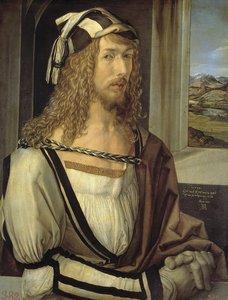
Albrecht Dürer

He did not merely observe the surface of things; he applied a rigorous, analytical approach to the way light falls upon a limb or how a body occupies space. He took the meticulous, sharp-edged precision of the Northern European tradition and infused it with the grace and harmonious composition he encountered in Italy. Even in his later years, his curiosity remained active, leading him through the Netherlands between 1520 and 1521.

Where to see In London, the British Museum holds a vast assembly of sixty-seven of his works, offering a deep look into the precision of his vision.

Pupil of Michael Wolgemut #43 · Teacher of Hans Baldung Grien #11

Signature works · The 100 signature works

2of 84

Hieronymus Bosch

Born in 's-Hertogenbosch Wikipedia in 32/32 languages

Hieronymus Bosch

He does not seek the smooth, invisible surface favored by many of his contemporaries. Through the precise use of glazing—layering thin, translucent washes of color—he achieves a sense of luminous depth and intricate texture. Pieter Bruegel the Elder emerges as his most significant follower, adopting and expanding upon the complex compositional structures and moralizing themes that Bosch pioneered.

Where to see The weight of Bosch's legacy is concentrated heavily in Madrid.

Signature works · The 100 signature works

3of 84

Pieter Brueghel the Elder

Flemish Born in Breda Northern Renaissance Wikipedia in 32/32 languages

Pieter Brueghel the Elder

His path into the arts began around 1545 when he entered the workshop of Pieter Coecke van Aelst. Between 1551 and 1552, he was admitted as a free master into the Guild of Saint Luke in Antwerp. By 1552, he had reached Rome and even traveled as far south as Reggio Calabria.

Where to see In Vienna, the Kunsthistorisches Museum holds a vast assembly of his creations, preserving many of the scenes that once filled the halls of the powerful.

Pupil of Pieter Coecke van Aelst #25

Signature works · The 100 signature works

4of 84

Hans Holbein the Younger

German Born in Augsburg Northern Renaissance Wikipedia in 29/32 languages

Hans Holbein the Younger

Holbein’s work operates through a Northern Renaissance style that prioritizes a hyper-realistic clarity. He did not rely on vague impressions; instead, he used oil paint to achieve vivid colors and a level of precise detail that makes the subjects feel immediate. Through his brush, we see the faces and the intellectual weight of the humanists who shaped European thought, such as Desiderius Erasmus and Thomas More.

Where to see The National Gallery in London maintains a significant presence of his output, providing a direct link to the Tudor era through several of his portraits.

Signature works · The 100 signature works

5of 84

Lucas Cranach the Elder

German Born in Kronach German Renaissance Wikipedia in 31/32 languages

Lucas Cranach the Elder

Collaborative Workshop Production: A method that ensured his stylistic hallmarks were perpetuated by his successors.

Teacher of Lucas Cranach the Younger #20

Signature works · The 100 signature works

6of 84

Matthias Grünewald

German Born in Würzburg German Renaissance, Late Gothic Wikipedia in 29/32 languages

Matthias Grünewald

The year 1515 marks a peak of expressive power. In the hospital chapel of the Monastery of St Anthony in Isenheim, Alsace, a massive polyptych is being realized.

Signature works · The 100 signature works

7of 84

Pieter Brueghel The Younger

Flemish Born in Brussels Dutch Golden Age Wikipedia in 27/32 languages

Pieter Brueghel The Younger

He acted as a vital bridge between the late Renaissance and the burgeoning Flemish Baroque, maintaining the integrity of his father's humanist traditions while adapting to the commercial demands of a growing export market. Ultimately, the legacy of Brueghel the Younger is one of continuity and expansion. Born in Brussels around 1564, his life was inextricably woven into the very fabric of the Northern Renaissance.

Signature works · The 100 signature works

8of 84

Albrecht Altdorfer

German Born in Regensburg Danube School, Renaissance Wikipedia in 28/32 languages

Albrecht Altdorfer

A transformative journey down the Danube River and into the Alps around 1511 proved crucial to his artistic development. His work, like “ The Large Spruce,” exemplifies this shift, offering a serene and intricate depiction of nature's beauty. His collaboration with Emperor Maximilian I in Innsbruck from 1513 further expanded his artistic horizons and provided opportunities for large-scale projects.

Signature works · The 100 signature works

9of 84

Hugo van der Goes

Flemish Born in Ghent Early Netherlandish painting Wikipedia in 25/32 languages

Hugo van der Goes

Van der Goes’s artistic signature lies in his ability to infuse religious scenes with a startling sense of immediacy and emotional weight. His use of color was deliberate and often somber, creating a sense of gravity and spiritual intensity. Perhaps Van der Goes’s most celebrated work is the Portinari Altarpiece, commissioned by Tommaso Portinari, an Italian banker residing in Bruges.

Teacher of Juan de Flandes #36

Signature works · The 100 signature works

10of 84

Quinten Metsys

Flemish Born in Leuven Antwerp School Wikipedia in 23/32 languages

Quinten Metsys

His influence can be traced through the evolution of Northern European art, as he paved the way for a more expressive, observational style that embraced the complexities of the modernizing world. His legacy is preserved in the enduring power of his imagery: Technical Innovation: The seamless integration of metalworking-inspired precision with the fluid grace of Renaissance oil painting. The Antwerp School: Establishing a lasting artistic movement that prioritized both realism and moral narrative.

Pupil of Dieric Bouts #19

Signature works · The 100 signature works

11of 84

Hans Baldung Grien

German Born in Schwäbisch Gmünd Renaissance, Mannerism Wikipedia in 25/32 languages

Hans Baldung Grien

However, while deeply influenced by Dürer —evident in early works showcasing precise draftsmanship and Northern realism —Baldung quickly began to forge his own artistic identity. His time in Venice, overseeing Dürer’s affairs, also exposed him to the burgeoning Italian Renaissance art scene, broadening his artistic horizons and subtly influencing his palette and compositional choices. His early training commenced around 1500 in the Upper Rhineland with an artist from Strasbourg, laying the groundwork for his technical skills before he sought out more prominent masters to hone his craft.

Pupil of Albrecht Dürer #1

Signature works · The 100 signature works

12of 84

Jan Gossaert

Flemish Born in Maubeuge Romanist Painting Wikipedia in 23/32 languages

Jan Gossaert

In the shifting landscape of the early sixteenth century, few artists bridged the gap between the meticulous traditions of the North and the burgeoning humanism of the South as masterfully as Jan Gossaert.

Signature works · The 100 signature works

14of 84

Gerard David

Netherlandish Born in Oudewater Early Netherlandish painting Wikipedia in 22/32 languages

Gerard David

It is believed he spent time in Haarlem absorbing these lessons before relocating to Bruges, a vibrant hub of artistic exchange attracting talent from across Europe. Here, David encountered the masterpieces of Jan van Eyck, Rogier van der Weyden, and Hans Memling, absorbing their techniques while forging his own distinct path. Early works reveal a clear debt to painters like Jacob Janszoon, Dieric Bouts, and Geertgen tot Sint Jans – masters who instilled in him a meticulous attention to detail and a sensitivity to religious narrative.

Signature works · The 100 signature works

15of 84

Nicholas Hilliard

English Born in Exeter Elizabethan miniaturist Wikipedia in 19/32 languages

Nicholas Hilliard

The establishment of a workshop with his younger brother John marked the beginning of Hilliard's professional life, further cemented by his marriage to Alice Brandon, daughter of his former master, in 1576. Despite facing ongoing financial difficulties throughout his career, Hilliard continued to work until his death before January 7, 1619.

Signature works · The 100 signature works

16of 84

Michael Pacher

Tyrolean Born in Pfalzen Renaissance & Gothic Wikipedia in 18/32 languages

Michael Pacher

Wolfgang Altarpiece, Pacher demonstrated his unique synthesis of art forms in works like the Altarpiece of the Church Fathers, completed around 1483 for Neustift Monastery. The monumental figures of the Church Fathers seem to emerge from their niches, imbued with a palpable sense of presence. By 1467, Pacher had established a thriving workshop in Bruneck, becoming a prominent figure in the Tyrolean art scene.

Signature works · The 100 signature works

17of 84

Konrad Witz

German Born in Rottweil Late Gothic Realism Wikipedia in 18/32 languages

Konrad Witz

Technical Mastery: The seamless blending of late Gothic decorative elegance with early Renaissance naturalism and light manipulation. Emotional Depth: A shift toward more humanized, expressive depictions of biblical figures, fostering a deeper emotional connection with the viewer. In the shifting landscape of fifteenth-century European art, few figures cast as long a shadow over the transition from Gothic tradition to Renaissance naturalism as Konrad Witz.

Signature works · The 100 signature works

18of 84

Jean Fouquet

French Born in Tours Early Renaissance Wikipedia in 24/32 languages

Jean Fouquet

Jean Fouquet's historical significance lies in his ability to synthesize disparate artistic influences into a cohesive and uniquely French style. He laid the groundwork for subsequent generations of artists, establishing a new aesthetic that blended Gothic refinement with Renaissance naturalism.

Signature works · The 100 signature works

19of 84

Dieric Bouts

Dutch Born in Haarlem Early Netherlandish Wikipedia in 22/32 languages

Dieric Bouts

This work shows Christ performing the consecration of the Eucharistic host, with four servants dressed in Flemish attire. His other known works include the Justice Panels, which depict the life of the Holy Roman Emperor Otto III, and various devotional panels, such as the Virgin and Child.

Teacher of Quinten Metsys #10

Signature works · The 100 signature works

20of 84

Lucas Cranach the Younger

German Born in Lutherstadt Wittenberg Renaissance painting Wikipedia in 25/32 languages

Lucas Cranach the Younger

Born in 1515 in Kronach, Bavaria, he was destined to inherit more than just a name; he inherited a monumental artistic legacy. As the son of the legendary Lucas Cranach the Elder, the younger Cranach stepped into a world where art and ideology were inextricably linked.

Pupil of Lucas Cranach the Elder #5

Signature works · The 100 signature works

21of 84

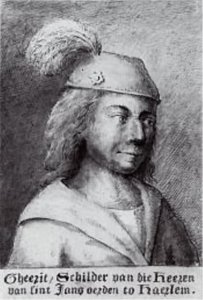
Geertgen tot Sint Jans

Dutch Born in Leiden Early Netherlandish painting Wikipedia in 20/32 languages

Geertgen tot Sint Jans

Unlike many of his contemporaries who used landscapes merely as backdrops, Geertgen’s settings are imbued with symbolic meaning and contribute significantly to the overall emotional impact of the work. This technique is particularly evident in The Nativity at Night, where darkness envelops the scene, punctuated by the radiant glow emanating from the infant Christ. These panels— The Legend of Saint John the Baptist and The Lamentation of Christ —now reside in Vienna’s Kunsthistorisches Museum, their separation from the original structure a poignant reminder of art's vulnerability to historical forces.

Signature works · The 100 signature works

24of 84

Frans Floris

Flemish Born in Antwerp Romanism Wikipedia in 19/32 languages

Frans Floris

Known to history as Frans Floris the Elder, this Flemish Renaissance pioneer acted as a vital bridge between the Northern traditions of his homeland and the monumental grandeur of the Italian High Renaissance.

Signature works · The 100 signature works

25of 84

Pieter Coecke van Aelst

Flemish Born in Aalst Northern Renaissance Wikipedia in 20/32 languages

Pieter Coecke van Aelst

He produced religious paintings that skillfully blended the meticulous realism characteristic of Flemish painting with the emerging Renaissance emphasis on classical composition and anatomical accuracy. This led him to undertake translations of key Italian architectural treatises – works by Serlio and Vitruvius, among others – into Dutch, French, and German. Pieter Coecke van Aelst, born in Aalst, Belgium, in 1502, stands as a fascinating embodiment of the Northern Renaissance’s intellectual ferment.

Pupil of Bernard Van Orley #47 · Teacher of Pieter Brueghel the Elder #3

Signature works · The 100 signature works

26of 84

Hans Holbein The Elder

Born in Augsburg Renaissance portraiture Wikipedia in 19/32 languages

Hans Holbein The Elder

He initially sought patronage from Sir Thomas More, a prominent humanist scholar and statesman. This connection led to commissions from other members of the English court, including Henry VIII and various nobles. His influence can be seen in the works of later artists, including Rembrandt and Van Dyck, who admired his mastery of light and shadow and his ability to convey personality through portraiture.

Signature works · The 100 signature works

27of 84

Joachim Patinir

Flemish Born in Bouvignes-sur-Meuse Renaissance Landscape Wikipedia in 18/32 languages

Joachim Patinir

Patinir absorbed Bosch's penchant for imaginative landscapes populated with peculiar creatures and symbolic motifs, but he steered away from the moralizing allegories that characterized Bosch’s work. A journey to Genoa in 1511 alongside David and Adrien Ysenbrandt likely broadened his artistic horizons, exposing him to different visual traditions and further refining his observational skills.

Signature works · The 100 signature works

28of 84

Petrus Christus

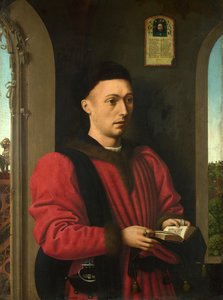
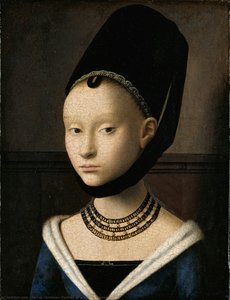
Belgian Born in Baarle-Hertog Early Netherlandish Art

Petrus Christus

Following the death of Jan van Eyck in 1441, Christus stepped into a void, becoming one of the most sought-after artists in Bruges. He absorbed influences from Rogier van der Weyden as well, particularly in his ability to convey emotional depth and spiritual intensity. He bridged the gap between the International Gothic style and the more naturalistic tendencies of the 15th century, paving the way for artists like Hans Memling and Hugo van der Goes.

Signature works · The 100 signature works

29of 84

Jan van Scorel

Dutch Born in Schoorl Romanist, Renaissance Wikipedia in 20/32 languages

Jan van Scorel

key aspects of van scorel's style: blending of italian and dutch influences. use of romanist styles in netherlandish painting. collaborations with prominent artists of the time. van scorel's work is a testament to the cultural exchange and artistic innovation of the renaissance period. his legacy continues to inspire art enthusiasts and scholars alike.

Pupil of Jacob Cornelisz van Oostsanen #56, Jan Gossaert #12 · Teacher of Maarten Van Heemskerck #50

Signature works · The 100 signature works

30of 84

Hans The Elder Holbein

German Born in Augsburg Northern Renaissance

Hans The Elder Holbein

He didn’t abandon the meticulous detail and precise draftsmanship characteristic of the late Gothic period; instead, he infused it with the humanist ideals sweeping across Europe from Italy. The opportunity to own a handmade oil painting reproduction of masterpieces such as Ambassadors (by the Younger Holbein) alongside explorations of the Elder’s contributions provides a richer understanding of the artistic lineage and the evolution of Renaissance portraiture.

Signature works · The 100 signature works

31of 84

Joos van Cleve

Flemish Born in Kleve Renaissance Mannerism Wikipedia in 17/32 languages

Joos van Cleve

Compositional Innovation: The integration of vast, panoramic landscapes that expanded the narrative scope of religious and secular painting. Cultural Synthesis: The successful marriage of Northern European precision with the grace and movement of the Italian Renaissance. His career, which flourished from approximately 1511 until his death in 1540, represents a profound moment in art history where the meticulous, detailed traditions of the Netherlandish masters met the sweeping, atmospheric innovations flowing from the Italian Renaissance.

Signature works · The 100 signature works

32of 84

Maerten Van Heemskerck

Dutch Mannerism

Maerten Van Heemskerck

the donor and saint mary magdalene (view at AllPaintingsStore). the virgin and saint john the evangelist (view at AllPaintingsStore). samson shattering the pillars of the temple, maarten van heemskerck (view at AllPaintingsStore).

Signature works · The 100 signature works

33of 84

Dierec Bouts

Flemish Early Netherlandish

Dierec Bouts

In the vibrant, bustling landscape of the fifteenth-century Netherlands, where the works of Jan van Eyck and Rogier van der Weyden dazzled with their dramatic flair and technical virtuosity, there existed a different kind of mastery. While he inherited the Northern Renaissance's obsession with realism, he departed from the overt emotionalism of his peers. Though he may lack the flamboyant reputation of Van Eyck, Bouts remains an indispensable figure in the study of Northern Renaissance art.

Signature works · The 100 signature works

34of 84

Joachim Beuckelaer

Flemish Born in Antwerp Renaissance art Wikipedia in 16/32 languages

Joachim Beuckelaer

Antwerp during the 16th century was a vibrant hub of commerce and culture, and Beuckelaer’s art reflects this energy. Artists like Frans Snyders, known for his lavish and elaborate displays of food, directly built upon the foundations laid by Beuckelaer.

Signature works · The 100 signature works

35of 84

Hans Burgkmair the Elder

German Born in Augsburg Italian Renaissance Wikipedia in 20/32 languages

Hans Burgkmair the Elder

Burgkmair’s artistic style is a fascinating blend of Northern European tradition and Italian Renaissance ideals. His son, Hans Burgkmair the Younger, continued his father’s legacy, collaborating on the “Turnierbuch,” a lavish illustrated tournament book.

Signature works · The 100 signature works

36of 84

Juan de Flandes

Dutch Born in Ghent Early Netherlandish Wikipedia in 16/32 languages

Juan de Flandes

Spanish Grandeur: A sense of monumental stillness and a dignified, somber atmosphere that reflects the religious fervor of the Spanish court.

Signature works · The 100 signature works

37of 84

Pieter Pourbus

Italian Born in Gouda Mannerism Wikipedia in 15/32 languages

Pieter Pourbus

What distinguishes Patinir from his contemporaries is his radical reimagining of the landscape. Elevation and Perspective: Patinir’s use of aerial perspective – employing lighter tones and softer details to depict objects in the distance – is particularly noteworthy. His innovative use of aerial perspective, panoramic compositions, and symbolic elements paved the way for subsequent generations of landscape artists – including Pieter Bruegel the Elder – who would continue to develop and refine his techniques.

Signature works · The 100 signature works

38of 84

Jean Hey

Early Netherlandish Wikipedia in 14/32 languages

Jean Hey

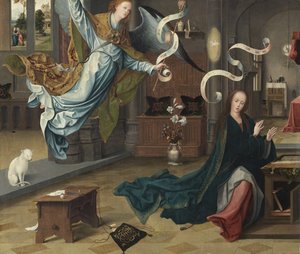
In works such as The Annunciation and Meeting at the Golden Gate, one observes a dramatic use of lighting that predates many later Renaissance developments, lending a sense of theatricality to sacred moments.

Signature works · The 100 signature works

39of 84

Simon Bening

Flemish Born in Ghent Netherlandish tradition Wikipedia in 14/32 languages

Simon Bening

His Book of Hours serves as a prime example of this devotional artistry, where each page acts as a prayerful jewel intended to remind the faithful of the omnipresence of the divine.

Signature works · The 100 signature works

40of 84

Jan Sanders van Hemessen

Flemish Born in Hemiksem Romanist School Wikipedia in 15/32 languages

Jan Sanders van Hemessen

Jan Sanders van Hemessen (c. 1500 – c. 1566) stands as a pivotal figure in the history of Flemish Renaissance art, particularly recognized for his groundbreaking contributions to genre painting and his masterful depiction of moralizing scenes imbued with remarkable contemporary detail. Furthermore, his engagement with Mannerist aesthetics—characterized by stylized forms and dramatic contrasts—anticipated stylistic developments that would propel Flemish art into a new era of expressive dynamism.

Signature works · The 100 signature works

41of 84

Cornelis Engebrechtsz

Italian Renaissance Born in Leiden Early Renaissance Wikipedia in 16/32 languages

Cornelis Engebrechtsz

Born in Florence in 1462, Piero di Lorenzo, later known as Piero di Cosimo, stands as a singular figure within the Italian Renaissance. This immersion within the Vatican's artistic heart exposed Piero to the groundbreaking works of Sandro Botticelli and Domenico Ghirlandaio, whose vibrant colors and dynamic compositions would profoundly influence his own evolving style. The Liberation of Andromeda, for example, showcases a masterful command of sfumato—the subtle blending of light and shadow pioneered by Leonardo da Vinci —creating an atmospheric depth previously unseen in Italian painting.

Teacher of Aertgen van Leyden #72

Signature works · The 100 signature works

42of 84

Jan Massys

Flemish Born in Antwerp Renaissance

Jan Massys

He skillfully synthesized influences from earlier Flemish masters—Dirk Bouts, Hans Memling, Rogier van der Weyden, and Jan van Eyck —while simultaneously incorporating elements from Italy and other regions of the Low Countries.

Signature works · The 100 signature works

43of 84

Michael Wolgemut

German Born in Nuremberg Late Gothic, Renaissance Wikipedia in 18/32 languages

Michael Wolgemut

Wilhelm Pleydenwurff, Hans’ son, joined the workshop as an assistant and later became a partner, creating a dynamic collaborative environment. His style reveals a clear influence from Flemish masters, suggesting possible travels within Flanders (modern Belgium and surrounding areas). Born around 1434 in the vibrant city of Nuremberg, Germany, Michael Wolgemut emerged as a pivotal figure in the transition from Late Gothic to Renaissance art.

Teacher of Albrecht Dürer #1

Signature works · The 100 signature works

44of 84

Jan Matsys

Flemish Born in Antwerp Renaissance painting Wikipedia in 16/32 languages

Jan Matsys

He established a highly successful workshop, attracting numerous pupils who would go on to become prominent artists themselves – including his daughter, Caterina van Hemessen, a pioneering female painter in her own right. Beyond portraiture, Matsys explored a diverse range of subjects, from religious scenes like The Death of Saint Veronica (1520s) to mythological narratives and genre paintings. His emphasis on realism, psychological depth, and symbolic meaning paved the way for later masters like Hans Holbein the Younger and Pieter Bruegel the Elder.

Signature works · The 100 signature works

45of 84

Wolf Huber

Austrian-German Born in Feldkirch Danube School Wikipedia in 16/32 languages

Wolf Huber

As a court painter to the Duke of Bavaria, Ernst, Huber occupied a position of significant prestige, further cementing his role as a pillar of the German-Austrian artistic community.

Signature works · The 100 signature works

46of 84

Marcus Gheeraerts the Elder

Flemish Born in Bruges Renaissance printmaking Wikipedia in 10/32 languages

Marcus Gheeraerts the Elder

Marcus Gheeraerts the Elder, born in Bruges, Flanders, in 1521, was a figure inextricably linked to the turbulent religious and political landscape of 16th-century Europe. Initially trained in the Flemish style—a world steeped in meticulous detail and Northern Renaissance realism —Gheeraerts found his path dramatically altered by the escalating religious persecutions under Spanish rule. Gheeraerts' style reveals a clear debt to Pieter Bruegel the Elder, particularly in his depictions of everyday life and landscapes.

Signature works · The 100 signature works

47of 84

Bernard Van Orley

Born in Brussels Wikipedia in 17/32 languages

Bernard Van Orley

His figures possess a sculptural quality reminiscent of Italian art, yet they are often set within richly detailed interiors or landscapes that evoke the Flemish tradition. His use of color, though influenced by Italian palettes, remained distinctly Flemish – characterized by rich jewel tones and subtle gradations. He quickly gained recognition within Brussels' Guild of Saint Luke in 1507, signaling his professional establishment.

Teacher of Pieter Coecke van Aelst #25

Signature works · The 100 signature works

48of 84

Bernaert Van Orley

Belgian Born in Brussels Northern Renaissance, Romanism

Bernaert Van Orley

The historical significance of Bernaert van Orley lies in his role as a bridge between eras and traditions. Cultural Leadership: His role as a central figure in the Brussels art scene and a trusted artist for the Habsburg court.

Signature works · The 100 signature works

49of 84

Marinus Van Reymerswaele

Dutch Born in Reimerswaal Northern Renaissance Wikipedia in 12/32 languages

Marinus Van Reymerswaele

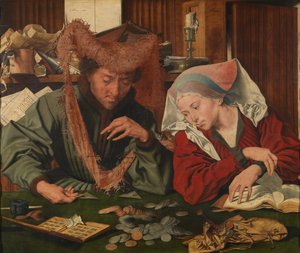
The stylistic development of Marinus van Reymerswaele shows the profound influence of the Antwerp painter Quentin Matsys. While he worked extensively in Antwerp, his journey eventually led him back to the Northern Netherlands. After working in Antwerp until at least 1540, he moved to Goes, where his life reached its conclusion.

Signature works · The 100 signature works

50of 84

Maarten Van Heemskerck

Born in Heemskerk Wikipedia in 18/32 languages

Maarten Van Heemskerck

Unlike the delicate allegories favored by some contemporaries, van Heemskerck’s myths possess a raw energy and psychological intensity. These works reveal a growing sense of spiritual fervor, influenced by the rising tide of Protestantism in the Netherlands. Maarten van Heemskerck died in 1574 leaving behind a substantial body of work that continues to captivate and inspire.

Pupil of Jan van Scorel #29

Signature works · The 100 signature works

51of 84

Justus van Gent

Netherlandish Born in Ghent Early Netherlandish Wikipedia in 18/32 languages

Justus van Gent

The portraits he created for Federico da Montefeltro, in particular, served as a model for later portraitists, influencing the development of Renaissance portraiture throughout Europe.

Signature works · The 100 signature works

52of 84

Jan Provoost

Flemish Born in Mons Flemish Primitive Wikipedia in 14/32 languages

Jan Provoost

To gaze upon a work by Jan Provoost is to enter a world where every shadow holds a secret and every color tells a story. Beyond his devotional works, Provoost’s ability to navigate complex allegorical themes is evident in masterpieces such as Allegory of Christianity. In the vibrant tapestry of the Northern Renaissance, few figures weave together the threads of art, science, and intellect as masterfully as Jan Provoost.

Signature works · The 100 signature works

54of 84

Dieric Bouts the Younger

Flemish Born in Leuven Early Netherlandish painting

Dieric Bouts the Younger

He employed a single vanishing point, a technique borrowed from Italian Renaissance artists, to create a sense of depth and realism previously unseen in Northern painting. Beyond The Last Supper, Bouts's artistic output encompassed a diverse range of subjects—from devotional panels depicting the Virgin and Child to imposing justice panels commissioned for Leuven’s town hall. While not possessing the effortless grace of Van der Weyden or the meticulous realism of Jan van Eyck, Bouts compensated with an exceptional eye for detail and a masterful command of color.

Signature works · The 100 signature works

55of 84

Bernhard Strigel

German Born in Memmingen Swabian School Wikipedia in 10/32 languages

Bernhard Strigel

His artistic achievements can be summarized through several key pillars of his career: The Synthesis of Styles: Successfully merging the meticulous detail of the Ulm school with the burgeoning naturalism of the Renaissance. In the heart of the Swabian landscape, during a period when the medieval world was beginning to yield to the dawn of the Renaissance, Bernhard Strigel emerged as a master of light and human presence.

Signature works · The 100 signature works

56of 84

Jacob Cornelisz van Oostsanen

Dutch Born in Oostzaan Early Netherlandish Painting Wikipedia in 14/32 languages

Jacob Cornelisz van Oostsanen

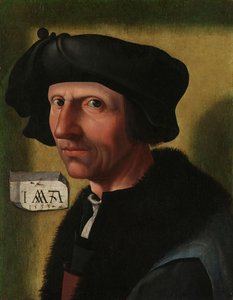
He purchased two adjacent houses on Kalverstraat, establishing himself as one of the city's foremost artists and securing a stable environment for his family. This move coincided with a period of considerable urban growth and cultural dynamism—Amsterdam was rapidly transforming into a cosmopolitan center attracting artisans and intellectuals from across Europe. Jacob Cornelisz van Oostsanen’s contribution to the history of art is undeniable—he represents the final bastion of Flemish painters resisting Italian stylistic influences.

Teacher of Jan van Scorel #29

Signature works · The 100 signature works

57of 84

Bartholomaeus Bruyn the Elder

German Born in Wesel Renaissance Art Wikipedia in 11/32 languages

Bartholomaeus Bruyn the Elder

His meticulous technique and expressive portraits continue to inspire admiration among art historians, cementing his position as a pivotal artist of the German Renaissance.

Signature works · The 100 signature works

58of 84

Jan Mostaert

Dutch Born in Haarlem Dutch Renaissance Wikipedia in 15/32 languages

Jan Mostaert

Karel van Mander suggests an apprenticeship under Jacob van Haarlem, potentially linking him to the anonymous Master of the Brunswick Diptych – a connection that would explain certain stylistic affinities evident in his early works. He possessed an innate ability to infuse his paintings with a quiet emotional depth, drawing inspiration from the refined style of Geertgen tot Sint Jans. Despite these losses, Jan Mostaert remains a significant figure in Dutch Renaissance art – a skilled craftsman whose paintings offer invaluable insights into the artistic currents and cultural sensibilities of his time.

Signature works · The 100 signature works

59of 84

Christoph Amberger

German Born in Kaufbeuren Renaissance Wikipedia in 15/32 languages

Christoph Amberger

By capturing the likenesses of individuals such as Emperor Charles V and the prominent members of the Fugger dynasty, he provided a window into the power structures of the 16th century.

Signature works · The 100 signature works

60of 84

Hans Wertinger

German Born in Landshut German Renaissance

Hans Wertinger

Panel Paintings: His panel paintings, such as the magnificent “ Crucifixion with Saints and Donor ” (available as a hand-painted reproduction on WahooArt.com), showcase his mastery of color, composition, and perspective. A prime example of Wertinger’s skill is “King Alexander and his physician Philip,” currently housed in the National Gallery in Prague. He inherited the meticulous detail and rich color palette characteristic of German Late Gothic art, while simultaneously embracing elements of perspective and naturalism that were gaining prominence in Italy.

Signature works · The 100 signature works

61of 84

Adriaen Isenbrant

Dutch Born in Haarlem Northern Renaissance

Adriaen Isenbrant

The paintings attributed to him often depict religious subjects—the Seven Sorrows of the Virgin being particularly prominent—and devotional scenes intended for private contemplation. There is speculation that he may have travelled to Genoa in 1511 alongside Joachim Patinir and Gerard David, potentially exposing him to Italian artistic currents, though the extent of this influence remains unclear. However, unlike David’s increasingly refined and expressive approach, Isenbrant’s work – as it is tentatively identified – tends towards a more conservative aesthetic rooted in the traditions of Early Netherlandish painting.

Signature works · The 100 signature works

62of 84

Tobias Verhaecht

Flemish Born in Antwerp Mannerist world landscape Wikipedia in 11/32 languages

Tobias Verhaecht

The lineage of Verhaecht’s influence extended through many pupils, including Willem van Haecht, Jacques Backereel, and Martin Ryckaert, ensuring that his stylistic fingerprints were pressed upon the next generation of Flemish masters.

Signature works · The 100 signature works

63of 84

Barthel Beham

German Born in Nuremberg Little Masters Wikipedia in 14/32 languages

Barthel Beham

He prioritized capturing subtle nuances of expression and anatomical accuracy—a hallmark of Dürer's influence. Consider his depiction of Chancellor Leonhard von Eck (1480–1550), a masterpiece showcasing the artist’s ability to convey psychological depth through portraiture.

Signature works · The 100 signature works

64of 84

Herri met de Bles

Born in Bouvignes-sur-Meuse World Goes Pop Wikipedia in 13/32 languages

Herri met de Bles

The impact of his scholarly endeavors can be summarized through several key contributions: Preservation of Ancient Verse: By translating the Anthologia Gnomica, he provided a gateway for Renaissance thinkers to engage with Greek poetic traditions.

Signature works · The 100 signature works

65of 84

Jan Cornelisz Vermeyen

Dutch Born in Beverwijk Renaissance Wikipedia in 12/32 languages

Jan Cornelisz Vermeyen

He earned prestigious positions within the inner circles of the Habsburg Netherlands, serving as a dedicated portraitist for figures such as Archduchess Margaret of Austria and Mary of Hungary.

Signature works · The 100 signature works

66of 84

Adriaen Isenbrandt

Dutch/Flemish Born in Bruges Northern Renaissance Wikipedia in 13/32 languages

Adriaen Isenbrandt

As the sixteenth century progressed, the influence of the Italian Renaissance began to seep into the Low Countries, and Isenbrandt’s work reflects this subtle transformation. Some scholars even suggest that the sfumato technique, characterized by soft, smoky transitions between colors, may have been introduced to his workshop by the Lombard painter Ambrosius Benson. He stood at the crossroads where the meticulous, symbolic language of the Northern Gothic met the burgeoning humanism of the Renaissance.

Signature works · The 100 signature works

67of 84

Lucas van Valckenborch

Flemish Born in Leuven Dutch Golden Age Landscape Painting Wikipedia in 13/32 languages

Lucas van Valckenborch

Van Valckenborch was primarily known for his landscapes, which often utilized a bird's-eye viewpoint. His work frequently combined real topographical details with imaginary elements, such as rocky landscapes containing ironworks or religious scenes.

Signature works · The 100 signature works

68of 84

Ambrosius Benson

Italian Born in Northern Italy Flemish School Wikipedia in 13/32 languages

Ambrosius Benson

He skillfully incorporated classical motifs into his paintings, often depicting figures in contemporary domestic settings or reimagining mythological narratives within modern dress—a technique that distinguished him from many of his contemporaries. His meticulous brushwork and masterful use of chiaroscuro—the dramatic interplay of light and shadow —were hallmarks of the Flemish tradition, mirroring David’s influence and elevating his compositions to levels of artistic sophistication.

Signature works · The 100 signature works

69of 84

Jehan Bellegambe

Flemish Born in Douai Renaissance Painting Wikipedia in 11/32 languages

Jehan Bellegambe

The Cellier Altarpiece: Commissioned by Jeanne de Boubais for the Cistercian convent of Flines, this multipaneled altarpiece exemplifies Bellegambe’s stylistic prowess. Notable Polyptychs: Several polyptychs attributed to Bellegambe bear witness to his artistic ambition and technical skill, demonstrating his ability to execute large-scale commissions with unwavering artistry. The Last Judgment: The monumental Last Judgment at Saint Petersburg’s Hermitage Museum stands as a powerful testament to Bellegambe's artistic ambition and technical mastery, showcasing his ability to convey complex theological concepts with visual eloquence.

Signature works · The 100 signature works

70of 84

Adriaen Thomasz. Key

Flemish Born in Antwerp Dutch Golden Age Wikipedia in 8/32 languages

Adriaen Thomasz. Key

Originally known simply as Adriaen Thomasz—a patronymic indicating he was the son of Thomas—his early identity was marked by a quiet ascent through the ranks of the Antwerp Guild of Saint Luke.

Signature works · The 100 signature works

71of 84

Hans Muelich

German Born in Munich Renaissance, German Renaissance Wikipedia in 10/32 languages

Hans Muelich

The “Jewel Book of the Duchess Anna of Bavaria” remains a particularly prized example of his work, offering a rare and intimate glimpse into the world of Bavarian royalty in the 16th century.

Signature works · The 100 signature works

72of 84

Aertgen van Leyden

Dutch Born in Leiden Early Netherlandish Wikipedia in 9/32 languages

Aertgen van Leyden

Van Leyden’s artistic journey reveals a fascinating evolution, influenced by a diverse range of masters and contemporary trends. Yet, as he matured, Van Leyden absorbed elements from Jan van Scorel, renowned for his luminous colors and atmospheric effects, and even the more dramatic style of Maarten van Heemskerck, a master of narrative painting. Despite his considerable talent and prolific output, Van Leyden's name has often been overshadowed by that of his more famous brother, Lucas van Leyden.

Pupil of Cornelis Engebrechtsz #41

Signature works · The 100 signature works

73of 84

Hans Maler zu Schwaz

German Born in Ulm Renaissance Portraits Wikipedia in 8/32 languages

Hans Maler zu Schwaz

In the heart of the Renaissance, amidst the bustling mining wealth of the Tyrolean Alps, the brush of Hans Maler zu Schwaz captured more than mere likeness; he immortalized the very essence of power. Born in the historic German city of Ulm around 1480, Maler’s artistic journey was deeply rooted in the prestigious traditions of the Ulm School.

Signature works · The 100 signature works

75of 84

Jan De Beer

Born in Antwerp Antwerp Mannerism Wikipedia in 9/32 languages

Jan De Beer

Though his name fell into obscurity following the end of the sixteenth century, Jan De Beer’s influence endured through the lasting impact of the Antwerp Mannerist style.

Signature works · The 100 signature works

76of 84

Jakob Seisenegger

Austrian Born in Lower Austria Wikipedia in 11/32 languages

Jakob Seisenegger

This specific approach to the full-length format became a standard that later artists, including François Clouet, would adopt. Seisenegger provided the blueprint for how European royalty would be visualized for decades.

Signature works · The 100 signature works

77of 84

Cornelis Massijs

Flemish Born in Antwerp Early Netherlandish Wikipedia in 8/32 languages

Cornelis Massijs

He wasn't merely a follower of his father; he was an innovator who pushed the boundaries of representation, introducing elements of realism, atmospheric perspective, and psychological depth into his work. He laid the groundwork for subsequent generations of landscape painters – including artists like Pieter Bruegel the Elder – who would build upon his innovations and further develop the genre.

Signature works · The 100 signature works

78of 84

Bernard Van Orley

Flemish Born in Brussels Italianizing Flemish Renaissance

Bernard Van Orley

Whether depicting the profound gravity of the Last Judgement or the tender grace of a Virgin and Child, his work consistently radiated a sense of divine order and earthly beauty.

Signature works · The 100 signature works

79of 84

Master of Liesborn

German Rhineland School Wikipedia in 6/32 languages

Master of Liesborn

His technique drew heavily from the Rhineland School and the influence of the Flemish masters, blending a local gravity with a sophisticated northern realism. He placed the Virgin Mary within a double apartment, complete with marble floors and carved wooden benches, making the miraculous feel tangible. Following the suppression of the monastery in 1807, the altarpiece was broken apart and sold for mere thalers to local inhabitants.

Signature works · The 100 signature works

80of 84

Master of the Legend of the Magdalene

Early Netherlandish Wikipedia in 6/32 languages

Master of the Legend of the Magdalene

Yet, within his compositions, one can detect the creeping influence of contemporary shifts, such as the more modern, Italian-inspired innovations introduced by Bernard van Orley. Some works, such as certain depictions of Saint Mary Magdalene, show a repetitive, almost mechanical precision that hints at the use of tracing techniques within the studio.

Signature works · The 100 signature works

81of 84

Adriaen Van Cronenburg

Northern Netherlandish Born in Schagen Portraiture Wikipedia in 4/32 languages

Adriaen Van Cronenburg

This foundation proved crucial as he established himself primarily as a portraitist, catering to the burgeoning merchant class and nobility of Friesland and Groningen. Unlike many artists who gravitated towards bustling urban centers like Amsterdam or Antwerp, van Cronenburg chose to work within these provinces, becoming an integral part of their local artistic communities. Adriaen van Cronenburg continued painting after 1604, though the details of his later life remain scarce.

Signature works · The 100 signature works

82of 84

Master Of Alkmaar

Dutch Born in Netherlands Proto-Renaissance Wikipedia in 8/32 languages

Master Of Alkmaar

Technical Mastery: The integration of Italianate light and shadow with the meticulous, textural realism characteristic of the Netherlandish tradition.

Signature works · The 100 signature works

83of 84

Master Of The Female Half-Lengths

Dutch Northern Renaissance Wikipedia in 9/32 languages

Master Of The Female Half-Lengths

The Master of the Female Half-Lengths, a name bestowed upon a workshop of painters active in the Low Countries during the early sixteenth century, remains one of art history’s most enduring mysteries. Despite extensive scholarly investigation and meticulous stylistic analysis, definitive attribution to a single artist has proven elusive—a fact that only amplifies the fascination surrounding this prolific creator of exquisitely rendered female portraits.

Signature works · The 100 signature works

84of 84

Martin Schongauer

Born in Augsburg

Martin Schongauer

In 1465, Schongauer briefly attended the University of Leipzig, but he soon abandoned academic pursuits to dedicate himself fully to art. He initially trained as a painter under Caspar Isenmann, a local master influenced by Early Netherlandish painting, particularly the work of Rogier van der Weyden.

Signature works · The 100 signature works

Signature works

Signature Northern Renaissance works

  1. Adam and Eve by Albrecht Dürer

    Adam and Eve

    Albrecht Dürer

    1510

  2. The Garden of Earthly Delights by Hieronymus Bosch

    The Garden of Earthly Delights

    Hieronymus Bosch

    1504 · Museo del Prado, Madrid

  3. The Triumph of Death by Pieter Brueghel the Elder

    The Triumph of Death

    Pieter Brueghel the Elder

    1562 · Museo del Prado, Madrid

  4. Double Portrait of Jean de Dinteville and Georges de Selve (also known as The Ambassadors) by Hans Holbein the Younger

    Double Portrait of Jean de Dinteville and Georges de Selve (also known as The Ambassadors)

    Hans Holbein the Younger

    1533 · National Gallery, London

  5. The Crucifixion by Lucas Cranach the Elder

    The Crucifixion

    Lucas Cranach the Elder

    1509 · Städel Museum, Frankfurt

  6. The Mocking of Christ by Matthias Grünewald

    The Mocking of Christ

    Matthias Grünewald

    1503 · Alte Pinakothek, Munich

  7. Stream by Pieter Brueghel The Younger

    Stream

    Pieter Brueghel The Younger

    1638

  8. The Battle of Alexander at Issus by Albrecht Altdorfer

    The Battle of Alexander at Issus

    Albrecht Altdorfer

    1529 · Alte Pinakothek, Munich

A timeline

Northern Renaissance through its signature works

  1. 1430
  2. 1460
  3. 1479
  4. 1498
  5. 1503
  6. 1506
  7. 1509
  8. 1512
  9. 1515
  10. 1519
  11. 1525
  12. 1530
  13. 1536
  14. 1560

Figures

The figures

Every name

List of 84 famous Northern Renaissance painters, every name

  1. 1Albrecht DürerAlbrecht DürerGerman · 1471–1528
  2. 2Hieronymus BoschHieronymus Bosch1450–1516
  3. 3Pieter Brueghel the ElderPieter Brueghel the ElderFlemish · 1525–1569
  4. 4Hans Holbein the YoungerHans Holbein the YoungerGerman · 1497–1543
  5. 5Lucas Cranach the ElderLucas Cranach the ElderGerman · 1472–1553
  6. 6Matthias GrünewaldMatthias GrünewaldGerman · 1480–1528
  7. 7Pieter Brueghel The YoungerPieter Brueghel The YoungerFlemish · 1564–1638
  8. 8Albrecht AltdorferAlbrecht AltdorferGerman · 1480–1538
  9. 9Hugo van der GoesHugo van der GoesFlemish · 1440–1482
  10. 10Quinten MetsysQuinten MetsysFlemish · 1466–1530
  11. 11Hans Baldung GrienHans Baldung GrienGerman · 1485–1545
  12. 12Jan GossaertJan GossaertFlemish · 1478–1532
  13. 13Lucas van LeydenLucas van LeydenDutch · 1494–1533
  14. 14Gerard DavidGerard DavidNetherlandish · 1460–1523
  15. 15Nicholas HilliardNicholas HilliardEnglish · 1547–1619
  16. 16Michael PacherMichael PacherTyrolean · 1435–1498
  17. 17Konrad WitzKonrad WitzGerman · 1400–1445
  18. 18Jean FouquetJean FouquetFrench · 1420–1478
  19. 19Dieric BoutsDieric BoutsDutch · 1415–1475
  20. 20Lucas Cranach the YoungerLucas Cranach the YoungerGerman · 1515–1586
  21. 21Geertgen tot Sint JansGeertgen tot Sint JansDutch · 1460–1490
  22. 22Antonis MorAntonis MorDutch · 1519–1575
  23. 23Joachim PatenierJoachim PatenierFlemish · 1481–1524
  24. 24Frans FlorisFrans FlorisFlemish · 1517–1570
  25. 25Pieter Coecke van AelstPieter Coecke van AelstFlemish · 1502–1550
  26. 26Hans Holbein The ElderHans Holbein The Elder1465–1524
  27. 27Joachim PatinirJoachim PatinirFlemish · 1480–1524
  28. 28Petrus ChristusPetrus ChristusBelgian · 1410–1475
  29. 29Jan van ScorelJan van ScorelDutch · 1495–1562
  30. 30Hans The Elder HolbeinHans The Elder HolbeinGerman · 1497–1543
  31. 31Joos van CleveJoos van CleveFlemish · 1485–1540
  32. 32Maerten Van HeemskerckMaerten Van HeemskerckDutch · 1498–1574
  33. 33Dierec BoutsDierec BoutsFlemish · 1410–1475
  34. 34Joachim BeuckelaerJoachim BeuckelaerFlemish · 1533–1573
  35. 35Hans Burgkmair the ElderHans Burgkmair the ElderGerman · 1473–1531
  36. 36Juan de FlandesJuan de FlandesDutch · 1450–1519
  37. 37Pieter PourbusPieter PourbusItalian · 1523–1584
  38. 38Jean HeyJean Hey1455–1505
  39. 39Simon BeningSimon BeningFlemish · 1483–1561
  40. 40Jan Sanders van HemessenJan Sanders van HemessenFlemish · 1500–1566
  41. 41Cornelis EngebrechtszCornelis EngebrechtszItalian Renaissance · 1468–1533
  42. 42Jan MassysJan MassysFlemish · 1466–1530
  43. 43Michael WolgemutMichael WolgemutGerman · 1434–1519
  44. 44Jan MatsysJan MatsysFlemish · 1509–1575
  45. 45Wolf HuberWolf HuberAustrian-German · 1485–1553
  46. 46Marcus Gheeraerts the ElderMarcus Gheeraerts the ElderFlemish · 1520–1591
  47. 47Bernard Van OrleyBernard Van Orley1488–1541
  48. 48Bernaert Van OrleyBernaert Van OrleyBelgian · 1487–1541
  49. 49Marinus Van ReymerswaeleMarinus Van ReymerswaeleDutch · 1490–1546
  50. 50Maarten Van HeemskerckMaarten Van Heemskerck1498–1574
  51. 51Justus van GentJustus van GentNetherlandish · 1430–1480
  52. 52Jan ProvoostJan ProvoostFlemish · 1465–1529
  53. 53Catarina van HemessenCatarina van HemessenFlemish · 1528–1600
  54. 54Dieric Bouts the YoungerDieric Bouts the YoungerFlemish · 1415–1475
  55. 55Bernhard StrigelBernhard StrigelGerman · 1460–1528
  56. 56Jacob Cornelisz van OostsanenJacob Cornelisz van OostsanenDutch · 1472–1533
  57. 57Bartholomaeus Bruyn the ElderBartholomaeus Bruyn the ElderGerman · 1493–1555
  58. 58Jan MostaertJan MostaertDutch · 1475–1555
  59. 59Christoph AmbergerChristoph AmbergerGerman · 1505–1562
  60. 60Hans WertingerHans WertingerGerman · 1465–1533
  61. 61Adriaen IsenbrantAdriaen IsenbrantDutch · 1490–1551
  62. 62Tobias VerhaechtTobias VerhaechtFlemish · 1561–1631
  63. 63Barthel BehamBarthel BehamGerman · 1502–1540
  64. 64Herri met de BlesHerri met de Bles1510–1555
  65. 65Jan Cornelisz VermeyenJan Cornelisz VermeyenDutch · 1500–1559
  66. 66Adriaen IsenbrandtAdriaen IsenbrandtDutch/Flemish · 1490–1551
  67. 67Lucas van ValckenborchLucas van ValckenborchFlemish · 1535–1597
  68. 68Ambrosius BensonAmbrosius BensonItalian · 1495–1550
  69. 69Jehan BellegambeJehan BellegambeFlemish · 1470–1534
  70. 70Adriaen Thomasz. KeyAdriaen Thomasz. KeyFlemish · 1545–1589
  71. 71Hans MuelichHans MuelichGerman · 1516–1573
  72. 72Aertgen van LeydenAertgen van LeydenDutch · 1498–1564
  73. 73Hans Maler zu SchwazHans Maler zu SchwazGerman · 1480–1530
  74. 74Willem KeyWillem KeyFlemish · 1510–1568
  75. 75Jan De BeerJan De Beer1475–1528
  76. 76Jakob SeiseneggerJakob SeiseneggerAustrian · 1505–1567
  77. 77Cornelis MassijsCornelis MassijsFlemish · 1508–1580
  78. 78Bernard Van OrleyBernard Van OrleyFlemish ·
  79. 79Master of LiesbornMaster of LiesbornGerman · 1450–1495
  80. 80Master of the Legend of the MagdaleneMaster of the Legend of the Magdalene1480–1537
  81. 81Adriaen Van CronenburgAdriaen Van CronenburgNorthern Netherlandish · 1525–1600
  82. 82Master Of AlkmaarMaster Of AlkmaarDutch ·
  83. 83Master Of The Female Half-LengthsMaster Of The Female Half-LengthsDutch ·
  84. 84Martin SchongauerMartin Schongauer1450–1491

Questions

Your questions

Read

Stories on OriginalUniqueArt.com

Other movements

Famous artists of other movements

Other periods

Famous artists across the periods

Famous paintings

Masterpieces that inspire us, by movement

Discover more

More artists to discover