David A Light: Capturing the Soul of Pembrokeshire
David A Light’s art isn't merely a representation of landscapes; it’s an immersion into the very spirit of Southwest Wales, specifically the rugged coastline and evocative valleys of Pembrokeshire. Born and raised amidst this dramatic scenery, Light developed an unparalleled sensitivity to light, texture, and the subtle shifts in mood that define the region. His work transcends simple depiction, aiming instead to evoke a profound emotional response – a feeling of connection to the land, its history, and the enduring rhythms of nature.
Light’s artistic journey began with a formal training in fine art, but his true education unfolded through years spent observing and absorbing the essence of his surroundings. He wasn't simply painting what he saw; he was translating the experience of being *there*, capturing not just the visual elements but also the intangible qualities that imbue Pembrokeshire with its unique character. This dedication to authenticity is evident in every brushstroke, a testament to his deep-seated love for his homeland.
Early Influences and Artistic Development
Light’s artistic development was profoundly shaped by the landscape itself, but also by a lineage steeped in creativity. His father, Len Light, was a pioneering inventor – most famously responsible for the Easiyo yoghurt maker – demonstrating an inventive spirit that permeated the family. More significantly, however, his grandfather, David Cox the Elder, was a celebrated watercolorist known for his romantic depictions of English rural life. This direct connection to a master landscape painter provided a crucial foundation, instilling in Light a deep appreciation for tonal harmony, atmospheric perspective, and the expressive potential of color.
Early influences also extended beyond family history. The Romantic movement, with its emphasis on emotion, individualism, and the sublime beauty of nature, resonated deeply with Light’s artistic sensibilities. Artists like Turner and Constable served as models, demonstrating how to capture not just the outward appearance of a scene but also the emotional impact it could have on the viewer. However, Light's work distinguishes itself through its intensely personal vision, rooted firmly in his own experience of Pembrokeshire.
Technique and Style: A Master of Atmospheric Painting
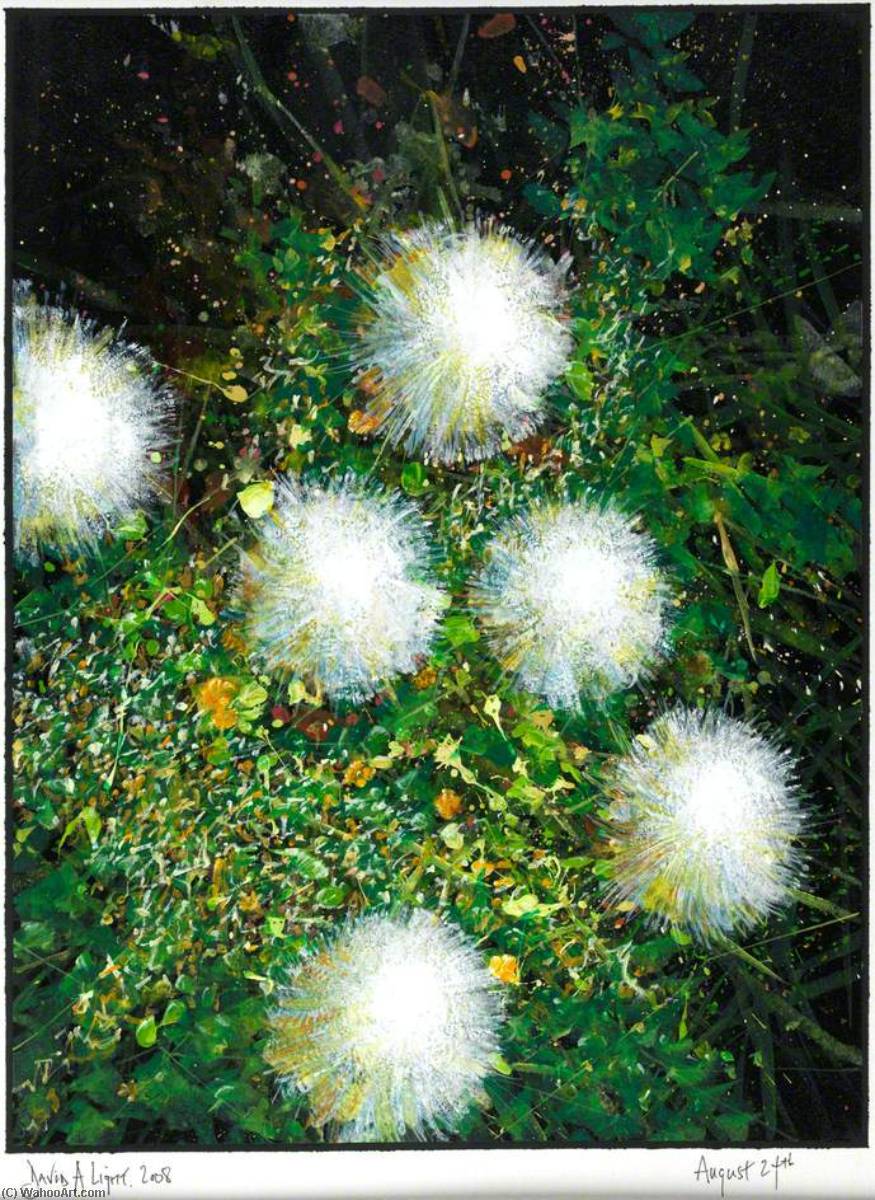
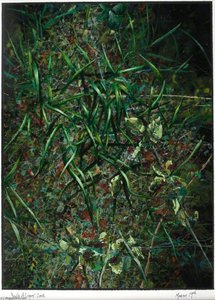
Light’s distinctive style is characterized by a masterful command of atmospheric perspective and an intuitive understanding of light. He employs a layered approach to painting, building up tones gradually to create a sense of depth and luminosity. His use of color is particularly noteworthy – he favors muted, earthy hues that evoke the natural palette of Pembrokeshire, punctuated by flashes of vibrant color to draw attention to key elements within the composition.
A crucial element of his technique involves working *en plein air* (outdoors), directly from observation. This allows him to capture the fleeting effects of light and weather with remarkable immediacy. His digital paintings are not mere copies of these outdoor sessions; they’re carefully considered interpretations, imbued with a sense of spontaneity and emotional resonance. He often utilizes digital tools to enhance his naturalistic approach, subtly manipulating colors and textures to achieve the desired effect.
Themes and Historical Significance
Light's work is fundamentally rooted in themes of place, memory, and the enduring relationship between humanity and nature. His paintings are not simply landscapes; they’re windows into a specific time and place – a reflection on the history, culture, and spirit of Pembrokeshire. He subtly incorporates elements that hint at the region's rich past, from ancient standing stones to medieval ruins, creating a sense of continuity between the present and the distant past.
Furthermore, Light’s art speaks to a broader historical context – the Romantic ideal of the sublime landscape, the rise of tourism in Victorian Britain, and the ongoing struggle to balance economic development with environmental preservation. His paintings serve as a poignant reminder of the beauty and fragility of the natural world, urging viewers to appreciate its value and protect it for future generations. His work is increasingly recognized within contemporary art circles for its evocative power and its ability to transport the viewer to another time and place.
Notable Works and Legacy
Among Light’s most celebrated works are his series depicting Cwm-yr-Eglwys, a dramatic valley in Pembrokeshire, and his evocative portrayals of Newport Beach. These paintings exemplify his mastery of atmospheric perspective and his ability to capture the essence of the region's rugged beauty. His work is exhibited regularly at galleries throughout Wales and beyond, attracting collectors and art enthusiasts alike.
David A Light’s legacy extends far beyond the canvases he has created. He represents a vital link between traditional landscape painting and contemporary artistic practice, demonstrating how to capture the spirit of a place through a deeply personal and emotionally resonant vision. His work serves as an inspiration to artists seeking to connect with their surroundings and express themselves authentically.