A Synthesis of Architecture, Film, and Artistic Vision
Ángel Jové Jové (1940 – 2023) emerged from the historic landscape of Lleida, Spain, as a profoundly multifaceted creator whose career defied the boundaries of single-discipline mastery. His artistic journey was a continuous dialogue between structure and spontaneity, spanning the rigorous precision of architecture, the temporal rhythm of filmmaking, and the expressive freedom of graphic design and painting. Grounded in formal architectural studies at Lleida University, Jové Jové possessed an innate understanding of spatial dynamics and structural integrity. Yet, he refused to be confined by the blueprints of his training, instead using his knowledge of form to explore the more ephemeral realms of visual expression, where the weight of a line or the texture of a surface could convey as much meaning as any physical edifice.
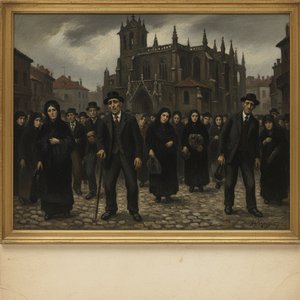
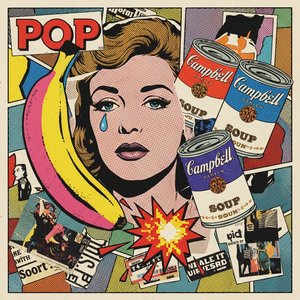
The evolution of his style was deeply intertwined with the shifting cultural tides of mid-century Spain. During the 1960s and 70s, Jové Jové found profound inspiration in the rise of Informalism, a movement that championed the raw power of gesture and the beauty of imperfection. This influence breathed life into his work, encouraging him to prioritize the creative process and emotional resonance over rigid academic perfection. By embracing the rebellious spirit of both Informalism and Pop Art, he developed a visual language that could oscillate between the visceral, textured energy of abstract expression and the striking, communicative clarity required for graphic design. His oeuvre became a remarkable tapestry of sculpture, drawing, painting, and photography, each medium serving as a different lens through which to capture the fleeting essence of human experience.
Design, Typography, and the Art of Communication
Beyond the canvas and the screen, Jové Jové left an indelible mark on the world of visual communication through his sophisticated contributions to publishing. His architectural background provided him with a unique advantage in the realm of graphic design, allowing him to approach book covers and typographic layouts with a keen sense of balance and composition. Through prestigious collaborations with renowned publishing houses such as Tusquets and Anagrama, he demonstrated an extraordinary ability to elevate textual narratives through striking imagery. His work in cover design was never merely decorative; it was an intellectual extension of his art, where every choice of typeface and color served to deepen the reader's engagement with the written word.
The legacy of Ángel Jové Jové is defined by this very refusal to compartmentalize his talents. His significance lies in his ability to weave together disparate threads—the structural, the cinematic, and the graphic—into a cohesive artistic identity. To study his work is to witness a lifelong pursuit of a unified vision, one that celebrates the complexity of modern life through a lens of profound curiosity and technical mastery. His contributions remain a vital part of the Spanish artistic heritage, reminding us that true creativity knows no borders and that the most enduring art often exists at the intersection of many worlds.
Questions & Answers
What other names is Àngel Jové Jové known by?
Àngel Jové Jové appears under the alternate names Àngel Jové, Angel Jove Jove, Angel Jove.
How popular are Àngel Jové Jové's artworks?
The Stats page of Àngel Jové Jové presents statistics computed from the artist's artworks listed on this website.
Where can I see Àngel Jové Jové's artworks in chronological order?
The artist's Artwork Timeline page presents Àngel Jové Jové's works ordered by date, year by year.