A Universal Icon of Modern Anxiety
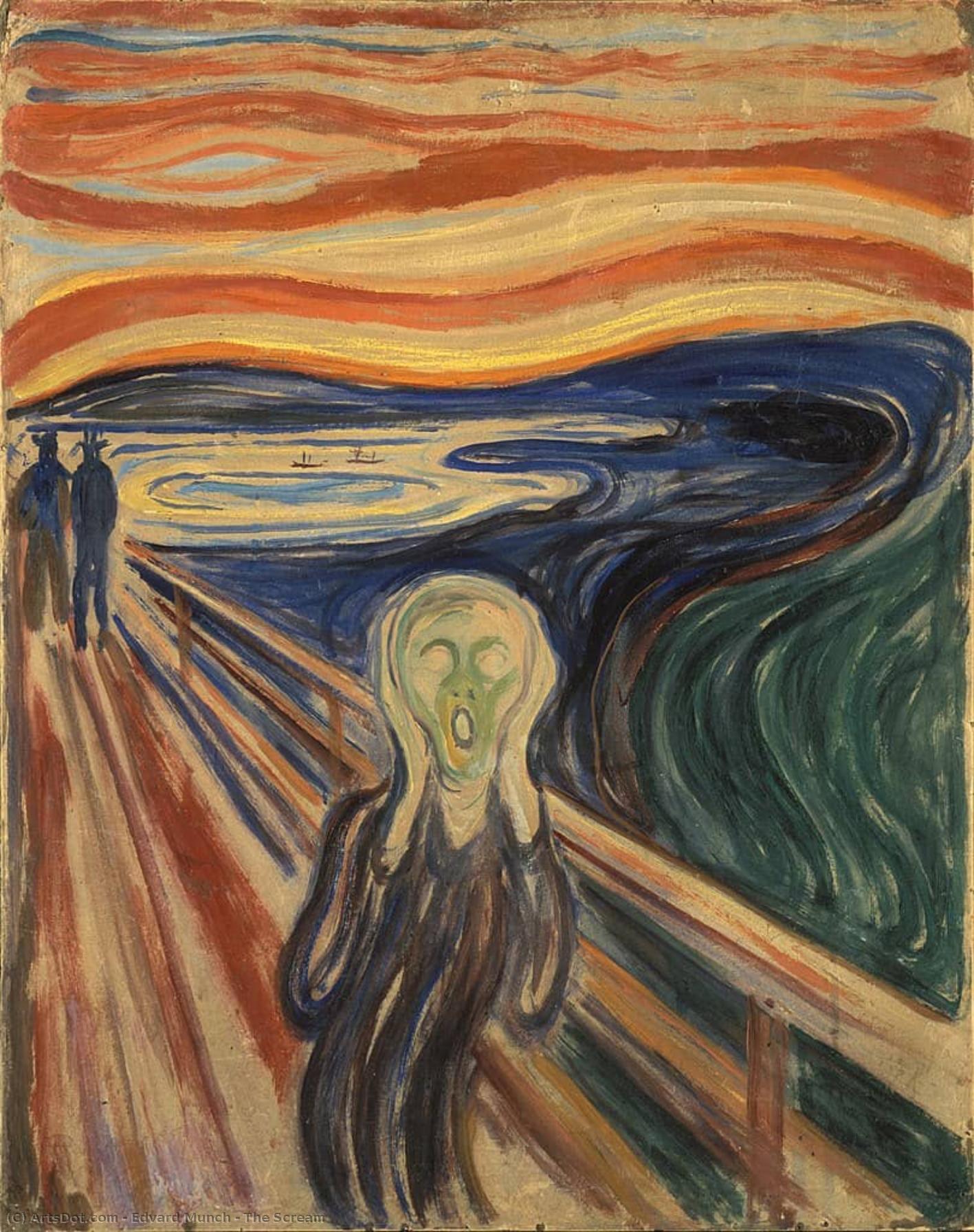
Created in 1893 by Norwegian artist Edvard Munch, this artwork stands as one of the most recognizable and profoundly impactful images in art history. More than a depiction of a scene, it’s a visceral representation of the human condition – a raw expression of existential dread, anxiety, and alienation that continues to resonate with audiences today.
Expressionist Roots & Historical Context
Emerging from the burgeoning Expressionist movement, this piece rejects traditional representational art in favor of conveying inner emotional experience. Late 19th-century Europe was a period of rapid social change, industrialization, and growing philosophical uncertainty. Munch’s work captures this zeitgeist, reflecting a sense of unease and fragmentation that characterized modern life. The painting wasn't born from observing reality but from translating an intensely personal, internal state onto canvas.
Decoding the Composition & Technique
The composition is deliberately unsettling. A gaunt, androgynous figure dominates the foreground, clutching its head in a gesture of anguish, mouth agape in a silent scream. Swirling lines and distorted forms create a sense of chaos and instability. The perspective is flattened, drawing the viewer into the scene’s emotional vortex rather than offering a realistic spatial experience. Munch employed oil paints with broad, visible brushstrokes – often scraped and manipulated – creating a textured surface that amplifies the work's raw, visceral quality. The vibrant yet unsettling color palette—fiery oranges and reds contrasted with cool blues and greens—further intensifies the emotional impact.
Symbolism & Emotional Resonance
The central figure is not simply screaming *at* something; it’s overwhelmed by an internal scream – a profound sense of isolation and despair. The two figures in the background, walking away, symbolize indifference or perhaps the inability to connect with another's suffering. The turbulent sky, often interpreted as reflecting a volcanic sunset (though debated), mirrors the inner turmoil of the central figure. This artwork transcends personal experience; it taps into universal feelings of anxiety, loneliness, and the search for meaning in a chaotic world.
A Timeless Masterpiece for Your Space
This iconic image isn’t merely a historical artifact; it's a powerful statement piece that can add depth and emotional resonance to any interior. Whether displayed in a modern living room, a contemplative study, or a sophisticated gallery wall, this artwork invites introspection and sparks conversation. Owning a high-quality reproduction allows you to experience the enduring power of Munch’s vision and bring a touch of artistic brilliance into your home.