

A Living Tapestry: Piazza Esquilino's Enduring Legacy
Nestled in the vibrant heart of Rome, Piazza Esquilino isn’t merely a square; it’s an immersive experience, a tangible link to centuries of Roman history and a dynamic reflection of modern urban life. Stepping onto its cobblestones is akin to walking through layers of time – from the formidable foundations of ancient fortifications to the bustling energy of a contemporary transit hub. This remarkable space, often referred to as Piazza dei Cinquecento (Square of the Five Hundred), owes its existence to a confluence of strategic necessity and artistic vision, resulting in a unique urban landscape that continues to evolve while honoring its past.
The story begins long before the Renaissance, with the remnants of the Servian Walls – visible today as weathered stone blocks hinting at Rome’s origins. These ancient defenses, built nearly two millennia ago, provided a crucial military barrier and shaped the early development of the area. Over time, the site transformed, absorbing influences from various eras: the 19th century saw significant alterations to accommodate burgeoning transportation needs – a testament to Rome's relentless growth – while the 20th and 21st centuries have witnessed a renewed commitment to pedestrianization and accessibility, culminating in the ongoing preparations for the 2025 Jubilee. The square’s current layout is a carefully orchestrated blend of functionality and historical awareness, seamlessly integrating Roma Termini railway station, Rome's primary transportation gateway, with open public spaces designed for community interaction.
- Ancient Roots: The presence of the agger (a raised earthwork supporting the Servian Walls) is a powerful reminder of Rome’s military past.
- 19th & 20th Century Transformations: Major infrastructural changes adapted to the city's expanding needs, including the creation of bus stops and pedestrian zones.
- The Jubilee Preparations: Ongoing renovations are enhancing the square’s appeal for pilgrims and tourists alike.
A Meeting Place Through Time: Santa Maria Maggiore & The Esquilino Rione
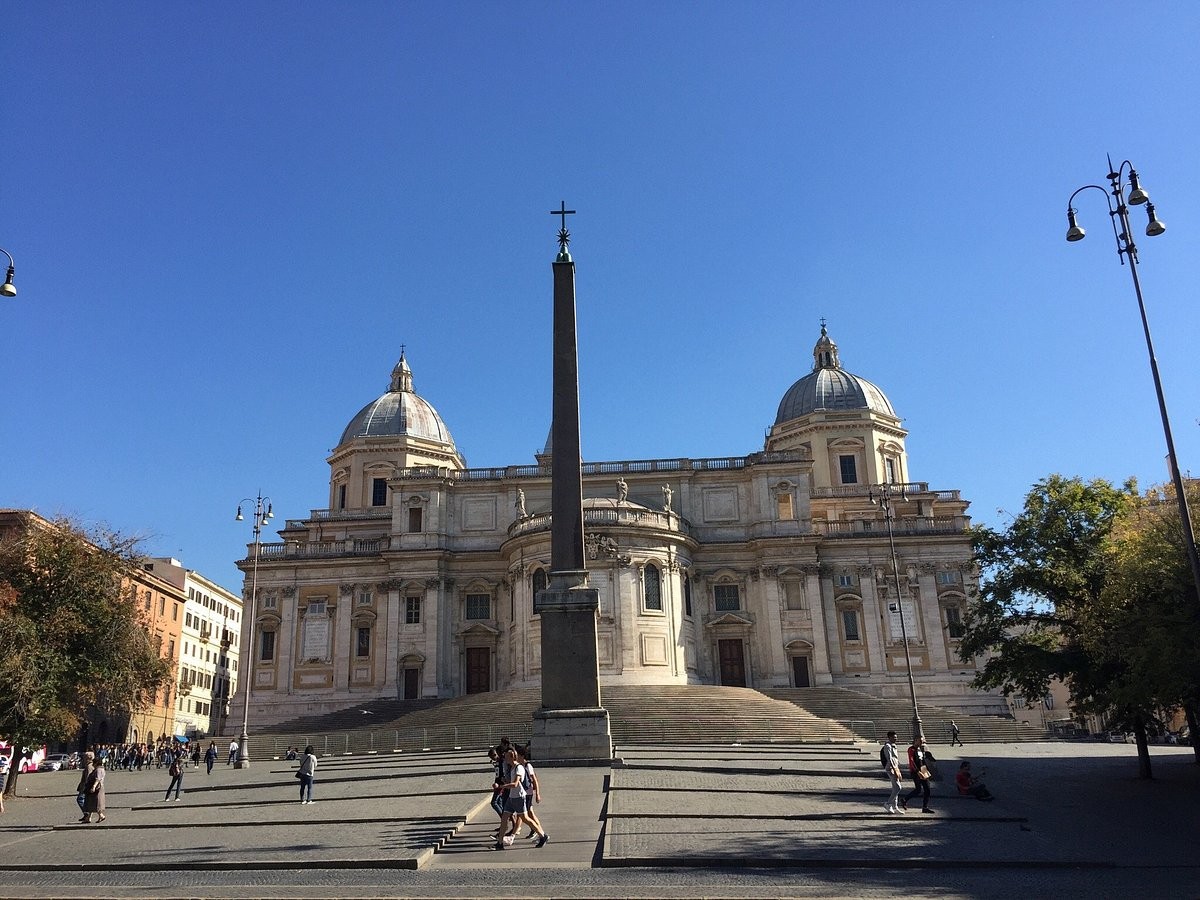
Piazza Esquilino's significance is inextricably linked to its proximity to the Basilica of Santa Maria Maggiore, one of Rome’s four major basilicas. This magnificent church, renowned for its breathtaking mosaics and profound religious importance, draws pilgrims from across the globe. The square itself serves as a vital access point, offering visitors an effortless opportunity to combine exploration of the basilica with immersion in the vibrant atmosphere of Esquilino. The entire rione (district) of Esquilino is a fascinating microcosm of Rome’s multiculturalism, characterized by its large immigrant communities from Asia and North Africa – a testament to the city's long history as a crossroads of civilizations.
The Esquilino rione, historically situated on the edge of the ancient city, has undergone significant transformations throughout its history. Initially a landfill and cemetery, it was gradually integrated into Rome’s urban fabric during the Imperial era, becoming a favored residential area for wealthy Romans. Even in the modern era, the area retains an air of authenticity, offering a glimpse into the everyday lives of Roman residents and visitors alike.
A Hub of Movement & Modernity
Beyond its historical layers, Piazza Esquilino is undeniably a dynamic transportation hub. The square pulsates with the energy of buses, trams, and metro lines converging to serve Rome’s vast network. This constant flow of people creates an ever-changing tableau – a vibrant snapshot of urban life unfolding in real time. The recent renovations have prioritized pedestrian spaces, creating inviting areas for relaxation and social interaction while optimizing bus stops for efficiency.
The area is also home to the Roma Termini railway station, one of Europe’s busiest train stations, further solidifying Piazza Esquilino's role as a crucial gateway to Rome. This intersection of transportation and urban life contributes significantly to the square’s unique character, making it a focal point for both locals and tourists.
A Legacy in Progress: Architectural Details & Ongoing Evolution
The architecture surrounding Piazza Esquilino reflects its layered history. The grand palazzi lining the perimeter boast impressive 19th-century facades, showcasing the city’s commitment to neoclassical design. Notably, Piazza Vittorio Emanuele II, adjacent to Piazza Esquilino, is a prime example of this style, with its expansive layout and monumental scale. The Porta Alchemica, a remnant of Villa Palombara, adds an intriguing element of historical mystery – a tangible link to Rome’s past as a center for alchemy and scientific experimentation.
The ongoing renovations leading up to the 2025 Jubilee are not merely cosmetic upgrades; they represent a deliberate effort to preserve Rome's heritage while adapting to the needs of the future. This commitment to both preservation and progress ensures that Piazza Esquilino will continue to serve as a vital and captivating space for generations to come.