Σημαντικά Στοιχεία
- Corpus themes: dutch maritime tradition
- Typical colors: ροζ-καφέ
- Art period: Πρώιμη Μοντέρνα εποχή
- Creative periods: mature period
- Nationality: Ολλανδία
- Born: 1644, Άμστερνταμ, Ολλανδία
- Works on APS: 58
- Died: 1708
- Copyright status: Public domain
- Περισσότερα…
- Top 3 works:
- Ο Βετεράνος Ναυτικός Πλησιάζει τα Σπίτσμπεργκεν
- A Dutch Two Decker and Other Vessels Offshore in a Choppy Sea
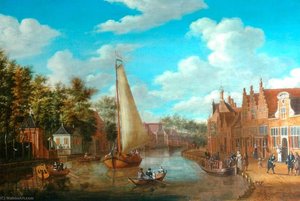
- Dutch Canal Scene with Rigged Sailing Vessels and Figures among the Terraced Houses of Holland
- Movements: dutch golden age
- Topics explored:
- boats
- wars
- harbour
- 17th century
- scenes
- Top-ranked work: Ο Βετεράνος Ναυτικός Πλησιάζει τα Σπίτσμπεργκεν
- Lifespan: 64 years
- Museums on APS:
- Government Art Collection
- Government Art Collection
- Government Art Collection
- Dulwich Picture Gallery
- Dulwich Picture Gallery
- Color intensity:
- ισορροπημένο
- μονόχρωμο
- Also known as: Αβραάμ Ραδέμακερ
Σχετικά Άρθρα

Abraham Hulk Senior: Pioneering Maritime Topography of the Dutch Golden Age
Explore the captivating seascapes of Abraham Hulk Senior, a leading Anglo-Dutch marine painter of the 19th century. Discover his signature style, family legacy & collectable artworks at OriginalUniqueArt.


Golden Light & Dutch Skies: The Timeless Magic of Dutch Golden Age Landscapes
Discover the breathtaking beauty of Dutch Golden Age landscapes. Explore the mastery of light, chiaroscuro, and 17th-century realism through an expert art history lens, celebrating the enduring legacy of the Dutch Masters for discerning collectors and art lovers.

Οι 10 Κορυφαίοι Δασκάλοι της Ολλανδικής Χρυσής Εποχής & τα Έργα τους | OriginalUniqueArt.gr
Ανακαλύψτε τα 10 αριστουργήματα της Ολλανδικής Χρυσής Εποχής! Rembrandt, Vermeer & άλλοι δάσκαλοι ζωντανεύουν. Ιστορία τέχνης, τεχνικές ζωγραφικής και έμπνευση για διακόσμηση σπιτιού. Explore the full collection on OriginalUniqueArt.com