


1


Ενημερωμένο Νοέμβριος 2026 · κατάταξη βάσει του σκορ δημοφιλίας μας (αναζητήσεις, επισκέψεις και παραγγελίες για κάθε έργο) · 13 έργα του William Staveley στον κατάλογό μας
Με σύντομη περιγραφή
Στο μάτι της γκαλερί, το πιο διάσημο έργο του William Staveley είναι το Jane Duff of Hatton (1790). Ο Dr Gregory Grant (1796) και ο Sir John Turner Dryden (1795) ολοκληρώνουν το τρίο που κάθε μάτι αναγνωρίζει. Από τα 13 έργα του William Staveley στον κατάλογό μας, η γκαλερί παρουσιάζει παρακάτω τα 13 πιο διάσημα, όπου κάθε ένα είναι πρωτότυπο, με την χρονολογία του, το μουσείο του και το τι το κάνει μοναδικό.


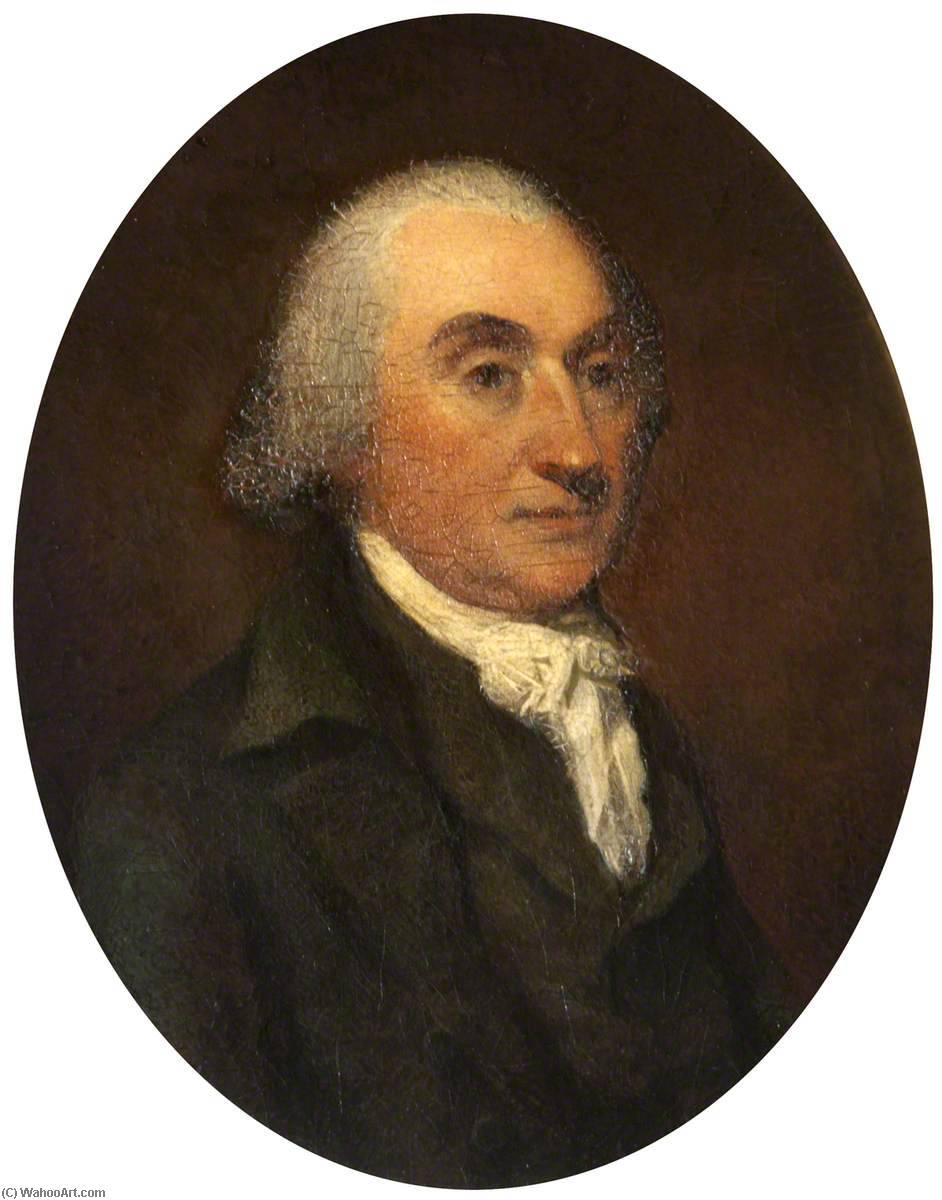

Τα τέσσερα θέματα που εμφανίζονται πιο συχνά σε αυτά τα πρωτότυπα έργα, το καθένα με το εξαιρετικό του παράδειγμα.
Τα 3 μουσεία που φιλοξενούν το μεγαλύτερο μέρος των έργων σε αυτήν τη σελίδα.
| Μουσείο | Πόλη | Έργα του William Staveley | Πάτρια από αυτή τη λίστα |
|---|---|---|---|
 Canons Ashby House |
2 | Sir John Turner Dryden, Sir John Turner Dryden (1752–1797), 1st Bt of Canons Ashby and 4th Bt of Ambrosden | |
 Εθνική Πινάκοθήκη της Σκωτίας |
Έδιμβουργο | 2 | Henry Mackenzie (1745–1831), Novelist and Essayist, Sir James Grant (1738–1811), Member of Parliament |
 Scottish Police College |
Kincardinshire | 1 | Admiral Viscount Keith (1747–1823), GCB |
Το Jane Duff of Hatton (1790). Στη συνέχεια ακολουθούν το Dr Gregory Grant (1796) και το Sir John Turner Dryden (1795).
Jane Duff of Hatton, Dr Gregory Grant, Sir John Turner Dryden, Sir John Turner Dryden (1752–1797), 1st Bt of Canons Ashby and 4th Bt of Ambrosden, Henry Mackenzie (1745–1831), Novelist and Essayist, George Home of Paxton, Sir James Grant (1738–1811), Member of Parliament, Ann Bealby, William Craig και Alexander Abercromby (1784–1853). Η κατάταξη παραπάνω αναγράφει το έτος και το μουσείο για το κάθε έργο.
Ο κατάλογός μας περιλαμβάνει 13 έργα του William Staveley.
Κυρίως σε Canons Ashby House, Εθνική Πινάκοθήκη της Σκωτίας (Έδιμβουργο) και Scottish Police College (Kincardinshire). Ο πίνακας μουσείου παραπάνω τους περιλαμβάνει όλους.
Portrait (3), 18th century (2) και Formal (2), σε συνολικά 13 έργα σε αυτήν τη σελίδα.
Neoclassicism, όπως προκύπτει από τα πρωτότυπα σε αυτήν τη σελίδα.
Sir John Turner Dryden και Sir John Turner Dryden (1752–1797), 1st Bt of Canons Ashby and 4th Bt of Ambrosden: το Canons Ashby House διαθέτει 2 από τα έργα σε αυτήν τη σελίδα.
In the annals of British portraiture, few names evoke as much quiet reverence and historical intrigue as William Staveley. A figure emerging from the late Georgian era, Staveley’s life was a brief but brilliant flash of artistic mastery. Born in Edinburgh around 1785, his early years were shaped by an elite education, moving from the prestigious halls of Eton College to the scholarly environment of Oxford University. While much of his personal biography remains shrouded in the mists of time, his canvases speak with a clarity that defies his relative obscurity. He possessed a rare, innate ability to transcend mere likeness, capturing not just the physical features of the Scottish nobility, but the very soul and psychological depth of his subjects.
Stavely’s artistic development was deeply rooted in the classical traditions of his predecessors. He did not merely observe the masters; he internalized their very essence. By meticulously studying the works of Rembrandt and Joshua Reynolds, Staveley mastered the sophisticated technique of chiaroscuro. This dramatic interplay between light and shadow became the hallmark of his oeuvre, allowing him to sculpt faces out of darkness and imbue skin tones with a lifelike warmth. Unlike many of his contemporaries who sought to overwhelm the viewer with grandiosity and ostentatious displays of wealth, Staveley pursued an aesthetic of understated elegance. His brushwork favored accuracy and subtlety, finding profound beauty in the quiet nuances of a gaze or the gentle fold of a silk garment.
The breadth of Staveley’s contribution to the portraiture of his era is best understood through his most celebrated commissions. His work served as a vital record for the wealthy Scottish families and prominent figures of the period, acting as a window into the social hierarchies and intellectual currents of the late 18th and early 19th centuries. Each portrait was a carefully constructed narrative of dignity and grace.
Among his most enduring achievements are works that showcase his remarkable anatomical precision and emotional sensitivity:
Though Staveley’s life was tragically cut short by his death in 1808, the impact of his brief career remains palpable. He left behind a collection of works that do more than simply document faces; they preserve the spirit of an age. Through his disciplined use of light and his commitment to the truth of the human countenance, William Staveley secured his place as a master of Scottish portraiture, leaving an indelible mark on the history of British art.


