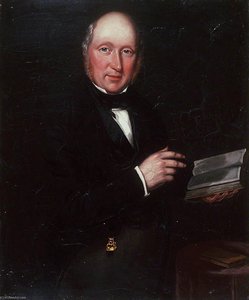
Πορτρέτο του William Roos

Τα 33 πιο διάσημα έργα του William Roos, μια επιλογή γκαλερί

Ενημερωμένο Νοέμβριος 2026 · κατάταξη βάσει του σκορ δημοφιλίας μας (αναζητήσεις, επισκέψεις και παραγγελίες για κάθε έργο) · 33 έργα του William Roos στον κατάλογό μας

Με σύντομη περιγραφή

Από όλα τα πρωτότυπα έργα που άφησε ο William Roos, το πιο διάσημο είναι το John Thomas (1847), το οποίο βρίσκεται στη συλλογή του Llyfrgell Genedlaethol Cymru / The National Library of Wales, Aberystwyth. Ακολουθούν στενά η Christmas Evans (1820) και η Hugh Thomas (1783–1848) (1847). Ο κατάλογός μας περιλαμβάνει 33 έργα του William Roos· η γκαλερί έχει διατηρήσει τα 33 κομμάτια που θαυμάζει ο κόσμος, το καθένα με την ημερομηνία, το μουσείο και την ιστορία του.

1808 – 1878, Μπόγκαφτα Romanticism Περισσότερα έργα: Llyfrgell Genedlaethol Cymru / The National Library of Wales

Τα 10 κορυφαία έργα του William Roos: η επιλογή της γκαλερί

1
John Thomas (1847) του William Roos

John Thomas

In this circular portrait from 1847, we encounter a young man whose gaze meets ours with a calm, steady composure. He is rendered with a soft realism that favors character over artifice. His dark hair is parted to the side, framing a face marked by a light beard and a subtle, almost imperceptible smile. There is a stillness here, a sense of a moment caught in the quietude of a…

2
Christmas Evans (1820) του William Roos

Christmas Evans

1820 · Oil On Canvas · Εθνική Βιβλιοθήκη της Ουαλίας, Aberystwyth

In this portrait, William Roos captures the likeness of Christmas Evans, a man whose voice once commanded the attention of Great Britain. The subject is a Welsh nonconformist minister and a prominent Nonconformist leader. He was a figure of significant spiritual weight, described by some as the greatest preacher the Baptists have ever had in Great Britain. The painting, created about 1820, focuses on the man behind the pulpit.

3
Hugh Thomas (1783–1848) (1847) του William Roos

Hugh Thomas (1783–1848)

A formal portrait of Hugh Thomas, rendered in oil on canvas, captures the subject from the waist up. He is positioned in a three-quarter view, facing slightly toward the viewer’s left. The composition is centered, utilizing a dark, indistinct background to isolate the figure and direct all attention to the man's presence. His expression is calm and reserved, conveying a sense of social respectability through a steady, composed demeanor.

4
Dewi Wyn o Eifion (Dafydd Owen) (1784–1841) (1840) του William Roos

Dewi Wyn o Eifion (Dafydd Owen) (1784–1841)

The portrait centers on the face of an elderly man, positioned in the upper portion of the canvas. His features are rendered through thick, textured impasto strokes that create a physical relief on the surface. The skin appears aged, marked by deep lines and a heavy application of paint. Dark tones dominate the color palette, establishing a somber atmosphere. Around the central figure, the background consists of a chaotic arrangement…

5
Gutyn Peris (1850) του William Roos

Gutyn Peris

1850 · Oil On Canvas · Εθνική Βιβλιοθήκη της Ουαλίας, Aberystwyth

This formal, somber oil portrait presents a bust-length view of an elderly man, positioned centrally against a near-black, indistinct background. The composition is characterized by a highly restrained color palette, dominated by deep blacks and dark browns, which contrast with the warm flesh tones of the subject's face and the bright white of his cravat. The man is depicted wearing a dark coat and a prominent gold chain featuring two…

6
Dic Aberdaron (1850) του William Roos

Dic Aberdaron

1850 · Oil On Canvas · Εθνική Βιβλιοθήκη της Ουαλίας, Aberystwyth

In Dic Aberdaron, William Roos presents a portrait of Richard Robert Jones, a man known to history by his nickname. A native of the parish of Aberdaron, Jones was the third of four children born to Robert Jones and Margret. His early life was defined by manual labor; the son of a carpenter, he attempted to follow his father's trade but proved a failed apprentice in boat building.

7
Gutyn Peris (Griffith Williams) (1769–1838) (1850) του William Roos

Gutyn Peris (Griffith Williams) (1769–1838)

This portrait presents a gentleman in formal attire, captured in a moment of quiet, direct engagement. The subject faces the viewer with a steady gaze, his expression conveying a sense of composure and social standing. He is dressed in a dark suit jacket, accented by a chain from which circular medallions hang, signaling a position of importance or achievement. The composition is centered and tight, focusing entirely on the head…

8
Rev R S Williams (Dowlais), 1833-1900 (1865) του William Roos

Rev R S Williams (Dowlais), 1833-1900

In this 1865 oil portrait, we encounter Rev R S Williams of Dowlais, a man whose presence is felt through a careful study of light and shadow. The composition is a bust-length study, centering the viewer's attention on the subject's face and upper torso. There is a certain gravity in his expression, a somberness that suggests a life of significant responsibility. The lighting, directed from the upper left, carves his…

9
John Cox (1800 –1870) (1845) του William Roos

John Cox (1800 –1870)

In this 1845 oil on canvas, William Roos captures a man defined by a quiet, composed presence. The subject, John Cox, is rendered with a focus on the subtle interplay of light and shadow across his features. A beard and mustache frame a face marked by a gentle smile, suggesting a temperament of warmth and stability. He is dressed in the formal attire of the mid-19th century, wearing a suit…

Η επιλογή του William Roos συνεχίζεται, από τον 11 έως τον 33

11John Elias (1774–1841) (1839) του William RoosJohn Elias (1774–1841)1839 12Reverend Christmas Evans (1766–1838) (1835) του William RoosReverend Christmas Evans (1766–1838)1835 13Christmas Evans (1766–1838) (1835) του William RoosChristmas Evans (1766–1838)1835 · Llyfrgell Genedlaethol Cymru / The National Library of Wales 14Half Length Portrait of a Woman (1840) του William RoosHalf Length Portrait of a Woman1840 · Llyfrgell Genedlaethol Cymru / The National Library of Wales 15Still Life with Partridges (1841) του William RoosStill Life with Partridges1841 16Benjamin Roos of Parys (1841) του William RoosBenjamin Roos of Parys1841 · Llyfrgell Genedlaethol Cymru / The National Library of Wales 17R. W. Price (1845) του William RoosR. W. Price1845 · Llyfrgell Genedlaethol Cymru / The National Library of Wales 18Hugh Derfel Hughes (1816–1890) (1844) του William RoosHugh Derfel Hughes (1816–1890)1844 · Llyfrgell Genedlaethol Cymru / The National Library of Wales 19Margaret Mary Thomas (d.1872) (1847) του William RoosMargaret Mary Thomas (d.1872)1847 · Llyfrgell Genedlaethol Cymru / The National Library of Wales 20Thomas Charles of Bala (1755–1814) (1840) του William RoosThomas Charles of Bala (1755–1814)1840 · Llyfrgell Genedlaethol Cymru / The National Library of Wales 21William Thomas (1825–1862) (1847) του William RoosWilliam Thomas (1825–1862)1847 · Llyfrgell Genedlaethol Cymru / The National Library of Wales 22Reverend John Jones of Tremadog (1850) του William RoosReverend John Jones of Tremadog1850 · Llyfrgell Genedlaethol Cymru / The National Library of Wales 23John Jones (Talhaiarn) (1810–1869) (1851) του William RoosJohn Jones (Talhaiarn) (1810–1869)1851 · Llyfrgell Genedlaethol Cymru / The National Library of Wales 24Dic Aberdaron (Richard Robert Jones) (1780–1843) (1850) του William RoosDic Aberdaron (Richard Robert Jones) (1780–1843)1850 · Llyfrgell Genedlaethol Cymru / The National Library of Wales 25Portrait of an Unidentified Cleric (1850) του William RoosPortrait of an Unidentified Cleric1850 · Llyfrgell Genedlaethol Cymru / The National Library of Wales 26Reverend William Morris (1783–1861) (1849) του William RoosReverend William Morris (1783–1861)1849 · Llyfrgell Genedlaethol Cymru / The National Library of Wales 27Thomas Edwards (Twm o'r Nant) (1739–1810) (1850) του William RoosThomas Edwards (Twm o'r Nant) (1739–1810)1850 · Llyfrgell Genedlaethol Cymru / The National Library of Wales 28Mrs Elen Edwards (1859) του William RoosMrs Elen Edwards1859 · Seiont ii Maritime Trust 29Portrait of an Unidentified Man (1859) του William RoosPortrait of an Unidentified Man1859 · Llyfrgell Genedlaethol Cymru / The National Library of Wales 30Reverend R. S. Williams of Dowlais (1833–1900) (1865) του William RoosReverend R. S. Williams of Dowlais (1833–1900)1865 · Llyfrgell Genedlaethol Cymru / The National Library of Wales 31Rev. Simon Lloyd of Plasyndre, Bala του William RoosRev. Simon Lloyd of Plasyndre, BalaΕθνική Βιβλιοθήκη της Ουαλίας 32John Davies του William RoosJohn DaviesΕθνική Βιβλιοθήκη της Ουαλίας 33David Owen, Dewi Wyn o Eifion (1784–1841) του William RoosDavid Owen, Dewi Wyn o Eifion (1784–1841)

Τα θέματα που κίνησαν το ενδιαφέρον του William Roos

Τα τέσσερα θέματα που εμφανίζονται πιο συχνά σε αυτά τα πρωτότυπα έργα, το καθένα με το εξαιρετικό του παράδειγμα.

Τα μουσεία που διατηρούν τα πρωτότυπα έργα του William Roos

Τα 3 μουσεία που φιλοξενούν το μεγαλύτερο μέρος των έργων σε αυτήν τη σελίδα.

Μουσείο Πόλη Έργα του William Roos Πάτρια από αυτή τη λίστα
Llyfrgell Genedlaethol Cymru / The National Library of Wales, AberystwythLlyfrgell Genedlaethol Cymru / The National Library of Wales Aberystwyth 22 John Thomas, Hugh Thomas (1783–1848), Dewi Wyn o Eifion (Dafydd Owen) (1784–1841)
Εθνική Βιβλιοθήκη της Ουαλίας, AberystwythΕθνική Βιβλιοθήκη της Ουαλίας Aberystwyth 6 Christmas Evans, Gutyn Peris, Dic Aberdaron
Seiont ii Maritime Trust, CarnarvonSeiont ii Maritime Trust Carnarvon 1 Mrs Elen Edwards

Ο William Roos δεκαετία προς δεκαετία: το πρωτότυπο που ορίζει κάθε μία

Έργα ανά δεκαετία

Επιλέξτε μια δεκαετία για να δείτε το πρωτότυπο έργο που την χαρακτηρίζει.

Ερωτήσεις συλλεκτών για τα έργα του William Roos

Για ποιο έργο είναι πιο γνωστός ο William Roos;Αποκαλύψτε την απάντηση

John Thomas (1847), Llyfrgell Genedlaethol Cymru / The National Library of Wales, Aberystwyth. Στη συνέχεια ακολουθούν το Christmas Evans (1820) και το Hugh Thomas (1783–1848) (1847).

Πόσο ηλικία είχε ο/η William Roos όταν δημιουργήθηκε το John Thomas;Αποκαλύψτε την απάντηση

39 ετών: το έργο John Thomas είναι του 1847, και ο/η William Roos γεννήθηκε το 1808.

Ποια είναι τα δέκα πιο διάσημα έργα του William Roos;Αποκαλύψτε την απάντηση

John Thomas, Christmas Evans, Hugh Thomas (1783–1848), Dewi Wyn o Eifion (Dafydd Owen) (1784–1841), Gutyn Peris, Dic Aberdaron, Gutyn Peris (Griffith Williams) (1769–1838), Rev R S Williams (Dowlais), 1833-1900, John Cox (1800 –1870) και Reverend John Williams 'Yr Hen Syr' (1745–1818). Η κατάταξη παραπάνω αναγράφει το έτος και το μουσείο για το κάθε έργο.

Πόσα έργα δημιούργησε ο/η William Roos;Αποκαλύψτε την απάντηση

Ο κατάλογός μας περιλαμβάνει 33 έργα του William Roos, με ημερομηνίες από 1820 έως 1865.

Σε ποια μουσεία εκτίθενται τα αριστούργημα του William Roos;Αποκαλύψτε την απάντηση

Κυρίως σε Llyfrgell Genedlaethol Cymru / The National Library of Wales (Aberystwyth), Εθνική Βιβλιοθήκη της Ουαλίας (Aberystwyth) και Seiont ii Maritime Trust (Carnarvon). Ο πίνακας μουσείου παραπάνω τους περιλαμβάνει όλους.

Σε ποιες χρονιές δημιούργησε ο/η William Roos τα πιο διάσημα έργα του/της;Αποκαλύψτε την απάντηση

Κατά την περίοδο 1840s: 13 από τα 33 έργα σε αυτήν τη σελίδα δημιουργήθηκαν τότε, με John Thomas από αυτά να είναι μοναδικά.

Ποια είναι τα πρώτα και τα τελευταία διάσημα πρωτότυπα του William Roos;Αποκαλύψτε την απάντηση

Σε αυτήν τη σελίδα, το παλαιότερο είναι Christmas Evans (1820) και το νεότερο Rev R S Williams (Dowlais), 1833-1900 (1865).

Ποια θέματα επέλεξε πιο συχνά ο William Roos;Αποκαλύψτε την απάντηση

Man (17), Portrait (9) και Beard (9), σε συνολικά 33 έργα σε αυτήν τη σελίδα.

Ποια τεχνική χρησιμοποίησε περισσότερο ο William Roos;Αποκαλύψτε την απάντηση

Oil, για 13 από τα 33 έργα σε αυτήν τη σελίδα.

Σε ποιο καλλιτεχνικό κίνημα ανήκει ο/η William Roos;Αποκαλύψτε την απάντηση

Romanticism, όπως προκύπτει από τα πρωτότυπα σε αυτήν τη σελίδα.

Ποια έργα του William Roos εκτίθενται στο Llyfrgell Genedlaethol Cymru / The National Library of Wales;Αποκαλύψτε την απάντηση

John Thomas, Hugh Thomas (1783–1848) και Dewi Wyn o Eifion (Dafydd Owen) (1784–1841): το Llyfrgell Genedlaethol Cymru / The National Library of Wales, Aberystwyth διαθέτει 22 από τα έργα σε αυτήν τη σελίδα.

William Roos: ζωή και έργο

William Roos (1808 – 1878): The Wandering Soul of Welsh Romanticism

William Roos was born in Bodgadfa, Anglesey, Wales, on April 30, 1808, to Thomas Roose and Mary Jones. His early life remains somewhat obscure, shrouded in the misty recollections of a rural upbringing steeped in the traditions of Welsh seafaring and copper mining—a heritage that would profoundly shape his artistic vision. Despite lacking formal academic training, Roos possessed an innate talent for observation and representation, qualities honed by immersing himself in the landscapes and communities of his homeland. This formative experience instilled within him a deep appreciation for both the grandeur of nature and the intricacies of human character – themes that would permeate his oeuvre throughout his prolific career.
  • Early Life & Education: Roos’s formal education was limited, primarily consisting of instruction at Amlwch Navigation School. However, this did not stifle his artistic curiosity; rather, it fostered a self-reliant approach to mastering the craft of painting and engraving—skills he cultivated independently through diligent practice and experimentation.
  • Notable Works: Roos’s artistic output spanned landscapes, portraits, and engravings, reflecting the diverse influences of Romanticism and Victorian aesthetics. Among his most celebrated achievements are “The Death of Owen Glyndwr” and “The Death of Captain Wynn at Alma,” paintings commissioned for the National Eisteddfod in Llangollen (1858), which garnered considerable acclaim and established him as a leading figure in Welsh art.
  • Influence & Style: Roos’s artistic style was characterized by meticulous detail, expressive brushwork, and a masterful command of tonal gradation—techniques that captured the essence of his subjects with remarkable accuracy and emotional resonance. He drew inspiration from artists such as Benjamin Haydon and J.M.W Turner, whose dramatic landscapes and emotive depictions of light and atmosphere profoundly impacted Roos’s artistic sensibilities.
  • Recognition & Legacy: Roos's dedication to capturing Welsh identity on canvas earned him recognition within the artistic circles of his time. His portraits of prominent Welsh figures—including preachers, poets, and statesmen—became treasured possessions of institutions like the National Museum Wales and contributed significantly to documenting the cultural landscape of Victorian Wales.
  • Later Years & Death: Roos continued to work as an artist until his death in Amlwch on July 4, 1878, leaving behind a substantial body of artistic output that continues to fascinate scholars and enthusiasts alike. His legacy resides not merely in the beauty of his paintings but also in their embodiment of Welsh Romanticism—a movement that championed imagination, emotion, and an unwavering reverence for the natural world.

The Eisteddfod Commissions & Artistic Breakthrough

The National Eisteddfod at Llangollen represented a pivotal moment in Roos’s artistic trajectory. The commission to depict “The Death of Owen Glyndwr”—a subject steeped in Welsh history and mythology—challenged him to synthesize his observational skills with an understanding of symbolic representation. This undertaking demanded not only technical proficiency but also intellectual engagement, prompting Roos to delve into the narratives surrounding Glyndwr’s rebellion against English rule. The resulting painting—characterized by its dramatic composition and evocative use of color—became a cornerstone of Roos’s artistic reputation and cemented his position as one of Wales' foremost Romantic painters. Simultaneously, the commission for “The Death of Captain Wynn at Alma” demanded similar attention to detail and emotional depth—a task that further honed Roos’s ability to convey complex narratives through visual imagery.

Portraits Reflecting Welsh Identity

Roos’s artistic endeavors extended beyond landscape painting into portraiture, where he meticulously documented the faces of Wales' intellectual elite. His portraits of figures such as Christmas Evans, Thomas Charles, John Cox, and Talhaiarn—each rendered with painstaking accuracy and imbued with palpable emotion—became invaluable records of Victorian Welsh culture and society. Roos’s artistic approach was informed by a deep appreciation for Welsh traditions and folklore—elements that subtly permeated his canvases. He skillfully captured not only physical likeness but also psychological character—revealing the inner lives of his subjects through nuanced expressions and gestures. These portraits stand as enduring symbols of Welsh identity, reflecting the values and aspirations of a nation undergoing rapid transformation during the Victorian era.

Engraving & Artistic Technique

Beyond painting, Roos excelled in engraving—a craft that demanded precision, patience, and an understanding of tonal gradation. His engravings—often executed with remarkable detail—served as visual companions to literary texts and contributed significantly to disseminating Welsh culture throughout Britain and Europe. Roos’s engraving technique—characterized by its meticulous hatching and cross-hatching—allowed him to achieve a stunningly realistic depiction of textures and surfaces—a hallmark of his artistic style. He skillfully employed etching techniques to create subtle gradations of tone, capturing the atmospheric qualities of landscapes and conveying the emotional intensity of portraits with unparalleled finesse.

National Museum Wales Collections & Artistic Preservation

Today, several Roos paintings reside within the National Museum Wales collections—a testament to his enduring artistic legacy. These artworks—including “The Death of Owen Glyndwr” and “The Death of Captain Wynn at Alma”—provide invaluable insights into Welsh Romanticism and exemplify Roos’s mastery of tonal gradation and expressive brushwork. Furthermore, the museum's holdings of Roos engravings—such as portraits of John Cox—offer a compelling glimpse into his artistic technique and contribute to documenting Welsh cultural heritage. Efforts to preserve these artworks—through careful conservation and scholarly research—ensure that Roos’s contribution to Welsh art history continues to inspire future generations.