Πορτρέτο του Χανς Αρπ

Τα 100 πιο διάσημα έργα του Χανς Αρπ, μια επιλογή γκαλερί

Ενημερωμένο Οκτώβριος 2026 · κατάταξη βάσει του σκορ δημοφιλίας μας (αναζητήσεις, επισκέψεις και παραγγελίες για κάθε έργο) · 156 έργα του Χανς Αρπ στον κατάλογό μας

Με σύντομη περιγραφή

Από όλα τα πρωτότυπα έργα που άφησε ο Χανς Αρπ, το πιο διάσημο είναι το Human Concretion (1935), το οποίο βρίσκεται στη συλλογή του MoMA - Museum of Modern Art, Νέα Υόρκη. Ακολουθούν στενά η Forest και η Head with mustache (1926). Ο κατάλογός μας περιλαμβάνει 156 έργα του Χανς Αρπ· η γκαλερί έχει διατηρήσει τα 100 κομμάτια που θαυμάζει ο κόσμος, το καθένα με την ημερομηνία, το μουσείο και την ιστορία του.

1886 – 1966, Στρασβούργο Dadaism Περισσότερα έργα: Μουσείο του Ισραήλ

Τα 10 κορυφαία έργα του Χανς Αρπ: η επιλογή της γκαλερί

1
Human Concretion (1935) του Χανς Αρπ

Human Concretion

1935 · Photography · MoMA - Museum of Modern Art, Νέα Υόρκη

In the hauntingly beautiful photograph "Human Concretion," we are invited into a monochromatic dreamscape where the boundaries between the physical and the abstract dissolve. Captured in 1935, this work serves as a profound meditation on the human essence, stripped of its individual identity to reveal something more primal and universal. The composition centers upon a series of smooth, rounded forms that suggest the presence of heads or torsos, yet they…

Η επιλογή του Χανς Αρπ συνεχίζεται, από τον 11 έως τον 100

11Configuration 3 του Χανς ΑρπConfiguration 3 12Πλάβες στο Αкваριούμ (1920) του Χανς ΑρπΠλάβες στο Αкваριούμ1920 · MoMA - Museum of Modern Art 13Composition with Seven Elements του Χανς ΑρπComposition with Seven Elements 14Mustache Watch του Χανς ΑρπMustache Watch 15Head and Leaf; Head and Vase του Χανς ΑρπHead and Leaf; Head and Vase 16Untitled (784) του Χανς ΑρπUntitled (784) 17Shirtfront and fork του Χανς ΑρπShirtfront and fork 18Doll 2 του Χανς ΑρπDoll 2 19Profil του Χανς ΑρπProfil 20Paolo and Francesca του Χανς ΑρπPaolo and Francesca 21Man, mustache, navel του Χανς ΑρπMan, mustache, navel 22Automatic Drawing (1916) του Χανς ΑρπAutomatic Drawing1916 23Terrestrial Forest Form (1917) του Χανς ΑρπTerrestrial Forest Form1917 24Shirt Front and Fork (1922) του Χανς ΑρπShirt Front and Fork1922 25Dance (1925) του Χανς ΑρπDance1925 26Moustaches (1925) του Χανς ΑρπMoustaches1925 · Tate Modern 27Constellation According to the Laws of Chance (1930) του Χανς ΑρπConstellation According to the Laws of Chance1930 · Tate Modern 28According to the Laws of Chance (1933) του Χανς ΑρπAccording to the Laws of Chance1933 · Tate Modern 29Sculpture de Silence, Corneille του Χανς ΑρπSculpture de Silence, CorneilleGalleria Civica di Arte Moderna e Contemporanea Torino 30Torn-Up Woodcut (1954) του Χανς ΑρπTorn-Up Woodcut1954 · Tate Modern 31Danger of Death (T05007) (1954) του Χανς ΑρπDanger of Death (T05007)1954 · Tate Modern 32The Star (1960) του Χανς ΑρπThe Star1960 33The Sun Recircled (1966) του Χανς ΑρπThe Sun Recircled1966 · Μουσείο του Ισραήλ 34Η Επαναφορά του Τέλους (1966) του Χανς ΑρπΗ Επαναφορά του Τέλους1966 · Μουσείο του Ισραήλ 35Constellation του Χανς ΑρπConstellation 36Alou with Talons του Χανς ΑρπAlou with TalonsCa' Pesaro - International Gallery of Modern Art 37Manicure-Relief του Χανς ΑρπManicure-Relief 38Untitled (590) του Χανς ΑρπUntitled (590) 39Twins (Edouard) του Χανς ΑρπTwins (Edouard) 40Untitled (395) του Χανς ΑρπUntitled (395) 41Masque - Oiseau του Χανς ΑρπMasque - Oiseau 42Idol of the Rabbits του Χανς ΑρπIdol of the Rabbits 43Bell and Navels του Χανς ΑρπBell and Navels 44Untitled (198) του Χανς ΑρπUntitled (198)Statens Museum For Kunst 45Untitled (835) του Χανς ΑρπUntitled (835) 46Constellation with five white and two black shapes, variation III του Χανς ΑρπConstellation with five white and two black shapes, variation III 47Human Concretion, Original plaster, (50 x 48 CM) (1935) του Χανς ΑρπHuman Concretion, Original plaster, (50 x 48 CM) (1935) 48Untitled (240) του Χανς ΑρπUntitled (240) 49Untitled (549) του Χανς ΑρπUntitled (549) 50Untitled 1 του Χανς ΑρπUntitled 1 51Doll 1 του Χανς ΑρπDoll 1 52Untitled (258) του Χανς ΑρπUntitled (258) 53Untitled (586) του Χανς ΑρπUntitled (586) 54Pagoda Fruit του Χανς ΑρπPagoda Fruit 55Pistil του Χανς ΑρπPistil 56Untitled (138) του Χανς ΑρπUntitled (138) 57Bird transvestite του Χανς ΑρπBird transvestite 58Untitled του Χανς ΑρπUntitled 59Classical Sculpture του Χανς ΑρπClassical Sculpture 60Rising Up του Χανς ΑρπRising Up 61Moustaches του Χανς ΑρπMoustaches 62TORSE-PROFIL του Χανς ΑρπTORSE-PROFIL 63The little Sphinx του Χανς ΑρπThe little Sphinx 64Untitled (495) του Χανς ΑρπUntitled (495) 65Constellation 2 του Χανς ΑρπConstellation 2 66The angel font του Χανς ΑρπThe angel font 67Sculpture mediterranéenne II του Χανς ΑρπSculpture mediterranéenne II 68Bird-Fall του Χανς ΑρπBird-Fall 69Sheet of glass του Χανς ΑρπSheet of glass 70Untitled 4 του Χανς ΑρπUntitled 4 71Siamese Leaves του Χανς ΑρπSiamese Leaves 72Untitled (247) του Χανς ΑρπUntitled (247) 73Untitled του Χανς ΑρπUntitled 74Ptolemy I του Χανς ΑρπPtolemy I 75Bud Flash του Χανς ΑρπBud Flash 76Torse-gerbe του Χανς ΑρπTorse-gerbe 77Composition 5 του Χανς ΑρπComposition 5 78Birds in an Aquarium του Χανς ΑρπBirds in an Aquarium 79Forms of bird του Χανς ΑρπForms of bird 80Relief concret H dit La cruche του Χανς ΑρπRelief concret H dit La cruche 81Owl Dream του Χανς ΑρπOwl Dream 82Composition του Χανς ΑρπComposition 83Torso-Kore του Χανς ΑρπTorso-Kore 84Star in a Dream του Χανς ΑρπStar in a Dream 85Animal dream του Χανς ΑρπAnimal dream 86Head and Shell του Χανς ΑρπHead and Shell 87En songe του Χανς ΑρπEn songe 88Komposition του Χανς ΑρπKomposition 89Birdman του Χανς ΑρπBirdman 90Column of muse του Χανς ΑρπColumn of muse 91The black bird του Χανς ΑρπThe black bird 92Untitled (765) του Χανς ΑρπUntitled (765) 93Mountain, Navel, Anchors, Table του Χανς ΑρπMountain, Navel, Anchors, Table 94Seated figure του Χανς ΑρπSeated figure 95Forms suitable for the interpretation 2 του Χανς ΑρπForms suitable for the interpretation 2 96The Grand Bastard του Χανς ΑρπThe Grand Bastard 97Around the Sun No. 11 του Χανς ΑρπAround the Sun No. 11 98Untitled (331) του Χανς ΑρπUntitled (331) 99Abstract Composition, Knossos του Χανς ΑρπAbstract Composition, Knossos 100Torso of a Giant του Χανς ΑρπTorso of a Giant

Τα θέματα που κίνησαν το ενδιαφέρον του Χανς Αρπ

Τα τέσσερα θέματα που εμφανίζονται πιο συχνά σε αυτά τα πρωτότυπα έργα, το καθένα με το εξαιρετικό του παράδειγμα.

Τα μουσεία που διατηρούν τα πρωτότυπα έργα του Χανς Αρπ

Τα 6 μουσεία που φιλοξενούν το μεγαλύτερο μέρος των έργων σε αυτήν τη σελίδα.

Μουσεία Πόλη Έργα του Χανς Αρπ Πάτρια από αυτή τη λίστα
Μουσείο του Ισραήλ, ΙερουσαλήμΜουσείο του Ισραήλ Ιερουσαλήμ 5 Meeting in the Egg (Rencontre dans l'oeuf), Untitled Project (for a rug or tapestry), Untitled Project
Tate Modern, ΛονδίνοTate Modern Λονδίνο 5 Moustaches, Constellation According to the Laws of Chance, According to the Laws of Chance
MoMA - Museum of Modern Art, Νέα ΥόρκηMoMA - Museum of Modern Art Νέα Υόρκη 2 Human Concretion, Πλάβες στο Αкваριούμ
Galleria Civica di Arte Moderna e Contemporanea Torino, ΤορίνοGalleria Civica di Arte Moderna e Contemporanea Torino Τορίνο 1 Sculpture de Silence, Corneille
Ca' Pesaro - International Gallery of Modern Art, ΒενετίαCa' Pesaro - International Gallery of Modern Art Βενετία 1 Alou with Talons
Statens Museum For Kunst, ΚόπενημαγκςStatens Museum For Kunst Κόπενημαγκς 1 Untitled (198)

Ο Χανς Αρπ δεκαετία προς δεκαετία: το πρωτότυπο που ορίζει κάθε μία

Έργα ανά δεκαετία

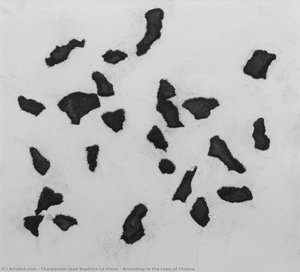
Επιλέξτε μια δεκαετία για να δείτε το πρωτότυπο έργο που την χαρακτηρίζει.

Ερωτήσεις συλλεκτών για τα έργα του Χανς Αρπ

Για ποιο έργο είναι πιο γνωστός ο Χανς Αρπ;Αποκαλύψτε την απάντηση

Human Concretion (1935), MoMA - Museum of Modern Art, Νέα Υόρκη. Στη συνέχεια ακολουθούν το Forest και το Head with mustache (1926).

Πόσο ηλικία είχε ο/η Χανς Αρπ όταν δημιουργήθηκε το Human Concretion;Αποκαλύψτε την απάντηση

49 ετών: το έργο Human Concretion είναι του 1935, και ο/η Χανς Αρπ γεννήθηκε το 1886.

Ποια είναι τα δέκα πιο διάσημα έργα του Χανς Αρπ;Αποκαλύψτε την απάντηση

Human Concretion, Forest, Head with mustache, Meeting in the Egg (Rencontre dans l'oeuf), Untitled Project (for a rug or tapestry), Untitled Project, Human Concretion 2, Column of dream, Cut No. 10. Shadow Cloud και Nadir. Η κατάταξη παραπάνω αναγράφει το έτος και το μουσείο για το κάθε έργο.

Πόσα έργα δημιούργησε ο/η Χανς Αρπ;Αποκαλύψτε την απάντηση

Ο κατάλογός μας περιλαμβάνει 156 έργα του Χανς Αρπ, με ημερομηνίες από 1916 έως 1966.

Σε ποια μουσεία εκτίθενται τα αριστούργημα του Χανς Αρπ;Αποκαλύψτε την απάντηση

Κυρίως σε Μουσείο του Ισραήλ (Ιερουσαλήμ), Tate Modern (Λονδίνο) και MoMA - Museum of Modern Art (Νέα Υόρκη). Ο πίνακας μουσείου παραπάνω τους περιλαμβάνει όλους.

Σε ποιες χρονιές δημιούργησε ο/η Χανς Αρπ τα πιο διάσημα έργα του/της;Αποκαλύψτε την απάντηση

Κατά την περίοδο 1920s: 5 από τα 100 έργα σε αυτήν τη σελίδα δημιουργήθηκαν τότε, με Head with mustache από αυτά να είναι μοναδικά.

Ποια είναι τα πρώτα και τα τελευταία διάσημα πρωτότυπα του Χανς Αρπ;Αποκαλύψτε την απάντηση

Σε αυτήν τη σελίδα, το παλαιότερο είναι Automatic Drawing (1916) και το νεότερο The Sun Recircled (1966).

Ποια θέματα επέλεξε πιο συχνά ο Χανς Αρπ;Αποκαλύψτε την απάντηση

Animals (6), Abstract sculpture (5) και Men (4), σε συνολικά 100 έργα σε αυτήν τη σελίδα.

Σε ποιο καλλιτεχνικό κίνημα ανήκει ο/η Χανς Αρπ;Αποκαλύψτε την απάντηση

Dadaism, όπως προκύπτει από τα πρωτότυπα σε αυτήν τη σελίδα.

Ποια έργα του Χανς Αρπ εκτίθενται στο Μουσείο του Ισραήλ;Αποκαλύψτε την απάντηση

Meeting in the Egg (Rencontre dans l'oeuf), Untitled Project (for a rug or tapestry) και Untitled Project: το Μουσείο του Ισραήλ, Ιερουσαλήμ διαθέτει 5 από τα έργα σε αυτήν τη σελίδα.

Χανς Αρπ: ζωή και έργο

Jean Arp: A Pioneer of Organic Abstraction

  • Early Life and Artistic Education
  • Dadaism and the Birth of Biomorphic Forms
  • Surrealist Visions and Sculptural Explorations
  • Recognition and Legacy

Early Life and Artistic Education

Hans Peter Wilhelm Arp, born September 16, 1886, in Strasbourg, Germany—now France—was a German-French sculptor, painter, and poet who stands as one of the foremost figures of European avant-garde art during the first half of the twentieth century. His heritage was marked by duality: his mother, Marguerite Arp Hagenbach, descended from Huguenot nobility fleeing persecution during the Reformation; his father, Wilhelm Arp, was a German civil servant. This geographical and cultural confluence profoundly shaped his formative years, instilling within him an awareness of conflicting identities—a characteristic that would permeate his entire artistic trajectory. He began his artistic training at the École des Arts et Métiers in Strasbourg in 1900, immersing himself in the burgeoning currents of Impressionism and Symbolism. Subsequently, he pursued studies at Weimarer Kunstschule in Germany, where he honed his skills alongside fellow artists grappling with Expressionist ideals. The encouragement of his uncle, Carl Arp—a landscape painter who championed artistic freedom—proved instrumental in nurturing his passion for art. A decisive move to Paris in 1908 propelled him into the epicenter of artistic innovation, enrolling at the Académie Julian and encountering luminaries like Pablo Picasso and Henri Matisse. This exposure to Parisian intellectual life solidified his commitment to experimentation and broadened his artistic horizons.

Dadaism and the Birth of Biomorphic Forms

The eruption of World War I irrevocably altered Arp’s worldview, triggering a profound disillusionment with societal norms and rational thought. Driven by this conviction, he embraced Dada—a movement born from outrage against the senseless brutality of conflict—around 1915. Dada wasn't merely an aesthetic stance; it represented a radical rejection of artistic conventions, a defiant assertion of chaos as a response to disorder. Arp joined forces with fellow artists and intellectuals in neutral Switzerland—Hugo Ball, Tristan Tzara, Marcel Janco—who sought to dismantle established artistic hierarchies. He actively participated in Dada exhibitions alongside the Gruppe D, demonstrating his unwavering dedication to challenging accepted dogma. During this period, he pioneered “chance collages,” meticulously crafted by dropping paper fragments onto a surface and adhering them where they landed—a technique embodying Dada’s rejection of conscious control. Simultaneously, Arp embarked on an exploration of biomorphic forms—abstract shapes reminiscent of organic life—which would become the hallmark of his artistic style. These weren't simply decorative designs; they hinted at hidden energies, mirroring fundamental principles of existence and reflecting a subconscious connection to nature.

Surrealist Visions and Sculptural Explorations

As Dada’s influence waned, Arp’s artistic path converged with Surrealism in 1925. He debuted at the Galerie Pierre in Paris—a pivotal moment marking his affiliation with this movement that delved into the realm of dreams and the subconscious. However, Arp didn't adopt Surrealism passively; he infused it with his distinctive sensibility. He transitioned decisively from relief sculptures to freestanding forms, refining his vision of organic abstraction through meticulous material experimentation. His “Human Concretion” series—characterized by smooth, rounded sculptures evoking ambiguous references to both human anatomy and natural contours—exemplified this stylistic evolution. Arp’s exploration of materials—marble, bronze, glass, and wood—further amplified the expressive potential of his art. Notably, he collaborated closely with Sophie Taeuber-Arp, forging a partnership that yielded groundbreaking artistic achievements.

Recognition and Legacy

Jean Arp’s impact on twentieth-century art is undeniable. His pioneering role in organic abstraction—his embrace of chance operations—and his unwavering commitment to exploring the fundamental forces of life secured his place as a pivotal figure within the avant-garde. He received considerable acclaim during the postwar era, culminating in the Grand Prize for Sculpture at the Venice Biennale in 1954 and extensive retrospective exhibitions at the Museum of Modern Art in New York (1958) and the Musée National d’Art Moderne in Paris (1962). His monumental relief sculpture for Harvard University stands as a testament to his enduring legacy—a symbol of artistic innovation and intellectual curiosity that continues to inspire generations of artists. Arp's distinctive style—characterized by elegant simplicity and profound symbolism—remains influential, cementing his position as one of the most important sculptors of the 20th century.