Πορτρέτο του Γκούσταφ Κλιμτ

Τα 100 πιο διάσημα έργα του Γκούσταφ Κλιμτ, κάθε ένα μοναδικό

Ενημερωμένο Νοέμβριος 2026 · κατάταξη βάσει του σκορ δημοφιλίας μας (αναζητήσεις, επισκέψεις και παραγγελίες για κάθε έργο) · 744 έργα του Γκούσταφ Κλιμτ στον κατάλογό μας

Με σύντομη περιγραφή

Το έργο Η Κύηση (1908) είναι το ποίτευμα του Γκούσταφ Κλιμτ που τραβάει τα περισσότερα βλέμματα· το πρωτότυπο ανήκει στο Αυστριακή Πινακοθήκη Belvedere, Βιέννη. Μετά από αυτό, το βλέμμα στρέφεται στο Πορτρέτο της Άδελες Μπλοχ-Μπάουερ I (1907) και στο Ιούδα και Ολοφέρνης (1901). Ανάμεσα στα 744 έργα του Γκούσταφ Κλιμτ στον κατάλογό μας, αυτά τα 100 είναι τα πιο διάσημα, το καθένα ένα μοναδικό πρωτότυπο που παρουσιάζεται με την χρονολογία του, το μουσείο του και τον λόγο για τον οποίο παραμένει αιώνιο.

1862 – 1918, Μπάουμγκαρτεν Art nouveau Περισσότερα έργα: Αυστριακή Πινακοθήκη Belvedere

Τα 10 κορυφαία έργα του Γκούσταφ Κλιμτ, μέσα από το βλέμμα της γκαλερί

1
Η Κύηση (1908) του Γκούσταφ Κλιμτ

Η Κύηση

1908 · Άνθρακα και λάδι σε καμβά · Αυστριακή Πινακοθήκη Belvedere, Βιέννη

Η Προσφορά του Κλιντ είναι αναμφισβήτητα ένα από τα πιο αναγνωρίσιμα και αγαπητά έργα τέχνης στον κόσμο. Περισσότερο από μια απεικόνιση ρομαντικού έρωτα, εκφράζει την επιθυμία για πνευματική σύνδεση και μεταμόρφωση, αποτυπώνοντας με εκθαμβωτική ομορφιά και πολυτελή λεπτομέρεια. Αυτή η χειροποίητη αναπαραγωγή σου επιτρέπει να βιώσεις τον συναίσθηματικό χαρακτήρα και την ελκυστική γοητεία αυτού του εμβληματικού έργου τέχνης στο χώρο σου.

2
Πορτρέτο της Άδελες Μπλοχ-Μπάουερ I (1907) του Γκούσταφ Κλιμτ

Πορτρέτο της Άδελες Μπλοχ-Μπάουερ I

1907 · Άνθρακα και λάδι σε καμβά · Neue Galerie New York, Νέα Υόρκη

Το 1907, ο Gustav Klimt, ένας από τους πρωτοπόρους της Βιεννέζικης Σεσησιονιστικής ομάδας, δημιούργησε ένα έργο που ξεπερνά την απλή αναπαράσταση και γίνεται σύμβολο της πλούσιας και καινοτόμου ατμόσφαιρας της Βιέννης εκείνης της εποχής. Το Πορτρέτο της Άδελες Μπλοχ-Μπάουερ I δεν είναι μια απλή απεικόνιση, αλλά μια συμβολική αναπαράσταση της γυναικείας ομορφιάς και του κοινωνικού status, ένα αριστούργημα που αντλεί έμπνευση από την Αρχαία Αίγυπτο, τη Βυζαντινή τέχνη και τις…

3
Ιούδα και Ολοφέρνης (1901) του Γκούσταφ Κλιμτ

Ιούδα και Ολοφέρνης

1901 · Άνθρακα και λάδι σε καμβά · Αυστριακή Πινακοθήκη Belvedere, Βιέννη

Η "Ιουδίθ" του Γκουστάβ Κλίμτ αποτελεί ένα εμβληματικό αριστούργημα που ενσαρκώνει την πολυτέλεια και τη γοητεία της κίνησης Art Nouveau. Δημιουργημένο το 1901, αυτό το μαγευτικό πορτρέτο αναδεικνύει το χαρακτηριστικό στυλ του Κλίμτ, συνδυάζοντας περίτεχνα μοτίβα με μια πλούσια παλέτα χρωμάτων για να δημιουργήσει μια συνεπαγωγική οπτική εμπειρία.

4
Πορτρέτο της Βαρόνισσας Ελισάβετ Μπαχόφεν-Έχτ (1916) του Γκούσταφ Κλιμτ

Πορτρέτο της Βαρόνισσας Ελισάβετ Μπαχόφεν-Έχτ

1916 · Ακρυλικά πάνω σε καμβά

A Portrait of Refined Serenity: Klimt’s Baroness Elisabeth Bachofen-Echt Gustav Klimt's 1916 *Portrait of Baroness Elisabeth Bachofen-Echt* is a captivating example of his mature style, seamlessly blending elements of Art Nouveau with the burgeoning Symbolist movement. The painting doesn’t merely depict a woman; it evokes an atmosphere of quiet dignity and introspective beauty. The Baroness, a prominent figure in Viennese society, is presented not as a symbol of wealth or…

5
Δανάη, λάδι στον καμβά, ιδιωτική συλλογή (1908) του Γκούσταφ Κλιμτ

Δανάη, λάδι στον καμβά, ιδιωτική συλλογή

1908 · Άνθρακα και λάδι σε καμβά · Leopold Museum, Βιέννη

Gustav Klimt’s Danaë is a mesmerizing oil on canvas painting that encapsulates the essence of Art Nouveau—a movement characterized by opulent ornamentation and flowing organic forms. Created in 1907, this artwork measures 77 x 83 cm and resides within a private collection, offering viewers an intimate glimpse into Klimt's artistic vision.

6
Φρίξε του Βιθτεντεντεν και της Αγιοσύνης και της Προσκυνήσεως του Ζευγαριού του Γκούσταφ Κλιμτ

Φρίξε του Βιθτεντεντεν και της Αγιοσύνης και της Προσκυνήσεως του Ζευγαριού

Άνθρακα και λάδι σε καμβά

Το έργο του Γκουστάβ Κλίμτ, "Φρίξε του Μπετόβεν: Οι Τέχνες, Χορός Αγγέλων, Ζευγάρι σε Αγκαλιάδα", αποτελεί ένα μαγευτικό τρίπτυχο που ενσαρκώνει την ίδια την ουσία της χρυσής του περιόδου. Αυτό το εξαιρετικό αριστούπημα συνδυάζει άψογα περίπλοκα μοτίβα, πλούσιες υφές και μια αρμονική παλέτα χρωμάτων, δημιουργώντας ένα οπτικά εκθαμβωτικό δημιούργημα που ξεπερνά τα όρια του χρόνου.

7
Οι Τρεις Ηλικίες της Γυναίκας (1905) του Γκούσταφ Κλιμτ

Οι Τρεις Ηλικίες της Γυναίκας

1905 · Ακρυλικά πάνω σε καμβά · Galleria Nazionale d'Arte Moderna, Ρώμη

Περιπλανώμενη Θεματολογία και Συναισθηματικό Βάθος Βυθιστείτε στην τρυφερή οικειότητα αυτού του συγκινητικού αριστουργήματος, όπου μια μητέρα και το παιδί της μοιράζονται μια βαθιά στιγμή σύνδεσης. Η σύνθεση επικεντρώνεται στα αναρριμμένα σώματά τους και στις γαλήνιες εκφράσεις τους, αποτυπώνοντας τα καθολικά θέματα της μητρικής αγάπης, της εμπιστοσύνης και της ευαλωτότητας. Η απαλή αγκαλιά και τα κλειστά μάτια προκαλούν μια αίσθηση ειρήνης και ασφάλειας, προσκαλώντας τους θεατές να προβληματιστούν για τον ιερό…

8
Η Μάχη Μεθύνης Και Θανάτου (1908) του Γκούσταφ Κλιμτ

Η Μάχη Μεθύνης Και Θανάτου

1908 · Άνθρακα και λάδι σε καμβά · Leopold Museum, Βιέννη

Το έργο «Θάνατος και Ζωή» του Γκουστάβ Κλιντ αποτελεί μια μαγευτική εξερεύνηση της θνητότητας και της ζωτικότητας, αποδοθεί από το χαρακτηριστικό του Σύμβολο στυλ. Δημιουργήτο α αυτό το αριστούργημα του 1908 αποτυπώνει την ουσία της ανθρώπινης ύπαρξης μέσα από μια εντυπωσιακή αντίθεση μεταξύ της παγωμένης αγκαλιάς του θανάτου και των ζεστής περιποίησης δεσμών της ζωής.

9
Νύφη με Φανάρι (1918) του Γκούσταφ Κλιμτ

Νύφη με Φανάρι

1918 · Άνθρακα και λάδι σε καμβά

Η “Γυναίκα με το Φανάρι” (1917-18) δεν είναι απλώς ένα πορτρέτο, αλλά μια αφορμή για να βυθιστούμε στον κόσμο της φαντασίας και των συναισθημάτων του Gustav Klimt. Ένα έργο που γεννήθηκε σε μια κρίσιμη εποχή, στα τελευταία χρόνια της ζωής του καλλιτέχνη, αντιπροσωπεύει την κορύφωση της αισθητικής του εξερεύνησης και μια βαθιά συναισθηματική έκκληση. Η εικόνα αυτή, που πρόσφατα έκανε ρεκόρ τιμής σε δημοπρασία, δεν είναι μόνο ένα αντικείμενο τέχνης,…

10
Πορτραίτο της Άντρε Μπλοχ-Μπάουερ Β΄ (1912) του Γκούσταφ Κλιμτ

Πορτραίτο της Άντρε Μπλοχ-Μπάουερ Β΄

1912 · Ακρυλικά πάνω σε καμβά

Το «Πορτραίτο της Άντρε Μπλοχ-Μπάουερ Β΄» (1912) του Γκούσταφ Κλιμτ αποτελεί ένα μαγευτικό αριστούρημα που αναδεικνύει την χαρακτηριστική σύνθεση του καλλιτέχνη, η οποία ผέρνει την κομψότητα του Art Nouveau με το συμβολικό βάθος του Συμβολισμού. Αυτό το εντυπωσιακό πορτραίτο αλληλεπιδρά με την ουσία του υποκειμένου του, της Άντρε Μπλοχ-Μπάουερ, με μια ένταση που παρασύρει τους θεατές στον δικό της κόσμο.

Τα διάσημα έργα του Γκούσταφ Κλιμτ, από το 11 έως το 100

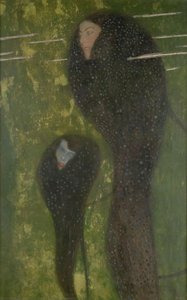
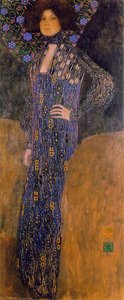
11Portrait of a Lady (1897) του Γκούσταφ ΚλιμτPortrait of a Lady1897 · Galleria d'arte moderna Ricci Oddi 12Η Αγγελική (1913) του Γκούσταφ ΚλιμτΗ Αγγελική1913 · Εθνική Γκαλερίη Πράγας 13Ο Δέντρος Ζωής (1909) του Γκούσταφ ΚλιμτΟ Δέντρος Ζωής1909 · Μουσείο Εφαρμοσμένων Τεχνών 14Νεότερες Περπετάλαιες του Γκούσταφ ΚλιμτΝεότερες Περπετάλαιες 15Η Ελπίδα ΙΙ (1908) του Γκούσταφ ΚλιμτΗ Ελπίδα ΙΙ1908 · MoMA - Museum of Modern Art 16Βιθνός Φρίτσης Ριέδλερ του Γκούσταφ ΚλιμτΒιθνός Φρίτσης Ριέδλερ 17Κήπος με Σταυρό (1911) του Γκούσταφ ΚλιμτΚήπος με Σταυρό1911 18ΜΟΥΣΙΚΗ I (1895) του Γκούσταφ ΚλιμτΜΟΥΣΙΚΗ I1895 · Bayerische Staatsgemaldesammlungen 19Αλληγορία της «Γλυπτικής» (1889) του Γκούσταφ ΚλιμτΑλληγορία της «Γλυπτικής»1889 · Αυστριακή Πινακοθήκη Belvedere 20Δάση Βερίτας (1903) του Γκούσταφ ΚλιμτΔάση Βερίτας1903 · Αυστριακή Πινακοθήκη Belvedere 21Άγριο Κλαδί (1907) του Γκούσταφ ΚλιμτΆγριο Κλαδί1907 · Αυστριακή Πινακοθήκη Belvedere 22Το Πράσινο Δέντρο (1912) του Γκούσταφ ΚλιμτΤο Πράσινο Δέντρο1912 · Αυστριακή Πινακοθήκη Belvedere 23Οδός του Παραδείσου του Κήπου της Kammer (1912) του Γκούσταφ ΚλιμτΟδός του Παραδείσου του Κήπου της Kammer1912 · Αυστριακή Πινακοθήκη Belvedere 24Δανάη (1908) του Γκούσταφ ΚλιμτΔανάη1908 · Galerie Würthle 25Η Αγγελία (1913) του Γκούσταφ ΚλιμτΗ Αγγελία1913 26Η Ιουστριδική του Γκούσταβ Κλίμτ: Μια βαθιά ανάλυση (1907) του Γκούσταφ ΚλιμτΗ Ιουστριδική του Γκούσταβ Κλίμτ: Μια βαθιά ανάλυση1907 27Άνθη κάτω από τα δέντρα (1905) του Γκούσταφ ΚλιμτΆνθη κάτω από τα δέντρα1905 28Γυμνή κοπέλα όρθια, με το δεξί χέρι στο στήθος (1906) του Γκούσταφ ΚλιμτΓυμνή κοπέλα όρθια, με το δεξί χέρι στο στήθος1906 · Leopold Museum 29Ιουδίτα (1901) του Γκούσταφ ΚλιμτΙουδίτα1901 30Προσμονή - Δέντρο της ζωής (Arbol de la Vida) - Πλήρωση του Γκούσταφ ΚλιμτΠροσμονή - Δέντρο της ζωής (Arbol de la Vida) - Πλήρωση 31Η ζωή είναι αγώνας (Ο χρυσός ιππότης) του Γκούσταφ ΚλιμτΗ ζωή είναι αγώνας (Ο χρυσός ιππότης) 32Φιλοσοφία (τελική κατάσταση) (1907) του Γκούσταφ ΚλιμτΦιλοσοφία (τελική κατάσταση)1907 33Το Φριζ του Μπετόβεν: Οι Εχθρικές Δυνάμεις. Απλό Τείχος (1902) του Γκούσταφ ΚλιμτΤο Φριζ του Μπετόβεν: Οι Εχθρικές Δυνάμεις. Απλό Τείχος1902 34Μητέρα με παιδιά (1910) του Γκούσταφ ΚλιμτΜητέρα με παιδιά1910 35Το Βελανιδό Δάσος (Birkenwald) του Γκούσταφ ΚλιμτΤο Βελανιδό Δάσος (Birkenwald) 36Τρία Εποχές της Γυναίκας (1905) του Γκούσταφ ΚλιμτΤρία Εποχές της Γυναίκας1905 37Η Ευγεννη (I Egenni) του Γκούσταφ ΚλιμτΗ Ευγεννη (I Egenni) 38Σχέδιο σύνθεσης για (1898) του Γκούσταφ ΚλιμτΣχέδιο σύνθεσης για1898 · Μουσείο Ισραήλ 39Οροφιακές Ζωγραφιές του Πανεπιστημίου Βιέννης (Ιατρική), τελική κατάσταση (1907) του Γκούσταφ ΚλιμτΟροφιακές Ζωγραφιές του Πανεπιστημίου Βιέννης (Ιατρική), τελική κατάσταση1907 40Κεφάλι Ανδρός Προφίλ (Εικονογράφηση για (1898) του Γκούσταφ ΚλιμτΚεφάλι Ανδρός Προφίλ (Εικονογράφηση για1898 · Albertina 41Μουσική (1895) του Γκούσταφ ΚλιμτΜουσική1895 42Η Χορεύτρια (1916) του Γκούσταφ ΚλιμτΗ Χορεύτρια1916 43Η Παρθένος του Γκούσταφ ΚλιμτΗ Παρθένος 44Ενσπέρουσα του Γκούσταφ ΚλιμτΕνσπέρουσαLentos Kunstmuseum Linz 45Ancient Greece02(Girl from Tanagra) του Γκούσταφ ΚλιμτAncient Greece02(Girl from Tanagra) 46Lady by the Fireplace (1898) του Γκούσταφ ΚλιμτLady by the Fireplace1898 47Μητέρα με δύο παιδιά (Οικογένεια) (1910) του Γκούσταφ ΚλιμτΜητέρα με δύο παιδιά (Οικογένεια)1910 48Υδάτινες Σερπέντινες του Γκούσταφ ΚλιμτΥδάτινες Σερπέντινες 49Σόνια Νίπς (1898) του Γκούσταφ ΚλιμτΣόνια Νίπς1898 50Δάσος Βελανιδιάς I, λάδι στον καμβά, Moderne Galerie, (1902) του Γκούσταφ ΚλιμτΔάσος Βελανιδιάς I, λάδι στον καμβά, Moderne Galerie,1902 51University of Vienna Ceiling Paintings (Medicine), detail showing Hygieia (1907) του Γκούσταφ ΚλιμτUniversity of Vienna Ceiling Paintings (Medicine), detail showing Hygieia1907 52Μεσίχινος του Γκούσταφ ΚλιμτΜεσίχινος 53Nuda Veritas (1899) του Γκούσταφ ΚλιμτNuda Veritas1899 54Friends I (The Sisters) (1907) του Γκούσταφ ΚλιμτFriends I (The Sisters)1907 55Λουλούδι Κήπος (1907) του Γκούσταφ ΚλιμτΛουλούδι Κήπος1907 56Έρωτας, 1895 - Μουσείο της πόλης της Βιέννης, Βιέννη του Γκούσταφ ΚλιμτΈρωτας, 1895 - Μουσείο της πόλης της Βιέννης, Βιέννη 57Παραμύθι (1884) του Γκούσταφ ΚλιμτΠαραμύθι1884 · Wien Museum 58Νησί στο Άττερζεε (1901) του Γκούσταφ ΚλιμτΝησί στο Άττερζεε1901 59Ασημένια Ψάρια (Νύμφες) (1899) του Γκούσταφ ΚλιμτΑσημένια Ψάρια (Νύμφες)1899 · Albertina 60Πορτρέτο μιας Κυρίας με Κάπα και Καπέλο (1898) του Γκούσταφ ΚλιμτΠορτρέτο μιας Κυρίας με Κάπα και Καπέλο1898 · Albertina 61Το Ηλιάνθο (1907) του Γκούσταφ ΚλιμτΤο Ηλιάνθο1907 62Η Εκκλησία στο Κασόνε του Γκούσταφ ΚλιμτΗ Εκκλησία στο Κασόνε 63Fishblood (1898) του Γκούσταφ ΚλιμτFishblood1898 64Ελπίδα Β΄ του Γκούσταφ ΚλιμτΕλπίδα Β΄ 65Μελέτη για (1903) του Γκούσταφ ΚλιμτΜελέτη για1903 · Εθνική Πινακοθήκη του Καναδά 66Πεύκο Δάσος I (1901) του Γκούσταφ ΚλιμτΠεύκο Δάσος I1901 67Philosophie του Γκούσταφ ΚλιμτPhilosophie 68Οι φίλες μετά τον Γκούσταβ Κλίντμπεργκ (1918) του Γκούσταφ ΚλιμτΟι φίλες μετά τον Γκούσταβ Κλίντμπεργκ1918 · Μουσείο Εφαρμοσμένων Τεχνών MAK 6940. Θάνατος και ζωή, 1916 του Γκούσταφ Κλιμτ40. Θάνατος και ζωή, 1916 70Πορτραίτο της Εμιλι Κλόγκε (1902) του Γκούσταφ ΚλιμτΠορτραίτο της Εμιλι Κλόγκε1902 · Kunsthistorisches Museum 71Ο Μεγάλος Πεύκος II (Η Αναφελομένη Καταιγίδα) του Γκούσταφ ΚλιμτΟ Μεγάλος Πεύκος II (Η Αναφελομένη Καταιγίδα)Leopold Museum 72Πορτρέτο της Ερμιάνης Γκαλλίας (1903) του Γκούσταφ ΚλιμτΠορτρέτο της Ερμιάνης Γκαλλίας1903 73Μουσική του Γκούσταφ ΚλιμτΜουσικήBavarian State Painting Collections 74Ex-libris (bookplate) - Vereinigung Bildender Künstler Österreichs Secession (1903) του Γκούσταφ ΚλιμτEx-libris (bookplate) - Vereinigung Bildender Künstler Österreichs Secession1903 · Museum of Applied Arts 75Forest of Beech Trees (1902) του Γκούσταφ ΚλιμτForest of Beech Trees1902 76Love (1895) του Γκούσταφ ΚλιμτLove1895 · Kunstmuseum 77Ιούδιτα01 (1901) του Γκούσταφ ΚλιμτΙούδιτα011901 78Δύο Νεκρές Γυναίκες Πιασμένες Κοντά (1903) του Γκούσταφ ΚλιμτΔύο Νεκρές Γυναίκες Πιασμένες Κοντά1903 · Leopold Museum 79The bride του Γκούσταφ ΚλιμτThe bride 80Δέντρο Ζωής (Σκηνή από το Σκλετ) του Γκούσταφ ΚλιμτΔέντρο Ζωής (Σκηνή από το Σκλετ) 8127.Tree of Life, model for the Stoclet Frieze, circa 1905-1909 του Γκούσταφ Κλιμτ27.Tree of Life, model for the Stoclet Frieze, circa 1905-1909 82Δάσος από Βελανιδιές, 1902 - Dresden, Morderne Galerie του Γκούσταφ ΚλιμτΔάσος από Βελανιδιές, 1902 - Dresden, Morderne Galerie 83Οι Παρθένες (Die Jungfrau) του Γκούσταφ ΚλιμτΟι Παρθένες (Die Jungfrau) 84Βαλάς II (1901) του Γκούσταφ ΚλιμτΒαλάς II1901 85Girlfriends του Γκούσταφ ΚλιμτGirlfriends 86Παλλάς Αθηνά (1898) του Γκούσταφ ΚλιμτΠαλλάς Αθηνά1898 87The Kiss - Gustav Klimt (2026) του Γκούσταφ ΚλιμτThe Kiss - Gustav Klimt2026 88Στεκόμενο ζευγάρι εραστών, από το πλάι (1908) του Γκούσταφ ΚλιμτΣτεκόμενο ζευγάρι εραστών, από το πλάι1908 · Albertina 89Γεωργικό Κήπο με Ηλιοτρόπια (1907) του Γκούσταφ ΚλιμτΓεωργικό Κήπο με Ηλιοτρόπια1907 90Νερά Πλάσματα μετά τον Γκούσταβ Κλίντ (1918) του Γκούσταφ ΚλιμτΝερά Πλάσματα μετά τον Γκούσταβ Κλίντ1918 · Μουσείο Εφαρμοσμένων Τεχνών MAK 91Portrait of Gertha Felssovanyi (1902) του Γκούσταφ ΚλιμτPortrait of Gertha Felssovanyi1902 92Ποστερ για την πρώτη έκθεση της Ομοσπονδίας Αυστριακών Καλλιτεχνών – Σεκέσιον του Γκούσταφ ΚλιμτΠοστερ για την πρώτη έκθεση της Ομοσπονδίας Αυστριακών Καλλιτεχνών – Σεκέσιον 93Οι Τρεις Ηλικίες της Γυναίκας (1905) του Γκούσταφ ΚλιμτΟι Τρεις Ηλικίες της Γυναίκας1905 · Εθνική Γκαλερίয়া Μοντέρνας και Σύγχρονης Τέχνης 94Lady with Hat and Featherboa (1909) του Γκούσταφ ΚλιμτLady with Hat and Featherboa1909 95Πορτρέ της Μαρί Μπρουνιγκ (1894) του Γκούσταφ ΚλιμτΠορτρέ της Μαρί Μπρουνιγκ1894 96Standing Pregnant Woman in Profile, with Repetition of Figure (Studie for (1902) του Γκούσταφ ΚλιμτStanding Pregnant Woman in Profile, with Repetition of Figure (Studie for1902 · Albertina 97Ο Φρήση του Μπετόβεν του Γκούσταφ ΚλιμτΟ Φρήση του Μπετόβεν 98Αγροτικό Σπίτι στην Άνω Αυστρία (1912) του Γκούσταφ ΚλιμτΑγροτικό Σπίτι στην Άνω Αυστρία1912 99Tree of Life του Γκούσταφ ΚλιμτTree of Life 100Πάλλας Αθηνά του Γκούσταφ ΚλιμτΠάλλας Αθηνά

Τα διάσημα έργα του Γκούσταφ Κλιμτ, ανά περίοδο

Τα θέματα που κίνησαν το ενδιαφέρον του Γκούσταφ Κλιμτ

Τα τέσσερα θέματα που εμφανίζονται πιο συχνά σε αυτά τα πρωτότυπα έργα, το καθένα με το εξαιρετικό του παράδειγμα.

Τα μουσεία που διατηρούν τα πρωτότυπα έργα του Γκούσταφ Κλιμτ

Τα 8 μουσεία που φιλοξενούν το μεγαλύτερο μέρος των έργων σε αυτήν τη σελίδα.

Μουσείο Πόλη Έργα του Γκούσταφ Κλιμτ Πάτρια από αυτή τη λίστα
Αυστριακή Πινακοθήκη Belvedere, ΒιέννηΑυστριακή Πινακοθήκη Belvedere Βιέννη 8 Η Κύηση, Ιούδα και Ολοφέρνης, Αλληγορία της «Γλυπτικής»
Albertina, ΒιέννηAlbertina Βιέννη 58 Κεφάλι Ανδρός Προφίλ (Εικονογράφηση για, Ασημένια Ψάρια (Νύμφες), Πορτρέτο μιας Κυρίας με Κάπα και Καπέλο
Leopold Museum, ΒιέννηLeopold Museum Βιέννη 18 Δανάη, λάδι στον καμβά, ιδιωτική συλλογή, Η Μάχη Μεθύνης Και Θανάτου, Γυμνή κοπέλα όρθια, με το δεξί χέρι στο στήθος
Μουσείο Εφαρμοσμένων Τεχνών MAK, ΒιέννηΜουσείο Εφαρμοσμένων Τεχνών MAK Βιέννη 14 Οι φίλες μετά τον Γκούσταβ Κλίντμπεργκ, Νερά Πλάσματα μετά τον Γκούσταβ Κλίντ
Wien Museum, ΒιέννηWien Museum Βιέννη 12 Παραμύθι
Lentos Kunstmuseum Linz, ΛιντςLentos Kunstmuseum Linz Λιντς 11 Ενσπέρουσα
Kunsthistorisches Museum, ΒιέννηKunsthistorisches Museum Βιέννη 5 Πορτραίτο της Εμιλι Κλόγκε
Neue Galerie New York, Νέα ΥόρκηNeue Galerie New York Νέα Υόρκη 3 Πορτρέτο της Άδελες Μπλοχ-Μπάουερ I

Ο Γκούσταφ Κλιμτ μέσα από τις δεκαετίες: ένα μοναδικό πρωτότυπο για κάθε εποχή

Έργα ανά δεκαετία

Επιλέξτε μια δεκαετία για να δείτε το πρωτότυπο έργο που την χαρακτηρίζει.

Οι πίνακες του Γκούσταφ Κλιμτ: ερωτήσεις για την γκαλερί

Ποιο είναι το πιο διάσημο έργο του Γκούσταφ Κλιμτ;Αποκαλύψτε την απάντηση

Η Κύηση (1908), Αυστριακή Πινακοθήκη Belvedere, Βιέννη. Στη συνέχεια ακολουθούν το Πορτρέτο της Άδελες Μπλοχ-Μπάουερ I (1907) και το Ιούδα και Ολοφέρνης (1901).

Σε τι ηλικία δημιούργησε ο/η Γκούσταφ Κλιμτ το έργο Η Κύηση;Αποκαλύψτε την απάντηση

46 ετών: το έργο Η Κύηση είναι του 1908, και ο/η Γκούσταφ Κλιμτ γεννήθηκε το 1862.

Ποια είναι τα δέκα πιο διάσημα έργα του Γκούσταφ Κλιμτ;Αποκαλύψτε την απάντηση

Η Κύηση, Πορτρέτο της Άδελες Μπλοχ-Μπάουερ I, Ιούδα και Ολοφέρνης, Πορτρέτο της Βαρόνισσας Ελισάβετ Μπαχόφεν-Έχτ, Δανάη, λάδι στον καμβά, ιδιωτική συλλογή, Φρίξε του Βιθτεντεντεν και της Αγιοσύνης και της Προσκυνήσεως του Ζευγαριού, Οι Τρεις Ηλικίες της Γυναίκας, Η Μάχη Μεθύνης Και Θανάτου, Νύφη με Φανάρι και Πορτραίτο της Άντρε Μπλοχ-Μπάουερ Β΄. Η κατάταξη παραπάνω αναγράφει το έτος και το μουσείο για το κάθε έργο.

Πόσα έργα του Γκούσταφ Κλιμτ είναι γνωστά;Αποκαλύψτε την απάντηση

Ο κατάλογός μας περιλαμβάνει 744 έργα του Γκούσταφ Κλιμτ, με ημερομηνίες από 1884 έως 1918.

Πού μπορούν να θαυμαστούν τα πιο διάσημα πρωτότυπα έργα του Γκούσταφ Κλιμτ;Αποκαλύψτε την απάντηση

Κυρίως σε Αυστριακή Πινακοθήκη Belvedere (Βιέννη), Albertina (Βιέννη) και Leopold Museum (Βιέννη). Ο πίνακας μουσείου παραπάνω τους περιλαμβάνει όλους.

Κατά ποια περίοδο δημιούργησε ο/η Γκούσταφ Κλιμτ τα πιο γνωστά του/της έργα;Αποκαλύψτε την απάντηση

Κατά την περίοδο 1900s: 40 από τα 100 έργα σε αυτήν τη σελίδα δημιουργήθηκαν τότε, με Η Κύηση από αυτά να είναι μοναδικά.

Ποιο διάσημο έργο του Γκούσταφ Κλιμτ είναι το παλαιότερο και ποιο το νεότερο;Αποκαλύψτε την απάντηση

Σε αυτήν τη σελίδα, το παλαιότερο είναι Παραμύθι (1884) και το νεότερο Νύφη με Φανάρι (1918).

Ποια θέματα προτίμησε ο/η Γκούσταφ Κλιμτ;Αποκαλύψτε την απάντηση

Vienna secession (22), Συμβολισμός (21) και Gold leaf (16), σε συνολικά 100 έργα σε αυτήν τη σελίδα.

Με ποια υλικά χρησιμοποίησε περισσότερο ο Γκούσταφ Κλιμτ;Αποκαλύψτε την απάντηση

Άνθρακα και λάδι σε καμβά, για 52 από τα 100 έργα σε αυτήν τη σελίδα.

Ποιο καλλιτεχνικό κίνημα ανήκει το έργο του Γκούσταφ Κλιμτ;Αποκαλύψτε την απάντηση

Art nouveau, όπως προκύπτει από τα πρωτότυπα σε αυτήν τη σελίδα.

Ποια πρωτότυπα έργα του Γκούσταφ Κλιμτ μπορώ να δω στο Αυστριακή Πινακοθήκη Belvedere;Αποκαλύψτε την απάντηση

Η Κύηση, Ιούδα και Ολοφέρνης και Αλληγορία της «Γλυπτικής»: το Αυστριακή Πινακοθήκη Belvedere, Βιέννη διαθέτει 7 από τα έργα σε αυτήν τη σελίδα.

Γκούσταφ Κλιμτ: ένα πορτρέτο του καλλιτέχνη

Early Life, Family and Training

In the small town of Baumgarten, near Vienna, Gustav Klimt was born into a world where the shimmer of metal was a constant presence. His father, Ernst Klimt, spent his days as a gold engraver, a craft that required a steady hand and an eye for the finest details. This early intimacy with precious metals and the precision of engraving would eventually find its way into the very soul of his later compositions. Yet, life was not always a matter of luster and ease. The family faced frequent financial hardships, which forced them to move often through the streets of Vienna. These transitions and the struggle to find stability shaped a young man who understood both the weight of poverty and the allure of ornament.

By the age of fourteen, his talent had become too evident to ignore. In 1876, he entered the Vienna Kunstgewerbeschule, seeking to turn his innate ability into a formal discipline. He did not begin his path by painting the human form in all its complexity, but rather by mastering the structured world of architectural painting. Under the guidance of Ferdinand Laufberger, he learned to decorate the grand spaces of buildings, focusing on the decorative needs of the era. This rigorous training provided the technical foundation upon which he would later build his more personal and experimental visions.

The Rise of the Vienna Secession

By the late 1890s, a restless energy began to stir beneath the surface of Klimt’s formal training. The heavy, historical academicism that had long governed the Viennese art establishment felt increasingly stifling to him. He sought a space where innovation could exist outside these rigid dictates of tradition, a place where the artist might finally breathe. This desire for creative freedom led him to become a founding member of the Vienna Secession, a movement born from a need to embrace new currents like Art Nouveau, Symbolism, and Japonism. In 1897, he was chosen as the first president of this defiant group, helping to steer a new direction for the city's artistic soul.

This rebellion was not merely a matter of style, but a rejection of the old ways of seeing. Klimt turned away from the predictable, grand narratives of the past, favoring instead organic lines and a profound symbolic depth. He sought to dissolve the boundaries between fine painting and ornamental design, drawing heavily from the flattened perspectives and patterned aesthetics found in Japanese art. This shift allowed him to explore the complexities of human intimacy and mortality with a frankness that often unsettled the conservative public. His work began to move toward a more personal, decorative language that prioritized the psychological weight of the subject over mere physical likeness.

Patrons, Workshop and Commissions

As his reputation grew, Klimt found himself working within a collaborative spirit, forming a partnership with his brother Ernst and Franz von Matsch. This trio of artists operated with a shared purpose, securing significant commissions to decorate the grand spaces of Vienna. They spent much of their early professional years focused on large-scale decorative murals and ceilings, tasks that required a disciplined hand and an eye for ornamentation. Their work in these public spaces brought them into the direct orbit of the imperial court. It was for his contributions to the murals of the Burgtheater that Emperor Franz Joseph I bestowed upon him the Gold Cross of Merit, a high honor that signaled his acceptance into the upper echelons of Austrian society.

However, the very public nature of these grand projects eventually brought friction. The tension between his evolving, more provocative vision and the expectations of the state became a heavy burden. Following the controversy surrounding his ceiling paintings for the University of Vienna, Klimt made a decisive change in his professional life. He chose to withdraw from further public commissions, turning his back on the rigid dictates of state-sponsored art. Instead, he sought the support of private patronage. This shift allowed him to move away from the constraints of academic tradition and focus on a more personal, intimate style that would define his most celebrated years.

  • The Burgtheater murals
  • University of Vienna ceiling paintings

The Golden Era and Technique

Around 1900, a transformation took hold of his brush, ushering in a period that would define his legacy. He moved away from the heavy, academic shadows of his youth to embrace a luminous, decorative language. This was a time when his canvases began to radiate their own light, as if the paint itself held a celestial glow. He achieved this through the meticulous application of gold leaf, a technique that lent his figures a shimmering, otherworldly presence. This obsession with light and surface was not born of a vacuum; he drew deep inspiration from the ancient mosaics of Ravenna and the intricate, sacred patterns found in medieval manuscripts. He sought to capture a sense of the eternal through these precious, reflective materials.

His vision was further shaped by the quiet elegance of Japanese art. He adopted the flattened perspectives and the rhythmic, patterned aesthetics of ukiyo-e prints, weaving these elements into his compositions. This fusion allowed him to blur the lines between the physical world and a more symbolic, ornamental realm. The figures in his paintings often seemed to emerge from a sea of geometric shapes and organic swirls, caught in a dance of texture and color. He did not merely depict a subject; he enveloped it in a complex, mosaic-like environment that challenged the viewer's sense of depth and space.

Key Works and Iconic Masterpieces

The artist’s brush found its most profound expression when he allowed gold to become a living part of his subjects. In the years between 1907 and 1908, he produced The Kiss, a work where a couple is enveloped in a shimmering, patterned aura. The figures seem to emerge from a floral meadow, their forms entwined in an intimate embrace that defies the simple boundaries of the canvas. This period of intense ornamentation was not merely a decorative choice but a way to capture the psychological weight of human connection. He achieved a similar, though more somber, effect in The Three Ages of Woman, painted in 1905. Here, he used contrasting auras—one of blue, fluid patterns for the younger figures and another of warm, earthy tones for the elderly woman—to trace the inevitable cycle of life and the physical reality of aging.

His ability to blend the human form with complex, mosaic-like textures reached a peak in his portraiture. The Portrait of Adele Bloch-Bauer I remains a central part of his legacy, capturing a sense of presence through intricate, shimmering surfaces. He often looked toward the flattened perspectives of Japanese art to inform these compositions, creating a sense of depth through pattern rather than traditional shadow. This fascination with organic, swirling lines is perhaps most evident in The Tree of Life, which he completed in 1909. The work uses spirals and gold to suggest a sense of continuous growth and movement, a theme that echoed his interest in the mysteries of the soul.

Later Years and Final Transitions

As the years progressed, the heavy, shimmering ornamentation that had once defined his presence began to recede. A new, more restrained aesthetic emerged, trading the dense gold leaf of his earlier triumphs for a style marked by angularity and expressive simplification. This shift suggested a man looking toward a more direct, perhaps more stark, way of seeing the world. His brushstrokes grew more rapid and free, moving away from the meticulous precision of his youth toward a more fluid, almost urgent, application of color.

This period of stylistic evolution coincided with a time of profound personal and global hardship. The world was gripped by the Spanish Flu pandemic, a shadow that cast a heavy toll upon many lives, including his own. Even as he grappled with the physical exhaustion of the era, his creative spirit continued to seek new forms. In 1918, he completed The Jurisprudence, a work that reflected a complex, almost anxious exploration of judgment and fate. It was a painting that moved away from the decorative toward something more somber and psychologically weighted.

The end came swiftly in the early months of 1918. After suffering a stroke and facing the onset of pneumonia, he passed away on February 6, 1918. He left behind a studio filled with works in transition, including portraits that captured a sense of quiet introspection and a fascination with the delicate details of feminine mystique. His final years were a period of constant movement, a restless search for a new visual language that even death could not fully silence.

Legacy and Influence

The ripples of his creative rebellion reached far beyond the borders of Austria, helping to define the Art Nouveau style across Europe. By breaking away from the heavy, historical academicism of the past, he opened a door for a new visual language that embraced organic lines and symbolic depth. This shift fundamentally altered the trajectory of Austrian modernism, moving the focus from rigid tradition toward a more personal and psychological exploration of the human experience. His influence was felt most keenly by those who followed in his footsteps, such as his younger peer Egon Schiele, who drew from the expressive possibilities Klimt had carved out.

Even long after his passing, the value of his vision remained immense. His paintings have brought some of the highest prices recorded at auction, reflecting a lasting fascination with his unique ability to marry decorative pattern with profound emotion. The way he used gold and texture to map the unseen landscapes of the soul ensured that his name would remain central to the history of modern art. His presence is still felt in the way artists approach the tension between the physical and the spiritual.

Where to See the Works Today

To witness the physical presence of his vision, one must travel to the heart of Vienna, where the Austrian Gallery Belvedere preserves much of his luminous output. Within those walls, the gold leaf seems to retain a warmth that defies the passage of time. Nearby, the Leopold Museum also holds significant pieces, offering a different perspective on his evolution. These collections allow a viewer to trace the shift from his early academic training to the decorative intensity that defined his most celebrated years.

The reach of his influence extends far beyond the borders of Austria. In Rome, the Galleria Nazionale d'Arte Moderna houses works that speak to his profound psychological depth. Meanwhile, the National Gallery in Prague provides a space to encounter his later, more restrained aesthetic. These various repositories ensure that his exploration of the human form and the complexities of life remains accessible to those who seek it.