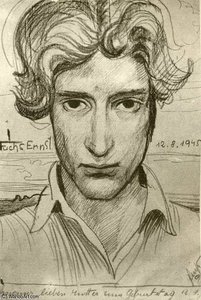
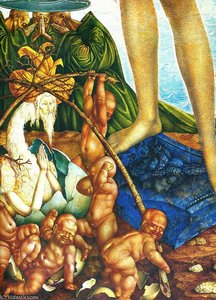
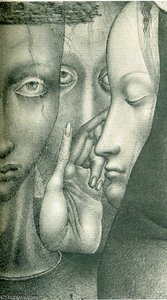
Πορτρέτο του Έρnst Φούξς

Τα 93 πιο διάσημα έργα του Έρnst Φούξς, μια επιλογή γκαλερί

Ενημερωμένο Νοέμβριος 2026 · κατάταξη βάσει του σκορ δημοφιλίας μας (αναζητήσεις, επισκέψεις και παραγγελίες για κάθε έργο) · 93 έργα του Έρnst Φούξς στον κατάλογό μας

Με σύντομη περιγραφή

Από όλα τα πρωτότυπα που άφησε ο Έρnst Φούξς, το πιο διάσημο είναι το THE ANGEL OF HISTORY (1992). Ακολουθούν στενά η THE LOST ORDEAL (1950) και η SATAN'S HEAVEN (1954). Ο κατάλογός μας περιλαμβάνει 93 έργα του Έρnst Φούξς· η γκαλερί έχει διατηρήσει τα 93 κομμάτια που θαυμάζει ο κόσμος, το καθένα με την ημερομηνία, το μουσείο και την ιστορία του.

1930 – 2015, Βιέννη Surrealism Περισσότερα έργα: Bavarian State Painting Collections

Τα 10 κορυφαία έργα του Έρnst Φούξς: η επιλογή της γκαλερί

Η επιλογή του Έρnst Φούξς συνεχίζεται, από τον 11 έως τον 93

11untitled (4766) του Έρnst Φούξςuntitled (4766) 12untitled (8374) του Έρnst Φούξςuntitled (8374) 13untitled (9849) του Έρnst Φούξςuntitled (9849) 14untitled (8760) του Έρnst Φούξςuntitled (8760) 15untitled (3545) του Έρnst Φούξςuntitled (3545) 16untitled (9147) του Έρnst Φούξςuntitled (9147) 17untitled (4778) του Έρnst Φούξςuntitled (4778) 18untitled (4410) του Έρnst Φούξςuntitled (4410) 19untitled (5885) του Έρnst Φούξςuntitled (5885) 20untitled (5692) του Έρnst Φούξςuntitled (5692) 21untitled (9379) του Έρnst Φούξςuntitled (9379) 22untitled του Έρnst Φούξςuntitled 23untitled (2213) του Έρnst Φούξςuntitled (2213) 24Looking through space (The golden nose) του Έρnst ΦούξςLooking through space (The golden nose) 25untitled (502) του Έρnst Φούξςuntitled (502) 26The Sorrowful Rosary του Έρnst ΦούξςThe Sorrowful Rosary 27The Lamentation of the ambivalent (1947) του Έρnst ΦούξςThe Lamentation of the ambivalent1947 28THE TEMPTATION OF THE VICTOR (1949) του Έρnst ΦούξςTHE TEMPTATION OF THE VICTOR1949 29The spirit of Mercury (1954) του Έρnst ΦούξςThe spirit of Mercury1954 30THE ANGEL OF DEATH OVER THE GATE TO PURGATORY (1956) του Έρnst ΦούξςTHE ANGEL OF DEATH OVER THE GATE TO PURGATORY1956 31THE WEDDING OF THE UNICHORN (1960) του Έρnst ΦούξςTHE WEDDING OF THE UNICHORN1960 32Psalm 69 (1960) του Έρnst ΦούξςPsalm 691960 33Metamorphoses of Lucretia (1958) του Έρnst ΦούξςMetamorphoses of Lucretia1958 34The Glorious Rosary (1961) του Έρnst ΦούξςThe Glorious Rosary1961 35Observator Infinitor (1972) του Έρnst ΦούξςObservator Infinitor1972 36THE TEMPLE ISLAND (1983) του Έρnst ΦούξςTHE TEMPLE ISLAND1983 37SELF-PORTRAIT WITH FEATHER HAT (1983) του Έρnst ΦούξςSELF-PORTRAIT WITH FEATHER HAT1983 38THE ANGEL OF THE LORD (1983) του Έρnst ΦούξςTHE ANGEL OF THE LORD1983 39THE PEACOCK (1986) του Έρnst ΦούξςTHE PEACOCK1986 40SOUTHERN FRENCH LANDSCAPE (1986) του Έρnst ΦούξςSOUTHERN FRENCH LANDSCAPE1986 41THE ROSE KING (1984) του Έρnst ΦούξςTHE ROSE KING1984 42THE WHORE BABYLON (1995) του Έρnst ΦούξςTHE WHORE BABYLON1995 43The Bottom of the World (2008) του Έρnst ΦούξςThe Bottom of the World2008 44untitled (9598) του Έρnst Φούξςuntitled (9598) 45untitled (3673) του Έρnst Φούξςuntitled (3673) 46untitled (9724) του Έρnst Φούξςuntitled (9724) 47untitled (4885) του Έρnst Φούξςuntitled (4885) 48untitled (1522) του Έρnst Φούξςuntitled (1522) 49untitled (4955) του Έρnst Φούξςuntitled (4955) 50untitled (7564) του Έρnst Φούξςuntitled (7564) 51untitled (5521) του Έρnst Φούξςuntitled (5521) 52untitled (8257) του Έρnst Φούξςuntitled (8257) 53untitled (425) του Έρnst Φούξςuntitled (425) 54untitled (9120) του Έρnst Φούξςuntitled (9120) 55untitled (9657) του Έρnst Φούξςuntitled (9657) 56untitled (8254) του Έρnst Φούξςuntitled (8254) 57untitled (4743) του Έρnst Φούξςuntitled (4743) 58untitled (9465) του Έρnst Φούξςuntitled (9465) 59untitled (8028) του Έρnst Φούξςuntitled (8028) 60untitled (5515) του Έρnst Φούξςuntitled (5515) 61untitled (9306) του Έρnst Φούξςuntitled (9306) 62untitled (4098) του Έρnst Φούξςuntitled (4098) 63untitled (2965) του Έρnst Φούξςuntitled (2965) 64untitled (5591) του Έρnst Φούξςuntitled (5591)Bavarian State Painting Collections 65untitled (195) του Έρnst Φούξςuntitled (195) 66untitled (4609) του Έρnst Φούξςuntitled (4609) 67untitled (8524) του Έρnst Φούξςuntitled (8524) 68untitled (2917) του Έρnst Φούξςuntitled (2917) 69untitled (8491) του Έρnst Φούξςuntitled (8491) 70untitled (8290) του Έρnst Φούξςuntitled (8290) 71untitled (1705) του Έρnst Φούξςuntitled (1705) 72untitled (1295) του Έρnst Φούξςuntitled (1295) 73untitled (9386) του Έρnst Φούξςuntitled (9386) 74untitled (5306) του Έρnst Φούξςuntitled (5306) 75untitled (6418) του Έρnst Φούξςuntitled (6418) 76untitled (4688) του Έρnst Φούξςuntitled (4688) 77untitled (7680) του Έρnst Φούξςuntitled (7680) 78untitled (236) του Έρnst Φούξςuntitled (236) 79untitled (6367) του Έρnst Φούξςuntitled (6367) 80untitled (5726) του Έρnst Φούξςuntitled (5726) 81untitled (5267) του Έρnst Φούξςuntitled (5267) 82untitled (9551) του Έρnst Φούξςuntitled (9551) 83untitled (8608) του Έρnst Φούξςuntitled (8608) 84untitled (1418) του Έρnst Φούξςuntitled (1418) 85untitled (4223) του Έρnst Φούξςuntitled (4223) 86untitled (2786) του Έρnst Φούξςuntitled (2786) 87untitled (3164) του Έρnst Φούξςuntitled (3164) 88untitled (4782) του Έρnst Φούξςuntitled (4782) 89untitled (7421) του Έρnst Φούξςuntitled (7421) 90untitled (3980) του Έρnst Φούξςuntitled (3980) 91untitled (6804) του Έρnst Φούξςuntitled (6804) 92untitled (5448) του Έρnst Φούξςuntitled (5448) 93untitled (1050) του Έρnst Φούξςuntitled (1050)

Τα διάσημα έργα του Έρnst Φούξς, ανά περίοδο

Τα θέματα που κίνησαν το ενδιαφέρον του Έρnst Φούξς

Τα τέσσερα θέματα που εμφανίζονται πιο συχνά σε αυτά τα πρωτότυπα έργα, το καθένα με το εξαιρετικό του παράδειγμα.

Τα μουσεία που διατηρούν τα πρωτότυπα έργα του Έρnst Φούξς

Το μουσείο με τη μεγαλύτερη συγκέντρωση έργων σε αυτήν τη σελίδα.

Μουσείο Πόλη Έργα του Έρnst Φούξς Πάτρια από αυτή τη λίστα
Bavarian State Painting Collections, ΜόναχοBavarian State Painting Collections Μόναχο 1 untitled (5591)

Ο Έρnst Φούξς δεκαετία προς δεκαετία: το πρωτότυπο που ορίζει κάθε μία

Έργα ανά δεκαετία

Επιλέξτε μια δεκαετία για να δείτε το πρωτότυπο έργο που την χαρακτηρίζει.

Ερωτήσεις συλλεκτών για τα έργα του Έρnst Φούξς

Για ποιο έργο είναι πιο γνωστός ο Έρnst Φούξς;Αποκαλύψτε την απάντηση

Το THE ANGEL OF HISTORY (1992). Στη συνέχεια ακολουθούν το THE LOST ORDEAL (1950) και το SATAN'S HEAVEN (1954).

Πόσο ηλικία είχε ο/η Έρnst Φούξς όταν δημιουργήθηκε το THE ANGEL OF HISTORY;Αποκαλύψτε την απάντηση

62 ετών: το έργο THE ANGEL OF HISTORY είναι του 1992, και ο/η Έρnst Φούξς γεννήθηκε το 1930.

Ποια είναι τα δέκα πιο διάσημα έργα του Έρnst Φούξς;Αποκαλύψτε την απάντηση

THE ANGEL OF HISTORY, THE LOST ORDEAL, SATAN'S HEAVEN, Plot 68, SPHINX I, THE VENUS BELT, SODOM, untitled (7580), untitled (4670) και untitled (7755). Η κατάταξη παραπάνω αναγράφει το έτος και το μουσείο για το κάθε έργο.

Πόσα έργα δημιούργησε ο/η Έρnst Φούξς;Αποκαλύψτε την απάντηση

Ο κατάλογός μας περιλαμβάνει 93 έργα του Έρnst Φούξς, με ημερομηνίες από 1947 έως 2008.

Σε ποια μουσεία εκτίθενται τα αριστούργημα του Έρnst Φούξς;Αποκαλύψτε την απάντηση

Κυρίως σε Bavarian State Painting Collections (Μόναχο). Ο πίνακας μουσείου παραπάνω τους περιλαμβάνει όλους.

Σε ποιες χρονιές δημιούργησε ο/η Έρnst Φούξς τα πιο διάσημα έργα του/της;Αποκαλύψτε την απάντηση

Κατά την περίοδο 1980s: 6 από τα 93 έργα σε αυτήν τη σελίδα δημιουργήθηκαν τότε, με THE TEMPLE ISLAND από αυτά να είναι μοναδικά.

Ποια είναι τα πρώτα και τα τελευταία διάσημα πρωτότυπα του Έρnst Φούξς;Αποκαλύψτε την απάντηση

Σε αυτήν τη σελίδα, το παλαιότερο είναι The Lamentation of the ambivalent (1947) και το νεότερο The Bottom of the World (2008).

Ποια θέματα επέλεξε πιο συχνά ο Έρnst Φούξς;Αποκαλύψτε την απάντηση

Symbols (7), Symbolic imagery (6) και Angels (2), σε συνολικά 93 έργα σε αυτήν τη σελίδα.

Σε ποιο καλλιτεχνικό κίνημα ανήκει ο/η Έρnst Φούξς;Αποκαλύψτε την απάντηση

Surrealism, όπως προκύπτει από τα πρωτότυπα σε αυτήν τη σελίδα.

Έρnst Φούξς: ζωή και έργο

Ernst Fuchs: A Pioneer of Fantastic Realism

Ernst Fuchs (1930-2015) stands as one of the most distinctive voices in Austrian art history, a figure inextricably linked to the emergence of the Vienna School of Fantastic Realism—a movement that irrevocably altered perceptions of artistic expression and challenged conventional notions of Surrealism. Born in Vienna during the turbulent years preceding World War II, Fuchs’s formative experiences profoundly shaped his worldview and fueled his artistic endeavors. His father, Maximilian Fuchs, a descendant of Sephardic Jewish ancestry, rejected religious vocation, prioritizing secular pursuits—a decision that would ultimately lead to heartbreaking repercussions during the Nazi occupation. Leopoldine Fuchs, Ernst's mother, bravely shielded him from the horrors of extermination camps by securing a formal divorce, an act driven by unwavering maternal devotion.
  • Early Influences: From Klimt and Schiele to Da Vinci and Munch
  • The Vienna School of Fantastic Realism: Technique and Vision
  • Religious Themes and Symbolism in Fuchs’s Art
  • Architectural Pursuits and the Villa Wagner Museum
  • Legacy and Recognition: A Lasting Impact on Contemporary Art
Fuchs' artistic education commenced at St Anna Painting School where he studied under Professor Fröhlich, absorbing the stylistic precepts of Gustav Klimt and Egon Schiele—artists whose unsettling imagery and exploration of psychological depths resonated deeply within him. These formative encounters instilled in Fuchs a fascination for confronting uncomfortable truths and delving into realms beyond rational comprehension. He continued his studies at the Vienna Academy of Fine Arts under Albert Paris von Gütersloh, encountering luminaries like Arik Brauer and Rudolf Hausner—individuals who would become collaborators on the audacious project that would define Fuchs’s artistic trajectory: the establishment of the Vienna School of Fantastic Realism. This groundbreaking movement distinguished itself from Surrealism by rejecting its detached intellectualism in favor of a more visceral engagement with emotion and experience. Fuchs championed a “mischtechnik”—a blended technique combining egg tempera for textural depth with oil paints glazed over to achieve luminous, jewel-like effects—a method meticulously honed to recapture the grandeur of Old Masters like Albrecht Altdorfer and Matthias Grünewald. His canvases pulsated with vibrant hues and intricate details, conveying a profound sense of wonder and inviting viewers into dreamlike landscapes populated by symbolic figures. Fuchs’s artistic vision was profoundly influenced by his father's Jewish heritage and his own conversion to Catholicism—experiences that instilled in him a deep appreciation for the interplay between faith and art. He sought inspiration from ancient alchemy and Jungian psychology, mirroring the quest for transformative knowledge embodied by these disciplines.

The Villa Wagner Museum: A Monument to Fuchs’s Artistic Philosophy

Recognizing the importance of preserving artistic heritage, Ernst Fuchs embarked on a monumental undertaking—the restoration of Otto Wagner's villa in Hütteldorf, Vienna. This architectural endeavor served as an extension of Fuchs’s broader artistic philosophy, mirroring his meticulous attention to detail and his unwavering commitment to capturing sublime beauty. The villa itself became a canvas for Fuchs’s creative impulses, adorned with sculptures and murals that embodied the spirit of Fantastic Realism—a testament to his belief in art's capacity to illuminate the hidden depths of human consciousness. The museum stands as an enduring symbol of Fuchs’s artistic legacy, inviting visitors to contemplate the transformative power of imagination and the pursuit of transcendent aesthetic experience.