Πορτρέτο του Κλαύδιος Σχούφενεκέρ

Τα 24 πιο διάσημα έργα του Κλαύδιος Σχούφενεκέρ, μια επιλογή γκαλερί

Ενημερωμένο Οκτώβριος 2026 · κατάταξη βάσει του σκορ δημοφιλίας μας (αναζητήσεις, επισκέψεις και παραγγελίες για κάθε έργο) · 26 έργα του Κλαύδιος Σχούφενεκέρ στον κατάλογό μας

Με σύντομη περιγραφή

Από όλα τα πρωτότυπα έργα που άφησε ο Κλαύδιος Σχούφενεκέρ, το πιο διάσημο είναι το Émile Bernard (1889), το οποίο βρίσκεται στη συλλογή του Μουσείο Καλών Τεχνών του Χιούστον, Χιούστον. Ακολουθούν στενά η Le retour des foins (1890) και η A View Of The Cliffs Of Etretat. Ο κατάλογός μας περιλαμβάνει 26 έργα του Κλαύδιος Σχούφενεκέρ· η γκαλερί έχει διατηρήσει τα 24 κομμάτια που θαυμάζει ο κόσμος, το καθένα με την ημερομηνία, το μουσείο και την ιστορία του.

1851 – 1934, Φρεν-Σαιν-Μαμέ Post-impressionism Περισσότερα έργα: Μουσείο Βάλραφ Ρίχαρτς

Τα 10 κορυφαία έργα του Κλαύδιος Σχούφενεκέρ: η επιλογή της γκαλερί

Η επιλογή του Κλαύδιος Σχούφενεκέρ συνεχίζεται, από τον 11 έως τον 24

Τα θέματα που κίνησαν το ενδιαφέρον του Κλαύδιος Σχούφενεκέρ

Τα τέσσερα θέματα που εμφανίζονται πιο συχνά σε αυτά τα πρωτότυπα έργα, το καθένα με το εξαιρετικό του παράδειγμα.

Τα μουσεία που διατηρούν τα πρωτότυπα έργα του Κλαύδιος Σχούφενεκέρ

Τα 5 μουσεία που φιλοξενούν το μεγαλύτερο μέρος των έργων σε αυτήν τη σελίδα.

Μουσεία Πόλη Έργα του Κλαύδιος Σχούφενεκέρ Πάτρια από αυτή τη λίστα
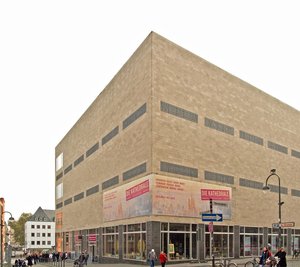
Μουσείο Βάλραφ Ρίχαρτς, KölnΜουσείο Βάλραφ Ρίχαρτς Köln 3 Child Dreaming Before the Sea, at Sunset, Kelp Gatherers, Notre Dame in the Snow
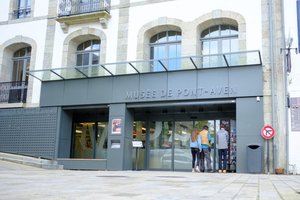
Musée de Pont-Aven, HastenparckMusée de Pont-Aven Hastenparck 3 Portrait of Jules Bois, Profile study of a young woman, Portrait of Madame Champsaur
Μουσείο Καλών Τεχνών του Χιούστον, ΧιούστονΜουσείο Καλών Τεχνών του Χιούστον Χιούστον 1 Émile Bernard
Μουσείο Kröller-Müller, OtterloΜουσείο Kröller-Müller Otterlo 1 Still Life with Bowl and Fruits
Musée des Beaux-Arts de Quimper, QuimperMusée des Beaux-Arts de Quimper Quimper 1 Rocky Coast in Brittany

Ο Κλαύδιος Σχούφενεκέρ ανά έτος: τα πρωτότυπα που τον ορίζουν

Η επιλογή καλύπτει τον/την Κλαύδιος Σχούφενεκέρ σε βάθος 12 χρόνια, από το 1884 έως το 1895, διατηρώντας τα κορυφαία πρωτότυπα κάθε έτους.

Έργα ανά έτος

Επιλέξτε μια χρονιά για να δείτε τα πρωτότυπα έργα της.

Ερωτήσεις συλλεκτών για τα έργα του Κλαύδιος Σχούφενεκέρ

Για ποιο έργο είναι πιο γνωστός ο Κλαύδιος Σχούφενεκέρ;Αποκαλύψτε την απάντηση

Émile Bernard (1889), Μουσείο Καλών Τεχνών του Χιούστον, Χιούστον. Στη συνέχεια ακολουθούν το Le retour des foins (1890) και το A View Of The Cliffs Of Etretat.

Πόσο ηλικία είχε ο/η Κλαύδιος Σχούφενεκέρ όταν δημιουργήθηκε το Émile Bernard;Αποκαλύψτε την απάντηση

38 ετών: το έργο Émile Bernard είναι του 1889, και ο/η Κλαύδιος Σχούφενεκέρ γεννήθηκε το 1851.

Ποια είναι τα δέκα πιο διάσημα έργα του Κλαύδιος Σχούφενεκέρ;Αποκαλύψτε την απάντηση

Émile Bernard, Le retour des foins, A View Of The Cliffs Of Etretat, Evening walk, Child Dreaming Before the Sea, at Sunset, The First Murder (also known as The Death of Abel), Still Life with Bowl and Fruits, Kelp Gatherers, Rocky Coast in Brittany και Notre Dame in the Snow. Η κατάταξη παραπάνω αναγράφει το έτος και το μουσείο για το κάθε έργο.

Πόσα έργα δημιούργησε ο/η Κλαύδιος Σχούφενεκέρ;Αποκαλύψτε την απάντηση

Ο κατάλογός μας περιλαμβάνει 26 έργα του Κλαύδιος Σχούφενεκέρ, με ημερομηνίες από 1884 έως 1895.

Σε ποια μουσεία εκτίθενται τα αριστούργημα του Κλαύδιος Σχούφενεκέρ;Αποκαλύψτε την απάντηση

Κυρίως σε Μουσείο Βάλραφ Ρίχαρτς (Köln), Musée de Pont-Aven (Hastenparck) και Μουσείο Καλών Τεχνών του Χιούστον (Χιούστον). Ο πίνακας μουσείου παραπάνω τους περιλαμβάνει όλους.

Σε ποιες χρονιές δημιούργησε ο/η Κλαύδιος Σχούφενεκέρ τα πιο διάσημα έργα του/της;Αποκαλύψτε την απάντηση

Κατά την περίοδο 1884: 2 από τα 24 έργα σε αυτήν τη σελίδα δημιουργήθηκαν τότε, με Child Dreaming Before the Sea, at Sunset από αυτά να είναι μοναδικά.

Ποια είναι τα πρώτα και τα τελευταία διάσημα πρωτότυπα του Κλαύδιος Σχούφενεκέρ;Αποκαλύψτε την απάντηση

Σε αυτήν τη σελίδα, το παλαιότερο είναι Child Dreaming Before the Sea, at Sunset (1884) και το νεότερο Portrait of Jules Bois (1895).

Ποια θέματα επέλεξε πιο συχνά ο Κλαύδιος Σχούφενεκέρ;Αποκαλύψτε την απάντηση

French art (3), Landscape painting (2) και Beach (2), σε συνολικά 24 έργα σε αυτήν τη σελίδα.

Σε ποιο καλλιτεχνικό κίνημα ανήκει ο/η Κλαύδιος Σχούφενεκέρ;Αποκαλύψτε την απάντηση

Post-impressionism και Impressionism, όπως προκύπτει από τα πρωτότυπα σε αυτήν τη σελίδα.

Ποια έργα του Κλαύδιος Σχούφενεκέρ εκτίθενται στο Μουσείο Βάλραφ Ρίχαρτς;Αποκαλύψτε την απάντηση

Child Dreaming Before the Sea, at Sunset, Kelp Gatherers και Notre Dame in the Snow: το Μουσείο Βάλραφ Ρίχαρτς, Köln διαθέτει 3 από τα έργα σε αυτήν τη σελίδα.

Κλαύδιος Σχούφενεκέρ: ζωή και έργο

Claude Emile Schuffenecker (1851–1934): An Unsung Pioneer of Impressionism

Claude Emile Schuffenecker, born December 8th, 1851, in Haute-Saône, France, remains a figure largely overshadowed by the luminaries of his era – Paul Gauguin and Odilon Redon. Yet, this quiet French Post-Impressionist artist possessed an undeniable contribution to the artistic landscape of late nineteenth century Paris, marked by a fervent dedication to capturing fleeting moments of beauty and a pioneering role in fostering the burgeoning field of art collecting. His life’s journey unfolded amidst considerable personal hardship, yet his artistic vision persisted, shaping landscapes imbued with atmospheric subtlety and portraits reflecting profound psychological depth—a testament to an artist who deserved greater recognition for his enduring legacy.

Early Life & Artistic Formation

Schuffenecker's upbringing was shaped by familial circumstances that instilled a strong work ethic. Following the untimely death of his father, Nicolas Schuffenecker—a tailor from Guewenheim (Alsace)—in 1854, he and his brother Amédée faced significant economic challenges as their mother relocated to Meudon, near Paris, where her family resided. Supported by his maternal aunt Anne Fauconnet Monnet, Schuffenecker received a robust education at the frères des écoles chrétiennes, preparing him for a career in commerce—specifically, assisting his uncle Pierre Cornu’s chocolate and coffee roasting business. This practical grounding would prove invaluable later in life, providing stability amidst artistic pursuits. Crucially, he found kindred spirits in Gauguin and Redon, engaging in spirited discussions about the masters at the Louvre and honing his skills at the Académie Colarossi—a formative experience that cemented his commitment to exploring innovative approaches to painting.

Friendship with Gauguin & The Volpini Exhibition

A profound connection blossomed between Schuffenecker and Paul Gauguin—a relationship transcending mere artistic camaraderie and deepening into genuine friendship. Both men shared an unwavering fascination for studying Old Masters, meticulously analyzing compositions and techniques at the Louvre, dissecting every brushstroke to understand the essence of artistic mastery. This intellectual exchange fueled their creative endeavors and solidified their conviction that art could transcend mere representation—aiming instead to convey emotion and psychological insight. Notably, Schuffenecker played an instrumental role in organizing the Volpini Exhibition of 1889—a landmark event showcasing Impressionist art and attracting considerable public attention. His involvement underscored his belief in disseminating artistic ideas and fostering dialogue within the Parisian avant-garde—demonstrating a visionary who recognized the importance of collective engagement with artistic innovation.

Schuffenecker’s Artistic Style & Influences

Schuffenecker's distinctive style is characterized by a masterful manipulation of light and color—traits undeniably influenced by Impressionism, yet tempered with a sensitivity to Symbolist aesthetics. He prioritized capturing mood and emotion over precise topographical accuracy—believing that the true power of art resided in its ability to evoke feeling rather than simply documenting reality. Consider “Near Meudon,” where Schuffenecker captures the ethereal quality of twilight, employing delicate brushstrokes and muted hues to convey a profound sense of tranquility—a scene rendered with remarkable subtlety and imbued with an atmosphere of contemplative beauty. Similarly, "Paysage Landscape" exemplifies his ability to distill complex visual information into evocative representations of nature—a testament to his artistic prowess and reflecting the broader Symbolist preoccupation with exploring inner landscapes alongside external vistas. He was particularly captivated by Vincent van Gogh’s expressive use of color and texture—recognizing that art could communicate profound psychological truths through unconventional techniques—and he embraced this approach wholeheartedly.

A Controversial Legacy & Rediscovery

Despite Schuffenecker's considerable contribution to Impressionism and art collecting—including his early involvement in establishing a collection of Van Gogh paintings—his artistic reputation suffered a significant setback following the 1920s, fueled by accusations of stylistic imitation and speculation regarding the authenticity of certain artworks attributed to him. Scholarly research has begun to illuminate Schuffenecker’s life and oeuvre with greater nuance—challenging earlier assessments and prompting renewed interest in his work. Recent investigations have bolstered a more measured understanding of his artistic achievements—acknowledging his dedication to capturing atmospheric subtleties and psychological depth—and demonstrating that Schuffenecker's legacy deserves reconsideration within the context of broader art historical debates. Today, Musée des Cultures Taurines in Nîmes proudly showcases Schuffenecker’s enduring influence through its impressive collection of paintings—a celebration of an artist who quietly shaped the trajectory of modern French painting.