Πορτρέτο του Ρώδικος

Τα 100 πιο διάσημα έργα του Ρώδικος, κάθε ένα μοναδικό

Ενημερωμένο Οκτώβριος 2026 · κατάταξη βάσει του σκορ δημοφιλίας μας (αναζητήσεις, επισκέψεις και παραγγελίες για κάθε έργο) · 205 έργα του Ρώδικος στον κατάλογό μας

Με σύντομη περιγραφή

Το έργο The Temptation of Saint Anthony (back) (1900) είναι το ποίτευμα του Ρώδικος που τραβάει τα περισσότερα βλέμματα· το πρωτότυπο ανήκει στο Museum of Fine Arts, Λιόν. Μετά από αυτό, το βλέμμα στρέφεται στο The three shades (1973) και στο The Thinker (1910). Ανάμεσα στα 205 έργα του Ρώδικος στον κατάλογό μας, αυτά τα 100 είναι τα πιο διάσημα, το καθένα ένα μοναδικό πρωτότυπο που παρουσιάζεται με την χρονολογία του, το μουσείο του και τον λόγο για τον οποίο παραμένει αιώνιο.

1840 – 1917, Πάρις Περισσότερα έργα: Legion of Honor

Τα 10 κορυφαία έργα του Ρώδικος, μέσα από το βλέμμα της γκαλερί

1
The Temptation of Saint Anthony (back) (1900) του Ρώδικος

The Temptation of Saint Anthony (back)

1900 · Marble · Museum of Fine Arts, Λιόν

François Auguste René Rodin’s “The Temptation of Saint Anthony (back)” is not merely a sculpture; it's an immersive experience, a visceral portrayal of the internal struggle between faith and desire. Completed around 1900, this powerful marble work transcends its religious subject matter to become a universal meditation on human vulnerability and the seductive pull of temptation. Rodin, already a revolutionary figure in sculpting the emotional landscape of his time, masterfully…

2
The three shades (1973) του Ρώδικος

The three shades

1973 · Oil On Canvas · Art Gallery of South Australia, Αδελαΐδη

WahooArt presents a meticulously crafted hand-painted reproduction of François Auguste René Rodin's iconic sculpture, "The Three Shades," a work that transcends mere representation to embody profound human emotion and connection. Executed in 1973, this piece captures the essence of Rodin’s genius – his ability to translate psychological depth into enduring sculptural form. The photograph itself reveals three nude male figures intertwined in a poignant tableau, their postures suggesting both vulnerability…

3
The Thinker (1910) του Ρώδικος

The Thinker

1910 · Bronze · Μετροπολιτικό Μουσείο Τέχνης, Νέα Υόρκη

The bronze sculpture known as The Thinker by Auguste Rodin emerged from a larger vision. It was commissioned in 1880 as a component of The Gates of Hell. This figure was not always known by its current name. In its early stages, the work was called The Poet. The bronze captures a nude male figure of heroic size. He sits upon a large rock.

4
Man and his Thought (1900) του Ρώδικος

Man and his Thought

1900 · Marble · Alte Nationalgalerie, Βερολίνο

François Auguste Rodin's "Man and His Thought," completed in 1900, is not merely a sculpture; it’s a profound meditation on the very act of artistic creation. This arresting work, housed within the Musée Rodin in Paris, captures a pivotal moment – the genesis of an idea struggling to manifest into physical form. The scene depicts a bearded artist, rendered with remarkable anatomical detail and a palpable sense of intensity, kneeling…

5
Man with the Broken Nose (1864) του Ρώδικος

Man with the Broken Nose

1864 · Sculpture Bronze · Legion of Honor, Σαν Φρανσίσκο

Man with the Broken Nose: A Study in Grief and Resilience The sculpture “Man with the Broken Nose,” created by Auguste Rodin in 1864, stands as a haunting testament to human vulnerability and an enduring symbol of contemplation. More than just a depiction of physical injury—a fractured nose—the piece delves into profound psychological themes, capturing the essence of sorrow and striving for inner peace within a meticulously crafted bronze form.…

6
The Fallen Angel (1890) του Ρώδικος

The Fallen Angel

1890 · Bronze · Legion of Honor, Σαν Φρανσίσκο

A Portrait of Sorrow: Examining Rodin’s “The Fallen Angel” François Auguste René Rodin's "The Fallen Angel," completed in 1890, stands as a cornerstone of Romantic sculpture and an enduring testament to the artist’s ability to convey profound emotion through form. More than just a depiction of a biblical figure—the angel Gabriel wrestling with despair—it embodies a complex tapestry of themes exploring grief, compassion, and the confrontation with mortality. The sculpture…

7
Victor Hugo (1917) του Ρώδικος

Victor Hugo

1917 · Marble · Legion of Honor, Σαν Φρανσίσκο

In the quiet, hallowed halls of sculptural history, few encounters are as visceral as witnessing Auguste Rodin’s “Victor Hugo.” Completed in 1917, during the twilight of the master sculptor's life, this marble masterpiece is far more than a mere anatomical likeness of France’s most luminous literary titan. It is an arresting testament to Rodin’s profound ability to translate the intangible weight of human thought into the permanence of stone. As…

8
Danaide (1885) του Ρώδικος

Danaide

1885 · Sculpture Bronze · Cantor Arts Center at Stanford University, Στάνφορντ

To stand before this sculpture is to encounter a moment suspended in time—a profound meditation on repose, perhaps even oblivion. The piece, titled Danaide, presents a breathtakingly intimate close-up study of the human head and shoulders. Rendered in a deeply textured, dark material suggestive of aged bronze, the surface whispers tales of oxidation and the passage of years. It is not merely a likeness; it is an emotional echo captured…

9
The Prodigal Son (1970) του Ρώδικος

The Prodigal Son

1970 · Sculpture Bronze · Art Gallery of New South Wales, Σίδνεϊ

To stand before The Prodigal Son is not merely to observe bronze; it is to encounter a raw, visceral outpouring of the human spirit. François Auguste René Rodin captured in this magnificent sculpture something far more ephemeral than metal—he has rendered the very moment of profound reckoning. The figure seems caught mid-exhalation, arms flung upward as if reaching for an impossible grace or perhaps embracing the weight of years of…

10
Minotaur (1886) του Ρώδικος

Minotaur

1886 · Sculpture · Cantor Arts Center at Stanford University, Στάνφορντ

To stand before Rodin’s Minotaur is not merely to observe stone; it is to confront a raw, visceral moment wrested from the depths of myth and human emotion. This monumental sculpture, born in 1886, captures an entanglement so charged with unspoken narrative that it seems to breathe its own history into the cool, dark material. Rodin, ever the master of the psychological portrait rendered in durable stone, has gifted us…

Τα διάσημα έργα του Ρώδικος, από το 11 έως το 100

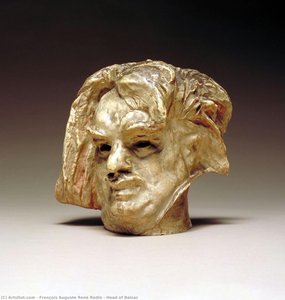
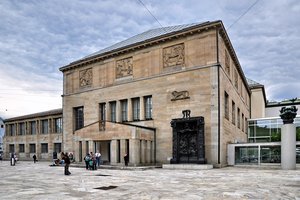
11Seated Female Nude (1887) του ΡώδικοςSeated Female Nude1887 · Cantor Arts Center at Stanford University 12La femme accroupie (The Crouching Woman) του ΡώδικοςLa femme accroupie (The Crouching Woman)Museum Folkwang 13Monumental Head of Jean d (1971) του ΡώδικοςMonumental Head of Jean d1971 · Los Angeles County Museum of Art 14Torso of a man (Study for (1979) του ΡώδικοςTorso of a man (Study for1979 · Art Gallery of South Australia 15The Thinker του ΡώδικοςThe ThinkerThe Baltimore Museum of Art 16Η Πύλη του Παραδείσου του ΡώδικοςΗ Πύλη του ΠαραδείσουShizuoka Prefectural Museum of Art 17The Hand of God του ΡώδικοςThe Hand of GodMaryhill Museum of Art 18Balzac Nude with his Arms Crossed (1892) του ΡώδικοςBalzac Nude with his Arms Crossed1892 19The Age of Bronze (1876) του ΡώδικοςThe Age of Bronze1876 · Μουσείο Εθνικής Τέχνης της Καταλονίας 20Torso of a Young Woman (1886) του ΡώδικοςTorso of a Young Woman1886 · Cantor Arts Center at Stanford University 21The Call to Arms (1879) του ΡώδικοςThe Call to Arms1879 · Legion of Honor 22The Age of Bronze (1876) του ΡώδικοςThe Age of Bronze1876 · Kunsthaus Zürich 23Small head of Jean de Fiennes with hand (1985) του ΡώδικοςSmall head of Jean de Fiennes with hand1985 · Art Gallery of South Australia 24Danaid (The spring) (1800) του ΡώδικοςDanaid (The spring)1800 · Εθνικό Μουσείο Αρχαίας Τέχνης 25Eternal Springtime (L’Eternel Printemps) (1898) του ΡώδικοςEternal Springtime (L’Eternel Printemps)1898 · Calouste Gulbenkian Foundation 26The age of bronze (1876) του ΡώδικοςThe age of bronze1876 · Kunstmuseum 27Pens (1895) του ΡώδικοςPens1895 · Musée d'Orsay 28Eternal Springtime (1901) του ΡώδικοςEternal Springtime1901 · Μουσείο Τέχνης Βουδαπέστης 29Saint John the Baptist (1880) του ΡώδικοςSaint John the Baptist1880 · Kunsthalle Bremen 30Head of Jean de Fiennes (1984) του ΡώδικοςHead of Jean de Fiennes1984 · Art Gallery of South Australia 31The Thinker του ΡώδικοςThe ThinkerMaryhill Museum of Art 32The Thinker (1888) του ΡώδικοςThe Thinker1888 · Legion of Honor 33St. John the Baptist - Sant Jean - Babtiste préchant (1878) του ΡώδικοςSt. John the Baptist - Sant Jean - Babtiste préchant1878 · National Gallery Prague 34Iris, Messenger of the Gods (1891) του ΡώδικοςIris, Messenger of the Gods1891 · Kunsthaus Zürich 35Pierre de Wiessant (1895) του ΡώδικοςPierre de Wiessant1895 · Kitakyushu Municipal Museum of Art 36Christ and the Magdalene (1894) του ΡώδικοςChrist and the Magdalene1894 · Legion of Honor 37Head of Balzac (1897) του ΡώδικοςHead of Balzac1897 · Nasher Sculpture Center 38Striding Man (1900) του ΡώδικοςStriding Man1900 · Staatliche Kunsthalle Karlsruhe 39The Thinker (1888) του ΡώδικοςThe Thinker1888 · Legion of Honor 40Hanako (1908) του ΡώδικοςHanako1908 · Nasher Sculpture Center 41Balzac (1898) του ΡώδικοςBalzac1898 42Portrait bust of Victor Hugo (1886) του ΡώδικοςPortrait bust of Victor Hugo1886 · Calouste Gulbenkian Foundation 43Pierre de Wissant nude (1985) του ΡώδικοςPierre de Wissant nude1985 · Art Gallery of South Australia 44The Sculptor and His Muse του ΡώδικοςThe Sculptor and His MuseLegion of Honor 45The Bronze Age (1875) του ΡώδικοςThe Bronze Age1875 · Kunsthalle Bremen 46Squatting woman (1882) του ΡώδικοςSquatting woman1882 · Μουσείο Kröller-Müller 47Ève του ΡώδικοςÈveMuseum Folkwang 48The Kiss του ΡώδικοςThe KissLegion of Honor 49Nude του ΡώδικοςNudeColección de Arte Amalia Lacroze de Fortabat 50Pierre de Wiessant (1912) του ΡώδικοςPierre de Wiessant1912 · Μετροπολιτικό Μουσείο Τέχνης 51The Age of Bronze (1876) του ΡώδικοςThe Age of Bronze1876 · Nasher Sculpture Center 52Μνημεῖον εἰς τὸν Βίκτορ Ὅγου του ΡώδικοςΜνημεῖον εἰς τὸν Βίκτορ ὍγουShimane Art Museum 53The Walking Man (1900) του ΡώδικοςThe Walking Man1900 · Aichi Prefectural Museum of Art 54Jean de Fiennes του ΡώδικοςJean de FiennesMaryhill Museum of Art 55Registration form from Auguste Rodin for the 9th exhibition (1901) του ΡώδικοςRegistration form from Auguste Rodin for the 9th exhibition1901 · Σεcession 56Head of Eustache de Saint-Pierre του ΡώδικοςHead of Eustache de Saint-Pierre 57The Thinker του ΡώδικοςThe ThinkerCa' Pesaro - International Gallery of Modern Art 58Bust of Victor Hugo (1883) του ΡώδικοςBust of Victor Hugo1883 · Μουσείο Τέχνης Κλίβελαντ 59The Gates of Hell (1917) του ΡώδικοςThe Gates of Hell1917 · Kunsthaus Zürich 60Spirit of Eternal Rest (Head no.33) (1984) του ΡώδικοςSpirit of Eternal Rest (Head no.33)1984 · Art Gallery of South Australia 61Toilet of Venus and Andromeda (1987) του ΡώδικοςToilet of Venus and Andromeda1987 · Art Gallery of South Australia 62Eve του ΡώδικοςEveDetroit Institute of Arts 63L του ΡώδικοςLMuseum Folkwang 64The Age of Bronze (L του ΡώδικοςThe Age of Bronze (LLegion of Honor 65First Maquette for the Monument to the Burghers of Calais (1884) του ΡώδικοςFirst Maquette for the Monument to the Burghers of Calais1884 · Cantor Arts Center at Stanford University 66Iris, messenger of the gods (with head) (1970) του ΡώδικοςIris, messenger of the gods (with head)1970 · Art Gallery of South Australia 67Minotaur του ΡώδικοςMinotaurMaryhill Museum of Art 68The Kiss του ΡώδικοςThe KissΕθνικό Μουσείο Βαρσοβίας 69Bust of Victor Hugo του ΡώδικοςBust of Victor Hugo 70Le Minotaure (Faune et nymphe) του ΡώδικοςLe Minotaure (Faune et nymphe)Museum Folkwang 71The Burghers of Calais του ΡώδικοςThe Burghers of CalaisCa' Pesaro - International Gallery of Modern Art 72Eternal Idol (1889) του ΡώδικοςEternal Idol1889 73Cupid and Psyche (1905) του ΡώδικοςCupid and Psyche1905 74Bust of Helene von Nostitz του ΡώδικοςBust of Helene von Nostitz 75Eternal Springtime του ΡώδικοςEternal SpringtimeHuntington Museum of Art 76Bust of Gustav Mahler του ΡώδικοςBust of Gustav Mahler 77One of the Danaides (1889) του ΡώδικοςOne of the Danaides1889 · Μουσείο Τέχνης Ateneum 78Age of Bronze (1876) του ΡώδικοςAge of Bronze1876 79Fugitive Love του ΡώδικοςFugitive LoveShizuoka Prefectural Museum of Art 80Eve (1881) του ΡώδικοςEve1881 · Nasher Sculpture Center 81Adam (1881) του ΡώδικοςAdam1881 82Minotaur or Faun and Nymph (1886) του ΡώδικοςMinotaur or Faun and Nymph1886 83Andromeda (1886) του ΡώδικοςAndromeda1886 84Psyche (1886) του ΡώδικοςPsyche1886 85The Prodigal Son (1889) του ΡώδικοςThe Prodigal Son1889 86Portrait Mask of Rose Beuret (1890) του ΡώδικοςPortrait Mask of Rose Beuret1890 · Lehmbruck Museum 87Pallas with the Parthenon (1896) του ΡώδικοςPallas with the Parthenon1896 88Assemblage: Mask of Camille Claudel and Left Hand of Pierre de Wissant (1895) του ΡώδικοςAssemblage: Mask of Camille Claudel and Left Hand of Pierre de Wissant1895 89Balzac (1897) του ΡώδικοςBalzac1897 90Youth Triumphant (La jeneusse triomphante) (1894) του ΡώδικοςYouth Triumphant (La jeneusse triomphante)1894 · Reading Public Museum 91Miss Jean Simpson, Seated (1903) του ΡώδικοςMiss Jean Simpson, Seated1903 · Brooklyn Museum 92Romeo and Juliet (1905) του ΡώδικοςRomeo and Juliet1905 93Assembly: Female nude Slavic woman's head emerging from a Vase (1910) του ΡώδικοςAssembly: Female nude Slavic woman's head emerging from a Vase1910 94Mask of Hanako, the Japanese Actress (1911) του ΡώδικοςMask of Hanako, the Japanese Actress1911 95Portrait Of The Japanese Dancer Hanako (1908) του ΡώδικοςPortrait Of The Japanese Dancer Hanako1908 96The female model (1917) του ΡώδικοςThe female model1917 · Εθνική Πινακοθήκη της Αρμενίας 97Man with Broken Nose (1863) του ΡώδικοςMan with Broken Nose1863 · Kunsthalle Bremen 98Reclining man, back arched (1985) του ΡώδικοςReclining man, back arched1985 · Art Gallery of South Australia 99Bathing Woman (1902) του ΡώδικοςBathing Woman1902 · National Gallery Prague 100Eve (view 2) (2000) του ΡώδικοςEve (view 2)2000

Τα διάσημα έργα του Ρώδικος, ανά περίοδο

Τα θέματα που κίνησαν το ενδιαφέρον του Ρώδικος

Τα τέσσερα θέματα που εμφανίζονται πιο συχνά σε αυτά τα πρωτότυπα έργα, το καθένα με το εξαιρετικό του παράδειγμα.

Τα μουσεία που διατηρούν τα πρωτότυπα έργα του Ρώδικος

Τα 8 μουσεία που φιλοξενούν το μεγαλύτερο μέρος των έργων σε αυτήν τη σελίδα.

Μουσείο Πόλη Έργα του Ρώδικος Πάτρια από αυτή τη λίστα
Legion of Honor, Σαν ΦρανσίσκοLegion of Honor Σαν Φρανσίσκο 10 Man with the Broken Nose, The Fallen Angel, Victor Hugo
Art Gallery of South Australia, ΑδελαΐδηArt Gallery of South Australia Αδελαΐδη 11 The three shades, Torso of a man (Study for, Small head of Jean de Fiennes with hand
Cantor Arts Center at Stanford University, ΣτάνφορντCantor Arts Center at Stanford University Στάνφορντ 6 Danaide, Minotaur, Seated Female Nude
Museum Folkwang, ΈσενMuseum Folkwang Έσεν 5 La femme accroupie (The Crouching Woman), Ève, L
Maryhill Museum of Art, GoldendaleMaryhill Museum of Art Goldendale 5 The Hand of God, The Thinker, Jean de Fiennes
Nasher Sculpture Center, DallasNasher Sculpture Center Dallas 4 Head of Balzac, Hanako, The Age of Bronze
Kunsthaus Zürich, ΖυρίχηKunsthaus Zürich Ζυρίχη 3 The Age of Bronze, Iris, Messenger of the Gods, The Gates of Hell
Kunsthalle Bremen, ΜπρέμενKunsthalle Bremen Μπρέμεν 3 Saint John the Baptist, The Bronze Age, Man with Broken Nose

Ο Ρώδικος μέσα από τις δεκαετίες: ένα μοναδικό πρωτότυπο για κάθε εποχή

Έργα ανά δεκαετία

Επιλέξτε μια δεκαετία για να δείτε το πρωτότυπο έργο που την χαρακτηρίζει.

Οι πίνακες του Ρώδικος: ερωτήσεις για την γκαλερί

Ποιο είναι το πιο διάσημο έργο του Ρώδικος;Αποκαλύψτε την απάντηση

The Temptation of Saint Anthony (back) (1900), Museum of Fine Arts, Λιόν. Στη συνέχεια ακολουθούν το The three shades (1973) και το The Thinker (1910).

Σε τι ηλικία δημιούργησε ο/η Ρώδικος το έργο The Temptation of Saint Anthony (back);Αποκαλύψτε την απάντηση

60 ετών: το έργο The Temptation of Saint Anthony (back) είναι του 1900, και ο/η Ρώδικος γεννήθηκε το 1840.

Ποια είναι τα δέκα πιο διάσημα έργα του Ρώδικος;Αποκαλύψτε την απάντηση

The Temptation of Saint Anthony (back), The three shades, The Thinker, Man and his Thought, Man with the Broken Nose, The Fallen Angel, Victor Hugo, Danaide, The Prodigal Son και Minotaur. Η κατάταξη παραπάνω αναγράφει το έτος και το μουσείο για το κάθε έργο.

Πόσα έργα του Ρώδικος είναι γνωστά;Αποκαλύψτε την απάντηση

Ο κατάλογός μας περιλαμβάνει 205 έργα του Ρώδικος, με ημερομηνίες από 1863 έως 1917.

Πού μπορούν να θαυμαστούν τα πιο διάσημα πρωτότυπα έργα του Ρώδικος;Αποκαλύψτε την απάντηση

Κυρίως σε Legion of Honor (Σαν Φρανσίσκο), Art Gallery of South Australia (Αδελαΐδη) και Cantor Arts Center at Stanford University (Στάνφορντ). Ο πίνακας μουσείου παραπάνω τους περιλαμβάνει όλους.

Κατά ποια περίοδο δημιούργησε ο/η Ρώδικος τα πιο γνωστά του/της έργα;Αποκαλύψτε την απάντηση

Κατά την περίοδο 1880s: 19 από τα 100 έργα σε αυτήν τη σελίδα δημιουργήθηκαν τότε, με Danaide από αυτά να είναι μοναδικά.

Ποιο διάσημο έργο του Ρώδικος είναι το παλαιότερο και ποιο το νεότερο;Αποκαλύψτε την απάντηση

Σε αυτήν τη σελίδα, το παλαιότερο είναι Man with Broken Nose (1863) και το νεότερο Victor Hugo (1917).

Ποια θέματα προτίμησε ο/η Ρώδικος;Αποκαλύψτε την απάντηση

Sculpture (47), Rodin (38) και Bronze (29), σε συνολικά 100 έργα σε αυτήν τη σελίδα.

Με ποια υλικά χρησιμοποίησε περισσότερο ο Ρώδικος;Αποκαλύψτε την απάντηση

Bronze, για 40 από τα 100 έργα σε αυτήν τη σελίδα.

Ποια πρωτότυπα έργα του Ρώδικος μπορώ να δω στο Legion of Honor;Αποκαλύψτε την απάντηση

Man with the Broken Nose, The Fallen Angel και Victor Hugo: το Legion of Honor, Σαν Φρανσίσκο διαθέτει 10 από τα έργα σε αυτήν τη σελίδα.

Ρώδικος: ένα πορτρέτο του καλλιτέχνη

Ο Ρονίν: Ο Γλύπτης των Ψυχών

François Auguste René Rodin, ένα όνομα συνυφασμένο με τον σύγχρονο γλυπτικό χώρο, αναδύθηκε από τη 19η αιώνα στη Γαλλία ως μια επαναστατική δύναμη. Γεννήθηκε στο Παρίσι στις 12 Νοεμβρίου 1840, σε μέτρια καταγωγή, ο νεαρός Ρονίν δεν είχε προοριστεί αρχικά για την καλλιτεχνική δόξα. Αρχικά δυσκολεύτηκε να αποκτήσει αποδοχή στο διάσημο École des Beaux-Arts, αντιμετωπίζοντας απόρριψη τρεις φορές πριν τελικά βρει το δρόμο του μέσω πρακτικής εκπαίδευσης ως διακοσμητικός λίθινος τεχνίτης. Αυτή η πρώιμη εμπειρία, ωστόσο, αποδείχθηκε ανεκτίμητη, καλλιεργώντας την τεχνική του δεξιοτεχνία και προάγοντας μια στενή κατανόηση της μορφής και του υλικού. Ήταν μια περίοδος ήσυχης εκπαίδευσης, ένα απαραίτητο προαίσθημα για τις σεισμικές μεταβολές που αργότερα θα εισήγαγε στον κόσμο της γλυπτικής. Τα σπόρια της μελλοντικής του καινοτομίας δεν γεννήθηκαν σε ακαδημαϊκά κτίρια, αλλά στην υπαρξιακή πραγματικότητα του λίθου και του πηλού. Μια βαθιά προσωπική απώλεια – ο θάνατος της αδελφής του Μαρίας – τον επηρέασε έντονα, οδηγώντας σε μια προσωρινή σκέψη για το θρησκευτικό βίο πριν δεσμευτεί πλήρως στην τέχνη. Αυτή η συναισθηματική εμβάθυνση θα γινόταν ένα καθοριστικό χαρακτηριστικό του έργου του, ενισχύοντας την ψυχική του ποιότητα σπάνιας εμφάνισης.

Η Διαφωνία με τις Παραδόσεις: Μια Νέα Γλώσσα στον Λίθο

Το καλλιτεχνικό ταξίδι του Ρονίν χαρακτηρίστηκε από μια συνειδητή απόκλιση από τους κυρίαρχους ακαδημαϊκούς πρότυπους της εποχής του. Ενώ εκπαιδεύτηκε σε κλασικές τεχνικές, αρνήθηκε τις ιδανικοποιημένες μορφές και τη λογοτεχνική αυστηρότητα που κυριαρχούσαν στη γλυπτική. Αναζητούσε αντίθετα να συλλάβει τις παροδικές αποχρώσεις της ανθρώπινης συνείδησης, το βάρος των σκέψεων και την πολυπλοκότητα του εσωτερικού κόσμου. Τα πρώιμα έργα του, όπως το *Η Εποχή του Σιδήρου* (1877), αρχικά προκάλεσαν αντιπαράθεση για τον ρεαλισμό τους και την έλλειψη μυθολογικής ή συμβολικής θεματολογίας. Οι κριτικοί βρήκαν τις μορφές του υπερβολικά ρεαλιστικές, πολύ αφαιρέσεις από την κομψότητα που αναμενόταν από τη γλυπτική. Ωστόσο, ο Ρονίν επιμένει, ωθούμενος από μια ακλόνητη πεποίθηση για το καλλιτεχνικό του όραμα. Άρχισε να εξερευνά διακεκομμένες μορφές, ακανόνιστα σχήματα και δυναμικές συνθέσεις που εκφράζουν μια αίσθηση κίνησης και ψυχικής έντασης. Αυτή η καινοτόμος προσέγγιση πρόκλησε τις παραδοσιακές αντιλήψεις της ομορφιάς και άνοιξε το δρόμο για μια νέα εποχή στην γλυπτική έκφρασης. Η ικανότητά του να μοντέλαρε περίπλοκες, ταραγμένες επιφάνειες σε πηλό ήταν ανήμπορη, επιτρέποντάς του να συλλάβει το παιχνίδι του φωτός και της σκιάς με εκπληκτική ευαισθησία.

Εμβληματικές Μορφές: Ο Σκεπτικός, Ο Κυμάτινος Έρωτας, και Περαιτέρω

Το παγκόσμιο αποτύπωμα του Ρονίν εδραιώνεται από μια σειρά εμβληματικών γλυπτών που συνεχίζουν να συγκινούν το κοινό σε όλο τον κόσμο. Ο *Σκεπτικός* (1880-1882), αρχικά προγραμματισμένος ως μέρος των Πυλών του Κάθρου, έγινε σύμβολο της φιλοσοφικής σκέψης, με τη δυναμική του μορφή να ενσωματώνει το βάρος της ανθρώπινης σκέψης και την υπαρξιακή ερώτηση. Ο *Κυμάτινος Έρωτας* (1886-1898), μια γιορτή του πάθους, είναι διάσημος για την αισθητική του ομορφιά και την συναισθηματική ένταση. Και οι *Οι Πολίτες του Καλαισαίων* (1884-1895), ένα μνημειακό τιμήματα της γενναιότητας και του θυσιασμού, στέκουν ως μαρτυρία ικανότητας του Ρονίν να εκφράζει βαθιά ανθρώπινα δράματα μέσω της γλυπτικής. Αυτά τα έργα δεν ήταν απλές αναπαραστάσεις φυσικών σωμάτων, αλλά εξερευνήσεις της ανθρώπινης κατάστασης, ενισχυμένες με ψυχική βάθος και συναισθηματική αντηχήση. Δεν δίστασε να απεικονίσει την ατέλειωτο ή το πένθος, αναγνωρίζοντας ότι αυτές οι ιδιότητες είναι αναπόσπαστα τμήματα της ανθρώπινης εμπειρίας. Τα γλυπτά του συχνά παρουσίαζαν ατελείωτες επιφάνειες, αφήνοντας ίχνη από το χέρι του καλλιτέχνη ως μαρτυρία του δημιουργικού διαδικασίας.

Η Επίδραση και η Κληρονομιά

Ήδη προς το τέλος του 19ου αιώνα, ο Ρονίν είχε επιτύχει διεθνή αναγνώριση, καθίσταμενος εξίσου με τον πιο διάσημο γλύπτη της εποχής του. Το έργο του επηρέασε βαθιά τις επόμενες γενιές καλλιτεχνών, εμπνέοντας τους να σπάσουν παραδοσιακούς περιορισμούς και να εξερευνήσουν νέους δρόμους καλλιτεχνικής έκφρασης. Θεωρείται ένας πρωταρχικός παράγοντας στην μετάβαση από τη γλυπτική του 19ου αιώνα στη σύγχρονη, καθορίζοντας το μέλλον της γλυπτικής με τον καινοτόμο τρόπο που αντιμετώπισε την ανθρώπινη μορφή. Η ικανότητά του να εκφράζει την ψυχή μέσα από το λίθο έκανε τον Ρονίν έναν από τους πιο σημαντικούς καλλιτέχνες της εποχής του.

Εξερεύνηση: Μουσεία και Κύρια Έργα

  • Μουσείο Ρονίν, Παρίσι: Σημαντικός προορισμός για όποιον ενδιαφέρεται να βιώσει το πλήρες εύρος της καλλιτεχνικής του οράσεως.
  • Εθνική Πινακοθήκη Τέχνης, Βατικανό: Περιλαμβάνει σημαντικές εργασίες του Ρονίν, προσφέροντας πληροφορίες για τη δημιουργική διαδικασία του.
  • Μουσείο Μοντέρνας Τέχνης, Σικάγο: Παρουσιάζει εντυπωσιακά κομμάτια όπως το μνημειακό άγαλμα του Βασιλιά Λεωφόρου.
  • Κύρια Έργα για Εξερεύνηση:
    • *Ο Σκεπτικός* – Ένα καθολικό σύμβολο της φιλοσοφικής σκέψης.
    • *Ο Κυμάτινος Έρωτας* – Μια εμβληματική αναπαράσταση του έρωτα και της πάθειας