Πορτρέτο του Αλφρέντ Σισλέ

Τα 100 πιο διάσημα έργα του Αλφρέντ Σισλέ, κάθε ένα μοναδικό

Ενημερωμένο Νοέμβριος 2026 · κατάταξη βάσει του σκορ δημοφιλίας μας (αναζητήσεις, επισκέψεις και παραγγελίες για κάθε έργο) · 767 έργα του Αλφρέντ Σισλέ στον κατάλογό μας

Με σύντομη περιγραφή

Το έργο Ο Σηματοδοτημένος Κανάλι του Αγίου Μάρτιν στην Παρίσι (1870) είναι το ποίτευμα του Αλφρέντ Σισλέ που τραβάει περισσότερα βλέμματα. Μετά από αυτό, το βλέμμα στρέφεται στο Λεπτό κοντά σε μια μικρή πόλη (1864) και στο Πόντις στην Βιλνέβ-λα-Γαρονέ (1872). Ανάμεσα στα 767 έργα του Αλφρέντ Σισλέ στον κατάλογό μας, αυτά τα 100 είναι τα πιο διάσημα, το καθένα ένα μοναδικό πρωτότυπο που παρουσιάζεται με την χρονολογία του, το μουσείο του και τον λόγο για τον οποίο παραμένει αιώνιο.

1839 – 1899, πρώην 4ο δημοτικό διαμέρισμα του Παρισιού Impressionist landscape Περισσότερα έργα: Musée d'Orsay

Τα 10 κορυφαία έργα του Αλφρέντ Σισλέ, μέσα από το βλέμμα της γκαλερί

1
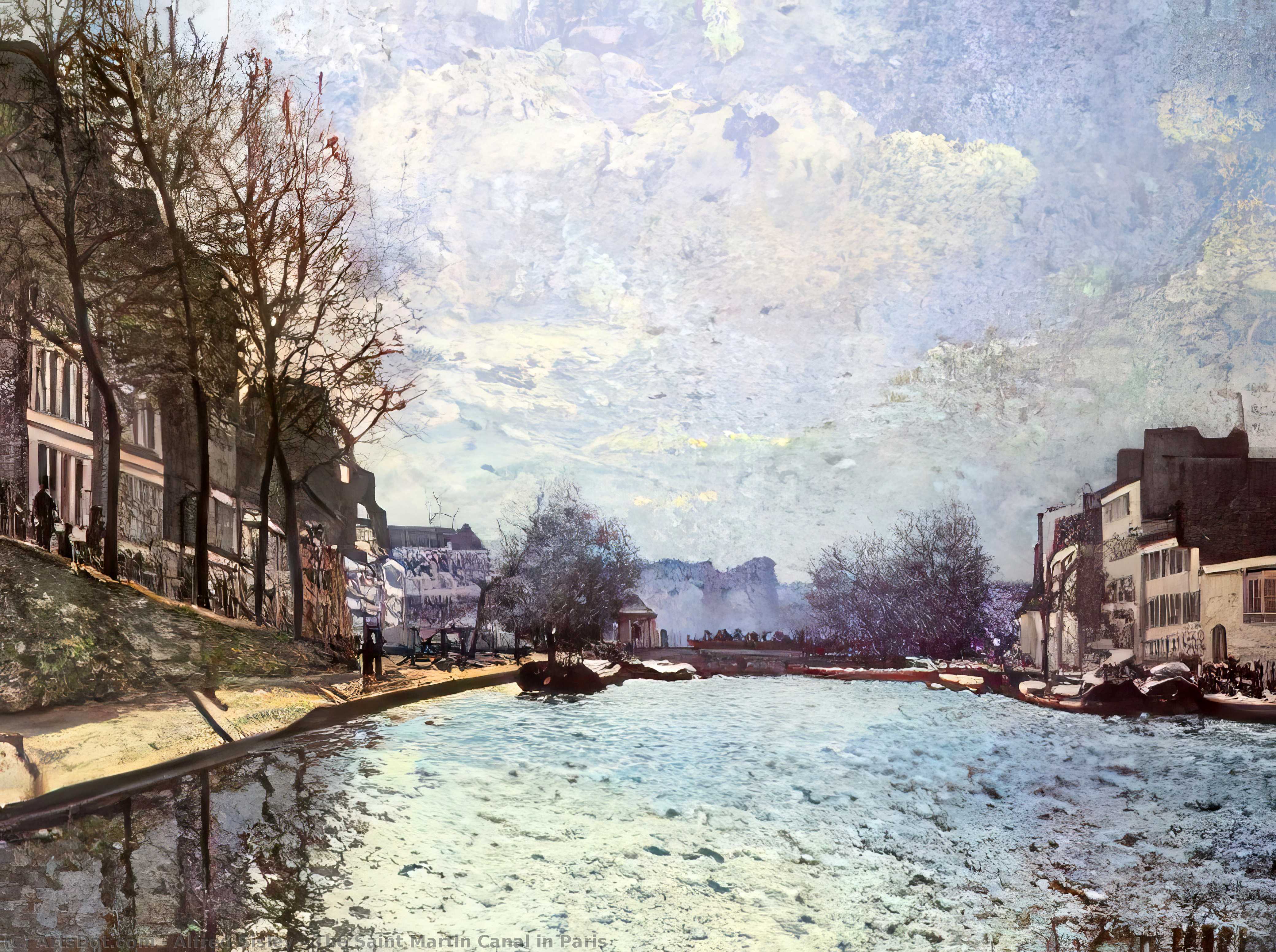
Ο Σηματοδοτημένος Κανάλι του Αγίου Μάρτιν στην Παρίσι (1870) του Αλφρέντ Σισλέ

Ο Σηματοδοτημένος Κανάλι του Αγίου Μάρτιν στην Παρίσι

1870 · Άνθρακα και λάδι σε καμβά

Το έργο του Αλφρέντ Σισλέ, το «Αλυσίδα του Αγίου Μάρτη» (1870), δεν είναι απλά μια απεικόνιση ενός παρισινικού καναλιού. Είναι μια εμπειρία – μια ήρεμη στιγμή της ζωής στην Παρίσι της δεκαετίας του 1870, καταγραφμένη με εξαιρετική ευαισθησία στο φως και την ατμόσφαιρα. Αντί να μας δείχνει αυτό που είδε ο Σισλέ, μας καλεί να νιώσουμε την ηρεμία μιας χειμωνιάτικης ή πρώινης καλοκαιρινής ημέρας κατά μήκος του καναλιού. Είναι μια…

2
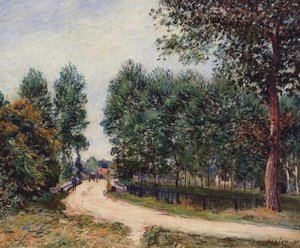
Λεπτό κοντά σε μια μικρή πόλη (1864) του Αλφρέντ Σισλέ

Λεπτό κοντά σε μια μικρή πόλη

1864 · Άνθρακα και λάδι σε καμβά

Η “Ο Δρόμος Κοντά σε ένα Μικρό Πόλη” (Lane near a Small Town) του Alfred Sisley δεν είναι απλώς μια απεικόνιση τοπίου, αλλά μια πρόσκληση για περισυχή και μια ματιά στην ίδια την ουσία της ζωής. Συντεταγμένη το 1864, αυτή η έργα καλεί τον θεατή να βυθιστεί σε ένα ονειρικό σκηνικό όπου η φύση κυριαρχεί και η γλυκύτητα του φωτός διαχέεται σαν χρυσή σκόνη. Ο Sisley, ένας πρωτοπόρος της ρευματοποιίας,…

3
Πόντις στην Βιλνέβ-λα-Γαρονέ (1872) του Αλφρέντ Σισλέ

Πόντις στην Βιλνέβ-λα-Γαρονέ

1872 · Άνθρακα και λάδι σε καμβά · Μετροπολιτικό Μουσείο Τέχνης, Νέα Υόρκη

Το Πορτραίτο της Γέφυρας στο Villeneuve-la-Garenne: Μια Εικόνα της Χαράς και της Φευγαλέας Ομορφιάς Η γλυπτική σιωπή του "Πορτραίτου της Γέφυρας στο Villeneuve-la-Garenne" του Alfred Sisley, που σήμερα φιλοξενείται με λαμπρότητα στα μουσεία του Χάρβαρντ, δεν είναι απλώς μια απεικόνιση ενός τοπίου. Είναι μια μαγευτική προσπάθεια να καταγραφεί η ίδια η στιγμή, η φευγαλέα χάρη της φωτός και της ατμόσφαιρας που διαρκούν μόνο ένα δευτερόλεπτο. Δημιουργημένο το 1872, αυτό το…

4
Η Σηκουάν στο σημείο της Ημέρας (1878) του Αλφρέντ Σισλέ

Η Σηκουάν στο σημείο της Ημέρας

1878 · Άνθρακα και λάδι σε καμβά · Μουσείο Σύγχρονης Τέχνης André Malraux, Λε Χαβρέ

Η "La Seine au point du jour" (1878) του Alfred Sisley δεν είναι απλώς μια απεικόνιση ενός τοπίου, αλλά μια μεταφορά μιας στιγμής. Είναι μια προσπάθεια να καταγραφεί η αέναη αλλαγή του φωτός πάνω στην επιφάνεια του ποταμού Σεν ντε Μαρ, έναρξη της ημέρας που αποχτίζει τα χρώματα και τις σκιές με τρόπο μοναδικό. Ο Sisley, ένας από τους πιο συνεπείς εκπροσώπους του ρεύματος των Ιμπρεσιονιστών, δεν επιδιώκει την ακριβή…

5
Μορε-σούρ-Λοίνγκ (1888) του Αλφρέντ Σισλέ

Μορε-σούρ-Λοίνγκ

1888 · Άνθρακα και λάδι σε καμβά

Το έργο «Μορε-σούρ-Λοίνγκ», το οποίο ζωγραφίστηκε από τον Alfred Sisley το 1888, αποτελεί ένα μαγευτικό δείγμα της εμπρησιονιστικής τοπικής ζωγραφικής, η οποία προσκαλεί τον θεατή σε μια γαλήρια πόλη στις όχθες του ποταμού, βυθισμένη στη απαλή λάμψη του ηλιοβασιλέματος. Αυτό το εξαιρετικό αριστούρημα αναδεικνύει την ικανότητα του Sisley να κατακταίνει το φως και την ατμόσφαιρα, καθιστώντας το μια πολύτιμη προσθήκη για κάθε λάτρη της τέχνης ή συλλέκτη.

6
Εθνικό Μουσείο Λουβρού (1875) του Αλφρέντ Σισλέ

Εθνικό Μουσείο Λουβρού

1875 · Άνθρακα και λάδι σε καμβά

Ένα Γαλήνιο Ταξίδι μέσα στη Φύση Το έργο «Περπάτημα προς τη Λουβρεσιέ» του Άλφρεντ Σισλέ είναι ένα μαγευτικό ιμπρασιονιστικό τοπίο που προσκαλεί τους θεατές σε έναν ήσυχο κόσμο φυσικής ομορφιάς. Ζωγραφημένο το 1875, αυτό το αριστούργημα αποτυπώνει την ουσία της γαλλικής ύπαιθρου με τα έντονα χρώματά του και τις λεπτεπίλεπτες πινελιές του καλλιτέχνη. Ιμπρασιονιστική Δεξτερότητα Η τελειότητα του Σισλέ στο ιμπρασιονιστικό στυλ είναι φανερή σε αυτό το έργο. Οι εμφανείς…

7
Δύση στον Πόρτ Μάρλι (1876) του Αλφρέντ Σισλέ

Δύση στον Πόρτ Μάρλι

1876 · Άνθρακα και λάδι σε καμβά

Immerse yourself in the serene beauty of “Sunset at Port Marly,” a captivating Impressionist landscape that transports us to a tranquil corner of rural France. Painted in 1876, this artwork by Alfred Sisley isn’t merely a depiction of a scene; it's an embodiment of a fleeting moment – the quiet grace of twilight settling over a peaceful village. The painting invites contemplation and evokes a profound sense of nostalgia, capturing…

8
Moret sur Loing, Morning (1892) του Αλφρέντ Σισλέ

Moret sur Loing, Morning

1892 · Oil On Canvas

To gaze upon Alfred Sisley's Moret sur Loing, Morning is to be instantly transported across the veil of time and geography, settling into the gentle rhythm of late nineteenth-century rural life. This masterpiece captures more than just a picturesque view; it encapsulates a profound sense of tranquility that has long captivated the artistic imagination. The scene unfolds along the placid banks of a river, where the architecture of a small…

9
Plum and Walnut Trees in Spring (1889) του Αλφρέντ Σισλέ

Plum and Walnut Trees in Spring

1889 · Oil On Canvas

To gaze upon Alfred Sisley’s Plum and Walnut Trees in Spring is to step directly into a breath of vernal air, a moment suspended between the quiet slumber of winter and the vibrant awakening of life. This magnificent oil on canvas, painted in 1889, transcends mere depiction; it is an immersion into the very essence of springtime itself. Sisley, the master chronicler of light and landscape within the Impressionist movement,…

10
The Moret Bridge in the Sunlight (1892) του Αλφρέντ Σισλέ

The Moret Bridge in the Sunlight

1892 · Oil On Canvas

To gaze upon The Moret Bridge in the Sunlight is to step directly into a luminous dreamscape from late nineteenth-century France. Alfred Sisley, the master chronicler of light and landscape, has gifted us more than just a painting; he has preserved a fleeting moment—the perfect confluence of architecture, flowing water, and ethereal sunlight. This oil on canvas, dating from 1892, embodies the very spirit of Impressionism. The scene unfolds around…

Τα διάσημα έργα του Αλφρέντ Σισλέ, από το 11 έως το 100

11By the Loing (1885) του Αλφρέντ ΣισλέBy the Loing1885 12Road Along the Seine at Saint Mammes (1880) του Αλφρέντ ΣισλέRoad Along the Seine at Saint Mammes1880 · Dallas Museum of Art 13Banks of the Loing at Saint Mammes (1885) του Αλφρέντ ΣισλέBanks of the Loing at Saint Mammes1885 14Promenade of Chestnut Trees (1878) του Αλφρέντ ΣισλέPromenade of Chestnut Trees1878 15Flood at Port-Marly, Musee des Beaux - (1876) του Αλφρέντ ΣισλέFlood at Port-Marly, Musee des Beaux -1876 16Path along the Loing Canal (1891) του Αλφρέντ ΣισλέPath along the Loing Canal1891 17Riverbank at Veneux (1881) του Αλφρέντ ΣισλέRiverbank at Veneux1881 · Johannesburg Art Gallery 18Walnut Trees, Sunset Early Days of October (1882) του Αλφρέντ ΣισλέWalnut Trees, Sunset Early Days of October1882 19Boulevard Heloise, Argenteuil (1872) του Αλφρέντ ΣισλέBoulevard Heloise, Argenteuil1872 · Εθνική Πινακοθήκη Τέχνης 20Orchard in spring (1881) του Αλφρέντ ΣισλέOrchard in spring1881 · Museum Boijmans Van Beuningen 21Horses being Watered at Marly le Roi (1875) του Αλφρέντ ΣισλέHorses being Watered at Marly le Roi1875 22Spring at Moret on the Loing River του Αλφρέντ ΣισλέSpring at Moret on the Loing River 23The Slopes of Bougival (1875) του Αλφρέντ ΣισλέThe Slopes of Bougival1875 · Εθνική Πινακοθήκη του Καναδά 24The lane of the Machine (1873) του Αλφρέντ ΣισλέThe lane of the Machine1873 25The Seine at Bougival (1873) του Αλφρέντ ΣισλέThe Seine at Bougival1873 26Summer at Bougival (1876) του Αλφρέντ ΣισλέSummer at Bougival1876 · Foundation E.G. Bührle Collection 27View of Moret (1880) του Αλφρέντ ΣισλέView of Moret1880 28Banks of the Seine (1879) του Αλφρέντ ΣισλέBanks of the Seine1879 · Musée d'Orsay 29Bridge at Serves (1877) του Αλφρέντ ΣισλέBridge at Serves1877 · Εθνική Πινακοθήκη Λονδίνου 30Church of Moret (1893) του Αλφρέντ ΣισλέChurch of Moret1893 31The Rising Path (1875) του Αλφρέντ ΣισλέThe Rising Path1875 32Molesey Weir, Hampton Court (1874) του Αλφρέντ ΣισλέMolesey Weir, Hampton Court1874 · Εθνική Πινάκοθήκη της Σκωτίας 33Road under Snow, Louveciennes (1876) του Αλφρέντ ΣισλέRoad under Snow, Louveciennes1876 34Banks of the Loing at Moret (1892) του Αλφρέντ ΣισλέBanks of the Loing at Moret1892 35Road from Versailles to Saint Germain (1875) του Αλφρέντ ΣισλέRoad from Versailles to Saint Germain1875 · Μουσείο J. Paul Getty 36Snow at Louveciennes (1874) του Αλφρέντ ΣισλέSnow at Louveciennes1874 · Museum Barberini 37Garden in Louveciennes in the Snow (1874) του Αλφρέντ ΣισλέGarden in Louveciennes in the Snow1874 38The Loing at Saint-Mammes (1884) του Αλφρέντ ΣισλέThe Loing at Saint-Mammes1884 39Moret-Sur-Loing (1892) του Αλφρέντ ΣισλέMoret-Sur-Loing1892 40The Hills of La Bouille (1894) του Αλφρέντ ΣισλέThe Hills of La Bouille1894 41Street Entering the Village (1880) του Αλφρέντ ΣισλέStreet Entering the Village1880 42The Moret Bridge at Sunset (1892) του Αλφρέντ ΣισλέThe Moret Bridge at Sunset1892 43The Church at Moret, Afternoon (1894) του Αλφρέντ ΣισλέThe Church at Moret, Afternoon1894 44View in Moret (Rue de Fosses) (1892) του Αλφρέντ ΣισλέView in Moret (Rue de Fosses)1892 · Εθνική Γκαλερί της Ουαλίας 45The Seine at Grenelle (1878) του Αλφρέντ ΣισλέThe Seine at Grenelle1878 46Bridge at Villeneuve-la-Garenne (1872) του Αλφρέντ ΣισλέBridge at Villeneuve-la-Garenne1872 · Μετροπολιτικό Μουσείο Τέχνης 47The Island of La Grande Jatte (1873) του Αλφρέντ ΣισλέThe Island of La Grande Jatte1873 · Musée d'Orsay 48Street in Ville d Avray (1873) του Αλφρέντ ΣισλέStreet in Ville d Avray1873 49Orchard (1885) του Αλφρέντ ΣισλέOrchard1885 50Le Pont de Sevres (1879) του Αλφρέντ ΣισλέLe Pont de Sevres1879 51The Barge Port and Saint Mammes (1884) του Αλφρέντ ΣισλέThe Barge Port and Saint Mammes1884 · High Museum of Art 52Bridge over the Orvanne near Moret (1883) του Αλφρέντ ΣισλέBridge over the Orvanne near Moret1883 53Banks of the Loing, Winter (1896) του Αλφρέντ ΣισλέBanks of the Loing, Winter1896 · Art Institute of Chicago 54Landscape (1886) του Αλφρέντ ΣισλέLandscape1886 55Haystacks at Moret Morning Light (1890) του Αλφρέντ ΣισλέHaystacks at Moret Morning Light1890 · Εθνική Πινακοθήκη της Βικτώριας 56Boats on the Loing River (1895) του Αλφρέντ ΣισλέBoats on the Loing River1895 57Haystacks (1895) του Αλφρέντ ΣισλέHaystacks1895 58Lady s Cove (1897) του Αλφρέντ ΣισλέLady s Cove1897 59Street in Moret(Porte de Bourgogne from across the Bridge) (1888) του Αλφρέντ ΣισλέStreet in Moret(Porte de Bourgogne from across the Bridge)1888 · Art Institute of Chicago 60Chestnut Tree at Saint Mammes (1880) του Αλφρέντ ΣισλέChestnut Tree at Saint Mammes1880 61The Loing at High Water (1889) του Αλφρέντ ΣισλέThe Loing at High Water1889 62Washerwomen of Bougival (1875) του Αλφρέντ ΣισλέWasherwomen of Bougival1875 · Kunsthaus Zürich 63Bridge at Villeneuve la Garenne (1872) του Αλφρέντ ΣισλέBridge at Villeneuve la Garenne1872 64Snow in Marly-le-Roi (1875) του Αλφρέντ ΣισλέSnow in Marly-le-Roi1875 · Musée d'Orsay 65Snow at Louveciennes (1874) του Αλφρέντ ΣισλέSnow at Louveciennes1874 · The Phillips Collection 66Under the snow: farmyard in Marly-le-Roi (1876) του Αλφρέντ ΣισλέUnder the snow: farmyard in Marly-le-Roi1876 · Musée d'Orsay 67Moret, Banks of the Loing (1892) του Αλφρέντ ΣισλέMoret, Banks of the Loing1892 · Musée d'Orsay 68Loing Canal at Saint Mammes (1885) του Αλφρέντ ΣισλέLoing Canal at Saint Mammes1885 69Road from Saint Germain to Marly (1875) του Αλφρέντ ΣισλέRoad from Saint Germain to Marly1875 · Foundation E.G. Bührle Collection 70Construction Site at Saint Mammes (1880) του Αλφρέντ ΣισλέConstruction Site at Saint Mammes1880 71The St. Martin Canal του Αλφρέντ ΣισλέThe St. Martin Canal 72The Seine at Argenteuil Sun του Αλφρέντ ΣισλέThe Seine at Argenteuil Sun 73Snow at Louveciennes 2 του Αλφρέντ ΣισλέSnow at Louveciennes 2 74Grapes And Walnuts On A Table του Αλφρέντ ΣισλέGrapes And Walnuts On A TableΜουσείο Τέχνης Βοστώνης 75Goose Girl (1895) του Αλφρέντ ΣισλέGoose Girl1895 76Banks of the Loing, Autumn (1880) του Αλφρέντ ΣισλέBanks of the Loing, Autumn1880 77Saint Mammes Dam (1885) του Αλφρέντ ΣισλέSaint Mammes Dam1885 78The Church at Moret in Morning Sun (1893) του Αλφρέντ ΣισλέThe Church at Moret in Morning Sun1893 · Building of the Winterthur Museum of Art 79The Loing at Moret in Summer (1891) του Αλφρέντ ΣισλέThe Loing at Moret in Summer1891 80A Cardiff Shipping Lane (1897) του Αλφρέντ ΣισλέA Cardiff Shipping Lane1897 · Musée des Beaux-Arts 81The Bridge at Moret at Sunset (1892) του Αλφρέντ ΣισλέThe Bridge at Moret at Sunset1892 82Rainy spring near Paris (1879) του Αλφρέντ ΣισλέRainy spring near Paris1879 · Musée d'Orsay 83Bougival (1876) του Αλφρέντ ΣισλέBougival1876 · Cincinnati Art Museum 84The Road from Versailles to Louveciennes (1879) του Αλφρέντ ΣισλέThe Road from Versailles to Louveciennes1879 · Μετροπολιτικό Μουσείο Τέχνης 85The straw Rent (1888) του Αλφρέντ ΣισλέThe straw Rent1888 86Autumn Landscape, Louveciennnes (1875) του Αλφρέντ ΣισλέAutumn Landscape, Louveciennnes1875 87Spring in Bougival (1873) του Αλφρέντ ΣισλέSpring in Bougival1873 · Philadelphia Museum of Art 88Sunrise at Saint Mammes (1880) του Αλφρέντ ΣισλέSunrise at Saint Mammes1880 89Walnut Tree in a Thomery Field (1880) του Αλφρέντ ΣισλέWalnut Tree in a Thomery Field1880 90The Path from Saint Mammes, Morning (1890) του Αλφρέντ ΣισλέThe Path from Saint Mammes, Morning1890 91Village on the Banks of the Seine (aka Villeneuve-la-Garenne) του Αλφρέντ ΣισλέVillage on the Banks of the Seine (aka Villeneuve-la-Garenne) 92Garden Path in Louveciennes (Chemin de l'Etarche) του Αλφρέντ ΣισλέGarden Path in Louveciennes (Chemin de l'Etarche) 93Flood at Pont-Marley του Αλφρέντ ΣισλέFlood at Pont-Marley 94Street in Louveciennes, Sunlight (1878) του Αλφρέντ ΣισλέStreet in Louveciennes, Sunlight1878 · Musée d'Orsay 95The Forest at Boulogne (1880) του Αλφρέντ ΣισλέThe Forest at Boulogne1880 96Landscape, fields of Veneux-Nadon (1900) του Αλφρέντ ΣισλέLandscape, fields of Veneux-Nadon1900 · Musée d'Orsay 97The Loing Canal at Saint Mammes (1884) του Αλφρέντ ΣισλέThe Loing Canal at Saint Mammes1884 98Στην ακτή της Λανγκλαντ Μπεϊ του Βαλς (1897) του Αλφρέντ ΣισλέΣτην ακτή της Λανγκλαντ Μπεϊ του Βαλς1897 99The Edge of the Forest in Spring (1885) του Αλφρέντ ΣισλέThe Edge of the Forest in Spring1885 · Musée d'Orsay 100The Route to Mantes (1874) του Αλφρέντ ΣισλέThe Route to Mantes1874 · Μουσείο του Λούβρου

Τα διάσημα έργα του Αλφρέντ Σισλέ, ανά περίοδο

Τα θέματα που κίνησαν το ενδιαφέρον του Αλφρέντ Σισλέ

Τα τέσσερα θέματα που εμφανίζονται πιο συχνά σε αυτά τα πρωτότυπα έργα, το καθένα με το εξαιρετικό του παράδειγμα.

Τα μουσεία που διατηρούν τα πρωτότυπα έργα του Αλφρέντ Σισλέ

Τα 8 μουσεία που φιλοξενούν το μεγαλύτερο μέρος των έργων σε αυτήν τη σελίδα.

Μουσείο Πόλη Έργα του Αλφρέντ Σισλέ Πάτρια από αυτή τη λίστα
Musée d'Orsay, ΠαρίσιMusée d'Orsay Παρίσι 42 Banks of the Seine, The Island of La Grande Jatte, Snow in Marly-le-Roi
Μετροπολιτικό Μουσείο Τέχνης, Νέα ΥόρκηΜετροπολιτικό Μουσείο Τέχνης Νέα Υόρκη 9 Πόντις στην Βιλνέβ-λα-Γαρονέ, Bridge at Villeneuve-la-Garenne, The Road from Versailles to Louveciennes
Art Institute of Chicago, ΣικάγκοArt Institute of Chicago Σικάγκο 7 Banks of the Loing, Winter, Street in Moret(Porte de Bourgogne from across the Bridge)
Foundation E.G. Bührle Collection, ΖυρίχηFoundation E.G. Bührle Collection Ζυρίχη 4 Summer at Bougival, Road from Saint Germain to Marly
Museum Barberini, ΠότσδαμMuseum Barberini Πότσδαμ 12 Snow at Louveciennes
Εθνική Πινακοθήκη Τέχνης, ΟυάσινγκτονΕθνική Πινακοθήκη Τέχνης Ουάσινγκτον 7 Boulevard Heloise, Argenteuil
Μουσείο Τέχνης Βοστώνης, ΜπόσττονΜουσείο Τέχνης Βοστώνης Μπόσττον 7 Grapes And Walnuts On A Table
Philadelphia Museum of Art, ΦιλαδέλφειαPhiladelphia Museum of Art Φιλαδέλφεια 7 Spring in Bougival

Ο Αλφρέντ Σισλέ μέσα από τις δεκαετίες: ένα μοναδικό πρωτότυπο για κάθε εποχή

Έργα ανά δεκαετία

Επιλέξτε μια δεκαετία για να δείτε το πρωτότυπο έργο που την χαρακτηρίζει.

Οι πίνακες του Αλφρέντ Σισλέ: ερωτήσεις για την γκαλερί

Ποιο είναι το πιο διάσημο έργο του Αλφρέντ Σισλέ;Αποκαλύψτε την απάντηση

Το Ο Σηματοδοτημένος Κανάλι του Αγίου Μάρτιν στην Παρίσι (1870). Στη συνέχεια ακολουθούν το Λεπτό κοντά σε μια μικρή πόλη (1864) και το Πόντις στην Βιλνέβ-λα-Γαρονέ (1872).

Σε τι ηλικία δημιούργησε ο/η Αλφρέντ Σισλέ το έργο Ο Σηματοδοτημένος Κανάλι του Αγίου Μάρτιν στην Παρίσι;Αποκαλύψτε την απάντηση

31 ετών: το έργο Ο Σηματοδοτημένος Κανάλι του Αγίου Μάρτιν στην Παρίσι είναι του 1870, και ο/η Αλφρέντ Σισλέ γεννήθηκε το 1839.

Ποια είναι τα δέκα πιο διάσημα έργα του Αλφρέντ Σισλέ;Αποκαλύψτε την απάντηση

Ο Σηματοδοτημένος Κανάλι του Αγίου Μάρτιν στην Παρίσι, Λεπτό κοντά σε μια μικρή πόλη, Πόντις στην Βιλνέβ-λα-Γαρονέ, Η Σηκουάν στο σημείο της Ημέρας, Μορε-σούρ-Λοίνγκ, Εθνικό Μουσείο Λουβρού, Δύση στον Πόρτ Μάρλι, Moret sur Loing, Morning, Plum and Walnut Trees in Spring και The Moret Bridge in the Sunlight. Η κατάταξη παραπάνω αναγράφει το έτος και το μουσείο για το κάθε έργο.

Πόσα έργα του Αλφρέντ Σισλέ είναι γνωστά;Αποκαλύψτε την απάντηση

Ο κατάλογός μας περιλαμβάνει 767 έργα του Αλφρέντ Σισλέ, με ημερομηνίες από 1864 έως 1897.

Πού μπορούν να θαυμαστούν τα πιο διάσημα πρωτότυπα έργα του Αλφρέντ Σισλέ;Αποκαλύψτε την απάντηση

Κυρίως σε Musée d'Orsay (Παρίσι), Μετροπολιτικό Μουσείο Τέχνης (Νέα Υόρκη) και Art Institute of Chicago (Σικάγκο). Ο πίνακας μουσείου παραπάνω τους περιλαμβάνει όλους.

Κατά ποια περίοδο δημιούργησε ο/η Αλφρέντ Σισλέ τα πιο γνωστά του/της έργα;Αποκαλύψτε την απάντηση

Κατά την περίοδο 1870s: 39 από τα 100 έργα σε αυτήν τη σελίδα δημιουργήθηκαν τότε, με Ο Σηματοδοτημένος Κανάλι του Αγίου Μάρτιν στην Παρίσι από αυτά να είναι μοναδικά.

Ποιο διάσημο έργο του Αλφρέντ Σισλέ είναι το παλαιότερο και ποιο το νεότερο;Αποκαλύψτε την απάντηση

Σε αυτήν τη σελίδα, το παλαιότερο είναι Λεπτό κοντά σε μια μικρή πόλη (1864) και το νεότερο Lady s Cove (1897).

Ποια θέματα προτίμησε ο/η Αλφρέντ Σισλέ;Αποκαλύψτε την απάντηση

Trees (33), Sky (25) και River (21), σε συνολικά 100 έργα σε αυτήν τη σελίδα.

Με ποια υλικά χρησιμοποίησε περισσότερο ο Αλφρέντ Σισλέ;Αποκαλύψτε την απάντηση

Oil On Canvas, για 89 από τα 100 έργα σε αυτήν τη σελίδα.

Ποιο καλλιτεχνικό κίνημα ανήκει το έργο του Αλφρέντ Σισλέ;Αποκαλύψτε την απάντηση

Impressionist landscape, όπως προκύπτει από τα πρωτότυπα σε αυτήν τη σελίδα.

Ποια πρωτότυπα έργα του Αλφρέντ Σισλέ μπορώ να δω στο Musée d'Orsay;Αποκαλύψτε την απάντηση

Banks of the Seine, The Island of La Grande Jatte και Snow in Marly-le-Roi: το Musée d'Orsay, Παρίσι διαθέτει 9 από τα έργα σε αυτήν τη σελίδα.

Αλφρέντ Σισλέ: ένα πορτρέτο του καλλιτέχνη

Early Life, Family and Training

Alfred Sisley was born in Paris on October 30, 1839. His upbringing was shaped by the intersection of two cultures, as his parents, William Sisley and Felicia Sell, were British expatriates living in France. His father worked as a merchant of imported luxury goods, providing a comfortable, bourgeois environment for the young boy. This background meant that Alfred grew up navigating a bilingual world, becoming equally comfortable in French and English.

The path laid out for him was not originally one of brushes and canvas. His father had intended for him to follow the family business, and at age eighteen, Alfred traveled to London to prepare for a life in commerce. However, the pull of the visual arts proved stronger than the demands of trade. He eventually returned to Paris in 1861 to begin formal training, seeking a way to turn his interest into a profession.

He entered the studio of the Swiss artist Marc-Charles-Gabriel Gleyre at the École des Beaux-Arts. In this academic setting, he began to develop the technical foundation that would support his later explorations of nature. It was during these formative years in Paris that he began to move away from the rigid structures of traditional instruction toward a more direct observation of the world around him.

The Impressionist Circle in Paris

In the studios of Paris, Alfred Sisley found a community of like-minded rebels. He studied under the Swiss artist Marc-Charles-Gabriel Gleyre at the École des Beaux-Arts, an environment where he formed deep, lasting friendships with Claude Monet, Pierre-Auguste Renoir, and Frédéric Bazille. These four young men shared a common goal: to move away from the rigid, formal rules of academic painting. They preferred to take their canvases outdoors, seeking to capture the immediate, changing qualities of light and atmosphere directly from the natural world.

This shared rebellion eventually led them to challenge the established art world. The official Salon of the Académie de Beaux-Arts, the gatekeeper of artistic legitimacy at the time, refused to invite their work. To the society of the era, their approach was too new and too different to be recognized as real art. Rather than waiting for approval from the traditional institutions, the group took matters into their own hands. In April 1874, they organized and participated in the First Impressionist Exhibition, a bold move that helped define a new movement.

A Life Dedicated to Landscape Painting

While many of his contemporaries drifted between different genres, Sisley’s focus remained remarkably singular. His entire body of work consists almost exclusively of landscapes. He sought to capture the natural world through a steadfast commitment to en plein air painting, often working outdoors to catch the shifting light as it happened. This devotion to the immediate, lived experience of nature made him perhaps the most consistent of the Impressionists in his method.

His life was deeply rooted in the French countryside, even though he held British citizenship. He moved through various landscapes, finding inspiration in the quiet corners of France. His path took him through Paris and Louveciennes, and he spent significant time in Marly-le-Roi, Sèvres, Veneux-les-Sablons, and Moret-sur-Loing. These locations provided the steady backdrop for a career spent observing the subtle changes in the sky and the water.

This constant presence in the landscape allowed him to develop a deep familiarity with the terrain he painted. He did not look for grand or dramatic scenes, but rather for the quiet reality of the places where he lived and worked. His work reflects a life spent in quiet observation of the earth and the atmosphere above it.

Painting the English Coast and Thames

Though his life was largely rooted in France, Sisley felt a pull toward the landscapes of Britain, visiting the country on three separate occasions. In 1874, he traveled to London accompanied by his patron, Jean-Baptiste Faure. During this trip, he found a quiet subject in the non-tidal stretches of the Thames. Around Hampton Court Bridge, near East Molesey, he produced twenty paintings that captured the river's specific light and movement. These works reflect a period of focused observation, away from the familiar French riverbanks.

His connection to the British landscape was not always easy. In 1881, he had planned to paint the Isle of Wight, but the trip ended in frustration when his essential materials and canvases were never delivered. This setback prevented him from fully exploring the coastal light he had sought. Later, in the summer of 1897, he made a final trip to Wales alongside his wife, Eugénie. These excursions allowed him to encounter different atmospheres and light qualities than those found in the Seine valley.

The Serenity of Moret-sur-Loing

Moret-sur-Loing became a central part of Sisley's life, a place where he spent many years finding his footing. He felt a deep connection to the town, noting that his art developed most while he was surrounded by its dense nature and the shifting waters of the Loing. The river was a constant presence in his work, offering a quiet subject that allowed him to study the way light moved across the surface of the water.

He spent much of his time capturing the local landscape, often focusing on the canals and bridges that defined the town's character. These scenes were not about grand drama, but about the stillness of a specific place. He sought to record the way the sky met the water and how the structures of the town sat within the greenery. His time in Moret-sur-Loing was a long period of observation that lasted until his death there on January 29, 1899, at the age of fifty-nine.

Technique and Artistic Style

Sisley’s approach to the canvas was rooted in a quiet, steady observation of the natural world. He did not seek out the dramatic or the loud; instead, his work focused on a subtle rendering of light and a sense of profound tranquility. To achieve this, he often began his paintings by working on the sky first. By establishing the heavens before the earth, he could better capture the specific mood of a moment and ensure the light felt integrated into the entire scene. This method allowed him to master the way light interacts with the surface of water and the vastness of the sky, creating a sense of atmosphere that felt lived-in rather than staged.

His palette was never aggressive. He preferred a delicate range of colors, often washing his landscapes in pale shades of green, pink, and purple. You will frequently see dusty blue and cream tones used to suggest the soft haze of a morning or the gentle reflection of a river. He applied paint with a diverse touch, varying his brushwork to handle the interplay of light and shadow. This technique helped him move beyond simple representation, allowing him to portray the way light shifts across a landscape as the day progresses.

Key Works and Notable Subjects

Sisley found his purpose in the quiet movement of the natural world. He looked toward rivers, canals, and the sea, often finding a specific kind of peace in the way light interacted with water. He was just as comfortable painting the heavy, white stillness of snow as he was the shifting currents of a river. His focus remained on these elements, seeking to capture how a landscape felt in a single, passing moment.

In 1870, he produced The Saint Martin Canal in Paris, a work that reflects his early interest in the waterways of the city. As his career progressed, he became deeply attached to the rhythms of the French countryside. This connection is felt in A February Morning at Moret sur Loing, painted in 1881, where the atmosphere of a winter morning is rendered through soft, layered tones. He also turned his attention to the more dramatic shifts in nature, such as the flooding of the Seine at Port-Marly in 1875, which he documented through a series of paintings.

Legacy and Enduring Influence

Alfred Sisley’s place in art history is marked by a quiet, steady persistence. While many of his contemporaries sought fame or social change through their canvases, he remained focused on the subtle shifts of the sky and the movement of water. He acted as a vital link between the Barbizon school, with its grounded realism, and the full flowering of Impressionism. This connection helped bridge the gap between traditional landscape painting and the new, experimental ways of seeing the world.

His recognition did not arrive during his lifetime. While he labored through financial hardship and often worked in relative obscurity, the value of his work changed significantly after he passed away. The prices of his canvases skyrocketed, finally granting the financial security that had eluded him while he was alive. Today, his paintings continue to draw people who find something profound in his ability to reveal the extraordinary within the ordinary. He showed that a simple riverbank or a cloudy morning held enough depth to sustain a lifetime of study.

The influence of his approach can be seen in the work of later landscape painters. These artists looked to his method for capturing the ephemeral qualities of light and the way atmosphere changes a scene. His dedication to painting en plein air helped establish a standard for how artists engage directly with the natural world. His legacy is found in that specific, delicate way of recording a moment before the light shifts and the scene is gone.

Where to See the Works Today

To experience the quiet light of Sisley’s landscapes in person, one must travel to several major institutions across Europe and North America. In Paris, his presence is felt strongly within the Musée d'Orsay, which holds a significant number of his canvases. The Louvre also maintains works from his collection, ensuring his vision remains part of the city's deep artistic history. For those visiting the United Kingdom, the National Gallery in London offers a chance to see his hand, while the National Gallery of Wales provides further insight into his dedication to the natural world.

His reach extends far beyond the borders of France, with many of his paintings finding homes in prominent American collections. The Art Institute of Chicago and the Metropolitan Museum of Art in New York both hold his work, allowing viewers to encounter his subtle color palettes in different settings. In the United States, the Nelson-Atkins Museum of Art in Kansas City also preserves his paintings, making his serene river scenes accessible to a wide audience across the Atlantic.