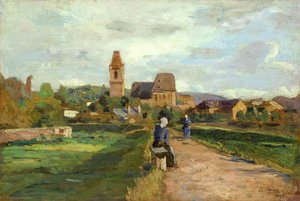
Πορτρέτο του Τίνα Μπλάου

Πάτσαδες του Τίνα Μπλάου: Τα 29 πιο διάσημα, μέσα από το βλέμμα μιας γκαλερί

Ενημερωμένο Νοέμβριος 2026 · κατάταξη βάσει του σκορ δημοφιλίας μας (αναζητήσεις, επισκέψεις και παραγγελίες για κάθε έργο) · 30 έργα του Τίνα Μπλάου στον κατάλογό μας

Με σύντομη περιγραφή

Στο μάτι της γκαλερί, το πιο διάσημο έργο του Τίνα Μπλάου είναι το Spring in the Prater (1882). Ο Lady with Child (1881) και ο In Krieau (1882) ολοκληρώνουν το τρίο που κάθε μάτι αναγνωρίζει. Από τα 30 έργα του Τίνα Μπλάου στον κατάλογό μας, η γκαλερί παρουσιάζει παρακάτω τα 29 πιο διάσημα, όπου κάθε ένα είναι πρωτότυπο, με την χρονολογία του, το μουσείο του και το τι το κάνει μοναδικό.

1845 – 1916, Βιέννα Περισσότερα έργα: Bavarian State Painting Collections

Τα 10 κορυφαία έργα του Τίνα Μπλάου στη γκαλερέι

1
Spring in the Prater (1882) του Τίνα Μπλάου

Spring in the Prater

1882 · Oil On Canvas

The oil on canvas titled Spring in the Prater captures a specific moment of seasonal transition. Created in 1882, this landscape oil painting by Tina Blau focuses on the quiet vitality of the Vienna Prater park. The artist, born in Vienna, Austria, translates the atmosphere of the public grounds into a study of light and earth.

2
Lady with Child (1881) του Τίνα Μπλάου

Lady with Child

1881 · Oil On Canvas

The air feels heavy and still, as if a soft, overcast sky has paused its movement to watch this intimate encounter. A woman and a young child stand together, their figures emerging from a landscape of deep burgundies and forest greens. There is a profound sense of stillness in the way they occupy the space, positioned slightly off-center as if caught in a private moment of contemplation. The light is…

3
In Krieau (1882) του Τίνα Μπλάου

In Krieau

1882 · Oil On Canvas

In In Krieau, Tina Blau captures a quiet afternoon within a park or woodland setting. The scene unfolds through a winding path that draws the eye deep into the distance, creating a sense of profound depth. Flanking this trail, trees stand in various stages of autumn, their foliage displaying a palette of brown, yellow, and orange. A woman and a child sit together on a bench near the path, their…

8
Egyptian Palace at the Great Exhibition in Vienna (1873) του Τίνα Μπλάου

Egyptian Palace at the Great Exhibition in Vienna

1873 · Painting

Tina Blau, an Austrian landscape painter, captured a specific moment of architectural splendor in her work titled Egyptian Palace at the Great Exhibition in Vienna. Painted about 1873, the piece emerged during a period when the artist was refining her ability to translate the atmosphere of the natural and built world onto canvas. Born in Vienna, Austria, in 1845, Blau developed a sensitivity to the way light interacts with its…

Πάينτα του Τίνα Μπλάου, κατάταξη από 11 έως 29

Τα θέματα που κίνησαν το ενδιαφέρον του Τίνα Μπλάου

Τα τέσσερα θέματα που εμφανίζονται πιο συχνά σε αυτά τα πρωτότυπα έργα, το καθένα με το εξαιρετικό του παράδειγμα.

Τα μουσεία που διατηρούν τα πρωτότυπα έργα του Τίνα Μπλάου

Τα 3 μουσεία που φιλοξενούν το μεγαλύτερο μέρος των έργων σε αυτήν τη σελίδα.

Μουσείο Πόλη Έργα του Τίνα Μπλάου Πάτρια από αυτή τη λίστα
Bavarian State Painting Collections, ΜόναχοBavarian State Painting Collections Μόναχο 2 From Fischau near Wiener Neustadt, In the Krieau
Lenbachhaus, ΜόναχοLenbachhaus Μόναχο 1 Hungarian Village
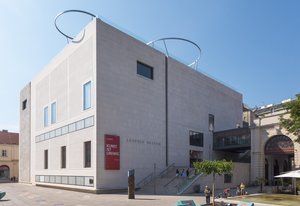
Leopold Museum, ΒιέννηLeopold Museum Βιέννη 1 Canal in Holland

Τίνα Μπλάου, ένα χαρακτηριστικό έργο ανά δεκαετία

Έργα ανά δεκαετία

Επιλέξτε μια δεκαετία για να δείτε το πρωτότυπο έργο που την χαρακτηρίζει.

Οι πίνακες του Τίνα Μπλάου: οι απαντήσεις της γκαλερί

Ποιο έργο του Τίνα Μπλάου είναι το πιο διάσημο από όλα;Αποκαλύψτε την απάντηση

Το Spring in the Prater (1882). Στη συνέχεια ακολουθούν το Lady with Child (1881) και το In Krieau (1882).

Πόσο είχε ηλικία ο Τίνα Μπλάου όταν ολοκλήρωσε το Spring in the Prater;Αποκαλύψτε την απάντηση

37 ετών: το έργο Spring in the Prater είναι του 1882, και ο/η Τίνα Μπλάου γεννήθηκε το 1845.

Ποιες είναι τα 10 κορυφαία έργα του Τίνα Μπλάου;Αποκαλύψτε την απάντηση

Spring in the Prater, Lady with Child, In Krieau, Hungarian Village, Studio Corner, Street in Amsterdam, Rafters on the Theiss, Egyptian Palace at the Great Exhibition in Vienna, From Fischau near Wiener Neustadt και In the Prater by the Rotunde. Η κατάταξη παραπάνω αναγράφει το έτος και το μουσείο για το κάθε έργο.

Πόσα έργα δημιούργησε ο/η Τίνα Μπλάου;Αποκαλύψτε την απάντηση

Ο κατάλογός μας περιλαμβάνει 30 έργα του Τίνα Μπλάου, με ημερομηνίες από 1872 έως 1914.

Πού εκτίθενται τα πιο διάσημα πρωτότυπα του Τίνα Μπλάου;Αποκαλύψτε την απάντηση

Κυρίως σε Bavarian State Painting Collections (Μόναχο), Lenbachhaus (Μόναχο) και Leopold Museum (Βιέννη). Ο πίνακας μουσείου παραπάνω τους περιλαμβάνει όλους.

Πότε δημιούργησε ο/η Τίνα Μπλάου τα πιο διάσημα έργα του/της;Αποκαλύψτε την απάντηση

Κατά την περίοδο 1880s: 9 από τα 29 έργα σε αυτήν τη σελίδα δημιουργήθηκαν τότε, με Spring in the Prater από αυτά να είναι μοναδικά.

Ποια είναι τα πρώτα και τα τελευταία διάσημα έργα του Τίνα Μπλάου;Αποκαλύψτε την απάντηση

Σε αυτήν τη σελίδα, το παλαιότερο είναι Studio Corner (1872) και το νεότερο Oetz 1901 (1914).

Ποια θέματα επέλεξε πιο συχνά ο Τίνα Μπλάου;Αποκαλύψτε την απάντηση

Gardens and parks (4) και Grass (2), σε συνολικά 29 έργα σε αυτήν τη σελίδα.

Με ποια τεχνική εργάστηκε περισσότερο ο Τίνα Μπλάου;Αποκαλύψτε την απάντηση

Oil On Canvas, για 3 από τα 29 έργα σε αυτήν τη σελίδα.

Ποια πρωτότυπα έργα του Τίνα Μπλάου διαθέτει το Bavarian State Painting Collections;Αποκαλύψτε την απάντηση

From Fischau near Wiener Neustadt και In the Krieau: το Bavarian State Painting Collections, Μόναχο διαθέτει 2 από τα έργα σε αυτήν τη σελίδα.

Τίνα Μπλάου: ο καλλιτέχνης

Tina Blau: A Pioneering Austrian Landscape Painter

Early Life and Education

  • Born: Vienna, Austria in 1845.
  • Tina Blau, later known as Tina Blau-Lang, demonstrated a strong desire to pursue painting from a young age. Her father, a doctor in the Austro-Hungarian medical corps, provided unwavering support for her artistic ambitions.
  • She began formal training in Munich (1869–1873) with August Schaeffer and then Wilhelm Lindenschmit.
  • From 1875 to 1876, she shared a studio with Emil Jakob Schindler, though their collaboration ended after a disagreement. She briefly revisited his tutelage at Plankenberg Castle.

Artistic Development and Influences

  • Blau’s early work reflects the influence of her teachers, focusing on landscape painting.
  • Emil Jakob Schindler's impact is notable, though their relationship was complex. His emphasis on plein air painting likely influenced Blau’s later style.
  • Her artistic development saw a shift towards capturing the nuances of light and atmosphere in her landscapes.

Personal Life and Career

  • In 1883, Blau converted from Judaism to the Evangelical Lutheran Church and married Heinrich Lang, a painter specializing in horses and battle scenes.
  • The couple moved to Munich where, starting in 1889, Blau taught landscape and still life painting at the Women's Academy of the Münchner Künstlerinnenverein (Munich Women Artists' Association).
  • Her first major exhibition was held there in 1890.
  • She exhibited her work at the Palace of Fine Arts during the 1893 World's Columbian Exposition in Chicago, Illinois.

Major Achievements and Contributions

  • Following her husband’s death, Blau traveled extensively through Holland and Italy for a decade, enriching her artistic perspective.
  • In 1897, she co-founded the Wiener Frauenakademie, an art school dedicated to women's education, alongside Olga Prager, Rosa Mayreder, and Karl Federn. She taught there until 1915.
  • Her paintings often depict serene scenes of Vienna, Italy, and Holland, characterized by a delicate use of color and light.

Later Life and Legacy

  • Blau spent her final summer working in Bad Gastein before seeking medical attention in Vienna.
  • She died of cardiac arrest in 1916 and was granted an Ehrengrab (honor grave) in the Zentralfriedhof cemetery.
  • A major retrospective exhibition of her work was held by the Vienna Künstlerhaus in 1917, showcasing her significant contribution to Austrian art.
  • Historical Significance: Tina Blau is recognized as a pioneering female artist who challenged conventional norms and played a vital role in advancing art education for women. Her landscapes capture a unique sensitivity to the natural world and remain admired for their atmospheric qualities.