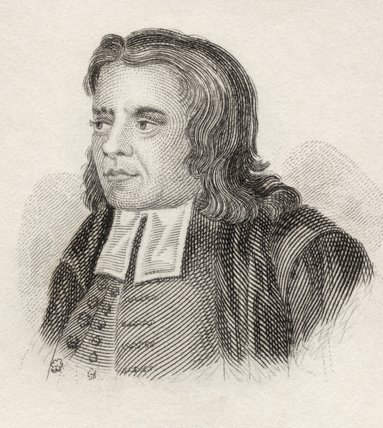
Πορτρέτο του Thomas Hearne

Τα 12 πιο διάσημα έργα του Thomas Hearne, κάθε ένα μοναδικό

Ενημερωμένο Νοέμβριος 2026 · κατάταξη βάσει του σκορ δημοφιλίας μας (αναζητήσεις, επισκέψεις και παραγγελίες για κάθε έργο) · 12 έργα του Thomas Hearne στον κατάλογό μας

Με σύντομη περιγραφή

Το έργο Glastonbury Abbey (1795) είναι το ποίτευμα του Thomas Hearne που τραβάει τα περισσότερα βλέμματα· το πρωτότυπο ανήκει στο Birmingham Museum and Art Gallery, Μπέρμινγκχαμ. Μετά από αυτό, το βλέμμα στρέφεται στο Stirling και στο Elvet Bridge, Durham, 18th Century. Ανάμεσα στα 12 έργα του Thomas Hearne στον κατάλογό μας, αυτά τα 12 είναι τα πιο διάσημα, το καθένα ένα μοναδικό πρωτότυπο που παρουσιάζεται με την χρονολογία του, το μουσείο του και τον λόγο για τον οποίο παραμένει αιώνιο.

1744 – 1817, Avon Περισσότερα έργα: Birmingham Museum and Art Gallery

Τα 10 κορυφαία έργα του Thomas Hearne, μέσα από το βλέμμα της γκαλερί

1
Glastonbury Abbey (1795) του Thomas Hearne

Glastonbury Abbey

1795 · Watercolor · Birmingham Museum and Art Gallery, Μπέρμινγκχαμ

In this watercolor and ink work, Thomas Hearne presents the ruins of Glastonbury Abbey, a former Benedictine monastery situated in Glastonbury, Somerset, England. Created about 1795, the painting captures the skeletal remains of the structure under a vast, clear sky. The subject matter focuses on the architectural decay of the site, where the once-grand stone masonry now exists in a state of quiet fragmentation. The artist focuses on the interplay…

2
Stirling του Thomas Hearne

Stirling

Watercolor

In this work, titled Stirling, Thomas Hearne turns his attention to the imposing architecture of Stirling Castle in Scotland. The subject is a historically significant landmark, rendered with a focus on the structural presence of the castle within its rugged environment. Hearne captures the essence of the site, presenting the stone fortifications as they sit amidst the rising terrain. It is a quiet study of a place defined by its…

3
Elvet Bridge, Durham, 18th Century του Thomas Hearne

Elvet Bridge, Durham, 18th Century

Watercolor

In Elvet Bridge, Durham, 18th Century, Thomas Hearne captures a quiet moment in the life of Durham, England. The scene unfolds around the stone arches of the bridge as it spans the river, anchoring the townscape in a period of stillness. Buildings line the banks, their structures reflected in the moving water below. A single figure rests on the left bank, providing a sense of scale to the architectural expanse.…

4
Crabbes Historical Dictionary του Thomas Hearne

Crabbes Historical Dictionary

Engraving

In the engraving titled Crabbes Historical Dictionary, Thomas Hearne captures a single man through a series of precise, dark lines. The subject is presented in a frontal view, his gaze meeting the viewer from a position of quiet authority. He is dressed in formal attire, wearing a dark coat that absorbs the light. Beneath the heavy fabric, a shirt with a ruffled collar provides a sharp, pale contrast against the…

5
Saltwood Castle του Thomas Hearne

Saltwood Castle

Watercolor

Saltwood Castle by Thomas Hearne presents a medieval fortification embedded within a lush, overgrown landscape. The composition focuses on the architectural presence of the castle, emphasizing its height and imposing towers against a cloudy sky. Dense foliage partially obscures the structure, integrating the stone walls into the surrounding natural environment. This arrangement highlights the intersection of man-made defense and organic growth.

6
Barnard Castle του Thomas Hearne

Barnard Castle

Watercolor · The Bowes Museum, Μπάρναρν Κασﻞ

In this watercolor landscape, Thomas Hearne captures a quiet moment within a historical setting. The scene centers on the fortified castle of Barnard Castle, which looms over the surrounding terrain. Beside the stone walls, a bridge spans the river, connecting the various elements of the landscape. The architecture of the castle and its associated infrastructure defines the character of the scene, grounding the viewer in a specific, storied location. Small…

Τα διάσημα έργα του Thomas Hearne, από το 11 έως το 12

Τα θέματα που κίνησαν το ενδιαφέρον του Thomas Hearne

Τα τέσσερα θέματα που εμφανίζονται πιο συχνά σε αυτά τα πρωτότυπα έργα, το καθένα με το εξαιρετικό του παράδειγμα.

Τα μουσεία που διατηρούν τα πρωτότυπα έργα του Thomas Hearne

Τα 2 μουσεία που φιλοξενούν το μεγαλύτερο μέρος των έργων σε αυτήν τη σελίδα.

Μουσείο Πόλη Έργα του Thomas Hearne Πάτρια από αυτή τη λίστα
Birmingham Museum and Art Gallery, ΜπέρμινγκχαμBirmingham Museum and Art Gallery Μπέρμινγκχαμ 1 Glastonbury Abbey
The Bowes Museum, Μπάρναρν ΚασﻞThe Bowes Museum Μπάρναρν Κασﻞ 1 Barnard Castle

Ο Thomas Hearne μέσα από τα χρόνια: τα μοναδικά πρωτότυπα κάθε έργου

Όλα τα πρωτότυπα έργα του Thomas Hearne με ημερομηνία που εμφανίζονται εδώ ανήκουν σε μία μόνο χρονιά, το 1795: εμφανίζονται με σειρά δημοσιότητας.

Έργα ανά έτος

Επιλέξτε μια χρονιά για να δείτε τα πρωτότυπα έργα της.

Οι πίνακες του Thomas Hearne: ερωτήσεις για την γκαλερί

Ποιο είναι το πιο διάσημο έργο του Thomas Hearne;Αποκαλύψτε την απάντηση

Glastonbury Abbey (1795), Birmingham Museum and Art Gallery, Μπέρμινγκχαμ. Στη συνέχεια ακολουθούν το Stirling και το Elvet Bridge, Durham, 18th Century.

Σε τι ηλικία δημιούργησε ο/η Thomas Hearne το έργο Glastonbury Abbey;Αποκαλύψτε την απάντηση

51 ετών: το έργο Glastonbury Abbey είναι του 1795, και ο/η Thomas Hearne γεννήθηκε το 1744.

Ποια είναι τα δέκα πιο διάσημα έργα του Thomas Hearne;Αποκαλύψτε την απάντηση

Glastonbury Abbey, Stirling, Elvet Bridge, Durham, 18th Century, Crabbes Historical Dictionary, Saltwood Castle, Barnard Castle, Derwentwater from Skiddaw, A View in Suffolk, View from Skiddaw over Derwentwater και Goodrich Castle on the Wye. Η κατάταξη παραπάνω αναγράφει το έτος και το μουσείο για το κάθε έργο.

Πόσα έργα του Thomas Hearne είναι γνωστά;Αποκαλύψτε την απάντηση

Ο κατάλογός μας περιλαμβάνει 12 έργα του Thomas Hearne.

Πού μπορούν να θαυμαστούν τα πιο διάσημα πρωτότυπα έργα του Thomas Hearne;Αποκαλύψτε την απάντηση

Κυρίως σε Birmingham Museum and Art Gallery (Μπέρμινγκχαμ) και The Bowes Museum (Μπάρναρν Κασﻞ). Ο πίνακας μουσείου παραπάνω τους περιλαμβάνει όλους.

Ποια θέματα προτίμησε ο/η Thomas Hearne;Αποκαλύψτε την απάντηση

Sky (3), Trees (3) και Stone (2), σε συνολικά 12 έργα σε αυτήν τη σελίδα.

Με ποια υλικά χρησιμοποίησε περισσότερο ο Thomas Hearne;Αποκαλύψτε την απάντηση

Watercolor, για 6 από τα 12 έργα σε αυτήν τη σελίδα.

Thomas Hearne: ένα πορτρέτο του καλλιτέχνη

A Visionary of the English Landscape: The Life and Legacy of Thomas Hearne

The history of British landscape art is often told through the sweeping, dramatic canvases of the giants who followed him, yet the foundation of this Romantic tradition was laid with exquisite precision by Thomas Hearne. Born in 1744 in the quiet village of Marshfield, Gloucestershire, Hearne’s early life was shaped by a profound sense of loss and movement. The death of his father when Thomas was only five years old forced him and his mother to relocate to Brinkworth, Wiltshire. This early exposure to the changing landscapes of the English countryside, coupled with the looming presence of architectural marvels like Malmesbury Abbey, would later manifest in his work as a deep, scholarly fascination with Gothic structures and the enduring spirit of antiquity.

Hearne’s path to artistic mastery was far from conventional. His initial apprenticeship was not in a studio, but in the kitchen of his uncle, a pastry cook in Covent Garden. However, fate intervened through the simple proximity of a print shop next door. The influence of Miller, an engraver, provided the young man with a gateway into the world of fine art, transforming a culinary apprenticeship into a lifelong devotion to line and light. This early training in the meticulous details of engraving would become the hallmark of his style, allowing him to marry the precision of a draftsman with the atmospheric soul of a painter.

Mastery of Line and Wash: The Technical Evolution

As Hearne’s talent matured, he moved beyond simple topographical recording toward a more nuanced, emotive expression of nature. His technique became legendary among his contemporaries for its delicate balance; he possessed a unique ability to apply a wash of subtle, subdued colours over a clear, unwavering outline rendered in fine brush, pen, or pencil. This method created a sense of luminous clarity that felt both grounded in reality and elevated by a poetic atmosphere. His work did not merely depict a place; it captured the very air and light that inhabited it.

The development of his skill was significantly accelerated through his association with the celebrated engraver William Woollett. Under Woollett’s mentorship, Hearne spent six years refining his ability to translate complex landscapes into print, a period during which Woollett himself came to regard him as the preeminent landscape engraver of the era. This rigorous training in tonal depth and structural integrity prepared Hearne for his later explorations, where he would combine the architectural precision of an antiquarian with the burgeoning sensibilities of the Romantic movement.

A Bridge Between Eras: Influence and Historical Significance

Thomas Hearne occupies a vital position in art history as a bridge between the topographical accuracy of the mid-eighteenth century and the emotive landscapes of the nineteenth. His influence was not merely retrospective; it was foundational for the next generation of masters. The techniques he pioneered in watercolor were studied closely by J.M.W. Turner and Thomas Girtin, two artists who would eventually push the boundaries of the medium into even more sublime and tempestuous territories. Hearne provided the structural vocabulary that allowed these later artists to explore the infinite.

His career was marked by significant professional milestones and adventurous travels that expanded his artistic horizons:

  • Recognition from the Royal Society of Arts: Early in his career, Hearle secured prestigious "premiums" for his versatility, winning awards for both still life compositions and equestrian subjects.
  • Exploration and Documentation: Before the era of photography, Hearne undertook vital journeys to record the world, including a significant commission in 1771 to travel to the Leeward Islands under the auspices of Sir Ralph Payne.
  • Collaborative Spirit: His travels through Northern England and Scotland alongside George Beaumont served not only to document the rugged British vistas but also to foster a shared artistic vision that would define English Romanticism.

Ultimately, the work of Thomas Hearne remains a testament to the power of observation. Whether capturing the weathered stone of a Gothic ruin or the soft light filtering through a woodland canopy, his art invites the viewer into a world of quiet contemplation and historical reverence. He remains an essential figure for anyone seeking to understand the roots of the English landscape tradition.