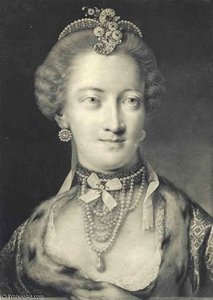
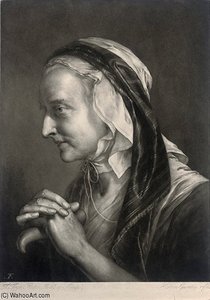
Πορτρέτο του Thomas Frye

Τα 40 πιο διάσημα έργα του Thomas Frye, κάθε ένα μοναδικό

Ενημερωμένο Νοέμβριος 2026 · κατάταξη βάσει του σκορ δημοφιλίας μας (αναζητήσεις, επισκέψεις και παραγγελίες για κάθε έργο) · 40 έργα του Thomas Frye στον κατάλογό μας

Με σύντομη περιγραφή

Το έργο Thomas Frye (1759) είναι το ποίτευμα του Thomas Frye που τραβάει τα περισσότερα βλέμματα· το πρωτότυπο ανήκει στο Εθνική Πορτραίτητος Γκαλερί, Λονδίνο. Μετά από αυτό, το βλέμμα στρέφεται στο Portrait of Sir Charles Kemeys-Tynte, Baronet (1710-1785) (1739) και στο Portrait of John Allen of Bridgewater (1739). Ανάμεσα στα 40 έργα του Thomas Frye στον κατάλογό μας, αυτά τα 40 είναι τα πιο διάσημα, το καθένα ένα μοναδικό πρωτότυπο που παρουσιάζεται με την χρονολογία του, το μουσείο του και τον λόγο για τον οποίο παραμένει αιώνιο.

1710 – 1762, Dublin Περισσότερα έργα: Εθνική Γκαλερί της Ιρλανδίας

Τα 10 κορυφαία έργα του Thomas Frye, μέσα από το βλέμμα της γκαλερί

1
Thomas Frye (1759) του Thomas Frye

Thomas Frye

1759 · Oil On Canvas · Εθνική Πορτραίτητος Γκαλερί, Λονδίνο

Created in 1759, this oil on canvas work presents the artist, Thomas Frye, as his own subject. The portrait captures the man in a three-quarter view, presenting a formal and somber appearance. He is depicted with light-colored, powdered hair that contrasts against the darker tones of his attire. A dark jacket and a white neckcloth define his clothing, grounding the figure within a restrained, eighteenth-century aesthetic.

Τα διάσημα έργα του Thomas Frye, από το 11 έως το 40

Τα θέματα που κίνησαν το ενδιαφέρον του Thomas Frye

Τα τέσσερα θέματα που εμφανίζονται πιο συχνά σε αυτά τα πρωτότυπα έργα, το καθένα με το εξαιρετικό του παράδειγμα.

Τα μουσεία που διατηρούν τα πρωτότυπα έργα του Thomas Frye

Τα 7 μουσεία που φιλοξενούν το μεγαλύτερο μέρος των έργων σε αυτήν τη σελίδα.

Μουσείο Πόλη Έργα του Thomas Frye Πάτρια από αυτή τη λίστα
Εθνική Γκαλερί της Ιρλανδίας, ΔουβλίνοΕθνική Γκαλερί της Ιρλανδίας Δουβλίνο 3 Portrait of Sir Charles Kemeys-Tynte, Baronet (1710-1785), Portrait of John Allen of Bridgewater, Portrait of Susannah Walker
Εθνική Πορτραίτητος Γκαλερί, ΛονδίνοΕθνική Πορτραίτητος Γκαλερί Λονδίνο 1 Thomas Frye
Royal Collection, ΛονδίνοRoyal Collection Λονδίνο 1 Frederick, Prince of Wales (1707-1751)
Yale Center for British Art, New HavenYale Center for British Art New Haven 1 A Woman, Traditionally Identified as Mrs.Wardle
Μετροπολιτικό Μουσείο Τέχνης, Νέα ΥόρκηΜετροπολιτικό Μουσείο Τέχνης Νέα Υόρκη 1 Untitled (D2WVNF)
Nationalmuseum, ΣτοκχόλμηNationalmuseum Στοκχόλμη 1 Unknown man
Εθνική Πινάκοθήκη της Σκωτίας, ΈδιμβουργοΕθνική Πινάκοθήκη της Σκωτίας Έδιμβουργο 1 Richard Leveridge

Ο Thomas Frye μέσα από τις δεκαετίες: ένα μοναδικό πρωτότυπο για κάθε εποχή

Έργα ανά δεκαετία

Επιλέξτε μια δεκαετία για να δείτε το πρωτότυπο έργο που την χαρακτηρίζει.

Οι πίνακες του Thomas Frye: ερωτήσεις για την γκαλερί

Ποιο είναι το πιο διάσημο έργο του Thomas Frye;Αποκαλύψτε την απάντηση

Thomas Frye (1759), Εθνική Πορτραίτητος Γκαλερί, Λονδίνο. Στη συνέχεια ακολουθούν το Portrait of Sir Charles Kemeys-Tynte, Baronet (1710-1785) (1739) και το Portrait of John Allen of Bridgewater (1739).

Σε τι ηλικία δημιούργησε ο/η Thomas Frye το έργο Thomas Frye;Αποκαλύψτε την απάντηση

49 ετών: το έργο Thomas Frye είναι του 1759, και ο/η Thomas Frye γεννήθηκε το 1710.

Ποια είναι τα δέκα πιο διάσημα έργα του Thomas Frye;Αποκαλύψτε την απάντηση

Thomas Frye, Portrait of Sir Charles Kemeys-Tynte, Baronet (1710-1785), Portrait of John Allen of Bridgewater, Frederick, Prince of Wales (1707-1751), A Woman, Traditionally Identified as Mrs.Wardle, Portrait of Susannah Walker, Untitled (D2WVNF), Unknown man, The Observer και Untitled. Η κατάταξη παραπάνω αναγράφει το έτος και το μουσείο για το κάθε έργο.

Πόσα έργα του Thomas Frye είναι γνωστά;Αποκαλύψτε την απάντηση

Ο κατάλογός μας περιλαμβάνει 40 έργα του Thomas Frye, με ημερομηνίες από 1739 έως 1760.

Πού μπορούν να θαυμαστούν τα πιο διάσημα πρωτότυπα έργα του Thomas Frye;Αποκαλύψτε την απάντηση

Κυρίως σε Εθνική Γκαλερί της Ιρλανδίας (Δουβλίνο), Εθνική Πορτραίτητος Γκαλερί (Λονδίνο) και Royal Collection (Λονδίνο). Ο πίνακας μουσείου παραπάνω τους περιλαμβάνει όλους.

Κατά ποια περίοδο δημιούργησε ο/η Thomas Frye τα πιο γνωστά του/της έργα;Αποκαλύψτε την απάντηση

Κατά την περίοδο 1730s: 2 από τα 40 έργα σε αυτήν τη σελίδα δημιουργήθηκαν τότε, με Portrait of Sir Charles Kemeys-Tynte, Baronet (1710-1785) από αυτά να είναι μοναδικά.

Ποιο διάσημο έργο του Thomas Frye είναι το παλαιότερο και ποιο το νεότερο;Αποκαλύψτε την απάντηση

Σε αυτήν τη σελίδα, το παλαιότερο είναι Portrait of Sir Charles Kemeys-Tynte, Baronet (1710-1785) (1739) και το νεότερο Portrait of Susannah Walker (1760).

Ποια θέματα προτίμησε ο/η Thomas Frye;Αποκαλύψτε την απάντηση

Portraits (8), Portrait (5) και Men (4), σε συνολικά 40 έργα σε αυτήν τη σελίδα.

Ποια πρωτότυπα έργα του Thomas Frye μπορώ να δω στο Εθνική Γκαλερί της Ιρλανδίας;Αποκαλύψτε την απάντηση

Portrait of Sir Charles Kemeys-Tynte, Baronet (1710-1785), Portrait of John Allen of Bridgewater και Portrait of Susannah Walker: το Εθνική Γκαλερί της Ιρλανδίας, Δουβλίνο διαθέτει 3 από τα έργα σε αυτήν τη σελίδα.

Thomas Frye: ένα πορτρέτο του καλλιτέχνη

The Versatile Legacy of Thomas Frye

Thomas Frye stands as a remarkable figure of the eighteenth century, an Anglo-Irish polymath whose creative reach extended far beyond the traditional boundaries of portraiture. Born in Edenderry, Ireland, Frye’s journey from his Irish roots to the vibrant artistic circles of London allowed him to cultivate a diverse mastery over various media. He was not merely a painter but a skilled engraver and a pioneer in the delicate art of porcelain manufacturing. His ability to navigate between the intimate scale of miniatures and the grand presence of oil portraits marks him as one of the most significant Irish artists of his era, blending technical precision with an innate understanding of character.

His artistic development was characterized by a profound command over both color and line. In his portraiture, Frye utilized oil and pastel to capture the aristocratic grace and psychological depth of his subjects. Whether rendering the soft textures of skin in a pastel miniature or the stately presence of figures like Lieutenant Colonel George Walsh, his work resonates with an enduring elegance. His early explorations in mezzotint engraving further demonstrated his technical prowess, allowing him to disseminate his visual narratives through print, reaching a much wider audience than the single canvas could ever permit.

A Pioneer of Porcelain and Print

Beyond the easel, Frye’s historical significance is deeply intertwined with the industrial and decorative arts of England. He was a man of immense entrepreneurial spirit, most notably serving as the patentee of the Bow porcelain factory in London. In an era of intense competition among ceramic innovators, Frye claimed a central role in the history of English pottery, even asserting in his epitaph that he was the inventor and first manufacturer of porcelain in England. While historical debate continues regarding his precedence over rivals at the Chelsea factory, his management of the Bow works remains a cornerstone of his multifaceted career.

The breadth of his contributions can be summarized through his various artistic roles:

  • Portrait Painter: Renowned for his ability to capture likenesses in oil, pastel, and chalk, ranging from delicate miniatures to full-length compositions.
  • Printmaker: A skilled engraver who utilized the mezzotint technique to publish series of life-size fancy portraits.
  • Ceramic Innovator: A key figure in the development of English porcelain through his leadership at the Bow porcelain factory.

Frye’s life was a testament to the intersection of fine art and industrial innovation. Even as he faced personal hardships, such as the respiratory struggles that eventually led him to retire to Wales, his dedication to his craft never wavered. His legacy survives not only in the galleries of prestigious institutions like The Metropolitan Museum of Art but also in the very fabric of English decorative history, leaving an indelible mark on the visual culture of the eighteenth century.