Πορτρέτο του Ρόι Λίχτενσταϊν

Τα 100 πιο διάσημα έργα του Ρόι Λίχτενσταϊν, μια επιλογή γκαλερί

Ενημερωμένο Οκτώβριος 2026 · κατάταξη βάσει του σκορ δημοφιλίας μας (αναζητήσεις, επισκέψεις και παραγγελίες για κάθε έργο) · 382 έργα του Ρόι Λίχτενσταϊν στον κατάλογό μας

Με σύντομη περιγραφή

Από όλα τα πρωτότυπα που άφησε ο Ρόι Λίχτενσταϊν, το πιο διάσημο είναι το Whaam! (1963). Ακολουθούν στενά η Look Mickey (1961) και η Η Γυναίκα Που Κολυμπά (1963). Ο κατάλογός μας περιλαμβάνει 382 έργα του Ρόι Λίχτενσταϊν· η γκαλερί έχει διατηρήσει τα 100 κομμάτια που θαυμάζει ο κόσμος, το καθένα με την ημερομηνία, το μουσείο και την ιστορία του.

1923 – 1997, Μανχάταν Pop art Περισσότερα έργα: Art Institute of Chicago

Τα 10 κορυφαία έργα του Ρόι Λίχτενσταϊν: η επιλογή της γκαλερί

1
Whaam! (1963) του Ρόι Λίχτενσταϊν

Whaam!

1963 · Ακρυλικά πάνω σε καμβά

Το 1963, ο Roy Lichtenstein έφερε μια ριζική αλλαγή στον κόσμο της τέχνης με το έργο του *Whaam!*, ένα στιγμιότυπο μιας αιματηρής μάχης που ξεδιπλώνεται σε λιγότερο από ένα δευτερόλεπτο. Πέρα από μια απλή απεικόνιση αεροπορικής μάχης, το *Whaam!* αποτελεί μια δυναμική καινοτομία στην τέχνη, μια διασταύρωση μεταξύ της βίας, των μέσων ενημέρωσης και της αισθητικής των κόμικς. Ο Lichtenstein δεν προσφέρει μια απλή αναπαράσταση του πολέμου, αλλά μια ριζικά…

2
Look Mickey (1961) του Ρόι Λίχτενσταϊν

Look Mickey

1961 · Oil On Canvas

The scene unfolds in 1961 through the oil on canvas work titled Look Mickey by Roy Lichtenstein. A sudden, unexpected moment freezes in time as Mickey Mouse and Donald Duck find themselves caught in the middle of a fishing mishap. The air feels thick with the immediate shock of the catch, capturing a narrative tension that seems to vibrate off the surface of the painting.

3
Η Γυναίκα Που Κολυμπά (1963) του Ρόι Λίχτενσταϊν

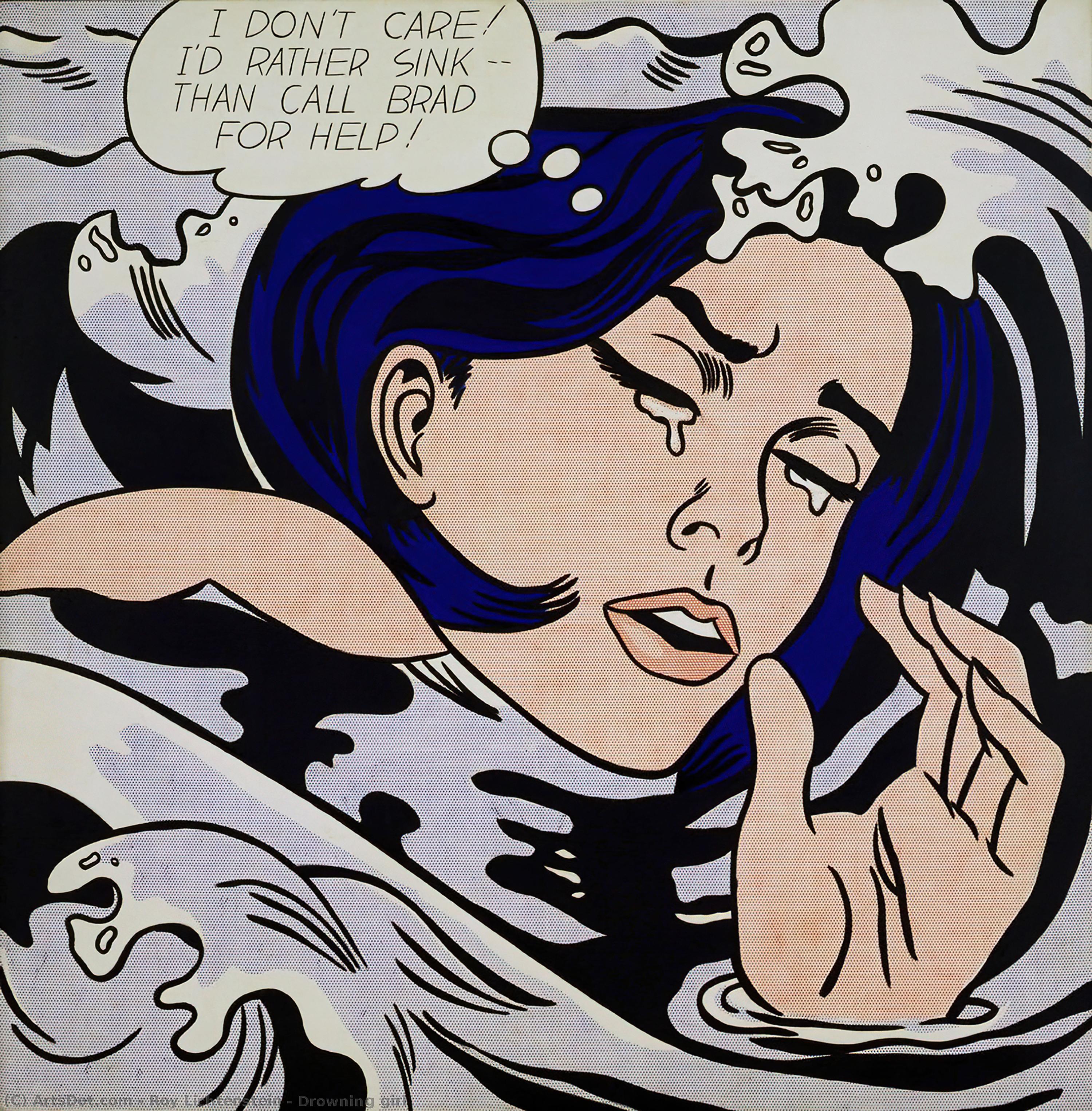
Η Γυναίκα Που Κολυμπά

1963 · Άνθρακα και λάδι σε καμβά

Ένα Αριστούργημα του Μελοδράματος Το εμβληματικό έργο του Roy Lichtenstein από το 1963, «Η Γυναίκα Που Κολυμπά» (Drowning Girl), αποτελεί ένα από τα πιο χαρακτηριστικά έργα της Pop Art, αποτυπώνοντας την ουσία της συναισθηματικής αναταραχής και της δραματικής αφήγησης. Αυτό το ζωντανό και δυναμικό αριστούργημα τραβά αμέσως την προσοχή με τις έντονες γραμμές του, τα φωτεινά χρώματα και την εκφραστική θεματολογία του. Το έργο παρουσιάζει μια κεντρική φιγούρα – μια…

4
Κυρία με μπάλα (1961) του Ρόι Λίχτενσταϊν

Κυρία με μπάλα

1961 · Ακρυλικά πάνω σε καμβά

Η “Γυναίκα με την Μπάλα” του Roy Lichtenstein, ζωγραφισμένη το 1961, δεν είναι απλώς ένα έργο τέχνης – είναι μια μεταφορά μιας ολόκληρης εποχής. Από τη στιγμή που δημιουργήθηκε, η εικόνα αυτή έγινε σύμβολο της αμερικανικής pop κουλτούρας των δεκαετιών του 60 και του 70, συνδυάζοντας την ένταση της ζωής με την απλότητα της καταναλωτικής κοινωνίας. Το έργο αυτό, που σήμερα βρίσκεται στην συλλογή του MoMA, μας προσκαλεί σε μια…

5
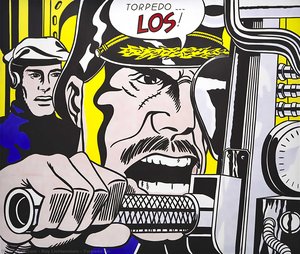
Το Τορπιλάκι Los (1963) του Ρόι Λίχτενσταϊν

Το Τορπιλάκι Los

1963 · Ακρυλικά πάνω σε καμβά

Η Δυναμική Επανάσταση του Roy Lichtenstein: Το "Torpedo los" Η σκηνή εκτυλίσσεται με μια ενέργεια που αιχμαλωτίζει την ψυχή της Pop Art, ένα έργο που δεν είναι απλά μια αναπαράσταση, αλλά μια δυναμική ερμηνεία. Το “Torpedo los” του Roy Lichtenstein, δημιουργημένο το 1963, αποτελεί ένα ορόσημο στην ιστορία της τέχνης, συνδυάζοντας έντονα χρώματα, δραματικές γραμμές και μια αφήγηση που προκαλεί σκέψεις. Στην καρδιά του έργου βρίσκεται ένας υποπλοηγός, το πρόσωπό…

6
Ροτό Μπρόιλ (1961) του Ρόι Λίχτενσταϊν

Ροτό Μπρόιλ

1961 · Ακρυλικά πάνω σε καμβά

Το έργο "Roto Broil" (1961) αποτελεί ένα από τα πιο ουσιαστικά έργα του Roy Lichtenstein, πρωτοπόρου της κίνησης Pop Art. Αυτό το ζωντανό και ιδιόρρυθμο αριστούργημα ενσαρκώνει την μοναδική ικανότητα του Lichtenstein να μεταμορφώνει καθημερινά αντικείμενα σε εντυπωσιακά καλλιτεχνικά μηνύματα. Η σύνθεση παρουσιάζει μια υπερμεγέθη κουζίνια γεμάτη με μια ποικιλία από παπούτσια, τοποθετημένη πάνω σε ένα έντονο πορτοκαλί φόντο. Η παιχνιδιάρικη αυτή συνύπαρξη καθημερινών αντικειμένων αμφισβητεί τις συμβατικές αντιλήψεις για…

7
Βλαμ (1962) του Ρόι Λίχτενσταϊν

Βλαμ

1962 · Ακρυλικά πάνω σε καμβά

Δυναμικό Θέμα και Εμβληματική Εικονοπλασία Αυτό το εντυπωσιακό έργο αιχμαλωτίζει μια στιγμή εκρηκτικής δράσης, αποδιδόμενη μέσα από τη τολμηρή, γραφική γλώσσα της τέχνης των κόμικς και του Pop Art. Στον πυρήνα του, απεικονίζεται ένα στιλιζαρισμένο όπλο κατά τη στιγμή της πυρπολησίας, με δραματικά εφέ έκρηξης και ένα επιβλητικό ηχητικό εφέ «BLAM» που τονίζει τη βία, την ισχύ και το χάος. Η σύνθεση επικεντρώνεται σε αυτή την έντονη σκηνή, ανακαλώντας θέματα…

8
Άγνωστο έργο Ρόι Λίχτενστάιν ^ Γιαν Φραντσκο Γοργονί (1988) (1988) του Ρόι Λίχτενσταϊν

Άγνωστο έργο Ρόι Λίχτενστάιν ^ Γιαν Φραντσκο Γοργονί (1988)

1988 · Μικτές τεχνικές

Αυτό το συναρπαστικό έργο καλλιτεχνικής τέχνης καταγράφει με μαεστρική ακρίβεια έναν μοναχικό ποδηλάτη που διασχίζει μια ήσυχη παραλία στο ηλιοβασίλεμα. Η σιλουέτα του ποδηλάτη και του άλογού ξεχωρίζει έντονα ενάντια στο ζωντανό, κυματιστό ουρανό δημιουργώντας ένα ισχυρό σημείο εστίασης που προκαλεί μια αίσθηση κίνησης και προβληματισμού. Η εκτεταμένη παραλία με τα λαμπερά νερά της και τον ορίζοντα στο βάθος προσκαλεί τους θεατές να αναστολήσουν σκέψεις για θέματα ταξίδιου, ελευθερίας και…

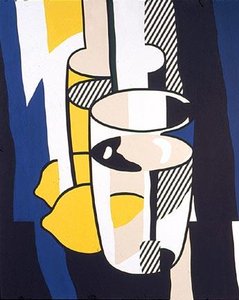
9
Εσύ του Ρόι Λίχτενσταϊν

Εσύ

Ακρυλικά πάνω σε καμβά

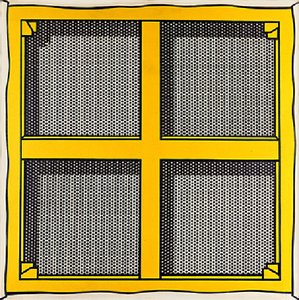
Το έργο “Hey you” του Roy Lichtenstein δεν είναι απλώς μια εικόνα, αλλά μια δυναμική στιγμή που καταγράφεται με εκπληκτική σαφήνεια. Αποτελεί ένα σύμβολο της ανθρώπινης επικοινωνίας, απεικονίζοντας ένα απλό, αλλά εξαιρετικά ισχυρό жест – το χέρι που δείχνει – και μεταφέρει αμέσως μια αίσθηση άμεσης σύνδεσης, εντολής και συμμετοχής. Η ένταση της γραμμής, η καθαρή γεωμετρία και η επιλογή των χρωμάτων δημιουργούν ένα οπτικό αποτέλεσμα που προκαλεί άμεσα την…

10
ΑΝΕΜΟΣ ΜΕ ΜΠΛΕ ΟΚΙΝΗΜΑΤΑ (1994) του Ρόι Λίχτενσταϊν

ΑΝΕΜΟΣ ΜΕ ΜΠΛΕ ΟΚΙΝΗΜΑΤΑ

1994 · Μελάνι σε χαρτί

Θέμα και Σύνθεση Αυτό το εντυπωσιακό έργο αιχμηρότητα αποτυπώνει ένα στιλιζαρισμένο πορτρέτο μιας γυναίκας με μαγευτικά μπλε μαλλιά, εκφρασμένο μέσα από μια τολμηρή και γραφική αισθητική. Το άμεσο βλέμμα του υποκειμένου και η ελαφρώτα προκλητική έκφρασή του προκαλούν ένα αίσθημα αυτοπεποίθησης και γοητείας, προσκαλώντας τους θεατές σε μια οικεία στιγμή. Η κίνηση του χεριού της και τα κυματιστά μαλλιά της προσθέτουν μια δυναμική αίσθηση κίνησης, πλαισιώνοντας το πρόσωπό της και…

Η επιλογή του Ρόι Λίχτενσταϊν συνεχίζεται, από τον 11 έως τον 100

11Μ-Ίσως (1965) του Ρόι ΛίχτενσταϊνΜ-Ίσως1965 12Αναβίωσαν Αργά (1964) του Ρόι ΛίχτενσταϊνΑναβίωσαν Αργά1964 13Η Γυναίκα στην μπανιέρα (1963) του Ρόι ΛίχτενσταϊνΗ Γυναίκα στην μπανιέρα1963 14Η κοπέλα με κορδέλα μαλλιών (1965) του Ρόι ΛίχτενσταϊνΗ κοπέλα με κορδέλα μαλλιών1965 15Στο αυτοκίνητο (1963) του Ρόι ΛίχτενσταϊνΣτο αυτοκίνητο1963 16Sinking Sun (1964) του Ρόι ΛίχτενσταϊνSinking Sun1964 17Η Θύγαδρα που Πνίγεται (1963) του Ρόι ΛίχτενσταϊνΗ Θύγαδρα που Πνίγεται1963 18Αποчаяκωμένη (1963) του Ρόι ΛίχτενσταϊνΑποчаяκωμένη1963 19Spray (1962) του Ρόι ΛίχτενσταϊνSpray1962 20Φοβισμένη (1964) του Ρόι ΛίχτενσταϊνΦοβισμένη1964 21Σκέφτομαι τον Εσένα (1963) του Ρόι ΛίχτενσταϊνΣκέφτομαι τον Εσένα1963 22Κοπέλαια στον Καθρέφτη (1964) του Ρόι ΛίχτενσταϊνΚοπέλαια στον Καθρέφτη1964 23Girl with ball (1961) του Ρόι ΛίχτενσταϊνGirl with ball1961 24Σιλτ Λάιτ Γουίθ Γκολφίσκ (Και Ζωγραφική Της Γκόλφ Μπάλλ) (1972) του Ρόι ΛίχτενσταϊνΣιλτ Λάιτ Γουίθ Γκολφίσκ (Και Ζωγραφική Της Γκόλφ Μπάλλ)1972 25Κλαψούσα κοπέλα (1964) του Ρόι ΛίχτενσταϊνΚλαψούσα κοπέλα1964 26Alka Seltzer (1966) του Ρόι ΛίχτενσταϊνAlka Seltzer1966 27Artist's studio - The dance (1974) του Ρόι ΛίχτενσταϊνArtist's studio - The dance1974 28Γελώντας Γατάκι (1961) του Ρόι ΛίχτενσταϊνΓελώντας Γατάκι1961 29Βαρουμ! (1963) του Ρόι ΛίχτενσταϊνΒαρουμ!1963 30Σχήματα με ηλιοβασίλειμα του Ρόι ΛίχτενσταϊνΣχήματα με ηλιοβασίλειμα 31Reclining Bather (1977) του Ρόι ΛίχτενσταϊνReclining Bather1977 32Pop (1966) του Ρόι ΛίχτενσταϊνPop1966 33Sunrise (1965) του Ρόι ΛίχτενσταϊνSunrise1965 34Βλέπω (1961) του Ρόι ΛίχτενσταϊνΒλέπω1961 35Forest scene (1980) του Ρόι ΛίχτενσταϊνForest scene1980 36Bauhaus stairway (1989) του Ρόι ΛίχτενσταϊνBauhaus stairway1989 37Βρατάτα (1962) του Ρόι ΛίχτενσταϊνΒρατάτα1962 38Η μισή πρόσωπο με κολάρο (1963) του Ρόι ΛίχτενσταϊνΗ μισή πρόσωπο με κολάρο1963 39Coast Village (1987) του Ρόι ΛίχτενσταϊνCoast Village1987 40Art (1962) του Ρόι ΛίχτενσταϊνArt1962 41Face (green nose) (1986) του Ρόι ΛίχτενσταϊνFace (green nose)1986 42Η Κοιμώσα η Γυναίκα (1964) του Ρόι ΛίχτενσταϊνΗ Κοιμώσα η Γυναίκα1964 43Collage for Landscape with Scholar's Rock του Ρόι ΛίχτενσταϊνCollage for Landscape with Scholar's Rock 44Ερείπια (1965) του Ρόι ΛίχτενσταϊνΕρείπια1965 45Jet pilot του Ρόι ΛίχτενσταϊνJet pilot 46Cathedral -6 State II (1969) του Ρόι ΛίχτενσταϊνCathedral -6 State II1969 47Glass and lemon in a mirror (1974) του Ρόι ΛίχτενσταϊνGlass and lemon in a mirror1974 48The hero's return (1950) του Ρόι ΛίχτενσταϊνThe hero's return1950 49Landscape (1964) του Ρόι ΛίχτενσταϊνLandscape1964 50The kiss (1962) του Ρόι ΛίχτενσταϊνThe kiss1962 51Stretcher Frame with Cross Bars III (1968) του Ρόι ΛίχτενσταϊνStretcher Frame with Cross Bars III1968 52Reflections Wonder Woman (1989) του Ρόι ΛίχτενσταϊνReflections Wonder Woman1989 53Χάδι του Ρόι ΛίχτενσταϊνΧάδι 54Baked potato (1962) του Ρόι ΛίχτενσταϊνBaked potato1962 55Mr. Bellamy (1961) του Ρόι ΛίχτενσταϊνMr. Bellamy1961 56Bathroom (1961) του Ρόι ΛίχτενσταϊνBathroom1961 57Silver Frame (1984) του Ρόι ΛίχτενσταϊνSilver Frame1984 58Αντίκες του Καθρέφτη (1970) του Ρόι ΛίχτενσταϊνΑντίκες του Καθρέφτη1970 59As I opened fire, I knew why tex hadn't buzzed me... if he had (1964) του Ρόι ΛίχτενσταϊνAs I opened fire, I knew why tex hadn't buzzed me... if he had1964 60Bedroom at Arles (1992) του Ρόι ΛίχτενσταϊνBedroom at Arles1992 61Ψυγείο (1962) του Ρόι ΛίχτενσταϊνΨυγείο1962 62Modular Painting with Nine Panels (1968) του Ρόι ΛίχτενσταϊνModular Painting with Nine Panels1968 63The Atom (1975) του Ρόι ΛίχτενσταϊνThe Atom1975 64House III (1997) του Ρόι ΛίχτενσταϊνHouse III1997 65Bull Head III (1973) του Ρόι ΛίχτενσταϊνBull Head III1973 66Donald Duck (1957) του Ρόι ΛίχτενσταϊνDonald Duck1957 67No - Nox (1962) του Ρόι ΛίχτενσταϊνNo - Nox1962 68Washington crossing delaware (1951) του Ρόι ΛίχτενσταϊνWashington crossing delaware1951 69Κόκκινη Ζωγραφία (Λεπτομέρεια) (1965) του Ρόι ΛίχτενσταϊνΚόκκινη Ζωγραφία (Λεπτομέρεια)1965 70Artist's Studio "Foot Medication" (1974) του Ρόι ΛίχτενσταϊνArtist's Studio "Foot Medication"1974 · Art Institute of Chicago 71Wimpy (Tweet) (1961) του Ρόι ΛίχτενσταϊνWimpy (Tweet)1961 72Μαο (1971) του Ρόι ΛίχτενσταϊνΜαο1971 73Brattata (1962) του Ρόι ΛίχτενσταϊνBrattata1962 74Δύο μήλα (1981) του Ρόι ΛίχτενσταϊνΔύο μήλα1981 75The Cowboy (Red) (1951) του Ρόι ΛίχτενσταϊνThe Cowboy (Red)1951 76Glass (1977) του Ρόι ΛίχτενσταϊνGlass (1977) 77Live ammo (Ha! Ha! Ha!) (1962) του Ρόι ΛίχτενσταϊνLive ammo (Ha! Ha! Ha!)1962 78Preparedness (1968) του Ρόι ΛίχτενσταϊνPreparedness1968 79Crying Girl (1963) του Ρόι ΛίχτενσταϊνCrying Girl1963 80Sailboats (1985) του Ρόι ΛίχτενσταϊνSailboats1985 81Live ammo (1962) του Ρόι ΛίχτενσταϊνLive ammo1962 82Interior with mobile του Ρόι ΛίχτενσταϊνInterior with mobile 83Despair (1979) του Ρόι ΛίχτενσταϊνDespair1979 84Magnifying glass (1963) του Ρόι ΛίχτενσταϊνMagnifying glass1963 85Two Green Apples (1980) του Ρόι ΛίχτενσταϊνTwo Green Apples1980 86Ας Ξεκινήσουμε την Ανάλυση Της Τέχνης Αυτού! (1964) του Ρόι ΛίχτενσταϊνΑς Ξεκινήσουμε την Ανάλυση Της Τέχνης Αυτού!1964 87Brustrokes (1970) του Ρόι ΛίχτενσταϊνBrustrokes1970 88Telaviv mural (1989) του Ρόι ΛίχτενσταϊνTelaviv mural1989 89Συλλογή για Νούδης (1997) του Ρόι ΛίχτενσταϊνΣυλλογή για Νούδης1997 90Συμφωνία Κύκλων: Ανάλυση της Τέχνης του Λίχτενστάιν #1 (1969) του Ρόι ΛίχτενσταϊνΣυμφωνία Κύκλων: Ανάλυση της Τέχνης του Λίχτενστάιν #11969 · Museum Ludwig 91Small explosion (1965) του Ρόι ΛίχτενσταϊνSmall explosion1965 92I Love Liberty (1982) του Ρόι ΛίχτενσταϊνI Love Liberty1982 93Η Γυναίκα (1981) του Ρόι ΛίχτενσταϊνΗ Γυναίκα1981 94Collage for Woman with Mirror (1996) του Ρόι ΛίχτενσταϊνCollage for Woman with Mirror1996 95Drawing for Seductive Girl (1996) του Ρόι ΛίχτενσταϊνDrawing for Seductive Girl1996 96Collage for Interior with Ajax (1997) του Ρόι ΛίχτενσταϊνCollage for Interior with Ajax1997 97Mirror - 2 (1970) του Ρόι ΛίχτενσταϊνMirror - 21970 98Art Critic (1996) του Ρόι ΛίχτενσταϊνArt Critic1996 99Figures with sunset (1978) του Ρόι ΛίχτενσταϊνFigures with sunset1978 100Εσωτερικό με Κίτρινο Καρέ (1993) του Ρόι ΛίχτενσταϊνΕσωτερικό με Κίτρινο Καρέ1993

Τα διάσημα έργα του Ρόι Λίχτενσταϊν, ανά περίοδο

Early Pop Art

1957 – 1961 · 3 έργα σε αυτή τη λίστα

Τα θέματα που κίνησαν το ενδιαφέρον του Ρόι Λίχτενσταϊν

Τα τέσσερα θέματα που εμφανίζονται πιο συχνά σε αυτά τα πρωτότυπα έργα, το καθένα με το εξαιρετικό του παράδειγμα.

Τα μουσεία που διατηρούν τα πρωτότυπα έργα του Ρόι Λίχτενσταϊν

Τα 2 μουσεία που φιλοξενούν το μεγαλύτερο μέρος των έργων σε αυτήν τη σελίδα.

Μουσεία Πόλη Έργα του Ρόι Λίχτενσταϊν Πάτρια από αυτή τη λίστα
Art Institute of Chicago, ΣικάγκοArt Institute of Chicago Σικάγκο 4 Artist's Studio "Foot Medication"
Museum Ludwig, ΚόλονιαMuseum Ludwig Κόλονια 1 Συμφωνία Κύκλων: Ανάλυση της Τέχνης του Λίχτενστάιν #1

Ο Ρόι Λίχτενσταϊν δεκαετία προς δεκαετία: το πρωτότυπο που ορίζει κάθε μία

Έργα ανά δεκαετία

Επιλέξτε μια δεκαετία για να δείτε το πρωτότυπο έργο που την χαρακτηρίζει.

Ερωτήσεις συλλεκτών για τα έργα του Ρόι Λίχτενσταϊν

Για ποιο έργο είναι πιο γνωστός ο Ρόι Λίχτενσταϊν;Αποκαλύψτε την απάντηση

Το Whaam! (1963). Στη συνέχεια ακολουθούν το Look Mickey (1961) και το Η Γυναίκα Που Κολυμπά (1963).

Πόσο ηλικία είχε ο/η Ρόι Λίχτενσταϊν όταν δημιουργήθηκε το Whaam!;Αποκαλύψτε την απάντηση

40 ετών: το έργο Whaam! είναι του 1963, και ο/η Ρόι Λίχτενσταϊν γεννήθηκε το 1923.

Ποια είναι τα δέκα πιο διάσημα έργα του Ρόι Λίχτενσταϊν;Αποκαλύψτε την απάντηση

Whaam!, Look Mickey, Η Γυναίκα Που Κολυμπά, Κυρία με μπάλα, Το Τορπιλάκι Los, Ροτό Μπρόιλ, Βλαμ, Άγνωστο έργο Ρόι Λίχτενστάιν ^ Γιαν Φραντσκο Γοργονί (1988), Εσύ και ΑΝΕΜΟΣ ΜΕ ΜΠΛΕ ΟΚΙΝΗΜΑΤΑ. Η κατάταξη παραπάνω αναγράφει το έτος και το μουσείο για το κάθε έργο.

Πόσα έργα δημιούργησε ο/η Ρόι Λίχτενσταϊν;Αποκαλύψτε την απάντηση

Ο κατάλογός μας περιλαμβάνει 382 έργα του Ρόι Λίχτενσταϊν, με ημερομηνίες από 1950 έως 1997.

Σε ποια μουσεία εκτίθενται τα αριστούργημα του Ρόι Λίχτενσταϊν;Αποκαλύψτε την απάντηση

Κυρίως σε Art Institute of Chicago (Σικάγκο) και Museum Ludwig (Κόλονια). Ο πίνακας μουσείου παραπάνω τους περιλαμβάνει όλους.

Σε ποιες χρονιές δημιούργησε ο/η Ρόι Λίχτενσταϊν τα πιο διάσημα έργα του/της;Αποκαλύψτε την απάντηση

Κατά την περίοδο 1960s: 54 από τα 100 έργα σε αυτήν τη σελίδα δημιουργήθηκαν τότε, με Whaam! από αυτά να είναι μοναδικά.

Ποια είναι τα πρώτα και τα τελευταία διάσημα πρωτότυπα του Ρόι Λίχτενσταϊν;Αποκαλύψτε την απάντηση

Σε αυτήν τη σελίδα, το παλαιότερο είναι The hero's return (1950) και το νεότερο House III (1997).

Ποια θέματα επέλεξε πιο συχνά ο Ρόι Λίχτενσταϊν;Αποκαλύψτε την απάντηση

Ben-day dots (26), Geometric shapes (19) και Comic book (13), σε συνολικά 100 έργα σε αυτήν τη σελίδα.

Ποια τεχνική χρησιμοποίησε περισσότερο ο Ρόι Λίχτενσταϊν;Αποκαλύψτε την απάντηση

Ακρυλικά πάνω σε καμβά, για 26 από τα 100 έργα σε αυτήν τη σελίδα.

Σε ποιο καλλιτεχνικό κίνημα ανήκει ο/η Ρόι Λίχτενσταϊν;Αποκαλύψτε την απάντηση

Pop art, όπως προκύπτει από τα πρωτότυπα σε αυτήν τη σελίδα.

Ρόι Λίχτενσταϊν: ζωή και έργο

The Life of Roy Lichtenstein

Manhattan, New York City, October 27, 1923. Roy Lichtenstein enters the world as the son of Milton and Beatrice. The urban energy of the metropolis provides the backdrop for a life that will eventually challenge the boundaries of fine art. He grows up in an upper-middle-class Jewish family, absorbing the cultural rhythms of the city through museums and jazz music.

The trajectory of his career shifts during the mid-twentieth century. He emerges as a leading figure of the Pop Art movement, a period defined by a radical departure from the heavy, emotional brushwork of Abstract Expressionism. Instead of looking inward, he looks outward at the glossy, mechanical surfaces of American mass culture. He finds his subject matter in the most overlooked corners of daily life: the dramatic panels of comic books and the stark, repetitive patterns of commercial advertising.

His work transforms the ephemeral language of print into something monumental. By adopting the visual shorthand of the masses, he forces a confrontation between high-end gallery prestige and the everyday pulse of the street. His presence in the art world is marked by a deliberate detachment, using the very tools of industrial reproduction to redefine what a painting can be.

Early Life, Family and Training

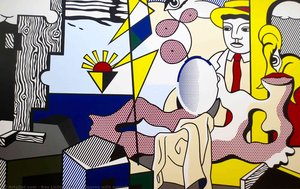
Manhattan, 1923. The city provides the backdrop for Roy Fox Lichtenstein's arrival into an upper-middle-class Jewish family. His father, Milton, works as a real estate broker, while his mother, Beatrice, a trained pianist, introduces him to the cultural rhythms of New York. These early years are marked by a dual immersion in the visual and the auditory; he spends his childhood exploring museums and attending concerts, developing a deep appreciation for jazz music that persists throughout his life.

The trajectory shifts toward formal discipline in 1939. He enters the Art Students League of New York, placing himself under the instruction of Reginald Marsh. Here, the focus remains on the fundamentals of drawing and painting. He moves from these early explorations toward higher education, enrolling at Ohio State University to pursue a degree in fine arts. This academic foundation provides the technical rigor that will eventually underpin his later, more radical departures from traditional representation.

Military Service and Return to Study

The trajectory of Lichtenstein's education shifts abruptly in 1943. The draft pulls him from the classroom and into the United States Army. For two years, the focus moves from the studio to the front lines of Europe. He serves in France, Belgium, and Germany, navigating the chaos of the war years between 1943 and 1945. During this period, he works as an orderly, a draftsman, and an artist, sketching the reality of his surroundings while the conflict reaches its peak.

The war ends, but the transition back to civilian life is not immediate. After the cessation of hostilities in 1945, Lichtenstein remains in France for a time, intending to study at the Sorbonne. This plan dissolves when his father becomes gravely ill, forcing a return to the United States. He heads back to Ohio State University to finish what he started. By 1946, he completes his BFA, ready to re-enter the professional art world as a trained practitioner.

Teaching Career and Early Works

The post-war years find Lichtenstein navigating the academic landscape of the American Midwest and East Coast. He serves as an art instructor at Ohio State University, a position he holds on and off for a decade. During this period, his creative output shifts. He moves away from the heavy, emotional brushwork of Abstract Expressionism. Instead, he begins to experiment with Cubist interpretations and lyrical works inspired by the Bayeux Tapestry. He also explores Western themes, producing series of drawings and paintings that reflect a growing interest in stylized, printed imagery.

The transition toward a more graphic language accelerates through his various academic appointments. In 1957, he moves to the State University of New York, Oswego, to teach industrial design. This role coincides with a period of intense experimentation. He begins to combine cartoon characters, such as Mickey Mouse and Donald Duck, with abstract backgrounds. This hybrid approach marks a departure from traditional fine art. He later serves as an assistant professor at Douglass College, Rutgers, State University of New Jersey, and as an assistant professor at SUNY Oswego. These academic environments provide the stability for him to refine a visual language that rejects the texture of traditional painting in favor of something more mechanical and detached.

Technique and Signature Style

The canvas becomes a site of mechanical precision. Lichtenstein strips away the visible brushstroke, replacing the artist's hand with the cold, calculated language of mass production. He adopts the aesthetics of comic books and advertising, utilizing bold, primary colors and heavy black outlines to define his subjects. The imagery feels detached, mimicking the flat, impersonal quality of a printed page rather than a hand-painted surface.

Texture is achieved through a deliberate, systematic application of Ben-Day dots. These small, colored circles create shading and gradations, replicating the look of cheap commercial printing. He does not paint these dots individually. Instead, he uses stencils made of thin plastic or metal, sweeping a brush or rag across the surface to ensure a uniform, machine-made appearance. This technique turns the act of painting into a process of reproduction, blurring the line between fine art and industrial output.

Key Works and Iconic Paintings

The shift toward his signature style arrives in 1961 with Look Mickey. Here, the appropriation of a Disney character marks a departure from his earlier abstract experiments. He moves away from the heavy, emotional brushwork of the previous decade, opting instead for the mechanical clarity of the comic strip. The work functions as a bridge, translating the language of pulp fiction into a formal, large-scale composition.

By 1963, the scale of his visual interrogation expands. Whaam! explodes across the canvas, utilizing the dramatic, fragmented panels of war comics to capture a moment of high-octane violence. Simultaneously, Drowning Girl presents a different kind of tension. It focuses on a woman submerged in water, her face marked by stylized tears and a speech bubble that expresses a sense of personal defiance. These works do not merely depict scenes; they freeze the melodrama of mass media into static, graphic objects.

The 1964 painting Nurse continues this exploration of the romantic and the dramatic. It utilizes the same high-contrast outlines and Ben-Day dots that define his most recognized period. The subject, a nurse from a comic romance novel, is rendered with a detachment that emphasizes the artificiality of the source material. His output during this era remains focused on the intersection of human emotion and industrial reproduction.

Later Years and Death

The 1960s brought a shift in his personal life when he married Dorothy Herzka in 1968. This period saw him continuing to produce a vast body of work, expanding his reach through various mediums. His output remained prolific, spanning over five thousand works including paintings, sculptures, and murals. He moved beyond the initial shock of his comic-inspired style to explore more complex compositions, including series that referenced classical art and landscapes.

The end came abruptly in the late 1990s. In August 1997, he contracted pneumonia. The illness proved too much for his system. He died from complications of the infection on September 29, 1997. He was 73 years old.

Legacy and Lasting Impact

The boundaries between high art and popular culture dissolve in the wake of his influence. By lifting the visual language of comic strips and advertising into the gallery, he forced a confrontation between fine art and the mass-produced imagery of everyday life. This shift did more than change the subject matter of painting; it challenged the very definition of artistic authorship and originality. His work remains a catalyst for critical dialogue regarding the intersection of art, culture, and commerce.

His presence is felt in major museum collections worldwide. From the halls of the Tate in London to the Museum of Modern Art in New York, his aesthetic remains a fundamental part of the modern canon. The impact of his method extends into graphic design, illustration, and contemporary digital art, where the tension between the mechanical and the hand-painted continues to resonate. He did not merely participate in the Pop Art movement; he helped originate it, establishing a visual vocabulary that remains a primary reference point for how we consume images in a media-saturated age.