


1


Ενημερωμένο Νοέμβριος 2026 · κατάταξη βάσει του σκορ δημοφιλίας μας (αναζητήσεις, επισκέψεις και παραγγελίες για κάθε έργο) · 59 έργα του Robert Gwathmey στον κατάλογό μας
Με σύντομη περιγραφή
Το έργο The Farmer Wanted a Boy (1942) είναι το ποίτευμα του Robert Gwathmey που τραβάει τα περισσότερα βλέμματα· το πρωτότυπο ανήκει στο Art Institute of Chicago, Σικάγκο. Μετά από αυτό, το βλέμμα στρέφεται στο Portrait of a Farmer's Wife (1951) και στο Parade (1951). Ανάμεσα στα 59 έργα του Robert Gwathmey στον κατάλογό μας, αυτά τα 56 είναι τα πιο διάσημα, το καθένα ένα μοναδικό πρωτότυπο που παρουσιάζεται με την χρονολογία του, το μουσείο του και τον λόγο για τον οποίο παραμένει αιώνιο.


The Parade painting by Robert Gwathmey is a remarkable piece of art that showcases the artist's unique style and technique. Created in 1951, this watercolour painting measures 53 x 36 cm and is currently housed at the Smithsonian American Art Museum in the United States. Artist Background Robert Gwathmey was an American artist known for his bold and expressive works of art. Born in 1903, he was a prominent figure…


 Untitled (853)
12
 Untitled (574)
13
 Untitled (791)
14
 Untitled (219)
15
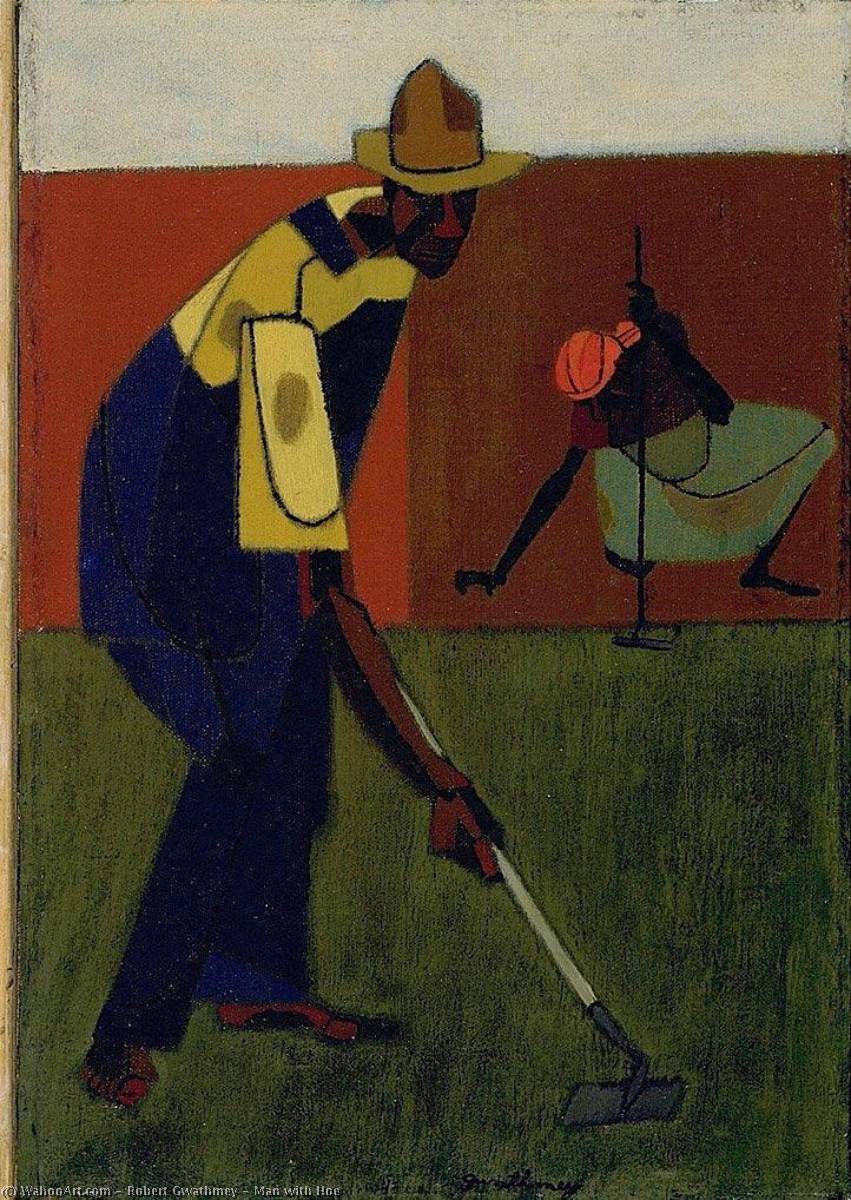
 Man with Hoe1944
16
 Singing and Mending1944
17
 Front Porch1947
18
 Poll Tax Country1945
19
 Sharecroppers and Blackberry Pickers1950
20
 Carrying the Sack1950
21
 Asleep at the Table1945 · Ogden Museum of Southern Art
22
 Untitled (813)
23
 Untitled (585)
24
 Untitled (196)
25
 Untitled (106)
26
 Untitled (721)
27
 Untitled (226)
28
 Untitled (193)
29
 Untitled (805)
30
 Untitled (561)
31
 Untitled (348)
32
 Untitled (491)
33
 Untitled (360)
34
 Untitled (416)
35
 Untitled (558)
36
 Untitled (285)
37
 Untitled (857)
38
 Untitled (207)
39
 Untitled (788)
40
 Untitled (724)
41
 Untitled (668)
42
 Untitled (655)
43
 Untitled (626)
44
 Untitled (735)
45
 Untitled (909)
46
 Untitled (968)
47
 Untitled (878)
48
 Untitled (106)
49
 Untitled (958)
50
 Untitled (857)
51
 Untitled (430)
52
 Untitled (750)
53
 Untitled (183)
54
 Untitled (229)
55
 Untitled (565)
56
 Going Home
Τα 2 μουσεία που φιλοξενούν το μεγαλύτερο μέρος των έργων σε αυτήν τη σελίδα.
| Μουσείο | Πόλη | Έργα του Robert Gwathmey | Πάτρια από αυτή τη λίστα |
|---|---|---|---|
 Art Institute of Chicago |
Σικάγκο | 1 | The Farmer Wanted a Boy |
 Ogden Museum of Southern Art |
Νέα Ορλεάνη | 1 | Asleep at the Table |
Τα πρωτότυπα έργα του Robert Gwathmey που εμφανίζονται εδώ καλύπτουν περίπου δέκα χρόνια, από το 1942 έως το 1951: το μάτι τα ακολουθεί έτος προς έτος.
Επιλέξτε μια χρονιά για να δείτε τα πρωτότυπα έργα της.


The Farmer Wanted a Boy (1942), Art Institute of Chicago, Σικάγκο. Στη συνέχεια ακολουθούν το Portrait of a Farmer's Wife (1951) και το Parade (1951).
39 ετών: το έργο The Farmer Wanted a Boy είναι του 1942, και ο/η Robert Gwathmey γεννήθηκε το 1903.
The Farmer Wanted a Boy, Portrait of a Farmer's Wife, Parade, Untitled (504), Untitled (978), Untitled (811), Untitled (540), Untitled (830), Untitled (598) και Untitled (389). Η κατάταξη παραπάνω αναγράφει το έτος και το μουσείο για το κάθε έργο.
Ο κατάλογός μας περιλαμβάνει 59 έργα του Robert Gwathmey, με ημερομηνίες από 1942 έως 1951.
Κυρίως σε Art Institute of Chicago (Σικάγκο) και Ogden Museum of Southern Art (Νέα Ορλεάνη). Ο πίνακας μουσείου παραπάνω τους περιλαμβάνει όλους.
Κατά την περίοδο 1944: 2 από τα 56 έργα σε αυτήν τη σελίδα δημιουργήθηκαν τότε, με Man with Hoe από αυτά να είναι μοναδικά.
Σε αυτήν τη σελίδα, το παλαιότερο είναι The Farmer Wanted a Boy (1942) και το νεότερο Portrait of a Farmer's Wife (1951).
Social realism, όπως προκύπτει από τα πρωτότυπα σε αυτήν τη σελίδα.