Πορτρέτο του Πιέτρο Μπερίνι

Τα 5 πιο διάσημα έργα του Πιέτρο Μπερίνι, κάθε ένα μοναδικό

Ενημερωμένο Νοέμβριος 2026 · κατάταξη βάσει του σκορ δημοφιλίας μας (αναζητήσεις, επισκέψεις και παραγγελίες για κάθε έργο) · 5 έργα του Πιέτρο Μπερίνι στον κατάλογό μας

Με σύντομη περιγραφή

Το έργο The Assumption (1607) είναι το ποίτευμα του Πιέτρο Μπερίνι που τραβάει τα περισσότερα βλέμματα· το πρωτότυπο ανήκει στο Santa Maria Maggiore, Ρώμη. Μετά από αυτό, το βλέμμα στρέφεται στο Bust of Antonio Coppola (1612) και στο The Charity of St Martin (1610). Ανάμεσα στα 5 έργα του Πιέτρο Μπερίνι στον κατάλογό μας, αυτά τα 5 είναι τα πιο διάσημα, το καθένα ένα μοναδικό πρωτότυπο που παρουσιάζεται με την χρονολογία του, το μουσείο του και τον λόγο για τον οποίο παραμένει αιώνιο.

1562 – 1629, Σέστο Φιορεντίνο Baroque Περισσότερα έργα: Santa Maria Maggiore

Τα 10 κορυφαία έργα του Πιέτρο Μπερίνι, μέσα από το βλέμμα της γκαλερί

1
The Assumption (1607) του Πιέτρο Μπερίνι

The Assumption

1607 · Marble · Santa Maria Maggiore, Ρώμη

In the heart of Rome, within the sacred walls of the Santa Maria Maggiore Basilica, a marble relief titled The Assumption unfolds. Created by the sculptor Pietro Bernini, this work captures a moment of celestial movement. The sculpture resides in the baptistery of the basilica, having been commissioned specifically for the sacristy of this historic site. It exists as a physical manifestation of devotion, carved into stone to occupy a…

3
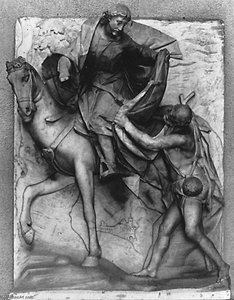
The Charity of St Martin (1610) του Πιέτρο Μπερίνι

The Charity of St Martin

1610 · Marble · Certosa di San Martino, Νάπολι

The sculpture is titled The Charity of St Martin. It was created by the Italian sculptor Pietro Bernini, a figure whose work helped define the transition into the Baroque style. This particular piece is a significant example of that era's emphasis on movement and emotional expression. You can find it today within the Certosa di San Martino in Naples, Italy.

4
St John the Baptist (1612) του Πιέτρο Μπερίνι

St John the Baptist

1612 · Marble · Sant'Andrea della Valle, Ρώμη

The marble figure of St John the Baptist emerges from the shadows, a silent presence carved by the hands of the Italian sculptor Pietro Bernini. Created about 1612, this work captures the saint in a moment of profound stillness. The sculpture carries the weight of a man who has lived a life of devotion, his form rendered with a precision that makes the stone feel alive under the gaze of…

Τα θέματα που κίνησαν το ενδιαφέρον του Πιέτρο Μπερίνι

Τα τέσσερα θέματα που εμφανίζονται πιο συχνά σε αυτά τα πρωτότυπα έργα, το καθένα με το εξαιρετικό του παράδειγμα.

Τα μουσεία που διατηρούν τα πρωτότυπα έργα του Πιέτρο Μπερίνι

Τα 4 μουσεία που φιλοξενούν το μεγαλύτερο μέρος των έργων σε αυτήν τη σελίδα.

Μουσείο Πόλη Έργα του Πιέτρο Μπερίνι Πάτρια από αυτή τη λίστα
Santa Maria Maggiore, ΡώμηSanta Maria Maggiore Ρώμη 1 The Assumption
San Giovannini dei Fiorentini, RomeSan Giovannini dei Fiorentini Rome 1 Bust of Antonio Coppola
Certosa di San Martino, ΝάπολιCertosa di San Martino Νάπολι 1 The Charity of St Martin
Sant'Andrea della Valle, ΡώμηSant'Andrea della Valle Ρώμη 1 St John the Baptist

Ο Πιέτρο Μπερίνι μέσα από τα χρόνια: τα μοναδικά πρωτότυπα κάθε έργου

Τα πρωτότυπα έργα του Πιέτρο Μπερίνι που εμφανίζονται εδώ καλύπτουν περίπου δέκα χρόνια, από το 1607 έως το 1615: το μάτι τα ακολουθεί έτος προς έτος.

Έργα ανά έτος

Επιλέξτε μια χρονιά για να δείτε τα πρωτότυπα έργα της.

Οι πίνακες του Πιέτρο Μπερίνι: ερωτήσεις για την γκαλερί

Ποιο είναι το πιο διάσημο έργο του Πιέτρο Μπερίνι;Αποκαλύψτε την απάντηση

The Assumption (1607), Santa Maria Maggiore, Ρώμη. Στη συνέχεια ακολουθούν το Bust of Antonio Coppola (1612) και το The Charity of St Martin (1610).

Σε τι ηλικία δημιούργησε ο/η Πιέτρο Μπερίνι το έργο The Assumption;Αποκαλύψτε την απάντηση

45 ετών: το έργο The Assumption είναι του 1607, και ο/η Πιέτρο Μπερίνι γεννήθηκε το 1562.

Πόσα έργα του Πιέτρο Μπερίνι είναι γνωστά;Αποκαλύψτε την απάντηση

Ο κατάλογός μας περιλαμβάνει 5 έργα του Πιέτρο Μπερίνι, με ημερομηνίες από 1607 έως 1615.

Πού μπορούν να θαυμαστούν τα πιο διάσημα πρωτότυπα έργα του Πιέτρο Μπερίνι;Αποκαλύψτε την απάντηση

Κυρίως σε Santa Maria Maggiore (Ρώμη), San Giovannini dei Fiorentini (Rome) και Certosa di San Martino (Νάπολι). Ο πίνακας μουσείου παραπάνω τους περιλαμβάνει όλους.

Κατά ποια περίοδο δημιούργησε ο/η Πιέτρο Μπερίνι τα πιο γνωστά του/της έργα;Αποκαλύψτε την απάντηση

Κατά την περίοδο 1612: 2 από τα 5 έργα σε αυτήν τη σελίδα δημιουργήθηκαν τότε, με Bust of Antonio Coppola από αυτά να είναι μοναδικά.

Ποιο διάσημο έργο του Πιέτρο Μπερίνι είναι το παλαιότερο και ποιο το νεότερο;Αποκαλύψτε την απάντηση

Σε αυτήν τη σελίδα, το παλαιότερο είναι The Assumption (1607) και το νεότερο Satyr with Panther (1615).

Ποια θέματα προτίμησε ο/η Πιέτρο Μπερίνι;Αποκαλύψτε την απάντηση

Man (4), Marble (4) και Sculpture (2), σε συνολικά 5 έργα σε αυτήν τη σελίδα.

Με ποια υλικά χρησιμοποίησε περισσότερο ο Πιέτρο Μπερίνι;Αποκαλύψτε την απάντηση

Marble, για 5 από τα 5 έργα σε αυτήν τη σελίδα.

Ποιο καλλιτεχνικό κίνημα ανήκει το έργο του Πιέτρο Μπερίνι;Αποκαλύψτε την απάντηση

Baroque, όπως προκύπτει από τα πρωτότυπα σε αυτήν τη σελίδα.

Πιέτρο Μπερίνι: ένα πορτρέτο του καλλιτέχνη

Pietro Bernini: Life and Legacy

Early Life and Training

  • Born: Sesto Fiorentino, Tuscany, Italy in 1562.
  • Pietro Bernini emerged during the late Mannerist period, a time of stylistic transition in Italian art. His early training likely involved exposure to the prevailing artistic trends of Florence, characterized by elegance and refinement.
  • Details regarding his initial apprenticeship remain somewhat scarce, but it’s understood he developed foundational skills in sculpture before relocating to Naples.

Naples and Family Beginnings

  • Bernini moved to Naples to contribute to the artistic embellishment of the Certosa di San Martino, a significant religious complex.
  • Significant Event: It was in Naples that he met and married Domenica Pizzuti, and their son, the future Baroque master Gian Lorenzo Bernini, was born in 1598.
  • This period marked a crucial turning point, laying the groundwork for a family dynasty of artists.

Rome and Papal Patronage

  • Relocation: In 1605, the Bernini family relocated to Rome under the protection of Cardinal Scipione Borghese, a powerful figure in the Roman art world.
  • Pietro quickly secured commissions from Pope Paul V (also a Borghese), contributing to projects such as the Pauline Chapel within the Basilica of Santa Maria Maggiore. This marked his entry into the heart of Roman artistic activity.
  • Influence: The patronage of the Borghese family proved instrumental in establishing Pietro’s career and providing opportunities for both him and, eventually, his son.

Major Works and Artistic Style

  • Fontana della Barcaccia: Perhaps his most celebrated work, the Fontana della Barcaccia (Fountain of the Old Boat) at the foot of the Spanish Steps in Rome. Completed in 1627, it’s a striking example of Baroque ingenuity, resembling a beached ship.
  • Other Notable Works: Contributions to the Fountain of Neptune in Naples (completed between 1600-1601), and sculptural work within Santa Maria Maggiore.
  • Artistic Style: Pietro’s style blended Mannerist elegance with emerging Baroque dynamism. His sculptures often exhibit a sense of movement, emotional intensity, and dramatic flair.

Collaboration and Legacy

  • Early Collaboration with Gian Lorenzo: Pietro initially collaborated with his son on projects like the Boy with a Dragon (1617), showcasing early signs of Gian Lorenzo’s exceptional talent.
  • Shift in Roles: As Gian Lorenzo's abilities surpassed his own, Pietro willingly transitioned into a supportive role, often acting as an assistant to his son. This demonstrates a remarkable level of artistic maturity and familial dedication.
  • Historical Significance: While overshadowed by his son’s immense fame, Pietro Bernini played a vital role in shaping the Roman Baroque landscape. His work paved the way for Gian Lorenzo's groundbreaking achievements and contributed to the flourishing of art during this period.
  • Death: Pietro Bernini died in Rome in 1629 at the age of 67, leaving behind a legacy as both a skilled sculptor and the father of one of history’s greatest artists.