Πορτρέτο του Πέδρο Ντε Καμπρόμπιν

Τα 14 πιο διάσημα έργα του Πέδρο Ντε Καμπρόμπιν, μια επιλογή γκαλερί

Ενημερωμένο Νοέμβριος 2026 · κατάταξη βάσει του σκορ δημοφιλίας μας (αναζητήσεις, επισκέψεις και παραγγελίες για κάθε έργο) · 14 έργα του Πέδρο Ντε Καμπρόμπιν στον κατάλογό μας

Με σύντομη περιγραφή

Από όλα τα πρωτότυπα έργα που άφησε ο Πέδρο Ντε Καμπρόμπιν, το πιο διάσημο είναι το Άνθος σε Λουλούδες (1663), το οποίο βρίσκεται στη συλλογή του Μουσείο του Πράδο, Μαδρίτη. Ακολουθούν στενά η Vase of Flowers (1663) και η Still life of iris. Ο κατάλογός μας περιλαμβάνει 14 έργα του Πέδρο Ντε Καμπρόμπιν· η γκαλερί έχει διατηρήσει τα 14 κομμάτια που θαυμάζει ο κόσμος, το καθένα με την ημερομηνία, το μουσείο και την ιστορία του.

1605 – 1674, Άλμαγρό Περισσότερα έργα: Μουσείο του Πράδο

Τα 10 κορυφαία έργα του Πέδρο Ντε Καμπρόμπιν: η επιλογή της γκαλερί

1
Άνθος σε Λουλούδες (1663) του Πέδρο Ντε Καμπρόμπιν

Άνθος σε Λουλούδες

1663 · Άνθρακα και λάδι σε καμβά · Μουσείο του Πράδο, Μαδρίτη

Pedro de Camprobin's “Vase of Flowers,” painted in 1663, is more than just a still life; it’s a carefully constructed meditation on beauty, mortality, and the fleeting nature of time – a hallmark of the Spanish Baroque. Housed within the esteemed Museo del Prado in Madrid, this oil-on-canvas work offers a rare glimpse into the oeuvre of an artist often relegated to the shadows of his more celebrated contemporaries. Camprobin’s…

2
Vase of Flowers (1663) του Πέδρο Ντε Καμπρόμπιν

Vase of Flowers

1663 · Oil On Canvas · Μουσείο του Πράδο, Μαδρίτη

An ornate golden vase holds a heavy weight of blossoms. Roses, both white and red, spill toward the edges of their container. Carnations and lilies mingle with the soft shapes of daffodils and calendula. Two butterflies rest among the petals, caught in a moment of stillness. The background is a dark, muted brown, a shadow that pushes the colors forward. Light falls from the upper left, striking the smooth surfaces…

6
Vase of Flowers (1665) του Πέδρο Ντε Καμπρόμπιν

Vase of Flowers

1665

The Vase of Flowers by Pedro De Camprobín is a stunning example of 17th-century still life painting. Created in 1665, this oil on canvas piece measures 83 x 67 cm and showcases the artist's skill in capturing the intricate details of flowers and the reflective quality of the vase. The painting style suggests it could be from the Baroque period, characterized by its attention to detail and use of light…

Η επιλογή του Πέδρο Ντε Καμπρόμπιν συνεχίζεται, από τον 11 έως τον 14

Τα θέματα που κίνησαν το ενδιαφέρον του Πέδρο Ντε Καμπρόμπιν

Τα τέσσερα θέματα που εμφανίζονται πιο συχνά σε αυτά τα πρωτότυπα έργα, το καθένα με το εξαιρετικό του παράδειγμα.

Τα μουσεία που διατηρούν τα πρωτότυπα έργα του Πέδρο Ντε Καμπρόμπιν

Τα 3 μουσεία που φιλοξενούν το μεγαλύτερο μέρος των έργων σε αυτήν τη σελίδα.

Μουσείο Πόλη Έργα του Πέδρο Ντε Καμπρόμπιν Πάτρια από αυτή τη λίστα
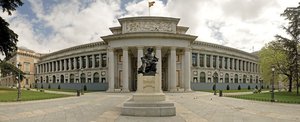
Μουσείο του Πράδο, ΜαδρίτηΜουσείο του Πράδο Μαδρίτη 4 Άνθος σε Λουλούδες, Vase of Flowers, Vase
Fundación Banco Santander, ΜαδρίτηFundación Banco Santander Μαδρίτη 2 Writing Desk with a small Chest and a Fruit Bowl, Writing Desk with a small Chest and a Fruit Bowl
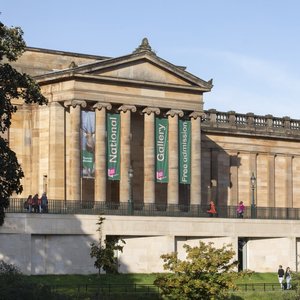
Εθνική Πινάκοθήκη της Σκωτίας, ΈδιμβουργοΕθνική Πινάκοθήκη της Σκωτίας Έδιμβουργο 1 Still Life with Dish of Pears and a Sprig of Jasmine Blossom on a Ledge

Ο Πέδρο Ντε Καμπρόμπιν ανά έτος: τα πρωτότυπα που τον ορίζουν

Από το 1650 έως το 1665, ο/η Πέδρο Ντε Καμπρόμπιν δημιούργησε για 16 χρόνια: η επιλογή ακολουθεί αυτή την πολυετή καριέρα πλάγια, μέσα από τα κορυφαία πρωτότυπα έργα της.

Έργα ανά έτος

Επιλέξτε μια χρονιά για να δείτε τα πρωτότυπα έργα της.

Ερωτήσεις συλλεκτών για τα έργα του Πέδρο Ντε Καμπρόμπιν

Για ποιο έργο είναι πιο γνωστός ο Πέδρο Ντε Καμπρόμπιν;Αποκαλύψτε την απάντηση

Άνθος σε Λουλούδες (1663), Μουσείο του Πράδο, Μαδρίτη. Στη συνέχεια ακολουθούν το Vase of Flowers (1663) και το Still life of iris.

Πόσο ηλικία είχε ο/η Πέδρο Ντε Καμπρόμπιν όταν δημιουργήθηκε το Άνθος σε Λουλούδες;Αποκαλύψτε την απάντηση

58 ετών: το έργο Άνθος σε Λουλούδες είναι του 1663, και ο/η Πέδρο Ντε Καμπρόμπιν γεννήθηκε το 1605.

Ποια είναι τα δέκα πιο διάσημα έργα του Πέδρο Ντε Καμπρόμπιν;Αποκαλύψτε την απάντηση

Άνθος σε Λουλούδες, Vase of Flowers, Still life of iris, Still Life with Dish of Pears and a Sprig of Jasmine Blossom on a Ledge, Camprobin - bodegon, Vase of Flowers, The Gentleman and Death, Vase, Still Life of Iris, Lilies, Roses and Carnations In Elaborate Urn και Cesto. Η κατάταξη παραπάνω αναγράφει το έτος και το μουσείο για το κάθε έργο.

Πόσα έργα δημιούργησε ο/η Πέδρο Ντε Καμπρόμπιν;Αποκαλύψτε την απάντηση

Ο κατάλογός μας περιλαμβάνει 14 έργα του Πέδρο Ντε Καμπρόμπιν, με ημερομηνίες από 1650 έως 1665.

Σε ποια μουσεία εκτίθενται τα αριστούργημα του Πέδρο Ντε Καμπρόμπιν;Αποκαλύψτε την απάντηση

Κυρίως σε Μουσείο του Πράδο (Μαδρίτη), Fundación Banco Santander (Μαδρίτη) και Εθνική Πινάκοθήκη της Σκωτίας (Έδιμβουργο). Ο πίνακας μουσείου παραπάνω τους περιλαμβάνει όλους.

Σε ποιες χρονιές δημιούργησε ο/η Πέδρο Ντε Καμπρόμπιν τα πιο διάσημα έργα του/της;Αποκαλύψτε την απάντηση

Κατά την περίοδο 1663: 2 από τα 14 έργα σε αυτήν τη σελίδα δημιουργήθηκαν τότε, με Άνθος σε Λουλούδες από αυτά να είναι μοναδικά.

Ποια είναι τα πρώτα και τα τελευταία διάσημα πρωτότυπα του Πέδρο Ντε Καμπρόμπιν;Αποκαλύψτε την απάντηση

Σε αυτήν τη σελίδα, το παλαιότερο είναι Still Life with Dish of Pears and a Sprig of Jasmine Blossom on a Ledge (1650) και το νεότερο Vase of Flowers (1665).

Ποια θέματα επέλεξε πιο συχνά ο Πέδρο Ντε Καμπρόμπιν;Αποκαλύψτε την απάντηση

Flowers (4), Vase (3) και Life (3), σε συνολικά 14 έργα σε αυτήν τη σελίδα.

Ποια έργα του Πέδρο Ντε Καμπρόμπιν εκτίθενται στο Μουσείο του Πράδο;Αποκαλύψτε την απάντηση

Άνθος σε Λουλούδες, Vase of Flowers και Vase: το Μουσείο του Πράδο, Μαδρίτη διαθέτει 4 από τα έργα σε αυτήν τη σελίδα.

Πέδρο Ντε Καμπρόμπιν: ζωή και έργο

Pedro de Camprobin: A Shadowed Light of Spanish Mannerism

Pedro de Camprobin (1605 – 1674) remains a figure shrouded in artistic mystery, yet his paintings—primarily religious compositions imbued with Caravaggisti fervor—offer glimpses into the vibrant heart of 17th-century Spain. Born in Almagro, Castile, Camprobin’s formative years coincided with the flourishing Mannerist movement spearheaded by El Greco, whose dramatic chiaroscuro and expressive distortions profoundly impacted his artistic vision. While biographical details are scarce, evidence suggests he honed his craft under Luis Tristán de Escamilla, a fellow Toledo painter who championed El Greco's style—a connection that undeniably shaped Camprobin’s distinctive aesthetic.
  • Early Training & Influences: Camprobin’s apprenticeship with Tristán solidified his grasp of tenebrism, the technique popularized by Caravaggio, characterized by stark contrasts between light and dark. This stylistic choice wasn't merely fashionable; it reflected a broader artistic preoccupation with conveying spiritual intensity through dramatic visual effects.
  • Notable Works: Camprobin’s oeuvre is marked by several significant commissions, most notably the Santa Eulalia Chapel altarpiece in Burgos Cathedral—a monumental undertaking that exemplifies his mastery of composition and tonal gradation. His paintings are notable for their meticulous detail and psychological depth, capturing not just visual likeness but also conveying profound emotion.
  • The Vase of Flowers & Beyond: Among Camprobin’s celebrated works is “Vase of Flowers,” a captivating still life that showcases his ability to render textures with remarkable accuracy and imbue inanimate objects with symbolic resonance. Similarly, "Camprobin - bodegon" exemplifies the Baroque tradition's fascination with capturing everyday scenes within an artistic framework.
His paintings are characterized by a palpable sense of drama—a hallmark of Caravaggisti art—where figures emerge from darkness illuminated by pools of radiant light. This technique serves to heighten emotional impact and underscores the artist’s commitment to portraying religious subjects with uncompromising realism. Camprobin's work stands as testament to the enduring legacy of El Greco and Caravaggio, demonstrating how these masters influenced subsequent generations of Spanish painters.

Burgos Chapel Altarpiece: A Pinnacle of Mannerist Drama

The Santa Eulalia Chapel altarpiece in Burgos Cathedral represents Camprobin’s crowning achievement—a monumental undertaking that cemented his reputation as one of Spain's foremost Mannerist artists. Executed with painstaking precision and imbued with a masterful understanding of tonal modulation, the chapel’s centerpiece depicts Saint Eulalia receiving communion, bathed in an ethereal glow emanating from above. The composition is deliberately unsettling, reflecting the psychological complexities inherent in portraying spiritual devotion—a characteristic trait of Camprobin's artistic approach.

Caravaggisti Influence: Mastering Dramatic Light and Shadow

Camprobin’s stylistic choices – particularly his embrace of tenebrism – bear unmistakable traces of Caravaggio’s influence. Like Caravaggio, Camprobin sought to evoke emotion through stark contrasts between light and dark, prioritizing expressive realism over idealized beauty. This technique is evident throughout his paintings, where figures are positioned within zones of intense illumination against backgrounds plunged into darkness—a deliberate strategy designed to heighten visual drama and convey spiritual fervor.

Legacy & Historical Significance

Pedro de Camprobin’s contribution to Spanish Baroque art extends beyond individual masterpieces; he embodies the spirit of a generation grappling with religious upheaval and artistic innovation. His paintings continue to inspire admiration for their technical brilliance and emotional depth—a testament to his enduring legacy as a pivotal figure in the history of Spanish Mannerism. Further research into Camprobin’s life and work promises to illuminate new facets of this enigmatic artist's contribution to the artistic landscape of 17th-century Spain.