The Eternal Window: The Sacred Tradition of Orthodox Icons
To gaze upon an Orthodox icon is not merely to observe a painting, but to encounter a window into the eternal. This profound tradition of religious art, rooted deeply in the soil of Byzantine Christianity, transcends the boundaries of time and geography, stretching from the ancient heart of Constantinople across the vast landscapes of Eastern Europe and beyond. Unlike the Western Christian tradition, which often seeks to capture the tangible realism of the human form and the dramatic narratives of earthly life, the art of the iconographer strives for something far more elusive: spiritual contemplation. The goal is not to replicate the physical world with photographic accuracy, but to illuminate the sacred mysteries of faith, evoking divine grace through a language of stylized symbols and luminous textures.
The origins of this venerable art form are found in the early centuries of the Christian era, drawing inspiration from Jewish traditions of depicting God’s glory and the exquisite beauty of illuminated manuscripts from Alexandria and Jerusalem. As the Byzantine Empire established itself as a beacon of Christian culture, icon painting blossomed into a highly disciplined craft. The artists, or iconographers, adhered to strict theological canons, believing that the divine could only be properly expressed through forms that transcended earthly limitations. Through the use of specific proportions and a unique perspective, they created a visual theology where every color, line, and gesture serves as a vessel for the holy.
A Legacy of Divine Light and Symbolism
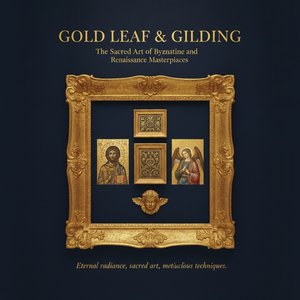
The technical mastery of Orthodox iconography is inseparable from its spiritual purpose. The use of gold leaf is perhaps the most striking element, acting as more than mere decoration; it represents the uncreated light of God, creating a shimmering, celestial atmosphere that separates the sacred subject from the mundane world. This alchemy of divinity transforms the wooden panel into a portal of radiance. Every element within the composition carries profound weight:
- The Use of Gold: Symbolizing the divine presence and the eternal kingdom that exists beyond the reach of shadow.
- Stylized Figures: The elongated features and solemn expressions of saints are designed to direct the viewer's focus away from physical beauty toward spiritual essence.
- Symbolic Color Palettes: Specific hues are employed to convey theological truths, such as blue for humanity and red for divinity or martyrdom.
- Inverse Perspective: A technique where lines converge toward the viewer rather than a distant horizon, symbolically inviting the observer into the sacred space of the icon.
Throughout history, various regional styles have emerged, enriching the broader Byzantine tradition. In Russia, the art reached new heights of emotional and spiritual depth through masters like Andrei Rublev, whose work, such as the iconic Trinity, exemplifies a sense of profound peace and interconnectedness. Meanwhile, in Bulgaria and Romania, local traditions introduced unique nuances, such as the delicate beauty of icons painted on glass, ensuring that the breath of this ancient art continued to move through the hearts of the faithful across generations.
The Enduring Significance of the Iconographic Vision
The historical significance of Orthodox icons lies in their ability to act as a living chronicle of faith. They have survived the rise and fall of empires, the shifts of political ideologies, and the changing tides of artistic movements. Even in the modern era, the tradition remains a vital force, providing a sense of continuity and stability in an ever-changing world. The iconographer does not seek fame or individual expression in the modern sense; rather, they serve as a humble conduit for a much larger, divine narrative.
Today, the study and preservation of these works allow us to touch the pulse of history. Whether it is the monumental mosaics of ancient monasteries or the intimate, hand-painted icons found in private devotion, the essence remains unchanged. The icon continues to perform its primary function: to invite the soul into a direct, unmediated dialogue with the sacred, offering a moment of stillness and a glimpse of the divine radiance that persists through the ages.