Μενού
ΔΩΡΕΑΝ ΣΥΜΒΟΥΛΗ ΤΕΧΝΗΣ

Νικόλαος Μάης

1634 - 1693

Σημαντικά Στοιχεία

  • Typical colors: εσπρέσο
  • Color intensity:
    • μονόχρωμο
    • έντονο
  • Creative periods: mature period
  • Art period: Πρώιμη Νέα Εποχή
  • Born: 1634, Δορδρέσκη, Ολλανδία
  • Vibe:
    • ευγενής και κομψός
    • αρμονικό
  • Top 3 works:
    • The Idle Servant
    • Christ before Pilate
    • Portrait of a Woman
  • Died: 1693
  • Copyright status: Public domain
  • Museums on APS:
    • Εθνική Πινακοθήκη Λονδίνου
    • Εθνική Πινακοθήκη Λονδίνου
    • Μουσείο της Αγίας Ιερουσαλήμ
    • Μουσείο της Αγίας Ιερουσαλήμ
    • Μουσείο της Αγίας Ιερουσαλήμ
  • Nationality: Ολλανδία
  • Works on APS: 66
  • Περισσότερα…
  • Corpus themes:
    • rembrandt’s light
    • domestic life
    • social commentary
    • rembrandt’s light & shadow”
    • genre scene
  • Also known as: Νικόλαος Μάας
  • Gift suitability: other-none
  • Mediums: άνθρακα και λάδι σε καμβά
  • Topics explored:
    • portraiture
    • 17th century
    • dutch art
    • portrait
    • domesticity
  • Top-ranked work: The Idle Servant
  • Emotional tone: αναστοχαστικός
  • Lifespan: 59 years
  • Movements:
    • dutch golden age
    • baroque
  • Best occasions:
    • έμφαση χρωματικών στοιχείων
    • κεντρικό έργο
  • Room fit: καθιστικό

ΚВИΖ Τέχνης

Για κάθε ερώτηση υπάρχει μόνο μία σωστή απάντηση.

Ερώτηση 1:
Υπό την καθοδήγηση οποιου μαθητή εκπαιδεύτηκε αρχικά ο Νικόλαος Μάες;
Ερώτηση 2:
Ποιο ήταν ένα επαναλαμβανόμενο θέμα στις οικιακές σκηνές καθημερινής ζωής του Μάες;
Ερώτηση 3:
Περίπου σε ποια թվականία μετακόμισε ο Νικόλαος Μάες στο Άμστερνταμ και έγινε ένας κορυφαίος ζωγράφος πορτρέτων;
Ερώτηση 4:
Ποια τεχνική τέχνης, έντονα επηρεασμένη από τον Ρέμπραντ, είναι γνωστό ότι χρησιμοποιούσε ο Μάες;
Ερώτηση 5:
Πριν επικεντρωθεί στα πορτρέτα, τι είδους σκηνές ζωγράφιζε κυρίως ο Μάες μετά την επιστροφή του στο Ντόρντρεχτ;

Nicolaes Maes: The Soul of Dutch Light

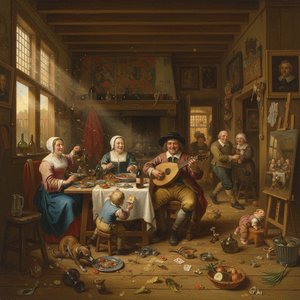
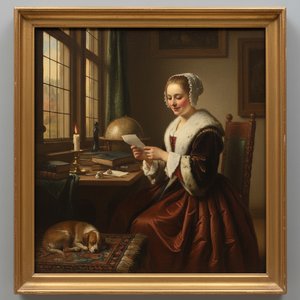
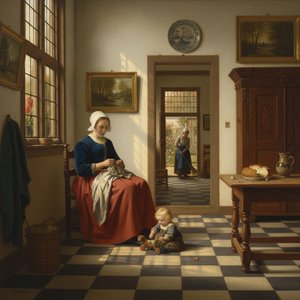
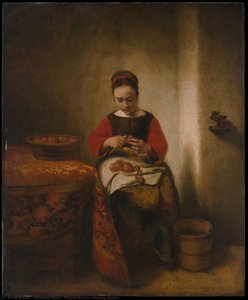
Nicolaes Maes (1634 – 1693) stands as a cornerstone of Dutch Baroque painting, an artist whose legacy continues to resonate through the centuries. Born in Dordrecht, Netherlands, into a family steeped in mercantile tradition—his father was a successful cloth merchant and soap boiler—Maes’s formative years were marked by exposure to both artistic innovation and economic stability, shaping his worldview and fueling his prodigious talent. While biographical details remain somewhat elusive, scholarly consensus points to Rembrandt van Rijn as Maes's pivotal mentor, an apprenticeship that irrevocably imprinted upon him the profound principles of *chiaroscuro* – the dramatic interplay of light and shadow – and a masterful command of color that would define his artistic output. Early Influences and Rembrandt’s Legacy Rembrandt’s influence is palpable in Maes's earliest works, particularly canvases depicting biblical narratives rendered with monumental figures bathed in luminous hues. The artist absorbed Rembrandt’s technique not merely as a stylistic imitation but as an internalization of a philosophical approach to art—a belief that light illuminates the human spirit and reveals its innermost truths. This conviction informs every brushstroke, guiding Maes's meticulous observation of detail and his unwavering commitment to conveying emotion with breathtaking sensitivity. The attribution of “Christ Blessing the Children” (1652–53) to Rembrandt initially fueled debate amongst art historians, highlighting the difficulty in separating stylistic influence from genuine artistic originality. Nevertheless, it underscores the indelible mark left by Rembrandt on Maes’s oeuvre. Genre Painting and Domestic Life Moving beyond biblical subjects, Maes embarked upon a prolific exploration of domestic genre scenes—paintings that captured the everyday rhythms of Dutch life with remarkable realism and psychological insight. His canvases depict women engaged in commonplace activities – spinning wool, preparing meals, reading scripture – portraying not grand narratives but intimate moments of human experience. The artist’s fascination with lacemaking is evident in numerous variations on this theme, each a testament to Maes's meticulous attention to texture and color—a characteristic that distinguishes him from many of his contemporaries. These paintings offer invaluable glimpses into the social customs and domestic interiors of seventeenth-century Holland, reflecting Maes’s profound understanding of human psychology and his ability to convey emotion with understated grace. Portraiture: Mastering Psychological Depth Around 1660, Maes decisively shifted his artistic focus toward portraiture, establishing himself as one of Amsterdam's foremost practitioners. Rejecting the warmer tonal palettes favored by Rembrandt and Houbraken—a stylistic divergence that prompted speculation about a second Maes—the artist cultivated a refined elegance characterized by meticulous detail and psychological depth. His portraits are distinguished by their ability to capture not merely physical likeness but also subtle expressions of character and social standing, reflecting Maes’s keen perception of human psychology. Works such as “Portrait of Gerard Röver” exemplify this skill, presenting a dignified portrayal of wealth and civic pride—a hallmark of Maes's artistic vision. A Lasting Impression Nicolaes Maes passed away in Amsterdam in December 1693, leaving behind an impressive body of work that continues to captivate audiences today. His paintings stand as enduring symbols of Dutch Baroque artistry, embodying the principles of Rembrandt’s legacy—the masterful use of *chiaroscuro*, the profound exploration of human emotion, and the unwavering commitment to capturing the beauty of everyday life. Maes's canvases reside in prestigious collections worldwide – including the Rijksmuseum in Amsterdam, the National Gallery in London, and the National Gallery of Art in Washington D.C.—accessible for study and appreciation through platforms like OriginalUniqueArt.com, ensuring that his artistic contribution endures for generations to come.