


1


Ενημερωμένο Νοέμβριος 2026 · κατάταξη βάσει του σκορ δημοφιλίας μας (αναζητήσεις, επισκέψεις και παραγγελίες για κάθε έργο) · 57 έργα του Γιούζεφ Πανκιέβιτς στον κατάλογό μας
Με σύντομη περιγραφή
Στο μάτι της γκαλερί, το πιο διάσημο έργο του Γιούζεφ Πανκιέβιτς είναι το Jew with a basket. (1887), το πρωτότυπο του οποίου εκτίθεται στο Εθνικό Μουσείο Βαρσοβίας, Βαρσοβία. Ο Portrait of Stefan Polczyński (Portrait of a child). (1897) και ο Portrait of a girl in a red dress (Józefa Oderfeldówna). (1897) ολοκληρώνουν το τρίο που κάθε μάτι αναγνωρίζει. Από τα 57 έργα του Γιούζεφ Πανκιέβιτς στον κατάλογό μας, η γκαλερί παρουσιάζει παρακάτω τα 57 πιο διάσημα, όπου κάθε ένα είναι πρωτότυπο, με την χρονολογία του, το μουσείο του και το τι το κάνει μοναδικό.


 Cup of tea (Visit)1922 · Εθνικό Μουσείο Βαρσοβίας
12
 Self-portrait1924 · Εθνικό Μουσείο Βαρσοβίας
13
 Hares and partridges.1891 · Εθνικό Μουσείο Βαρσοβίας
14
 Landscape from the Environs of Kazimierz Lubelski1891 · Εθνικό Μουσείο Κρακόβ
15
 Camellias in a Bowl1891 · Εθνικό Μουσείο Κρακόβ
16
 Cart with Hay1890 · Εθνικό Μουσείο Κρακόβ
17
 Flower Market at the Church of St. Madeleine in Paris1890 · Εθνικό Μουσείο Πόζναν
18
 The Old City Market, Warsaw, at Night1892
19
 Park in Duboj.1897 · Εθνικό Μουσείο Βαρσοβίας
20
 Nocturne. Swans in the Saxon Garden in Warsaw by night.1893 · Εθνικό Μουσείο Βαρσοβίας
21
 Cab in the Rain1896 · Εθνικό Μουσείο Κρακόβ
22
 By the lamp1893 · Εθνικό Μουσείο Βαρσοβίας
23
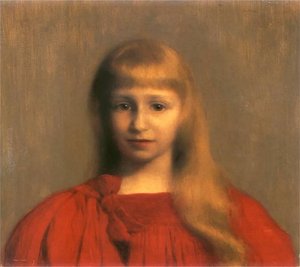 Girl in a Red Dress1897
24
 Pont Saint-Michel in Paris1903 · Εθνικό Μουσείο Βαρσοβίας
25
 View of Saint-Tropez1911 · Εθνικό Μουσείο Βαρσοβίας
26
 Landscape of Saint-Tropez.1910 · Εθνικό Μουσείο Βαρσοβίας
27
 Still Life with a Knife1909 · Εθνικό Μουσείο Κρακόβ
28
 Harbour at Saint-Tropez1909 · Εθνικό Μουσείο Κρακόβ
29
 Return from a Swim1911 · Εθνικό Μουσείο Κρακόβ
30
 Anemones1908 · Εθνικό Μουσείο Κρακόβ
31
 Harbour at Concarneau1908 · Εθνικό Μουσείο Κρακόβ
32
 Entrance to the Harbour at St Valery en Caux1907 · Εθνικό Μουσείο Κρακόβ
33
 Road in Saint-Tropez1909 · Εθνικό Μουσείο Βαρσοβίας
34
 Red carnations (Still life with a blue vase)1910 · Εθνικό Μουσείο Βαρσοβίας
35
 Still life with ceramics (Still life with a blue vase)1907 · Εθνικό Μουσείο Βαρσοβίας
36
 Chrysanthemums1910 · Εθνικό Μουσείο Βαρσοβίας
37
 Le Jardin des Tuileries1908
38
 Landscape in the South of France1910
39
 The Japanese Girl1908
40
 Street in Madrid.1916 · Εθνικό Μουσείο Βαρσοβίας
41
 Roses1917 · Εθνικό Μουσείο Κρακόβ
42
 Still life1917 · Εθνικό Μουσείο Βαρσοβίας
43
 Landscape with Church1912
44
 Haystacks Normandy Landscape (also known as Poplars)1912
45
 Still life with carp.1921 · Εθνικό Μουσείο Βαρσοβίας
46
 Landscape from Saint-Tropez – Stone pines1921 · Εθνικό Μουσείο Βαρσοβίας
47
 Landscape from Saint-Tropez1921 · Εθνικό Μουσείο Βαρσοβίας
48
 Seine in Les Andelys1920 · Εθνικό Μουσείο Βαρσοβίας
49
 Pink house near La Ciotat1927 · Εθνικό Μουσείο Βαρσοβίας
50
 Landscape from Sanary1924 · Εθνικό Μουσείο Βαρσοβίας
51
 Landscape in Cassis1928
52
 Flowers in a Glass Vase1925
53
 Landscape at La Ciotat1927 · Muzeum Narodowe w Warszawie
54
 Nocturne – Swans in the Saxon Garden in Warsaw by NightΕθνικό Μουσείο Βαρσοβίας
55
 Still Life with a Green Pitcher1929 · Silesian Museum in Katowice
56
 Little Girl in Red Dress1897 · Εθνικό Μουσείο Κρακόβ
57
 Flower market in front of the Madeleine church in Paris1890 · The National Museum in Poznań
Τα τέσσερα θέματα που εμφανίζονται πιο συχνά σε αυτά τα πρωτότυπα έργα, το καθένα με το εξαιρετικό του παράδειγμα.
Τα 8 μουσεία που φιλοξενούν το μεγαλύτερο μέρος των έργων σε αυτήν τη σελίδα.
| Μουσείο | Πόλη | Έργα του Γιούζεφ Πανκιέβιτς | Πάτρια από αυτή τη λίστα |
|---|---|---|---|
 Εθνικό Μουσείο Βαρσοβίας |
Βαρσοβία | 27 | Jew with a basket., Portrait of Stefan Polczyński (Portrait of a child)., Portrait of Mrs. Oderfeld with her daughter (Lady with a child, Portrait of Mrs. O.) |
 Εθνικό Μουσείο Κρακόβ |
Κρακοβία | 14 | Jasieński at the Piano, Landscape from Provence with Idyllic Scenes, Landscape from the Environs of Kazimierz Lubelski |
 Muzeum Narodowe w Warszawie |
Βαρσοβια | 2 | Interior of the Cathedral in Chartres, Landscape at La Ciotat |
 National Museum in Kielce |
Kielce | 1 | Portrait of a girl in a red dress (Józefa Oderfeldówna). |
 Εθνικό Μουσείο Πόζναν |
Πόζναν | 1 | Flower Market at the Church of St. Madeleine in Paris |
 Εθνικό Μουσείο Βαρσοβίας |
Βαρσοβία | 1 | Nocturne – Swans in the Saxon Garden in Warsaw by Night |
 Silesian Museum in Katowice |
Katowice | 1 | Still Life with a Green Pitcher |
 The National Museum in Poznań |
Poznań | 1 | Flower market in front of the Madeleine church in Paris |
Επιλέξτε μια δεκαετία για να δείτε το πρωτότυπο έργο που την χαρακτηρίζει.
Jew with a basket. (1887), Εθνικό Μουσείο Βαρσοβίας, Βαρσοβία. Στη συνέχεια ακολουθούν το Portrait of Stefan Polczyński (Portrait of a child). (1897) και το Portrait of a girl in a red dress (Józefa Oderfeldówna). (1897).
21 ετών: το έργο Jew with a basket. είναι του 1887, και ο/η Γιούζεφ Πανκιέβιτς γεννήθηκε το 1866.
Jew with a basket., Portrait of Stefan Polczyński (Portrait of a child)., Portrait of a girl in a red dress (Józefa Oderfeldówna)., Portrait of Mrs. Oderfeld with her daughter (Lady with a child, Portrait of Mrs. O.), Portrait of Adam Maksymilian Oderfeld, Interior of the Cathedral in Chartres, Jasieński at the Piano, Portrait of Wanda Kułakowska, Landscape from Provence with Idyllic Scenes και Wife's portrait in a green sweater. Η κατάταξη παραπάνω αναγράφει το έτος και το μουσείο για το κάθε έργο.
Ο κατάλογός μας περιλαμβάνει 57 έργα του Γιούζεφ Πανκιέβιτς, με ημερομηνίες από 1887 έως 1929.
Κυρίως σε Εθνικό Μουσείο Βαρσοβίας (Βαρσοβία), Εθνικό Μουσείο Κρακόβ (Κρακοβία) και Muzeum Narodowe w Warszawie (Βαρσοβια). Ο πίνακας μουσείου παραπάνω τους περιλαμβάνει όλους.
Κατά την περίοδο 1890s: 16 από τα 57 έργα σε αυτήν τη σελίδα δημιουργήθηκαν τότε, με Portrait of Stefan Polczyński (Portrait of a child). από αυτά να είναι μοναδικά.
Σε αυτήν τη σελίδα, το παλαιότερο είναι Jew with a basket. (1887) και το νεότερο Still Life with a Green Pitcher (1929).
Landscape (5), Markets (2) και Temples (2), σε συνολικά 57 έργα σε αυτήν τη σελίδα.
Jew with a basket., Portrait of Stefan Polczyński (Portrait of a child). και Portrait of Mrs. Oderfeld with her daughter (Lady with a child, Portrait of Mrs. O.): το Εθνικό Μουσείο Βαρσοβίας, Βαρσοβία διαθέτει 27 από τα έργα σε αυτήν τη σελίδα.
Józef Pankiewicz stands as a monumental figure in the history of Polish art, a painter whose career was defined by a restless, brilliant pursuit of new forms and a profound openness to the avant-garde. Born in Lublin, his artistic journey began with rigorous classical training, studying at the School of Fine Arts in Warsaw under the guidance of Wojciech Gerson and Aleksander Kamiński, before further refining his skills at the Imperial Academy of Arts in Saint Petersburg. This solid academic foundation, however, was merely the prelude to a life spent chasing the shifting light and color of the modern era.
His departure for Paris in 1889, alongside his studio partner Władysław Podkowiński, marked a transformative turning point. Immersed in the vibrant atmosphere of the Exposition Universelle, Pankiewicz encountered the revolutionary techniques of the Impressionists. This encounter did more than just change his palette; it ignited a lifelong mission to introduce these contemporary French trends to Poland. Though his early attempts to bring such radical light and color to his homeland were met with significant hostility from critics—some even suggesting he required an optometrist to correct his vision—he remained undeterred, forging a path that would eventually reshape the Polish aesthetic landscape.
The artistry of Pankiewicz was never static; it was a continuous metamorphosis. He began his professional life as a Realist, but his spirit could not be contained by mere representation. As he matured, he moved through a breathtaking array of movements, each leaving an indelible mark on his technique. He embraced the ethereal qualities of Symbolism, creating evocative nocturns that drew inspiration from the musicality of James McNeill Whistler and the haunting poetry of Stéphane Mallarmé. His series of urban and landscape nocturnes, such as the poignant Nocturne – Swans in the Saxon Garden in Warsaw by Night, demonstrate a masterful command of light and shadow, where the boundaries between depiction and abstraction begin to blur.
As his career progressed, Pankiewicz’s gaze turned toward the structural innovations of Post-Impressionism. Influenced heavily by the works of Paul Cézanne, he produced landscapes and city views that emphasized form and volume. His travels through Western Europe and his time in Spain during the First World War further expanded his horizons, allowing him to absorb the vibrant energy of Fauvism after meeting Robert Delaunay. This relentless experimentation eventually led him to a deeply personal Colourist formula, establishing him as the leader of the Kapists group—a collective of young artists dedicated to a new, color-centric tradition in Poland.
Beyond the canvas, Pankiewicz was a profound educator and an intellectual pillar of the art community. His influence extended far beyond his own brushstrokes through his roles as a professor at the Kraków Academy of Fine Arts and later as the Director of its branch in Paris. He nurtured a generation of talent, mentoring notable students such as:
His contributions to the institutional fabric of art were equally significant, evidenced by his role as a founding member of the Society of Polish Artists Sztuka. Throughout his life, he received prestigious accolades, including membership in the Legion of Honor and the Order of Polonia Restituta, recognizing both his artistic mastery and his service to culture. From the sun-drenched landscapes of Southern France to the solemn grandeur of cathedral interiors, the work of Józef Pankiewicz remains a testament to the power of artistic evolution and the enduring impact of a soul dedicated to the pursuit of beauty.