Πορτρέτο του Τζον Έντουαρντ Μπρετ

Πάτσαδες του Τζον Έντουαρντ Μπρετ: Τα 45 πιο διάσημα, μέσα από το βλέμμα μιας γκαλερί

Ενημερωμένο Νοέμβριος 2026 · κατάταξη βάσει του σκορ δημοφιλίας μας (αναζητήσεις, επισκέψεις και παραγγελίες για κάθε έργο) · 48 έργα του Τζον Έντουαρντ Μπρετ στον κατάλογό μας

Με σύντομη περιγραφή

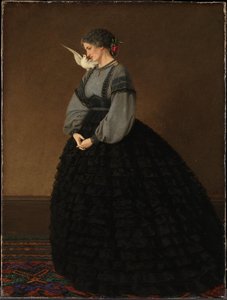
Στο μάτι της γκαλερί, το πιο διάσημο έργο του Τζον Έντουαρντ Μπρετ είναι το Lady with a Dove: Madame Loeser (1864), το πρωτότυπο του οποίου εκτίθεται στο Tate Gallery, Λονδίνο. Ο Forest Cove, Cardigan Bay (1883) και ο Cape Cornwall from Whitesand Bay (1872) ολοκληρώνουν το τρίο που κάθε μάτι αναγνωρίζει. Από τα 48 έργα του Τζον Έντουαρντ Μπρετ στον κατάλογό μας, η γκαλερί παρουσιάζει παρακάτω τα 45 πιο διάσημα, όπου κάθε ένα είναι πρωτότυπο, με την χρονολογία του, το μουσείο του και το τι το κάνει μοναδικό.

1830 – 1902, Λινκολν Pre-raphaelite Περισσότερα έργα: Tate Gallery

Τα 10 κορυφαία έργα του Τζον Έντουαρντ Μπρετ στη γκαλερέι

2
Forest Cove, Cardigan Bay (1883) του Τζον Έντουαρντ Μπρετ

Forest Cove, Cardigan Bay

1883 · Oil · Amgueddfa Cymru, Cardiff

The sun hangs high over Cardigan Bay, casting a bright, clear light across a scene of quiet activity. Along the shoreline, the beach is alive with the presence of people, each figure caught in a moment of leisure as they enjoy the warmth of the day. The water meets the land in a gentle rhythm, while several boats drift upon the surface—some resting near the shallow shore and others appearing…

3
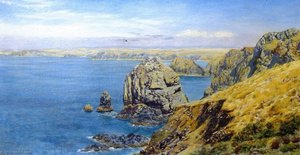
Cape Cornwall from Whitesand Bay (1872) του Τζον Έντουαρντ Μπρετ

Cape Cornwall from Whitesand Bay

1872 · Oil On Panel · Fitzwilliam Museum

The oil on panel painting depicts a rocky shoreline where large boulders are scattered across the foreground and middle ground. These stones meet a sandy beach that extends toward the ocean. The water appears calm, meeting the horizon under a light that provides depth to the scene. In the distance, several small figures are positioned along the shore, appearing as minute details against the scale of the landscape. The composition…

Πάينτα του Τζον Έντουαρντ Μπρετ, κατάταξη από 11 έως 45

Τα διάσημα έργα του Τζον Έντουαρντ Μπρετ, ανά περίοδο

Τα θέματα που κίνησαν το ενδιαφέρον του Τζον Έντουαρντ Μπρετ

Τα τέσσερα θέματα που εμφανίζονται πιο συχνά σε αυτά τα πρωτότυπα έργα, το καθένα με το εξαιρετικό του παράδειγμα.

Τα μουσεία που διατηρούν τα πρωτότυπα έργα του Τζον Έντουαρντ Μπρετ

Τα 8 μουσεία που φιλοξενούν το μεγαλύτερο μέρος των έργων σε αυτήν τη σελίδα.

Μουσείο Πόλη Έργα του Τζον Έντουαρντ Μπρετ Πάτρια από αυτή τη λίστα
Tate Gallery, ΛονδίνοTate Gallery Λονδίνο 2 Lady with a Dove: Madame Loeser, Florence from Bellosguardo
Fitzwilliam MuseumFitzwilliam Museum 2 Cape Cornwall from Whitesand Bay, Landscape
Amgueddfa Cymru, CardiffAmgueddfa Cymru Cardiff 1 Forest Cove, Cardigan Bay
Walker Art Gallery, ΛίβερπουλWalker Art Gallery Λίβερπουλ 1 The Stonebreaker
Tate Britain, ΛονδίνοTate Britain Λονδίνο 1 The Glacier of Rosenlaui
Sheffield City Art Galleries, SheffiedSheffield City Art Galleries Sheffied 1 Mount Etna from Taormina, Sicily
Barber Institute of Fine Arts, ΜπέρμινγκχαμBarber Institute of Fine Arts Μπέρμινγκχαμ 1 Kennack Sands, Cornwall
Russell, BournemouthRussell Bournemouth 1 The Land's End, Cornwall

Τζον Έντουαρντ Μπρετ, ένα χαρακτηριστικό έργο ανά δεκαετία

Έργα ανά δεκαετία

Επιλέξτε μια δεκαετία για να δείτε το πρωτότυπο έργο που την χαρακτηρίζει.

Οι πίνακες του Τζον Έντουαρντ Μπρετ: οι απαντήσεις της γκαλερί

Ποιο έργο του Τζον Έντουαρντ Μπρετ είναι το πιο διάσημο από όλα;Αποκαλύψτε την απάντηση

Lady with a Dove: Madame Loeser (1864), Tate Gallery, Λονδίνο. Στη συνέχεια ακολουθούν το Forest Cove, Cardigan Bay (1883) και το Cape Cornwall from Whitesand Bay (1872).

Πόσο είχε ηλικία ο Τζον Έντουαρντ Μπρετ όταν ολοκλήρωσε το Lady with a Dove: Madame Loeser;Αποκαλύψτε την απάντηση

34 ετών: το έργο Lady with a Dove: Madame Loeser είναι του 1864, και ο/η Τζον Έντουαρντ Μπρετ γεννήθηκε το 1830.

Ποιες είναι τα 10 κορυφαία έργα του Τζον Έντουαρντ Μπρετ;Αποκαλύψτε την απάντηση

Lady with a Dove: Madame Loeser, Forest Cove, Cardigan Bay, Cape Cornwall from Whitesand Bay, Landscape, Val di Cogne, Switzerland, Preliminary watercolor sketch for 'The Glacier of Rosenlaut], Norbury on the Mole, The Stonebreaker, The Glacier of Rosenlaui και Florence from Bellosguardo. Η κατάταξη παραπάνω αναγράφει το έτος και το μουσείο για το κάθε έργο.

Πόσα έργα δημιούργησε ο/η Τζον Έντουαρντ Μπρετ;Αποκαλύψτε την απάντηση

Ο κατάλογός μας περιλαμβάνει 48 έργα του Τζον Έντουαρντ Μπρετ, με ημερομηνίες από 1850 έως 1891.

Πού εκτίθενται τα πιο διάσημα πρωτότυπα του Τζον Έντουαρντ Μπρετ;Αποκαλύψτε την απάντηση

Κυρίως σε Tate Gallery (Λονδίνο), Fitzwilliam Museum και Amgueddfa Cymru (Cardiff). Ο πίνακας μουσείου παραπάνω τους περιλαμβάνει όλους.

Πότε δημιούργησε ο/η Τζον Έντουαρντ Μπρετ τα πιο διάσημα έργα του/της;Αποκαλύψτε την απάντηση

Κατά την περίοδο 1870s: 22 από τα 45 έργα σε αυτήν τη σελίδα δημιουργήθηκαν τότε, με Cape Cornwall from Whitesand Bay από αυτά να είναι μοναδικά.

Ποια είναι τα πρώτα και τα τελευταία διάσημα έργα του Τζον Έντουαρντ Μπρετ;Αποκαλύψτε την απάντηση

Σε αυτήν τη σελίδα, το παλαιότερο είναι Head of a Young Boy (1850) και το νεότερο The Isles of Skomer and Skokholm (1891).

Ποια θέματα επέλεξε πιο συχνά ο Τζον Έντουαρντ Μπρετ;Αποκαλύψτε την απάντηση

Beach (5), Saints (5) και Coastal landscape (3), σε συνολικά 45 έργα σε αυτήν τη σελίδα.

Με ποιο καλλιτεχνικό κίνημα σχετίζεται ο/η Τζον Έντουαρντ Μπρετ;Αποκαλύψτε την απάντηση

Pre-raphaelite και Romanticism, όπως προκύπτει από τα πρωτότυπα σε αυτήν τη σελίδα.

Ποια πρωτότυπα έργα του Τζον Έντουαρντ Μπρετ διαθέτει το Tate Gallery;Αποκαλύψτε την απάντηση

Lady with a Dove: Madame Loeser και Florence from Bellosguardo: το Tate Gallery, Λονδίνο διαθέτει 2 από τα έργα σε αυτήν τη σελίδα.

Τζον Έντουαρντ Μπρετ: ο καλλιτέχνης

John Edward Brett: A Pioneer of Scientific Landscape Painting

John Edward Brett (1830-1902) stands as a pivotal figure in British Pre-Raphaelite art, distinguished by his unwavering dedication to meticulous observation and artistic representation of the natural world. Born in Lincolnshire, England, Brett’s formative years instilled within him a profound fascination for geology and botany – passions that would irrevocably shape his artistic vision and propel him to become one of the foremost landscape painters of his era. Unlike many of his contemporaries who prioritized idealized beauty, Brett approached nature with a scientist's rigor, meticulously documenting geological formations and plant species with unparalleled accuracy. This commitment to scientific detail wasn’t merely an intellectual pursuit; it served as the bedrock for his artistic endeavors, informing his compositions and imbuing them with palpable realism.
  • Early Life & Education: Brett's upbringing fostered a love of science alongside artistic inclination. He studied at Lincoln Art School and later honed his skills at the Royal Academy in London, absorbing influences from artists like Turner and Ruskin – figures who championed the revival of medieval art and advocated for a return to naturalistic representation.
  • The Cornish Influence: Brett’s artistic breakthrough occurred during his expeditions to Cornwall, where he embarked on extensive geological surveys alongside fellow Pre-Raphaelites. The rugged coastline, dramatic granite tors, and vibrant flora captivated him, inspiring a prolific output of paintings depicting these landscapes with breathtaking detail.
  • Technique & Style: Brett’s distinctive style is characterized by thick impasto brushstrokes—a technique deliberately chosen to convey the texture and physicality of stone and vegetation. He employed glazing methods to achieve luminous color palettes that captured the subtleties of light and atmosphere, mirroring Ruskin's belief in the importance of capturing “the spirit of place.”

Notable Works & Artistic Achievements

Brett’s oeuvre encompasses a remarkable range of subjects, reflecting his multifaceted interests. Among his most celebrated paintings are "Cape Cornwall from Whitesand Bay," "Head of a Young Boy," and "The Glacier of Rosenlaui"—each demonstrating his mastery of landscape painting and his ability to convey profound emotional resonance. “Cape Cornwall” exemplifies his meticulous geological rendering, capturing the grandeur of Cornwall’s coastline with astonishing precision. Similarly, “Head of a Young Boy,” showcases Brett's skill in portraiture alongside his commitment to realism. However, it was "The Glacier of Rosenlaui" that cemented his reputation as a visionary artist—a monumental canvas depicting the sublime beauty of Switzerland’s glacial landscape and embodying Ruskin’s aesthetic ideals.

Legacy & Historical Significance

John Edward Brett’s contribution to British art extends far beyond his individual paintings. He championed Ruskin’s aesthetic philosophy—a belief that art should serve as a conduit for moral instruction and inspire contemplation of the natural world—establishing himself as one of the foremost voices advocating for scientific observation within artistic practice. His meticulous depictions of landscapes resonated deeply with Victorian audiences, fostering an appreciation for geological science and bolstering the Pre-Raphaelite movement’s commitment to portraying nature truthfully. Today, Brett's artworks continue to inspire admiration for their technical brilliance and emotional depth—testaments to his enduring legacy as a pioneer of scientific landscape painting and a champion of Ruskinian ideals.