Μενού
ΔΩΡΕΑΝ ΣΥΜΒΟΥΛΗ ΤΕΧΝΗΣ

Γεώργιος Βαρρέτ Ο Πρεσβύτερος

1732 - 1784

Σημαντικά Στοιχεία

  • Nationality: Ιρλανδία
  • Movements: romanticism
  • Top 3 works:
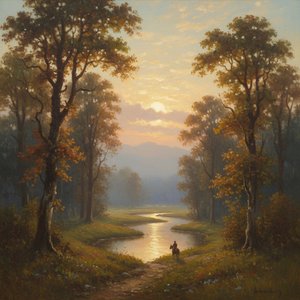
    • The Drive, Norbury Park
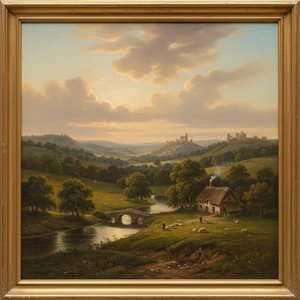
    • Landscape with a Ruined Tower
    • The Falls of Tivoli
  • Copyright status: Public domain
  • Gift suitability: other-none
  • Works on APS: 105
  • Corpus themes:
    • classical landscape influence
    • royal academy style
    • classical landscape
    • royal academy influence
  • Died: 1784
  • Emotional tone:
    • μελαγχολικός
    • νοσταλγικό
  • Mediums: άνθρακα και λάδι σε καμβά
  • Best occasions:
    • έμφαση χρωματικών στοιχείων
    • κεντρικό έργο
  • Περισσότερα…
  • Room fit: καθιστικό
  • Lifespan: 52 years
  • Art period: Πρώιμη Νέα Εποχή
  • Top-ranked work: The Drive, Norbury Park
  • Born: 1732, Λίμπερτιβιλ, Ιρλανδία
  • Vibe: ρομαντικό
  • Creative periods: mature period
  • Topics explored:
    • landscape
    • scenes
    • buildings
    • nature
    • sunset
  • Also known as:
    • Γεώργιος Βαρρέτ Σενιόρ
    • George Barrett
  • Museums on APS:
    • Μουσείο Ασμούλειαν
    • Μουσείο Ασμούλειαν
    • Μουσείο Ασμούλειαν
    • Μουσείο Ασμούλειαν
    • Μουσείο Ασμούλειαν

ΚВИΖ Τέχνης

Για κάθε ερώτηση υπάρχει μόνο μία σωστή απάντηση.

Ερώτηση 1:
Ο Γεώργιος Βαρρέτ Σρ. είναι γνωστός κυρίως για το έργο του σε ποιο καλλιτεχνικό μέσο;
Ερώτηση 2:
Ο Βαρρέτ ήταν ιδρυτικό μέλος ποιου διάσημου καλλιτεχνικού ιδρύματος;
Ερώτηση 3:
Τι προκάλεσε τη μετακόμιση του Βαρρέτ στο Westbourne Green το 1772;
Ερώτηση 4:
Ποια σημαντική προσωπικότητα βοήθησε τον Βαρρέτ να εξασφαλίσει τη θέση του Master Painter στο Chelsea Hospital;
Ερώτηση 5:
Στα πρώτα στάδια της καριέρας του, ο Βαρρέτ επανεργάστηκε συχνά χαρακτικές βασισμένες στα έργα ποιου καλλιτέχνη;

George Barret Sr.: Life & Legacy

George Barret Sr., born around 1730 in Libertyville, Ireland – the son of a cloth merchant – embarked on an artistic journey that would solidify his place as one of the most influential landscape painters of the Georgian era and a founding father of British art history. His early life was marked by apprenticeship as a staymaker, but it swiftly revealed a burgeoning talent for drawing, propelling him towards formal training at Robert West’s Academy in Dublin around 1747, generously supported by the Royal Dublin Society. This formative experience instilled in him a deep appreciation for classical aesthetics and established a bedrock of artistic skill. A particularly significant connection was forged with Edmund Burke – whose philosophical explorations into the sublime and beautiful profoundly impacted Barret's artistic vision. Burke’s *A Philosophical Enquiry into the Origin of Our Ideas of the Sublime and Beautiful* championed the power of emotion in perceiving nature, an ethos that permeated Barret’s oeuvre. Initially, he honed his craft by meticulously reworking engravings of Italianate landscapes created by masters like Claude Lorrain, demonstrating a masterful grasp of established artistic conventions. Despite depicting scenes from Italy – a destination he never personally visited – there's no record of him undertaking any expeditions abroad to immerse himself in the Italian landscape tradition. In 1762, Barret relocated to London, driven by aspirations for greater artistic advancement and fueled by the burgeoning intellectual climate of the city. Within months, he gained considerable acclaim as a leading voice in British landscape painting, attracting patronage from wealthy collectors and securing prominent positions within influential artistic organizations. Notably, he was among the revolutionaries who departed the Society of Artists of Great Britain in 1768 to establish the Royal Academy – an event that irrevocably altered the trajectory of British art, fostering innovation and prioritizing national identity over continental influences. Barret’s artistic style underwent a transformative evolution from idealized Italianate compositions to more nuanced depictions of English and Irish scenery. He undertook extensive travels across Britain, Wales, Scotland, and Ireland, diligently documenting breathtaking vistas and capturing the essence of diverse landscapes through meticulous observation and skillful brushwork. Recurring themes included tranquil meadows bathed in sunlight, dramatic waterfalls – most famously *The Powerscourt Waterfall*, which he immortalized with unparalleled detail – and expansive estates showcasing the grandeur of aristocratic life. His paintings frequently incorporated human figures within these landscapes, conveying a sense of scale and narrative depth. Throughout his lifetime, Barret faced personal challenges, including debilitating asthma that necessitated a move to Westbourne Green in 1772 for respite. Despite achieving considerable financial success, he was described as “feckless” with money, occasionally experiencing periods of hardship. However, his enduring friendship with Edmund Burke – who championed his artistic endeavors and provided crucial support – ensured his legacy would endure beyond his own lifetime. In 1782, Burke’s influential recommendation secured Barret the prestigious role of Master Painter at Chelsea Hospital, a position he held until his untimely death in 1784. His contribution to British art history remains undeniable, securing him a place among the pioneers of Romanticism and establishing his paintings as treasured artifacts of an era defined by beauty, emotion, and national pride. Many of Barret’s masterpieces are now housed in esteemed collections worldwide, including the National Gallery of Ireland and Yale Center for British Art, guaranteeing that his artistic vision continues to inspire generations of art lovers.