Πορτρέτο του Frits Jansen

Τα 10 πιο διάσημα έργα του Frits Jansen, κάθε ένα μοναδικό

Ενημερωμένο Νοέμβριος 2026 · κατάταξη βάσει του σκορ δημοφιλίας μας (αναζητήσεις, επισκέψεις και παραγγελίες για κάθε έργο) · 10 έργα του Frits Jansen στον κατάλογό μας

Με σύντομη περιγραφή

Το έργο A Summer Afternoon (1880) είναι το ποίτευμα του Frits Jansen που τραβάει τα περισσότερα βλέμματα· το πρωτότυπο ανήκει στο Rijksmuseum, Άμστερνταμ. Μετά από αυτό, το βλέμμα στρέφεται στο Path through Cornfield with Wildflowers και στο Untitled (AQZVBJ) (1900). Ανάμεσα στα 10 έργα του Frits Jansen στον κατάλογό μας, αυτά τα 10 είναι τα πιο διάσημα, το καθένα ένα μοναδικό πρωτότυπο που παρουσιάζεται με την χρονολογία του, το μουσείο του και τον λόγο για τον οποίο παραμένει αιώνιο.

1856 – 1928, The Hague Περισσότερα έργα: Rijksmuseum

Τα 10 κορυφαία έργα του Frits Jansen, μέσα από το βλέμμα της γκαλερί

1
A Summer Afternoon (1880) του Frits Jansen

A Summer Afternoon

1880 · Oil On Canvas · Rijksmuseum, Άμστερνταμ

In this 1880 oil painting, we find ourselves drawn into a secluded, verdant sanctuary. A solitary woman reclines within a lush landscape, her presence marked by a sense of peaceful isolation. She is positioned slightly to the right of center, a choice that lends the composition a balanced yet asymmetrical grace. Her golden-yellow dress and the crimson red of her parasol provide a sharp, intentional contrast against the overwhelming greenery…

7
“Stir My Blood” High-heeled Sandal του Frits Jansen

“Stir My Blood” High-heeled Sandal

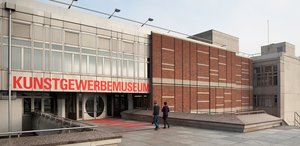
· Kunstgewerbemuseum, Βερολίνο

This high-heeled sandal with tapered closed toe has a raised heel cap that ends in a loop at the back of the leg. Leather pieces that attach at the sides are crossed in front of the ankle, led through the loop at the heel and knotted. The platform sole, bevelled at the toe, and the high inward set curve of the heel lend the shoe a sculptural appearance. Dutch shoe…

10
Untitled (AQZVBN) (1900) του Frits Jansen

Untitled (AQZVBN)

1900

Untitled (AQZVBN) by Frits Jansen: A Glimpse into Inner Turmoil Subject & Description: This compelling portrait, titled "Untitled (AQZVBN)," presents a woman with brown hair clad in a simple white dress. The focal point is her downward gaze and the subtle suggestion of a frown or deep contemplation etched upon her face. The close-up composition emphasizes the nuances of her expression, conveying a sense of distress, introspection, or perhaps quiet…

Τα θέματα που κίνησαν το ενδιαφέρον του Frits Jansen

Τα τέσσερα θέματα που εμφανίζονται πιο συχνά σε αυτά τα πρωτότυπα έργα, το καθένα με το εξαιρετικό του παράδειγμα.

Τα μουσεία που διατηρούν τα πρωτότυπα έργα του Frits Jansen

Τα 4 μουσεία που φιλοξενούν το μεγαλύτερο μέρος των έργων σε αυτήν τη σελίδα.

Μουσείο Πόλη Έργα του Frits Jansen Πάτρια από αυτή τη λίστα
Rijksmuseum, ΆμστερνταμRijksmuseum Άμστερνταμ 1 A Summer Afternoon
Museum De Waag, DeventerMuseum De Waag Deventer 1 Path through Cornfield with Wildflowers
University of Pretoria Museums, TshwaneUniversity of Pretoria Museums Tshwane 1 Dutch Delft De Porceleyne Fles plate
Kunstgewerbemuseum, ΒερολίνοKunstgewerbemuseum Βερολίνο 1 “Stir My Blood” High-heeled Sandal

Ο Frits Jansen μέσα από τις δεκαετίες: ένα μοναδικό πρωτότυπο για κάθε εποχή

Έργα ανά δεκαετία

Επιλέξτε μια δεκαετία για να δείτε το πρωτότυπο έργο που την χαρακτηρίζει.

Οι πίνακες του Frits Jansen: ερωτήσεις για την γκαλερί

Ποιο είναι το πιο διάσημο έργο του Frits Jansen;Αποκαλύψτε την απάντηση

A Summer Afternoon (1880), Rijksmuseum, Άμστερνταμ. Στη συνέχεια ακολουθούν το Path through Cornfield with Wildflowers και το Untitled (AQZVBJ) (1900).

Σε τι ηλικία δημιούργησε ο/η Frits Jansen το έργο A Summer Afternoon;Αποκαλύψτε την απάντηση

24 ετών: το έργο A Summer Afternoon είναι του 1880, και ο/η Frits Jansen γεννήθηκε το 1856.

Ποια είναι τα δέκα πιο διάσημα έργα του Frits Jansen;Αποκαλύψτε την απάντηση

A Summer Afternoon, Path through Cornfield with Wildflowers, Untitled (AQZVBJ), Untitled (AQZVBQ), Untitled (AQZVBL), Dutch Delft De Porceleyne Fles plate, “Stir My Blood” High-heeled Sandal, Untitled (AQZVBS), Untitled (AQZVBU) και Untitled (AQZVBN). Η κατάταξη παραπάνω αναγράφει το έτος και το μουσείο για το κάθε έργο.

Πόσα έργα του Frits Jansen είναι γνωστά;Αποκαλύψτε την απάντηση

Ο κατάλογός μας περιλαμβάνει 10 έργα του Frits Jansen, με ημερομηνίες από 1880 έως 1917.

Πού μπορούν να θαυμαστούν τα πιο διάσημα πρωτότυπα έργα του Frits Jansen;Αποκαλύψτε την απάντηση

Κυρίως σε Rijksmuseum (Άμστερνταμ), Museum De Waag (Deventer) και University of Pretoria Museums (Tshwane). Ο πίνακας μουσείου παραπάνω τους περιλαμβάνει όλους.

Κατά ποια περίοδο δημιούργησε ο/η Frits Jansen τα πιο γνωστά του/της έργα;Αποκαλύψτε την απάντηση

Κατά την περίοδο 1900s: 4 από τα 10 έργα σε αυτήν τη σελίδα δημιουργήθηκαν τότε, με Untitled (AQZVBJ) από αυτά να είναι μοναδικά.

Ποιο διάσημο έργο του Frits Jansen είναι το παλαιότερο και ποιο το νεότερο;Αποκαλύψτε την απάντηση

Σε αυτήν τη σελίδα, το παλαιότερο είναι A Summer Afternoon (1880) και το νεότερο Dutch Delft De Porceleyne Fles plate (1917).

Frits Jansen: ένα πορτρέτο του καλλιτέχνη

Frits Jansen: A Dutch Master of Atmospheric Realism

Frits Jansen (1856-1928) stands as a significant, yet often underappreciated, figure in the landscape of late 19th and early 20th century Dutch art. Born in The Hague, his artistic journey wasn’t one of formal academic training but rather a deeply personal exploration fueled by observation and an innate sensitivity to light and atmosphere. While he initially studied at the Hague Academy of Arts, Jansen quickly realized that traditional instruction didn't align with his vision, leading him to pursue independent study and develop a distinctive style characterized by poetic realism and a profound understanding of color.

Jansen’s early works were largely focused on capturing the everyday life of Dutch citizens – scenes of market days, leisurely gatherings in public squares, and intimate portraits. However, it was his depictions of New York City during the winter months that truly cemented his reputation. These paintings, often rendered in muted tones and layered with snow, captured a melancholic beauty, reflecting both the grandeur and the isolation of urban life. He wasn’t simply documenting a city; he was conveying an emotional response to its atmosphere – a sense of quiet contemplation amidst bustling activity.

The Influence of Impressionism and Symbolism

Jansen's artistic development reveals a fascinating interplay between influences. While firmly rooted in the Dutch tradition, particularly the realism championed by artists like Anton Mauve, he was deeply impacted by the burgeoning Impressionist movement in France. The emphasis on capturing fleeting moments of light and color, as seen in the works of Monet and Renoir, is evident in Jansen’s approach to depicting atmospheric effects. Furthermore, elements of Symbolism – a fascination with mood, emotion, and subjective experience – subtly permeate his work, particularly in his use of symbolism and evocative imagery.

He was also influenced by the works of artists like Albert Pinkham Ryder, whose moody landscapes and exploration of light and shadow resonated deeply with Jansen’s own artistic sensibilities. Jansen's ability to translate these influences into a uniquely personal style is what sets his work apart – he didn’t merely imitate; he absorbed and reinterpreted, creating something entirely new.

Technique and Style: Light, Color, and Texture

Jansen’s technique was characterized by meticulous observation and a masterful control of color. He employed a layered approach to painting, building up tones gradually through numerous thin glazes – a method that allowed him to achieve remarkable luminosity and depth. His use of light was particularly noteworthy; he wasn't interested in simply representing the appearance of light but rather conveying its emotional impact on the scene. He often worked *en plein air* (outdoors) to directly observe and capture the nuances of natural light.

Texture played a crucial role in his work, too. He skillfully rendered the rough surfaces of cobblestone streets, the glistening snowdrifts, and the folds of clothing with remarkable detail. His brushwork was often loose and expressive, contributing to the overall sense of atmosphere and movement. The combination of these elements – light, color, and texture – created paintings that were both visually stunning and emotionally resonant.

Major Works and Legacy

Among Jansen’s most celebrated works are his series of winter scenes in New York City, including “A Winter Afternoon” (1897) and "Snowy Street" (1898). These paintings, now housed in prominent museums worldwide, exemplify his mastery of atmospheric realism. He also produced a significant body of work depicting Dutch landscapes and portraits, showcasing his versatility as an artist.

Despite not achieving widespread fame during his lifetime, Frits Jansen’s legacy has grown steadily over the years. His paintings are now recognized for their poetic beauty, emotional depth, and technical brilliance. He is considered a key figure in the development of Dutch realism and a significant contributor to the broader European art scene. His work continues to inspire artists today with its evocative portrayal of light, atmosphere, and the human experience.

Further Exploration

  • Key Museums:** The Mauritshuis (The Hague), Rijksmuseum (Amsterdam), Metropolitan Museum of Art (New York)
  • Notable Publications:* “Frits Jansen: A Dutch Master” by Jan Willem van der Heijden
  • Online Resources: Search for “Frits Jansen” on art databases like Artnet and MutualArt to explore his complete oeuvre.