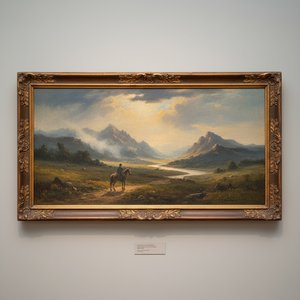
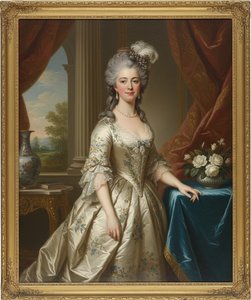
Η Δραματική Όραση του Francis Hayman
Στο ζωντανό και μεταβαλλόμενο τοπίο της βρετανικής τέχνης του 18ου αιώνα, λίγες προσωπικότητες διέθεταν την πολυδιάστατη λάμψη που κατείχε ο Francis Hayman. Γεννημένος στο Exeter το 1708, ο Hayman δεν περιόριστηκε στην απλή παρατήρηση της πολιτισμικής εξέλιξης της εποχής του· αντίθετα, διαμόρφωσε ενεργά τη οπτική της γλώσσα. Το ταξίδι του ξεκίνησε μακριά από τις εκλεπτυσμένες γκαλερί του Λονδίνου, ριζωμένο στον εφήμερο και έντονο κόσμο της θεατρικής σκηνογραφίας. Αυτή η πρώιμη βύθιση στις δραματικές τέχνες του προσέφερε ένα μοναδικό πλεονέκτημα, καλλιεργώντας σε αυτόν μια βαθιά κατανόηση της σύνθεσης, του φωτός και της αφηγηματικής έντασης, στοιχεία που αργότερα θα οριστούσαν στην τεχνική του στο στυλ Ροκοκό. Καθώς μεταβαλλόταν από σκηνογράφο σε ανεξάρτητο καλλιτέχνη στην St Martin's Lane, ο Hayman μετέφερε μαζί του μια ψυχή αφηγητή, ικανή να μεταμορφώσει έναν στατικό καμβά σε ένα παράθυρο πάνω σε μια θεατρική στιγμή.
Η αισθητική ουσία του έργου του Hayman είναι βαθιά συνδεδεμένη με την κίνηση του Ροκοκό, μια εποχή που χαρακτηριζόταν από τη χάρη, το στολίδι και μια μια ελαφριά κομψότητα. Εμπνευσμένος από τους πολυτελείς Γάλλους δασκάλους, όπως ο François Boucher, ο Hayman υιοθέτησε μια παλέτα απαλών παστέλ χρωμάτων και ρευστών, ρυθμικών πινελιάδων. Ωστόσο, το έργο του δεν ήταν ποτέ καθαρά διακοσμητικό· διέθετε μια δομική ακεραιότητα που επηρεαζόταν από κλασικά ιδεατά. Μέσα από τη σύνδεσή του με τους αναδυόμενους διανοητικούς κύκλους του Λονδίνου, ενσωμάτωσε ένα αίσθημα αναλογίας και μορφής που επέτρεψε στα πορτρέτα του να ξεπεράσουν την απλή ομοιότητα, αποτυπώνοντας αντίθετα την ίδια την ουσία του χαρακτήρα και της κοινωνικής θέσης.
Μια Κληρονομιά της Βασιλικής Ακαδημίας και της Αφηγηματικής Δεξιοτεχνίας
Η ιστορική σημασία του Hayman εδράζεται στον θεμελιώδη ρόλο του στη δημιουργία της Βασιλικής Ακαδημίας. Ως ιδρυτικό μέλος και πρώτος βιβλιοθηκάριος του ιδρύματος, βοήθησε στην προετοιμασία των βάσεων για επαγγελματικά καλλιτεχνικά πρότυπα στη Βρετανία. Αυτή η θέση επιρροής του επέτρεψε να γεφυρώσει το χάσμα μεταξύ της δημοφιλή, συχνά θορυβώδους διασκέδασης των μαζών και των υψηλόφρονων επιδιώξεων της ακαδημαϊκής ελίτ. Η ικανότητά του να πλοηγείται σε αυτούς τους διαφορετικούς κόσμους φαίνεται ίσως καλύτερα στο πολυδιάστατο έργο του, το οποίο εκτείνεται από το μεγαλειώδες έως το οικείο.
Το καλλιτεχνικό του ρεπερτόριο ήταν εξαιρετικά εκτεταμένο, αναδεικνύοντας ένα ταλέντο που μπορούσε να μεταπηδήσει μεταξύ ειδρών με απόλυτη ευκολία:
- Θεατρικές και Λογοτεχνικές Σκηνές: Ο Hayman διέθετε μια σπάνια ικανότητα να φυσά ζωή στη λογοτεχνία, δημιουργώντας συγκινητικές απεικονίσεις του δραματικού Σαίξπηρ και ζωντανές σκηνές από τον Don Quixote, όπως η ενθουσιώδης στιγμή που ο ιδρυτής της πανδοχείου θεσπίζει τον ιππότη.
- Πορτραϊρισμός: Έγινε ένας αναζητούμενος χρονιστής της εποχής του, αιχμαλωτίζοντας το γοητευτικό χαρίσμα θρυλικών ηθοποιών όπως ο David Garrick και την αριστοκρατική κομψότητα προσώπων όπως ο Dr. Charles Chauncey, MD.
- Διακοσμητικές Παραγγελίες: Το έργο του για τους Κήπους Ψυχαγωγίας Vauxhall απέδειξε την δεξιοτεχνία του στην αφηγηματική αφήγηση μεγάλης κλίμακας, όπου χρησιμοποίησε την τέχνη για να ενισχύσει την αισθητηριακή εμπειρία της διασκέδασης και της χαράς του κοινού.
- Βιβλικά και Μυθολογικά Θέματα: Μέσα από έργα όπως ο Καλοσπουρισμένος Σαμαρίτης, ο Hayman χρησιμοποίησε τις αισθητήσεις του Ροκοκό για να εξερευνήσει βαθιά θέματα συμπόνιας, ελεος και θεϊκής αλληλεπίδρασης.
Τελικά, η ζωή του Francis Hayman ήταν μια απόδειξη της δύναμης της οπτικής αφήγησης. Αναμειγνύοντας τη θεατρικότητα της σκηνής με την εκλεπτυσμένη κομψότητα του Ροκοκό, δημιούργησε ένα σύνολο έργων που παραμένουν ένα ζωτικό παράθυρο στην εποχή του Διαφωτισμού. Η κληρονομιά του επιμένει όχι μόνο στους καμβάδες που φέρουν το όνομά του, αλλά και στη ίδια τη δομή της βρετανικής ιστορίας της τέχνης, σηματοδοτώντας τον ως έναν πραγματικό πρωτοπόρο που βοήθησε στην αναβάθμιση του καλλιτέχνη από τεχνίτη σε ακαδημαϊκό δάσκαλο.
Ερωτήσεις και Απαντήσεις
Πώς μπορώ να βρω έργα του/της Φράνσις Χέιμαν με ένα συγκεκριμένο θέμα;
Ανακαλύψτε τα έργα του/της Φράνσις Χέιμαν ανά λέξη-κλειδί στη σελίδα των λέξεων-κλειδιών του/της Με Λέξεις-Κλειδιά. Κάθε λέξη-κλειδί ομαδοποιεί τα σχετικά έργα.
Πού μπορώ να επισκεφτώ μια 3D γκαλερί με τα έργα του/της Φράνσις Χέιμαν;
Τα έργα τέχνης του/της Φράνσις Χέιμαν μπορούν να περιηγηθούν σε μια 3D γκαλερί στη σελίδα 3D Μουσείο του καλλιτέχνη/της.
Υπάρχει μια πλήρης λίστα με τα έργα του/της Φράνσις Χέιμαν;
Μπορείτε να περιηγηθείτε σε όλα τα έργα του/της Φράνσις Χέιμαν στο αυτή η ιστοσελίδα μέσω της σελίδας με την πλήρη συλλογή τους (Όλα τα έργα).