Πορτρέτο του Εγρ Κρου

Τα 13 πιο διάσημα έργα του Εγρ Κρου, κάθε ένα μοναδικό

Ενημερωμένο Νοέμβριος 2026 · κατάταξη βάσει του σκορ δημοφιλίας μας (αναζητήσεις, επισκέψεις και παραγγελίες για κάθε έργο) · 16 έργα του Εγρ Κρου στον κατάλογό μας

Με σύντομη περιγραφή

Το έργο Mrs Eugenie Maria Wynne, née Crowe (1827–1899) (1850) είναι το ποίτευμα του Εγρ Κρου που τραβάει τα περισσότερα βλέμματα· το πρωτότυπο ανήκει στο Llyfrgell Genedlaethol Cymru / The National Library of Wales, Aberystwyth. Μετά από αυτό, το βλέμμα στρέφεται στο Johnson (1709–1784), Doing Penance in the Market Place of Uttoxeter, Staffordshire (1869) και στο Nelson's Last Farewell to England (1888). Ανάμεσα στα 16 έργα του Εγρ Κρου στον κατάλογό μας, αυτά τα 13 είναι τα πιο διάσημα, το καθένα ένα μοναδικό πρωτότυπο που παρουσιάζεται με την χρονολογία του, το μουσείο του και τον λόγο για τον οποίο παραμένει αιώνιο.

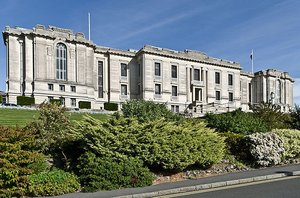
1864 – 1925, Λειψία Περισσότερα έργα: Llyfrgell Genedlaethol Cymru / The National Library of Wales

Τα 10 κορυφαία έργα του Εγρ Κρου, μέσα από το βλέμμα της γκαλερί

1
Mrs Eugenie Maria Wynne, née Crowe (1827–1899) (1850) του Εγρ Κρου

Mrs Eugenie Maria Wynne, née Crowe (1827–1899)

The woman sits anchored in a room of dark wood and heavy silence. She is positioned slightly off-center, a quiet weight against the backdrop of a richly carved cabinet. Light falls softly across her face, catching the pale cream of her clothing and the subtle texture of her shawl. It is a portrait of stillness. The air in the room feels thick, held in place by the deep browns and…

2
Johnson (1709–1784), Doing Penance in the Market Place of Uttoxeter, Staffordshire (1869) του Εγρ Κρου

Johnson (1709–1784), Doing Penance in the Market Place of Uttoxeter, Staffordshire

1869 · Oil On Canvas · dr Johnson's House, London

The air in the market square feels heavy with the dampness of a Staffordshire afternoon. Rain or the threat of it hangs in the atmosphere, casting a soft, diffused light over the bustling crowd. Amidst the commerce of fishmongers and merchants, a solitary figure stands apart from the rhythmic flow of trade. He is a man caught in a private moment of profound regret, performing a ritual of penance that…

3
Nelson's Last Farewell to England (1888) του Εγρ Κρου

Nelson's Last Farewell to England

1888 · Oil On Canvas

The air feels heavy with the scent of brine and the weight of an impending storm. On a choppy, restless sea, a cluster of vessels struggles against the swell, their hulls cutting through the grey, churning water. Figures move with a frantic, purposeful energy, their bodies leaning into the rhythm of the waves. There is a palpable sense of movement here; oars dip into the dark water, and flags snap…

Τα διάσημα έργα του Εγρ Κρου, από το 11 έως το 13

Τα θέματα που κίνησαν το ενδιαφέρον του Εγρ Κρου

Τα τέσσερα θέματα που εμφανίζονται πιο συχνά σε αυτά τα πρωτότυπα έργα, το καθένα με το εξαιρετικό του παράδειγμα.

Τα μουσεία που διατηρούν τα πρωτότυπα έργα του Εγρ Κρου

Τα 7 μουσεία που φιλοξενούν το μεγαλύτερο μέρος των έργων σε αυτήν τη σελίδα.

Μουσείο Πόλη Έργα του Εγρ Κρου Πάτρια από αυτή τη λίστα
Llyfrgell Genedlaethol Cymru / The National Library of Wales, AberystwythLlyfrgell Genedlaethol Cymru / The National Library of Wales Aberystwyth 1 Mrs Eugenie Maria Wynne, née Crowe (1827–1899)
dr Johnson's House, Londondr Johnson's House London 1 Johnson (1709–1784), Doing Penance in the Market Place of Uttoxeter, Staffordshire
Μουσείο Φιτσίουελλ, ΚέμπριτζΜουσείο Φιτσίουελλ Κέμπριτζ 1 Capo le case, Rome
Salford Museum - Art Gallery, Greater ManchesterSalford Museum - Art Gallery Greater Manchester 1 Daniel Defoe in the Pillory
Christ's Hospital, HorshamChrist's Hospital Horsham 1 Christ's Hospital Children in London Quad
Walker Art Gallery, ΛίβερπουλWalker Art Gallery Λίβερπουλ 1 The Founder of English Astronomy
Fitzwilliam MuseumFitzwilliam Museum 1 Horses in a Field with Gypsies and a Caravan

Ο Εγρ Κρου μέσα από τις δεκαετίες: ένα μοναδικό πρωτότυπο για κάθε εποχή

Έργα ανά δεκαετία

Επιλέξτε μια δεκαετία για να δείτε το πρωτότυπο έργο που την χαρακτηρίζει.

Οι πίνακες του Εγρ Κρου: ερωτήσεις για την γκαλερί

Ποιο είναι το πιο διάσημο έργο του Εγρ Κρου;Αποκαλύψτε την απάντηση

Mrs Eugenie Maria Wynne, née Crowe (1827–1899) (1850), Llyfrgell Genedlaethol Cymru / The National Library of Wales, Aberystwyth. Στη συνέχεια ακολουθούν το Johnson (1709–1784), Doing Penance in the Market Place of Uttoxeter, Staffordshire (1869) και το Nelson's Last Farewell to England (1888).

Ποια είναι τα δέκα πιο διάσημα έργα του Εγρ Κρου;Αποκαλύψτε την απάντηση

Mrs Eugenie Maria Wynne, née Crowe (1827–1899), Johnson (1709–1784), Doing Penance in the Market Place of Uttoxeter, Staffordshire, Nelson's Last Farewell to England, Capo le case, Rome, Daniel Defoe in the Pillory, Darning Day, the Red Maids of Bristol, The Dinner Hour, Wigan, Christ's Hospital Children in London Quad, The Founder of English Astronomy και Military Honours. Η κατάταξη παραπάνω αναγράφει το έτος και το μουσείο για το κάθε έργο.

Πόσα έργα του Εγρ Κρου είναι γνωστά;Αποκαλύψτε την απάντηση

Ο κατάλογός μας περιλαμβάνει 16 έργα του Εγρ Κρου, με ημερομηνίες από 1874 έως 1894.

Πού μπορούν να θαυμαστούν τα πιο διάσημα πρωτότυπα έργα του Εγρ Κρου;Αποκαλύψτε την απάντηση

Κυρίως σε Llyfrgell Genedlaethol Cymru / The National Library of Wales (Aberystwyth), dr Johnson's House (London) και Μουσείο Φιτσίουελλ (Κέμπριτζ). Ο πίνακας μουσείου παραπάνω τους περιλαμβάνει όλους.

Κατά ποια περίοδο δημιούργησε ο/η Εγρ Κρου τα πιο γνωστά του/της έργα;Αποκαλύψτε την απάντηση

Κατά την περίοδο 1870s: 3 από τα 13 έργα σε αυτήν τη σελίδα δημιουργήθηκαν τότε, με Darning Day, the Red Maids of Bristol από αυτά να είναι μοναδικά.

Ποιο διάσημο έργο του Εγρ Κρου είναι το παλαιότερο και ποιο το νεότερο;Αποκαλύψτε την απάντηση

Σε αυτήν τη σελίδα, το παλαιότερο είναι The Dinner Hour, Wigan (1874) και το νεότερο The Twa Brigs (1894).

Με ποια υλικά χρησιμοποίησε περισσότερο ο Εγρ Κρου;Αποκαλύψτε την απάντηση

Oil On Canvas, για 3 από τα 13 έργα σε αυτήν τη σελίδα.

Εγρ Κρου: ένα πορτρέτο του καλλιτέχνη

A Life Between Two Worlds


Eyre Crowe was a painter of profound dualities, a man whose very existence bridged the gap between the high-stakes corridors of international diplomacy and the soot-stained, unvarnished reality of the Victorian working class. Born in Leipzig, Germany, in 1864, his early years were steeped in an atmosphere of Germanic scholarship and cosmopolitan intrigue. As the son of Joseph Archer Crowe, a distinguished British Consul-General, young Eyre was exposed to the complexities of global affairs from a tender age. This unique upbringing instilled in him a dual passion: a keen interest in the delicate dance of diplomacy and a deep, abiding reverence for the power of art to document the human condition.

His artistic journey was one of continuous movement and cultural immersion. Crowe honed his technical prowess through rigorous training in the prestigious academies of Düsseldorf and Berlin, before venturing into France, where he encountered the burgeoning influence of the Impressionist movement. This exposure to the fleeting play of light and color provided a vital counterpoint to his academic foundations. It allowed him to infuse his later works with a certain luminosity, even when depicting the most somber of urban landscapes. His style became a sophisticated marriage of meticulous academic realism and a sensitive, modern understanding of atmosphere.

The Soul of Social Realism

While many of his contemporaries sought refuge in the grand, idealized narratives of mythology or the sweeping histories of empires, Crowe turned his gaze toward the heartbeat of London. He became a chronicler of the everyday, finding profound beauty and tragic dignity in the lives of those often overlooked by the Victorian elite. His work is characterized by a humanist concern for social realities, capturing the grit and grace of the industrial revolution's subjects.

His oeuvre serves as a poignant window into a changing world, featuring works that range from intimate portraits to expansive scenes of labor. Some of his most evocative contributions to the genre include:
  • The Dinner Hour, Wigan: A moving depiction of working-class life in Lancashire, capturing the quiet moments of respite amidst industrial toil.
  • Johnson (1869): A masterful exploration of Victorian market life, showcasing his ability to navigate complex social dynamics within a single frame.
  • Mrs Eugenie Maria Wynne: A striking example of his skill in academic realism, where opulent detail and rich hues meet the precision of portraiture.
Through these pieces, Crowe challenged the prevailing aesthetic of his time. He was not afraid of the "vulgar" or the raw; instead, he embraced a social realism that forced his audience to confront the lived experiences of the urban poor, making him a progressive voice in the late 19th-century art scene.

The Precision of a Diplomat's Eye

As his life progressed, Crowe’s career took an extraordinary turn as he ascended within the British Foreign Office. Serving as the Permanent Under-Secretary from 1920 until his death in 1925, he brought the same analytical rigor and precision required for high-level diplomacy to his artistic vision. There was a seamlessness to his dual identity; the meticulous observation needed to interpret international treaties found its parallel in the careful rendering of texture, light, and human psychology on canvas.

This period of his life was marked by an intense awareness of the shifting tides of European power. His political insights and his artistic observations were both driven by a profound understanding of change. Though he passed away in 1925, his legacy remains etched in the canvases that continue to tell the story of a transformative era. Eyre Crowe stands not merely as a painter of London life, but as an artist who possessed the rare ability to see the monumental significance within the most mundane moments of human existence.