Πορτρέτο του Beatriz Milhazes

Τα 17 πιο διάσημα έργα του Beatriz Milhazes, κάθε ένα μοναδικό

Ενημερωμένο Νοέμβριος 2026 · κατάταξη βάσει του σκορ δημοφιλίας μας (αναζητήσεις, επισκέψεις και παραγγελίες για κάθε έργο) · 18 έργα του Beatriz Milhazes στον κατάλογό μας

Με σύντομη περιγραφή

Το έργο The Beach (A Praia) (1997) είναι το ποίτευμα του Beatriz Milhazes που τραβάει τα περισσότερα βλέμματα· το πρωτότυπο ανήκει στο Μετροπολιτικό Μουσείο Τέχνης, Νέα Υόρκη. Μετά από αυτό, το βλέμμα στρέφεται στο Sem Título [Untitled] (1987) και στο Figo (2006). Ανάμεσα στα 18 έργα του Beatriz Milhazes στον κατάλογό μας, αυτά τα 17 είναι τα πιο διάσημα, το καθένα ένα μοναδικό πρωτότυπο που παρουσιάζεται με την χρονολογία του, το μουσείο του και τον λόγο για τον οποίο παραμένει αιώνιο.

γεννημένος το 1960, Rio de Janeiro Περισσότερα έργα: Μετροπολιτικό Μουσείο Τέχνης

Τα 10 κορυφαία έργα του Beatriz Milhazes, μέσα από το βλέμμα της γκαλερί

1
The Beach (A Praia) (1997) του Beatriz Milhazes

The Beach (A Praia)

1997 · Mixed Media · Μετροπολιτικό Μουσείο Τέχνης, Νέα Υόρκη

To stand before Beatriz Milhazes’ work is to be enveloped in a riotous celebration—a visual symphony that pulses with the relentless, joyous energy of Brazil itself. In "The Beach (A Praia)," Milhazes does not merely depict a scene; she constructs an immersive cultural tapestry. While the photo description suggests a lively beach tableau populated by figures and birds, the true subject matter is far richer: it is a confluence of…

2
Sem Título [Untitled] (1987) του Beatriz Milhazes

Sem Título [Untitled]

1987 · Acrylic On Canvas · Pinacoteca do Estado de São Paulo, Σαούλο Πάλο

In the vibrant landscape of contemporary Brazilian art, few voices resonate with as much rhythmic energy and kaleidoscopic brilliance as Beatriz Milhazes. Her 1987 masterpiece, Sem Título [Untitled], serves as a breathtaking window into a world where geometry meets organic exuberance. At first glance, the viewer is met with a striking confrontation: a woman's face emerging from a deep, velvety black background. This stark contrast creates an immediate sense of…

3
Figo (2006) του Beatriz Milhazes

Figo

2006 · Acrylic On Canvas

In Figo, Beatriz Milhazes constructs a dense architecture of overlapping forms. Created about 2006, the work rejects a single focal point, opting instead for a crowded field of visual energy. Rectangular blocks sit heavy against the surface, colliding with swirling floral motifs and soft circular shapes. These elements do not merely sit side by side; they interlock and stack, creating a sense of constant, rhythmic movement across the plane.

Τα διάσημα έργα του Beatriz Milhazes, από το 11 έως το 17

Τα θέματα που κίνησαν το ενδιαφέρον του Beatriz Milhazes

Τα τέσσερα θέματα που εμφανίζονται πιο συχνά σε αυτά τα πρωτότυπα έργα, το καθένα με το εξαιρετικό του παράδειγμα.

Τα μουσεία που διατηρούν τα πρωτότυπα έργα του Beatriz Milhazes

Τα 3 μουσεία που φιλοξενούν το μεγαλύτερο μέρος των έργων σε αυτήν τη σελίδα.

Μουσείο Πόλη Έργα του Beatriz Milhazes Πάτρια από αυτή τη λίστα
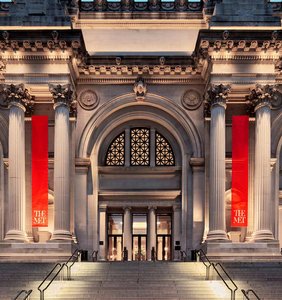
Μετροπολιτικό Μουσείο Τέχνης, Νέα ΥόρκηΜετροπολιτικό Μουσείο Τέχνης Νέα Υόρκη 1 The Beach (A Praia)
Pinacoteca do Estado de São Paulo, Σαούλο ΠάλοPinacoteca do Estado de São Paulo Σαούλο Πάλο 1 Sem Título [Untitled]
MAM Rio, Ρίο ντε ΤζανέιροMAM Rio Ρίο ντε Τζανέιρο 1 Untitled

Ο Beatriz Milhazes μέσα από τις δεκαετίες: ένα μοναδικό πρωτότυπο για κάθε εποχή

Έργα ανά δεκαετία

Επιλέξτε μια δεκαετία για να δείτε το πρωτότυπο έργο που την χαρακτηρίζει.

Οι πίνακες του Beatriz Milhazes: ερωτήσεις για την γκαλερί

Ποιο είναι το πιο διάσημο έργο του Beatriz Milhazes;Αποκαλύψτε την απάντηση

The Beach (A Praia) (1997), Μετροπολιτικό Μουσείο Τέχνης, Νέα Υόρκη. Στη συνέχεια ακολουθούν το Sem Título [Untitled] (1987) και το Figo (2006).

Σε τι ηλικία δημιούργησε ο/η Beatriz Milhazes το έργο The Beach (A Praia);Αποκαλύψτε την απάντηση

37 ετών: το έργο The Beach (A Praia) είναι του 1997, και ο/η Beatriz Milhazes γεννήθηκε το 1960.

Ποια είναι τα δέκα πιο διάσημα έργα του Beatriz Milhazes;Αποκαλύψτε την απάντηση

The Beach (A Praia), Sem Título [Untitled], Figo, The Kiss, Untitled, The Kiss, Phebo, Carambola, Sugar και Salt (Diptych). Η κατάταξη παραπάνω αναγράφει το έτος και το μουσείο για το κάθε έργο.

Πόσα έργα του Beatriz Milhazes είναι γνωστά;Αποκαλύψτε την απάντηση

Ο κατάλογός μας περιλαμβάνει 18 έργα του Beatriz Milhazes, με ημερομηνίες από 1987 έως 2009.

Πού μπορούν να θαυμαστούν τα πιο διάσημα πρωτότυπα έργα του Beatriz Milhazes;Αποκαλύψτε την απάντηση

Κυρίως σε Μετροπολιτικό Μουσείο Τέχνης (Νέα Υόρκη), Pinacoteca do Estado de São Paulo (Σαούλο Πάλο) και MAM Rio (Ρίο ντε Τζανέιρο). Ο πίνακας μουσείου παραπάνω τους περιλαμβάνει όλους.

Κατά ποια περίοδο δημιούργησε ο/η Beatriz Milhazes τα πιο γνωστά του/της έργα;Αποκαλύψτε την απάντηση

Κατά την περίοδο 2000s: 12 από τα 17 έργα σε αυτήν τη σελίδα δημιουργήθηκαν τότε, με Figo από αυτά να είναι μοναδικά.

Ποιο διάσημο έργο του Beatriz Milhazes είναι το παλαιότερο και ποιο το νεότερο;Αποκαλύψτε την απάντηση

Σε αυτήν τη σελίδα, το παλαιότερο είναι Sem Título [Untitled] (1987) και το νεότερο Sugar (2009).

Ποια θέματα προτίμησε ο/η Beatriz Milhazes;Αποκαλύψτε την απάντηση

Geometric abstraction (2), Female figure (2) και Circles (2), σε συνολικά 17 έργα σε αυτήν τη σελίδα.

Με ποια υλικά χρησιμοποίησε περισσότερο ο Beatriz Milhazes;Αποκαλύψτε την απάντηση

Mixed Media, για 2 από τα 17 έργα σε αυτήν τη σελίδα.

Beatriz Milhazes: ένα πορτρέτο του καλλιτέχνη

A Kaleidoscope of Brazilian Modernism

Beatriz Milhazes stands as a luminous figure in the contemporary art world, a painter whose work vibrates with the rhythmic energy of her native Rio de Janeiro. Born in 1960, Milhazes emerged from a landscape where the transition from military dictatorship to political freedom sparked a profound creative resurgence known as the Geração 80. Her upbringing was steeped in a rich cultural tapestry; with a father who was a lawyer and a mother an art historian, she was raised amidst a deep appreciation for both formal aesthetics and the complex narratives of Brazilian identity. This foundation allowed her to develop a visual language that is simultaneously deeply local and universally accessible, blending the high-minded principles of European modernism with the exuberant, sensory textures of Brazilian life.

The artist’s early academic journey at the Escola de Artes Visuais Parque Lage provided the fertile ground necessary for her experimentation. It was here that she began to synthesize disparate influences into a singular vision. Her work is a masterful dialogue between the structured geometry of Piet Mondrian and the Bauhaus movement, and the fluid, organic ornamentation found in the works of Henri Matisse and the Brazilian icon Tarsila do Amaral. Milhazes does not merely reference these masters; she reinterprets them through a lens of tropicality, where the sharp edges of abstraction are softened by the swirling motifs of carnaval, samba, and the lush flora of the tropics.

The Alchemy of Layered Light

What truly distinguishes a Milhazes masterpiece is her idiosyncratic and mesmerizing technique, a process that defies the traditional boundaries between painting and collage. In the mid-1990s, she perfected a method of "collaging paint" that has become her artistic signature. Rather than applying pigment directly to a canvas in a conventional manner, she paints vibrant, abstract designs onto transparent plastic sheets. These layers are then meticulously transferred to the canvas, a repetitive and rhythmic process that allows her to build complex, multi-dimensional textures while maintaining a deceptively flat surface. This technique creates a sense of temporal depth, as if several moments of creation have been compressed into a single, luminous plane.

This method serves her broader conceptual goal: to minimize the visible "hand" of the painter and instead focus on the pure interplay of color and form. The resulting compositions are a dizzying array of circles, squares, and floral patterns that evoke the optical dynamism of Op Art. Her palette is famously saturated, reflecting the intense sunlight of Rio de Janeiro and the kaleidoscopic variety of popular Brazilian fabrics, ceramic tiles, and colonial Baroque architecture. In her hands, the canvas becomes a site of "conceptual carnavalesca," where high art and popular culture collide in a celebratory explosion of pattern.

A Global Legacy and Architectural Vision

As her career progressed, Milhazes’ reach extended far beyond the confines of the traditional frame. She began to treat space itself as a medium, creating large-scale architectural installations and site-specific interventions that transform institutional environments into immersive experiences. From the Tate Modern in London to the Fondation Cartier in Paris, her work has breathed new life into prestigious global venues, proving that her language of pattern and color is truly international. These projects, such as her reconstructed architectural models for Pinturas Nômades, demonstrate her ability to translate the intimacy of a painting into the grandeur of public space.

The historical significance of Beatriz Milhazes lies in her ability to navigate the tension between local identity and global modernism. She has successfully reclaimed Brazilian motifs—once viewed through a purely folkloric lens—and elevated them into the realm of sophisticated, high-concept abstraction. Her work remains a testament to the power of synthesis, proving that an artist can be deeply rooted in their own soil while speaking a language that resonates across continents. Through her layered histories and vibrant geometries, Milhazes continues to invite viewers into a world where every stroke is a celebration of life, movement, and the enduring beauty of the unexpected.