Πορτρέτο του Άλμπρεχτ Άνταμ

Τα 38 πιο διάσημα έργα του Άλμπρεχτ Άνταμ, μια επιλογή γκαλερί

Ενημερωμένο Νοέμβριος 2026 · κατάταξη βάσει του σκορ δημοφιλίας μας (αναζητήσεις, επισκέψεις και παραγγελίες για κάθε έργο) · 38 έργα του Άλμπρεχτ Άνταμ στον κατάλογό μας

Με σύντομη περιγραφή

Από όλα τα πρωτότυπα που άφησε ο Άλμπρεχτ Άνταμ, το πιο διάσημο είναι το Eugène de Beauharnais and Napoleon in Russia (1835). Ακολουθούν στενά η General wounded (1802) και η Mountain Landscape with Plowing Farmer (1825). Ο κατάλογός μας περιλαμβάνει 38 έργα του Άλμπρεχτ Άνταμ· η γκαλερί έχει διατηρήσει τα 38 κομμάτια που θαυμάζει ο κόσμος, το καθένα με την ημερομηνία, το μουσείο και την ιστορία του.

1786 – 1862, Νερδλινγκεν Περισσότερα έργα: Bavarian State Painting Collections

Τα 10 κορυφαία έργα του Άλμπρεχτ Άνταμ: η επιλογή της γκαλερί

1
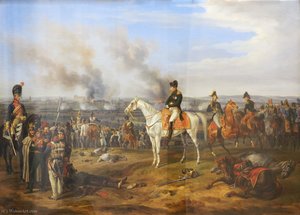
Eugène de Beauharnais and Napoleon in Russia (1835) του Άλμπρεχτ Άνταμ

Eugène de Beauharnais and Napoleon in Russia

1835 · Oil

The canvas captures a heavy, decisive moment amidst the 1812 Russian campaign. Two figures on horseback dominate the composition, framed by the atmospheric tension of a landscape shaped by conflict. One man, mounted upon a white horse, carries a sword, marking him as a figure of military authority. Beside him, a companion on a brown horse engages in a quiet, intense dialogue. Their proximity and posture suggest a private exchange…

2
General wounded (1802) του Άλμπρεχτ Άνταμ

General wounded

1802 · Oil · Εθνικό Μουσείο Καλών Τεχνών, Μπουένος Άιρες

Albrecht Adam’s General wounded, created about 1802, captures a somber scene of military casualty set within a quiet landscape. The work focuses on the immediate aftermath of combat, centering on a wounded officer reclining against the base of a large, dark tree trunk. A second soldier, dressed in a dark uniform with red trousers, leans over the officer to tend to his wounds or check his condition. This interaction provides…

4
Hugo Philipp Graf Waldbott von Bassenheim on Horseback (1843) του Άλμπρεχτ Άνταμ

Hugo Philipp Graf Waldbott von Bassenheim on Horseback

1843 · Oil · Bavarian State Painting Collections, Μόναχο

In this 1843 oil painting, we find Hugo Philipp Graf Waldbott von Bassenheim presented with a quiet, commanding presence. He sits atop his horse, positioned centrally within a landscape that suggests the rolling hills of a private estate. The composition is vertical, drawing the eye upward from the immediate details of the foreground to the noble silhouette of the rider against a vast, cloudy sky. There is a certain stillness…

5
Caroline Gräfin Waldbott von Bassenheim on Horseback (1844) του Άλμπρεχτ Άνταμ

Caroline Gräfin Waldbott von Bassenheim on Horseback

1844 · Oil On Canvas · Bavarian State Painting Collections, Μόναχο

The scene unfolds through the portrait titled Caroline Gräfin Waldbott von Bassenheim on Horseback, a work that captures a moment of quiet dignity. The subject of this composition is Caroline Gräfin Waldbott von Bassenheim, presented with a poise that suggests a life of high standing. She moves through the landscape atop her horse, her presence commanding the space around her. This depiction of the noblewoman offers a glimpse into the…

7
Soldiers and Horses at the Campfire (1847) του Άλμπρεχτ Άνταμ

Soldiers and Horses at the Campfire

1847 · Gouache

In Soldiers and Horses at the Campfire, Albrecht Adam presents a quiet moment of respite for soldiers. The scene is set during the transitional light of dusk or dawn, a time when the world seems to hold its breath. A group of soldiers and horses are gathered around a small campfire, their forms anchored in the foreground and middle ground. This central gathering provides a sense of camaraderie amidst the…

8
The Battle of Szeged (1853) του Άλμπρεχτ Άνταμ

The Battle of Szeged

1853 · Oil

Albrecht Adam captures a moment of heavy, historical friction in The Battle of Szeged. Painted about 1853, this large-scale work depicts a military conflict, likely the Battle of Szeged. The canvas holds the weight of organized troop movements set against the grim reality of casualties on the ground. It is a scene of structured violence and the sudden stillness of the fallen.

9
Field Marshal Radetzky and his staff at the Battle of Novara on March 23, 1849 (1855) του Άλμπρεχτ Άνταμ

Field Marshal Radetzky and his staff at the Battle of Novara on March 23, 1849

1855 · Oil On Canvas

Field Marshal Radetzky and his staff at the Battle of Novara on March 23, 1849 by Albrecht Adam captures a decisive moment in the First Italian War of Independence. The work, created about 1855, focuses on Field Marshal Joseph Radetzky as he oversees the military operations. He is positioned on a white horse, accompanied by his general staff, in the period leading up to the fall of Milan.

Η επιλογή του Άλμπρεχτ Άνταμ συνεχίζεται, από τον 11 έως τον 38

Τα θέματα που κίνησαν το ενδιαφέρον του Άλμπρεχτ Άνταμ

Τα τέσσερα θέματα που εμφανίζονται πιο συχνά σε αυτά τα πρωτότυπα έργα, το καθένα με το εξαιρετικό του παράδειγμα.

Τα μουσεία που διατηρούν τα πρωτότυπα έργα του Άλμπρεχτ Άνταμ

Τα 6 μουσεία που φιλοξενούν το μεγαλύτερο μέρος των έργων σε αυτήν τη σελίδα.

Μουσείο Πόλη Έργα του Άλμπρεχτ Άνταμ Πάτρια από αυτή τη λίστα
Bavarian State Painting Collections, ΜόναχοBavarian State Painting Collections Μόναχο 5 Hugo Philipp Graf Waldbott von Bassenheim on Horseback, Caroline Gräfin Waldbott von Bassenheim on Horseback, Field Marshal Joseph Wenzel Graf Radetzky on Horseback
Εθνικό Μουσείο Καλών Τεχνών, Μπουένος ΆιρεςΕθνικό Μουσείο Καλών Τεχνών Μπουένος Άιρες 1 General wounded
Lenbachhaus, ΜόναχοLenbachhaus Μόναχο 1 Mountain Landscape with Plowing Farmer
Alte Nationalgalerie, ΒερολίνοAlte Nationalgalerie Βερολίνο 1 The Battle of Abensberg on 20 April 1809
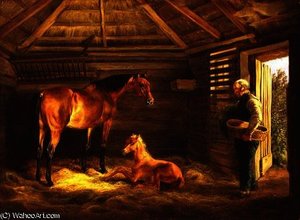
Royal Collection, ΛονδίνοRoyal Collection Λονδίνο 1 Interior of a Stable
Ερμιτάζ, Σουζ ή Αγία ΠετρούποληΕρμιτάζ Σουζ ή Αγία Πετρούπολη 1 Horses at the Porch

Ο Άλμπρεχτ Άνταμ δεκαετία προς δεκαετία: το πρωτότυπο που ορίζει κάθε μία

Έργα ανά δεκαετία

Επιλέξτε μια δεκαετία για να δείτε το πρωτότυπο έργο που την χαρακτηρίζει.

Ερωτήσεις συλλεκτών για τα έργα του Άλμπρεχτ Άνταμ

Για ποιο έργο είναι πιο γνωστός ο Άλμπρεχτ Άνταμ;Αποκαλύψτε την απάντηση

Το Eugène de Beauharnais and Napoleon in Russia (1835). Στη συνέχεια ακολουθούν το General wounded (1802) και το Mountain Landscape with Plowing Farmer (1825).

Πόσο ηλικία είχε ο/η Άλμπρεχτ Άνταμ όταν δημιουργήθηκε το Eugène de Beauharnais and Napoleon in Russia;Αποκαλύψτε την απάντηση

49 ετών: το έργο Eugène de Beauharnais and Napoleon in Russia είναι του 1835, και ο/η Άλμπρεχτ Άνταμ γεννήθηκε το 1786.

Ποια είναι τα δέκα πιο διάσημα έργα του Άλμπρεχτ Άνταμ;Αποκαλύψτε την απάντηση

Eugène de Beauharnais and Napoleon in Russia, General wounded, Mountain Landscape with Plowing Farmer, Hugo Philipp Graf Waldbott von Bassenheim on Horseback, Caroline Gräfin Waldbott von Bassenheim on Horseback, Field Marshal Joseph Wenzel Graf Radetzky on Horseback, Soldiers and Horses at the Campfire, The Battle of Szeged, Field Marshal Radetzky and his staff at the Battle of Novara on March 23, 1849 και King Vittorio Emanuele Ii Meeting Joseph Radetsky Von Radetz At Vignale. Η κατάταξη παραπάνω αναγράφει το έτος και το μουσείο για το κάθε έργο.

Πόσα έργα δημιούργησε ο/η Άλμπρεχτ Άνταμ;Αποκαλύψτε την απάντηση

Ο κατάλογός μας περιλαμβάνει 38 έργα του Άλμπρεχτ Άνταμ, με ημερομηνίες από 1802 έως 1855.

Σε ποια μουσεία εκτίθενται τα αριστούργημα του Άλμπρεχτ Άνταμ;Αποκαλύψτε την απάντηση

Κυρίως σε Bavarian State Painting Collections (Μόναχο), Εθνικό Μουσείο Καλών Τεχνών (Μπουένος Άιρες) και Lenbachhaus (Μόναχο). Ο πίνακας μουσείου παραπάνω τους περιλαμβάνει όλους.

Σε ποιες χρονιές δημιούργησε ο/η Άλμπρεχτ Άνταμ τα πιο διάσημα έργα του/της;Αποκαλύψτε την απάντηση

Κατά την περίοδο 1840s: 8 από τα 38 έργα σε αυτήν τη σελίδα δημιουργήθηκαν τότε, με Hugo Philipp Graf Waldbott von Bassenheim on Horseback από αυτά να είναι μοναδικά.

Ποια είναι τα πρώτα και τα τελευταία διάσημα πρωτότυπα του Άλμπρεχτ Άνταμ;Αποκαλύψτε την απάντηση

Σε αυτήν τη σελίδα, το παλαιότερο είναι General wounded (1802) και το νεότερο Field Marshal Radetzky and his staff at the Battle of Novara on March 23, 1849 (1855).

Ποια θέματα επέλεξε πιο συχνά ο Άλμπρεχτ Άνταμ;Αποκαλύψτε την απάντηση

Horse (7), Sky (7) και Royalty (6), σε συνολικά 38 έργα σε αυτήν τη σελίδα.

Ποια τεχνική χρησιμοποίησε περισσότερο ο Άλμπρεχτ Άνταμ;Αποκαλύψτε την απάντηση

Oil, για 5 από τα 38 έργα σε αυτήν τη σελίδα.

Ποια έργα του Άλμπρεχτ Άνταμ εκτίθενται στο Bavarian State Painting Collections;Αποκαλύψτε την απάντηση

Hugo Philipp Graf Waldbott von Bassenheim on Horseback, Caroline Gräfin Waldbott von Bassenheim on Horseback και Field Marshal Joseph Wenzel Graf Radetzky on Horseback: το Bavarian State Painting Collections, Μόναχο διαθέτει 5 από τα έργα σε αυτήν τη σελίδα.

Άλμπρεχτ Άνταμ: ζωή και έργο

The Chronicler of Conquest and Cavalry

Albrecht Adam stands as a profound witness to one of history's most turbulent eras, capturing the raw, visceral energy of the Napoleonic Wars through his brush. Born in Nördlingen, Germany, his early life took an unexpected turn from a confectioner's apprenticeship toward the prestigious Academy of Fine Arts in Nuremberg. This transition from the sweetness of sugar to the grit of the battlefield defined his artistic soul. As an official artist attached to the Bavarian contingent of the Grande Armée, Adam did not merely observe history from a distance; he lived within its chaos. His presence during the 1812 Russian campaign allowed him to document the harrowing march to Moscow and the devastating carnage of battles such as Borodino with an intimacy that few of his contemporaries could claim.

A Legacy of Motion and Majesty

The essence of Adam's work lies in his dual mastery of the battlefield scene and the equine form. His canvases and engravings serve as a vital historical record, blending the terrifying reality of war with a deep, anatomical reverence for the horses that powered the era's cavalry. In works such as Ownerless Horse at Moshaisk, one can feel the haunting stillness following the storm of combat, while his depictions of French cuirassiers charging into the Great Redoubt pulse with the frantic movement of steel and muscle. This fascination with the horse was not merely incidental but became a cornerstone of his identity, establishing him as a renowned equine artist whose influence would even extend to his grandson, Emil Adam.
Artistic Evolution and Historical Impact

Throughout his career, Adam’s technique evolved from capturing the marching troops of southern Germany to portraying the grand, sweeping tragedies of European conflict. His journey took him through the artistic circles of Munich and Vienna, where he refined his ability to translate the smoke and thunder of war into evocative compositions. Beyond the mere depiction of events, his memoirs and sketches provide a psychological layer to his art, offering a glimpse into the human and animal cost of Napoleon's ambitions. By weaving together the precision of military detail with the emotional weight of loss, Adam ensured that the fleeting moments of the Napoleonic period were etched permanently into the annals of art history.