
Introduction
The transition from Impressionism to Post-Impressionism represents one of the most significant shifts in the history of modern art. Emerging in Paris during the late 1860s and 1870s, Impressionism sought to capture the fleeting, naturalistic effects of light and atmosphere through rapid, broken brushstrokes. By the 1880s and 1890s, a new generation of artists began to push beyond these optical sensations. This period, later termed Post-Impressionism by critic Roger Fry, saw artists moving toward subjectivity, emphasizing emotional depth, symbolic content, and structural permanence.
Collectors and enthusiasts often confuse the two because the movements are deeply linked by continuity and critique. Every major Post-Impressionist, from Vincent van Gogh to Paul Cézanne, began by working with the bright palettes and modern independence established by the Impressionists. However, while they share a visual language, their intentions are worlds apart. This article clarifies these distinctions by examining the technical evolution from the "sensation in the eye" to the internal expression of the artist, helping you distinguish between a scene glimpsed in a passing moment and a work built upon deliberate structure and psychological intensity.
| Impressionism | Post-Impressionism | |
|---|---|---|
| Dates | c. 1860s-1880s | c. 1886-1905 |
| Where | Paris and Seine villages | Paris, Provence, Brittany, Arles, and Tahiti |
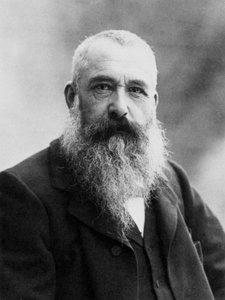
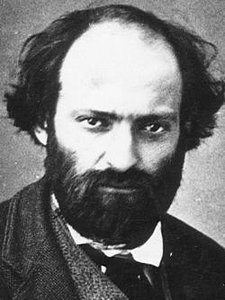
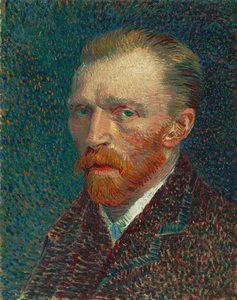
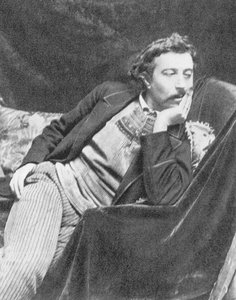
| Key painters | Claude Monet, Camille Pissarro, Alfred Sisley | Paul Cézanne, Vincent van Gogh, Paul Gauguin |
| Palette and light | Bright unmixed color and colored shadows to capture fleeting light | Exaggerated colors, symbolic color, or deliberate unnatural color |
| Typical subjects | Modern leisure, nature, rivers, fields, and city boulevards | Structure, emotion, symbolism, or psychological intensity |
| Technique | Rapid, broken brushstrokes and soft edges | Thick impasto, swirling strokes, geometric volumes, or dots |
| One key work | Impression, Sunrise (1872) by Claude Monet | Starry Night (1889) by Vincent van Gogh |
Capturing the Fleeting Moment in Impressionism
 Water Lilies (or Nympheas) - Claude Monet
 The Boulevard Montmartre at Night - Camille Pissarro
 The Saint Martin Canal in Paris - Alfred Sisley
Impressionism emerged in Paris during the late 1860s and 1870s, defined by a desire to record the fleeting, naturalistic effects of light and movement. Rather than focusing on fine details or academic precision, these artists sought to capture the "sensation in the eye"—the immediate, optical experience of a scene at a specific moment in time. This approach often resulted in compositions that resembled snapshots, where the boundary between the subject and the background began to dissolve into atmosphere.
The movement was characterized by several distinct technical hallmarks:
- Rapid, broken brushstrokes: Used to convey the flickering quality of light.
- Bright, unmixed color: Applied to capture the vibrancy of natural light.
- Colored shadows: A rejection of black in favor of using complementary colors to represent shade.
Key figures of the movement utilized these techniques to transform ordinary subject matter. Claude Monet was a central figure, famously capturing the ephemeral qualities of light in his Impression, Sunrise (1872), the work that provided the movement its name. His later series, such as the Haystacks (1890-1891) and Rouen Cathedral (1892-1894), demonstrated how a single motif changes under different weather and light conditions. Camille Pissarro applied this focus to both rural and urban life, seen in The Red Roofs (1877) and his Boulevard Montmartre series (1897). Meanwhile, Alfred Sisley remained the most consistent landscape painter of the group, capturing the delicate interplay of water and sky in works like The Flood at Port-Marly (1876) and The Saint Martin Canal in Paris (1870).
The Emotional and Structural Depth of Post-Impressionism
 The Card Players - Paul Cézanne
 Starry Night (New York, MoMA) - Vincent Willem Van Gogh
 Where do we come from what are we where are we going - Eugène Henri Paul Gauguin
Post-Impressionism was not a single style, but a diverse reaction against the perceived passivity of Impressionism. While the Impressionists sought to record the transient effects of light, Post-Impressionists moved toward subjectivity, prioritizing the artist's internal emotional state, symbolic meaning, or structural permanence. This shift transformed the canvas from a window into a scene into a space for psychological and formal exploration.
The movement can be categorized by how artists imposed their vision upon the subject matter. Some sought to build a sense of lasting structure, while others used color to convey intense emotion or spiritual ideas.
- Structural Permanence: Paul Cézanne rejected the fragmentary nature of Impressionism. In works such as The Card Players (1893), he moved away from fleeting light to build nature from simplified geometric volumes and blocks of color. His many views of Mont Sainte-Victoire exemplify this drive to create something solid and lasting, a technique that eventually paved the way for Cubism.
- Emotional Expression: Vincent Willem Van Gogh utilized the bright palette of the Impressionists but applied it with a rhythmic, psychological intensity. In Starry Night (1889), painted during his stay at the Saint-Paul-de-Mausole asylum in Saint-Rémy-de-Provence, he employed thick, undulating impasto and swirling brushstrokes to animate the celestial sky. This approach prioritized the artist's internal struggle over mere visual observation.
- Symbolism and Flatness: Paul Gauguin moved toward a more decorative and symbolic language. In The Vision after the Sermon (1888), painted in Brittany, he utilized flat areas of color and dark outlines. His later Tahitian works, such as Where Do We Come From? What Are We? Where Are We Going? (1897-1898), furthered this exploration of allegory and dreamlike landscapes.
Key Differences in Intent and Technique
The transition from Impressionism to Post-Impressionism represents a shift from objective observation to subjective expression. While both movements utilized a bright palette and moved away from academic constraints, their fundamental intents were diametrically opposed. Impressionism sought to capture the "sensation in the eye," focusing on the transient effects of light and atmosphere. In contrast, Post-Impressionism prioritized the artist's internal psychological state, symbolic meaning, or the imposition of formal structure upon the canvas.
Technically, the differences are visible in the application of paint and the treatment of form:
- Impressionism: Artists used rapid, broken brushstrokes and unmixed colors to record a fleeting moment. For example, Impression, Sunrise (1872) by Claude Monet captures the ephemeral quality of light, where form tends to dissolve into the surrounding atmosphere. Similarly, Alfred Sisley utilized sensitive brushwork in The Saint Martin Canal in Paris (1870) to evoke a serene, atmospheric snapshot of Parisian life.
- Post-Impressionism: This movement rejected the perceived passivity of Impressionism. Artists employed diverse, deliberate techniques to convey ideas beyond the visible spectrum. Vincent van Gogh utilized heavy impasto and swirling brushstrokes in Starry Night (1889) to move beyond visual observation into pure emotional expression. Paul Cézanne sought permanence through structure, using blocks of color and geometric volumes in his views of Mont Sainte-Victoire during the 1890s. Meanwhile, Georges Seurat replaced spontaneity with a scientific method of dots, as seen in A Sunday on La Grande Jatte (1884-1886).
Ultimately, an Impressionist work is unified by light and soft edges, whereas a Post-Impressionist work is unified by the artist's intent—whether through firm outlines, unnatural color, or rhythmic patterns.
Conclusion
When standing in a museum, distinguishing these two movements requires looking at the artist's intent. To identify an Impressionist work, look for the "sensation in the eye." These paintings are unified by light, featuring soft edges and flickering, rapid brushstrokes that capture a fleeting moment, such as a specific hour of sunlight on a river. If the subject seems to dissolve into atmosphere, you are likely looking at Impressionism.
Conversely, a Post-Impressionist work is unified by something the artist imposes upon the scene. Look for deliberate structure, such as the geometric volumes of Cézanne, the heavy impasto and swirling emotional energy of Van Gogh, or the flat, symbolic colors of Gauguin. While Impressionism records the external world, Post-Impressionism expresses the internal state.
Despite these differences, both movements share a fundamental rejection of academic tradition. They both embraced a bright, modern palette and moved away from precise, photographic representation to redefine the boundaries of modern art.
Explore these masterworks on our website.
Frequently asked questions
What is the difference between Impressionism and Post-Impressionism?
Impressionism focuses on capturing the fleeting, naturalistic effects of light and movement through rapid, broken brushstrokes. Post-Impressionism reacts against this approach, moving toward subjectivity. These artists used exaggerated colors and shapes to express psychological intensity, spiritual meaning, or structural permanence rather than mere visual observation.
Who are the famous Impressionist painters?
The movement included Claude Monet, Camille Pissarro, and Alfred Sisley. Monet's Impression, Sunrise gave the movement its name. Pissarro was often referred to as the dean of the Impressionist painters, while Sisley was the group's most consistent landscape painter.
Who are the famous Post-Impressionist painters?
Key figures include Paul Cézanne, Vincent Willem Van Gogh, and Paul Gauguin. Georges Seurat also appeared at the last Impressionist exhibition with his scientific method of dots. These artists pushed beyond Impressionism toward different directions, including Neo-Impressionism, Symbolism, and Synthetism.
Where can I see Starry Night?
Starry Night is a definitive Post-Impressionist masterpiece by Vincent Willem Van Gogh. The painting currently resides in the permanent collection of the Museum of Modern Art (MoMA) in New York City, where it has been held since 1941.
Famous painters of Impressionism
- 1840 – 1926Claude Monet
- 1830 – 1903Camille Pissarro
- 1839 – 1899Alfred Sisley


Famous artworks of Impressionism
- Claude MonetWater Lilies (or Nympheas)
- Claude Monet · 1877Gare Saint Lazare, Pari
- Camille Pissarro · 1897The Boulevard Montmartre at Night
- Camille Pissarro · 1893Autumn, Poplars
- Alfred Sisley · 1870The Saint Martin Canal in Paris
- Alfred Sisley · 1864Lane near a Small Town


Famous painters of Post-Impressionism
- 1839 – 1906Paul Cézanne
- 1853 – 1890Vincent Willem van Gogh
- 1848 – 1903Paul Gauguin
Famous artworks of Post-Impressionism
- Paul Cézanne · 1893The Card Players
- Paul Cézanne · 1900The Large Bathers
- Vincent Willem Van Gogh · 1889Starry Night (New York, MoMA)
- Vincent Willem Van Gogh · 1888Sunflowers
- Eugène Henri Paul GauguinWhere do we come from what are we where are we going
- Eugène Henri Paul Gauguin · 1891Two Women on the Beach


