
 Προεπισκόπηση
 Αποστολή
 Κοινοποίηση
 Λεπτομέρειες
 Οδηγός

 Λήψη
Λήψη
 Παρόμοια αντικείμενα συλλογής
 Ακτινογραφία
 Παρουσίαση
 Στατιστικά
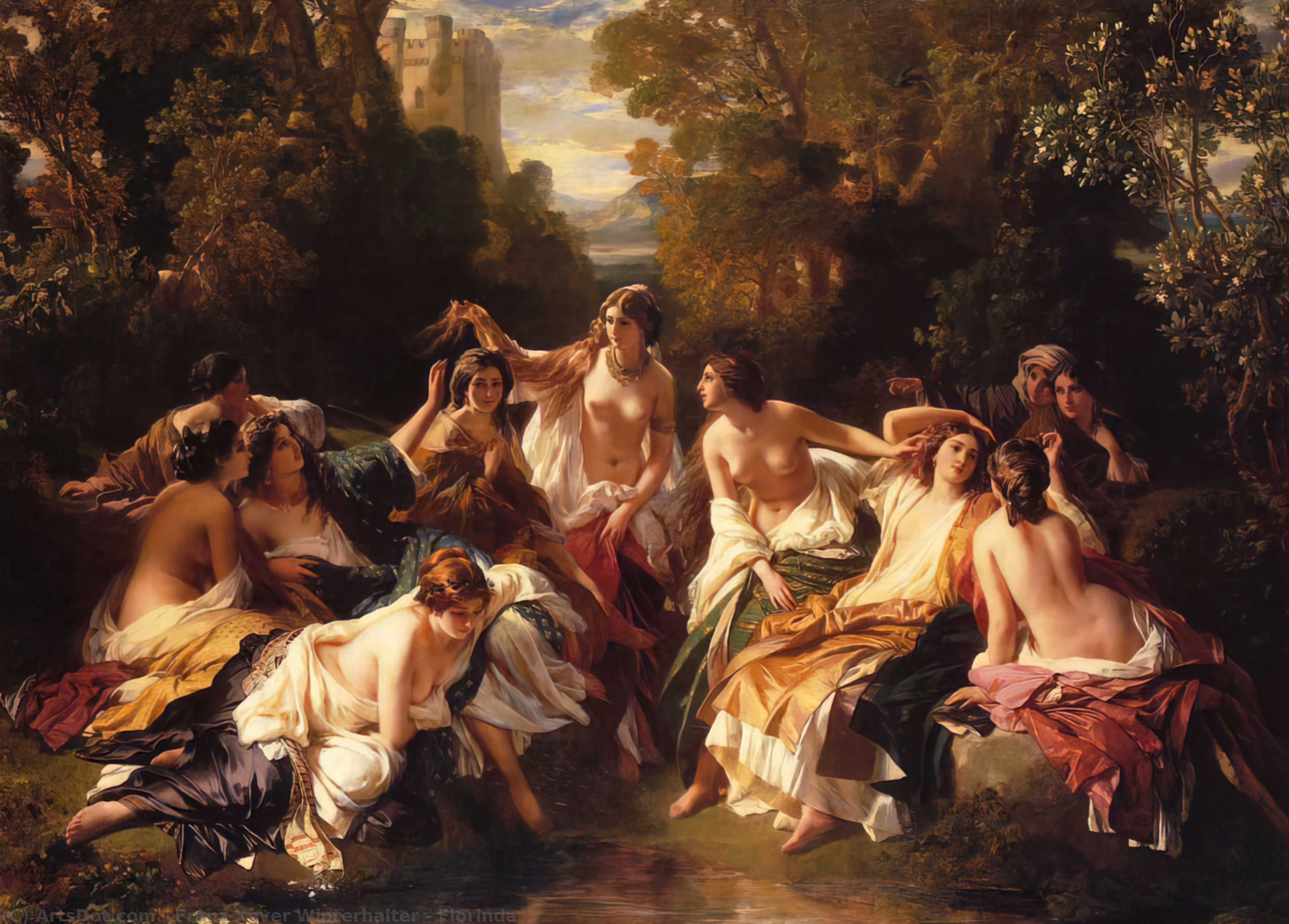
Φλόριντα
 Άνθρακα και λάδι σε καμβά
- Εκθέσιμα Έργα Τέχνης
- Romantic Realism
 1853
1853- 19ος Αιώνας
 178.0 x 246.0 cm
 Μητροπολιτικό Μουσείο Τέχνης
 Περισσότερα λεπτομέρεια
Giclée / Εκτυπώσεις Τέχνης
Εκτύπωση giclée ή σε καμβά ποιότητας μουσείου με γρήγορη παραγωγή και ευέλικτες επιλογές φινιρίσματος. ( Αγορά χειροποίητου πίνακα Μετάβαση σε Ψηφιακή Εικόνα)




P118B $10

P118H $10

P118W $10

P438Z $10

P508JH $12

P508YH $12

P805H $10

P805Z $10

P919BZ $10

P919G $10

P919XJ $10

P959ZH $10

P968JZ $12

W106C $8

W218G $10

W218JH $8

W218Y $10

W307PJ $10

W316G $10

W316PJ $8

W316Y $10

W398PJ $8

W4111J $10

W500HY $15

W500JH $15

W692G $12

W849H $8

W940BG $15

W953PJ $8




Επιλέξτε από τις προκαθορισμένες διαστάσεις μας που διατηρούν τις αρχικές αναλογίες του έργου τέχνης.

Μπορείτε να εισαγάγετε δικές σας διαστάσεις ώστε να ταιριάξουν με ένα συγκεκριμένο πλαίσιο ή χώρο. Εάν το επιλεγμένο μέγεθος δεν συμπίπτει με τις αναλογίες της πρωτότυπης εικόνας, θα κόψουμε το έργο τέχνης ή θα επεκτείνουμε την εικόνα με καθρεφτισμένη ή μονόχρωμη ατέλεια. Θα σας αποσταλεί ένα ψηφιακό mockup για έγκρισή σας πριν από την έναρξη της παραγωγής.
Παρακαλούμε σημειώστε ότι η προεπισκόπηση στην οθόνη δεν αντικατοπτρίζει την πραγματική κοπή ή επέκταση. Μόνο το mockup θα δείξει με ακρίβεια την τελική σύνθεση.
Παρόλο που είναι διαθέσιμες προσαρμοσμένες διαστάσεις, προτείνουμε την επιλογή μιας διάστασης από τη προκαθορισμένη λίστα για τη διατήρηση των αρχικών αναλογιών.
Παγκόσμια Αποστολή () σε 2 εβδομάδες αντί για τις συνήθεις 4/5 εβδομάδες. (25 Σεπτέμβριος)

Δωρεάν γρήγορη διεθνής αποστολή

Κάμβας από Λινό Υψηλής Ποιότητας

Πλήρης ασφάλιση μεταφοράς

Εγγύηση επιστροφής δασμών και φόρων εισαγωγής

Εγγύηση Απόλυτης Ομοιότητας Χρωμάτων

Πολιτική Επιστροφής 100 Ημερών (Μόνο σε περίπτωση ελαττωμάτων)

Εγγύηση επιστροφής 100% των χρημάτων

Έκπτωση για πολλαπλές παραγγελίες
 Η επιλογή με γυαλί είναι διαθέσιμη μόνο για μεγέθη κάτω από 110 εκ.

Φλόριντα
Giclée / Εκτυπώσεις Τέχνης
Διαστάσεις Αναπαραγωγής
-


Συνολικό Κόστος
$ 80
Ένα Εντυπωσιακό Συναθροιστικό στη Φύση: Η "Florinda" του Winterhalter
Η “Florinda” του Franz Xaver Winterhalter, ζωγραφισμένη το 1853, μας προσκαλεί σε μια ζωντανή σκηνή φιλίας και γιορτής, ενσωματωμένη μέσα σε ένα πλούσιο φυσικό περιβάλλον. Αυτή η συναρπαστική ελαιογραφία αποτυπώνει μια στιγμή κοινής χαράς, με μορφές που αλληλεπιδρούν με ζωηρό τρόπο, προκαλώντας μια αίσθηση κοινότητας και σύνδεσης. Η χειρονομία του Winterhalter είναι τόσο δυναμική όσο και αρμονική, παρουσιάζοντας ένα κεντρικό σύνολο μορφών διατεταγμένων σε μια χαλαρή κυκλική διάταξη. Η χρήση ρευμάτων γραμμών και οργανικών σχημάτων δημιουργεί μια αίσθηση κίνησης και ενέργειας, ενώ η προσεκτική ισορροπία του φωτός και της σκιάς προσθέτει βάθος και διάσταση στην εικόνα. Οι πλούσιες υφές – από το απαλό δέρμα των μορφών μέχρι το ρέον ύφασμα των ενδυμάτων τους – αναδεικνύουν την τεχνική δεξιοτεχνία του Winterhalter και τη λεπτομερή προσοχή του. Η παλέτα χρωμάτων κυριαρχείται από ζεστά, γήινα τόνους καφέ, χρυσού και πράσινου, συμπληρωματικά με πιο απαλούς αποχρώσεις που δημιουργούν μια αρμονική ισορροπία. Η χρήση του φωτός και της σκιάς ενισχύει την τρισδιάστατη παρουσία των μορφών και το τοπίο, οδηγώντας το βλέμμα του θεατή στην ίδια την ζωγραφιά.Ιστορικό Πλαίσιο και Βασιλικές Σχέσεις
Ο Franz Xaver Winterhalter ήταν γνωστός για τις αριστοκρατικές και βασιλικές του αναπαραστάσεις, καταγράφοντας την κομψότητα των ευρωπαϊκών αυλών της δεκαετίας του 1850. Αν και κυρίως φημιζόταν για τα πορτρέτα, η “Florinda” αποδεικνύει την πολυτέλειά του Winterhalter να συνδυάζει τον ρεαλισμό με μια ρομαντική αίσθηση. Το έργο αυτό αντικατοπτρίζει την ικανότητά του να ενσωματώνει την ομοιότητα με την ειρωνεία, ένα χαρακτηριστικό που τον έκανε πολύ επιθυμητό στους πλούσιους και ισχυρούς. Η σκηνή, με τις γυναίκες να χαίρονται στην ύπαιθρο, μπορεί να συμβολίζει την αθωότητα ή τη σύνδεση με τη γη, ενώ η απομακρυσμένη κατασκευή θα μπορούσε να αντιπροσωπεύει τον πολιτισμό ή ένα σημαντικό μέρος. Η συνολική συναισθηματική χροιά είναι γεμάτη χαρά και φιλία, με τις μορφές που αλληλεπιδρούν με τρόπους που υποδηλώνουν μια κοινή εμπειρία. Αυτή η αίσθηση ενότητας και γιορτής καθιστά το έργο ένα ισχυρό παράδειγμα της δύναμης της τέχνης να καταγράψει στιγμές κοινής ευτυχίας.Συμβολισμός και Συναισθηματική Επίδραση
Η φυσική ατμόσφαιρα της “Florinda” μπορεί να συμβολίζει την αθωότητα ή τη σύνδεση με τη γη, ενώ η απομακρυσμένη κατασκευή θα μπορούσε να αντιπροσωπεύει τον πολιτισμό ή ένα σημαντικό μέρος. Η συναισθηματική χροιά είναι μια έκφραση χαράς και φιλίας, με τις μορφές που αλληλεπιδρούν με τρόπους που υποδηλώνουν μια κοινή εμπειρία. Αυτή η αίσθηση ενότητας και γιορτής καθιστά το έργο ένα ισχυρό παράδειγμα της δύναμης της τέχνης να καταγράψει στιγμές κοινής ευτυχίας. Η σκηνή, με τις γυναίκες να χαίρονται στην ύπαιθρο, μπορεί να συμβολίζει την αθωότητα ή τη σύνδεση με τη γη, ενώ η απομακρυσμένη κατασκευή θα μπορούσε να αντιπροσωπεύει τον πολιτισμό ή ένα σημαντικό μέρος. Η συνολική συναισθηματική χροιά είναι μια έκφραση χαράς και φιλίας, με τις μορφές που αλληλεπιδρούν με τρόπους που υποδηλώνουν μια κοινή εμπειρία. Αυτή η αίσθηση ενότητας και γιορτής καθιστά το έργο ένα ισχυρό παράδειγμα της δύναμης της τέχνης να καταγράψει στιγμές κοινής ευτυχίας.Μια Κληρονομιά Εξαιρετικής Τέχνης
Η “Florinda” του Winterhalter είναι μια μαρτυρία της δεξιοτεχνίας και της αισθητικής του 19ου αιώνα, ένα έργο που συνεχίζει να εμπνέει και να εντυπωσιάζει. Η ακρίβεια των λεπτομερειών, η αρμονία των χρωμάτων και η δυναμική σύνθεση δημιουργούν μια εικόνα που είναι ταυτόχρονα ρεαλιστική και ρομαντική. Αυτό το έργο θα μπορούσε να αποτελέσει ένα εξαιρετικό προσόν για οποιοδήποτε σπίτι ή χώρο εργασίας, προσθέτοντας μια πινελιά κομψότητας και ιστορικής σημασίας. Μια υψηλής ποιότητας αναπαραγωγή της “Florinda” είναι μια τέλεια επιλογή για όσους εκτιμούν την καλλιτεχνική κληρονομιά και θέλουν να απολαύσουν την ομορφιά και τη δύναμη της τέχνης στο δικό τους χώρο.Βιογραφικό Καλλιτέχνη
A Painter of Kings and Queens: The Life and Art of Franz Xaver Winterhalter
Born in the secluded Black Forest village of Menzenschwand in 1805, Franz Xaver Winterhalter ascended from humble beginnings to become one of Europe’s most sought-after portraitists. His story is not merely that of an artist achieving technical mastery, but of a man who captured an era – the age of burgeoning Romanticism giving way to Victorian propriety and imperial grandeur. The son of a farmer and resin producer, Winterhalter's early life was steeped in the rhythms of rural Germany, yet his artistic inclinations quickly set him apart. A strong family bond, particularly with his painter brother Hermann, nurtured his creative spirit, while formal training at a Benedictine monastery and later under Karl Ludwig Schüler in Freiburg provided foundational skills in drawing and engraving. This initial grounding proved crucial as he transitioned to Munich, securing support from Baron von Eichtal and eventually studying at the Academy of Arts, though finding its academic rigidity somewhat stifling. It was Joseph Karl Stieler, a master of fashionable portraiture, who truly guided his development during these formative years.From Karlsruhe to Parisian Heights: Establishing a Royal Reputation
Winterhalter’s breakthrough arrived in 1828 when he became drawing master to Sophie Margravine of Baden at Karlsruhe. This appointment wasn't simply a job; it was an entry point into the intricate world of European royalty. His talent for capturing likeness and imbuing his subjects with an air of elegance quickly gained recognition, leading to commissions from Grand Duke Leopold of Baden and his wife. However, it was Paris that truly cemented Winterhalter’s fame. Arriving in the French capital in the 1830s, he skillfully navigated the artistic landscape, exhibiting genre scenes like *Il dolce Farniente* and *Il Decameron*, which showcased his academic training while hinting at a burgeoning Romantic sensibility. These works garnered critical attention, but it was his portraits that truly captivated the aristocracy. He became a favorite of King Louis-Philippe, executing over thirty commissions for the royal family and establishing himself as the go-to portraitist for those seeking to project an image of power, refinement, and dynastic legitimacy. His ability to blend realism with flattery – to present his sitters at their most idealized while remaining recognizably themselves – proved irresistible. He mastered the art of creating images that were both visually stunning and psychologically insightful, reflecting the values and aspirations of the elite he depicted.The Victorian Embrace: A Painter of Imperial Majesty
Winterhalter’s reputation extended beyond France, reaching the British Isles and capturing the attention of Queen Victoria. In 1841, he was summoned to England, initiating a prolific relationship that would see him create over one hundred portraits for the Royal Collection. These weren't merely official commissions; they were intimate glimpses into the lives of the royal family, often commissioned as personal gifts. His portrait of Queen Victoria in 1843, a small and exquisitely detailed work, exemplifies his ability to capture not just physical likeness but also a sense of personality and emotion. The painting, gifted by Victoria to Prince Albert, depicts the young queen with a vulnerable intimacy that belies her regal status. This success solidified Winterhalter’s position as *the* portraitist of European royalty, sought after by Empress Eugénie in France, Empress Elisabeth of Austria, and countless other noble figures. He became a master of dynastic image-making, shaping how these powerful families presented themselves to the world. His portraits were not just representations; they were carefully constructed narratives about power, status, and identity, reflecting the social and political realities of his time.Style and Legacy: Beyond Likeness
While often criticized by artistic circles for prioritizing flattery over innovation, Winterhalter’s work holds a significant place in art history. His style is characterized by its meticulous detail, luminous color palette, and ability to capture the textures of fabrics and jewels with breathtaking realism. He skillfully blended Romantic sensibilities with Neoclassical precision, creating portraits that were both visually stunning and psychologically insightful. His paintings weren’t simply representations; they were carefully constructed narratives about power, status, and identity. He developed a distinctive technique – often described as “enamel-like” – characterized by smooth surfaces and subtle gradations of color, contributing to the idealized and polished appearance of his subjects. Though he wasn't a revolutionary in the same vein as Delacroix or Courbet, his influence was pervasive. He established a standard for royal portraiture that endured for decades, and his works provide invaluable historical documentation of 19th-century European society. His legacy lies not just in the beauty of his paintings but also in their ability to transport us back to an era of opulent courts, intricate diplomacy, and unwavering social hierarchies. Today, his artworks continue to fascinate, offering a window into a world of elegance, ambition, and enduring artistic skill.A Lasting Impression
Franz Xaver Winterhalter died in Frankfurt in 1873, leaving behind a vast body of work that continues to be celebrated for its technical brilliance and historical significance. His paintings can be found in prominent museums and royal collections around the world, including the National Portrait Gallery in London, the Musée d’Orsay in Paris, and Buckingham Palace.- His ability to capture the essence of his sitters, combined with his mastery of technique, ensured his place as a leading portraitist of his time.
- He remains an important figure for understanding the visual culture of 19th-century Europe and the role of art in shaping perceptions of power and status.
- His works offer a captivating glimpse into the lives of royalty and aristocracy, providing invaluable insights into their world.
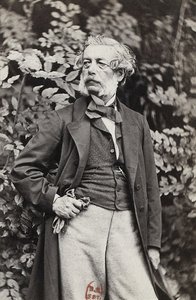
Φρανς Ξαβερ Βίντερχαλτερ
1805 - 1873 , Γερμανία
Στοιχεία καλλιτέχνη
- Artistic Movement Or Style: Ρομαντισμός, πορτρέτο
- Artists Or Movements Influenced By This Artist: ['Βικτώρια']
- Artists Who Influenced This Artist:
- Πέτρος Βον Κορελνός
- Ιωσήφ Καρλ Στειλέρ
- Date Of Birth: 20 Απρ. 1805
- Date Of Death: 8 Ιουλ. 1873
- Full Name: Franz Xaver Winterhalter
- Nationality: Γερμανός
- Notable Artworks:
- Αρχόντισσα Εὐγενίς
- Φλωρίντα
- Place Of Birth: Menzenschwand, Γερμανία
Σχετικά άρθρα

Η Διαχρονική Κληρονομιά του Λαδιού στον Καμβά: Τεχνική, Ιστορία & Σύγχρονη Πρακτική
Εξερευνήστε την ιστορία και τις τεχνικές της λαδαιογραφίας. Οδηγός για υλικά, εργαλεία και σύγχρονες προσεγγίσεις. Μάθετε από ειδικούς και ανακαλύψτε τη διαχρονική τέχνη του λαδιού στον καμβά.

The Enduring Legacy of Oil on Canvas: Technique, History & Aesthetic Impact
Explore the rich history & techniques of oil painting – from Renaissance masters to Impressionism. Discover pigments, layering methods, and why this timeless medium endures. Expert insights for artists & art enthusiasts.

The Enduring Power of Painting: A Historical & Contemporary Exploration of Form and Emotion
Explore the rich history & enduring techniques of oil painting with OriginalUniqueArt. Discover masterpieces, learn about art collecting, and find authentic handmade reproductions crafted by skilled artists.

Oil on Canvas: A Historical & Technical Exploration of a Timeless Artistic Medium
Explore the rich history & enduring techniques of oil painting on canvas. Discover the science behind its longevity, conservation practices, and contemporary relevance. Expert insights for art enthusiasts.

Oil on Board: A Historical Survey of Technique, Aesthetic Qualities & Enduring Appeal
Explore the rich history of oil on board painting! Discover techniques, aesthetic qualities & enduring appeal from early masters to modern practice. Expert insights for collectors and art enthusiasts.

