Russian Modernism · 1922
Samarkand Sultan (Λέον Μπακστ, 1922)
Ο/Η Λέον Μπακστ (1866–1924) δημιούργησε το Samarkand Sultan. Χρονολογείται στο 1922. Ανήκει στο κίνημα Russian Modernism. Είναι φτιαγμένο σε Ink On Paper.
- 1922
- Ink On Paper

 Προεπισκόπηση σε πραγματική κλίμακα

 Ελαιογραφικό Χειροποίητο Έργο
 Αποστολή
 Κοινοποίηση
 Πληροφοριακό φύλλο


 Λήψη
 Παρόμοια αντικείμενα συλλογής
 Ακτινογραφία
 Παρουσίαση
 Ερωτήσεις & Απαντήσεις

 Στατιστικά
Samarkand Sultan, εν συντομία
- Τίτλος
- Samarkand Sultan
- Καλλιτέχνης
- Λέον Μπακστ (1866–1924)
- Γεννημένος/η το
- Χρόντνα, Λευκορωσία
- Ημερομηνία
- 1922
- Μέσο
- Ink On Paper
- Κίνηση
- Russian Modernism
- Εποχή
- Modern
- Θέμα
- eastern costume, ornate design, theatrical figure, stylized portrait, vibrant colors, russian culture
Τι απεικονίζει το Samarkand Sultan;
A Study in Grandeur
In this 1922 work, we encounter a figure of quiet authority, a Samarkand Sultan rendered with a graphic precision that feels both ancient and modern. The subject is centered, filling the frame with a verticality that commands attention without needing to shout. He is draped in a robe of deep reds and blues, a garment defined by its intricate geometric patterns—triangles, diamonds, and stripes that dance across the fabric. There is a certain stillness in his expression, a tranquil gaze that suggests a man accustomed to the weight of his own status. His dark beard is long and neatly kept, providing a sharp contrast to the luminous colors of his attire.
The composition relies on a sophisticated layering of shapes and colors to create a sense of presence. While the perspective remains somewhat flattened, reminiscent of theatrical sketches or costume studies, the use of shading gives the figure a tangible, sculptural quality. The light appears to fall from above, catching the edges of his elaborate headwear and the subtle folds of his sleeves.
The Language of Ornament
The detail in the Sultan's attire reveals a meticulous approach to pattern and texture. The artist uses line and color to suggest materials that one can almost feel through the visual surface:
- A large turban adorned with blue and white beads and a singular, striking white feather.
- Sleeves and hems lined with a soft, heavy fur that adds a sense of tactile luxury.
- A complex arrangement of geometric motifs that break up the saturated fields of color.
This work belongs to the Art Nouveau movement, a period where the boundaries between fine art and decorative design often blurred. The influence of Orientalism is palpable here, not as a mere imitation of the East, but as a way to explore new visual languages through exotic silhouettes and intense color palettes. The use of ink and watercolor allows for a certain fluidity, where bold outlines meet softer, shaded transitions.
A Vision of the Stage
There is an inherent theatricality to this piece, as if we are catching a glimpse of a character just before the curtain rises. The stylized forms and exaggerated features move away from photographic realism, opting instead for a heightened sense of character. It feels less like a portrait of a specific historical individual and more like an exploration of an idea—the idea of power, of ceremony, and of the exotic. The emotional weight of the piece lies in this tension between the graphic, almost two-dimensional quality of the illustration and the profound sense of dignity held in the subject's eyes.
Εικόνες υψηλής ανάλυσης του Samarkand Sultan
Δημόσιος τομέας: ο καλλιτέχνης απεβίωσε το 1924.
Λέον Μπακστ, Samarkand Sultan (1922). Δημόσιο περιουσιακό δικαίωμα
Ερωτήσεις για το Samarkand Sultan, απαντημένες
Σε ποια χρονική περίοδο δημιουργήθηκε το "Samarkand Sultan" του Λέον Μπακστ;
Το έργο "Samarkand Sultan" χρονολογείται από το 1922. Η ημερομηνία αυτό το έργο το τοποθετεί μέσα στην καριέρα του/της Λέον Μπακστ και την εποχή του/της.
Με ποια τεχνική δημιουργήθηκε το "Samarkand Sultan" του Λέον Μπακστ;
Ο/Η Λέον Μπακστ χρησιμοποίησε την τεχνική του/της Ink On Paper για το έργο "Samarkand Sultan". Η τεχνική αυτή ορίζει τη υλική φύση του πρωτότυπου έργου.
Περί τι αφορά το "Samarkand Sultan";
Το έργο "Samarkand Sultan" του Λέον Μπακστ απεικονίζει: eastern costume, ornate design, theatrical figure, stylized portrait, vibrant colors, russian culture, decorative art.
Το έργο "Samarkand Sultan" ανήκει στο δημόσιο περιουσιακό αγαθό;
Η κατάσταση των πνευματικών δικαιωμάτων για το έργο "Samarkand Sultan" του Λέον Μπακστ είναι η εξής: το έργο ανήκει στο δημόσιο κτήμα - τα δικαιώματα αυτορության έχουν λήξει. Αυτό καθορίζει εάν επιτρέπεται η ελεύθερη αναπαραγωγή της εικόνας.
Ποιος είναι ο καλλιτέχνης πίσω από το "Samarkand Sultan";
Ο καλλιτέχνης πίσω από το "Samarkand Sultan" είναι ο/η Λέον Μπακστ. Το έργο καταχωρείται υπό το όνομα του/της Λέον Μπακστ.
Προς ποιο καλλιτεχνικό ρεύμα ανήκει το έργο "Samarkand Sultan" του Λέον Μπακστ;
Το έργο "Samarkand Sultan" ανήκει στο καλλιτεχνικό ρεύμα Russian Modernism, το οποίο ορίζει την καλλιτεχνική παράδοση στην οποία εντάσσεται.
Ποια εποχή της καριέρας του/της Λέον Μπακστ αντιπροσωπεύει το έργο "Samarkand Sultan";
Το "Samarkand Sultan" αντιπροσωπεύει την περίοδο Early Modernism του Λέον Μπακστ.
Πόσο είχε ηλικία ο/η Λέον Μπακστ όταν δημιούργησε το "Samarkand Sultan" το 1922;
Όταν δημιουργήθηκε το "Samarkand Sultan" το 1922, ο/η Λέον Μπακστ - γεννημένος/η το 1866 - ήταν μόλις 56 ετών.
Το έργο "Samarkand Sultan" του Λέον Μπακστ ανήκει στο δημόσιο περιουσιακό αγαθό και γιατί;
Η κατάσταση των πνευματικών δικαιωμάτων για το "Samarkand Sultan" - δημόσιο κτήμα - τα δικαιώματα αυτορության έχουν λήξει - ορίζεται από τον θάνατο του καλλιτέχνη το έτος 1924.
Σχετικά με τον καλλιτέχνη, Λέον Μπακστ
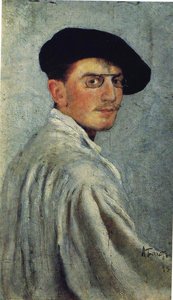
1866–1924, Λευκορωσία
Λέον Μπακστ
Η Γέννηση και η Νεαρή Εποχή ενός Ταλέντου Ο Λέον Μπάκστ, πραγματικά Λέιβ-Χάιμ Ρόζενμπεργκ, γεννήθηκε στις 27 Ιανουαρίου του 1866 στο Γκρόντεν της Βοεμόνιας (σημερινό Γκρόdna στη Λευκοσύβια), μια πόλη που τότε αποτελούσε μέρος της Ρωσικής Αυτοκρατορίας. Η καταγωγή του ήταν εβραϊκή, και η οικογένειά του, αν και άνετη οικονομικά, είχε συνδέσεις με την αυτοκρατική αυλή μέσω του παππού του, ενός διάσημου τεχνίτη που απολάμβανε χάρη από τον Τσάρο. Αυτός ο υπόβαθρος εμφάνισε στον νεαρό Λέιβ μια βαθιά κατανόηση των πολιτιστικών αποχρώσεων, παράλληλα με την πρώιμη αγάπη του για το σχέδιο, που διαφαίνεται όταν κέρδισε έναν διαγωνισμό στα δώδεκα χρόνια του. Παρά τις επιφυλάξεις των γονιών του σχετικά με αυτόν τον μη συμβατικό δρόμο, ο Μπάκστ συνέχισε να ακολουθεί την καλλιτεχνική του όρεξη, σπουδάζοντας αρχικά στην Ακαδημία Τέχνης της Αγίας Πετρούπολης ως μη-εκπαιδευόμενος, συμπληρώνοντας τη μόρφωσή του εργαζόμενος ως εικονογράφος βιβλίων – μια πρακτική ανάγκη που καλλιέργησε τις δεξιότητές του και παρείχε οικονομική ανεξαρτησία.
Εργασίες του Λέον Μπακστ
 Σχεδίαση με Λουλούδια σε Πλέγμα
 Operatic costume designs1911
 Costume design for the ballet ''Cleopatra''1909
 Drawing young divinity Narcisse costume, ballet Diaghilev1911
Μελέτες γύρω από το Samarkand Sultan
 The Soft Soul of Art: Exploring the Tactile Beauty and Timeless Narrative of Textile MasterpiecesEmbark on a sensory journey through the tactile beauty of textile art. Explore how thread, silk, and loom weave human history, from ancient…
 French artworks of the 1860s1860s French masterpieces by Édouard Manet, Claude Monet, and Gustave Courbet. View the full collection online at OriginalUniqueArt.com.
 Masterpieces of Hyacinthe Rigaud: The Top 25 Portraits of a Baroque IconExplore 25 iconic Hyacinthe Rigaud masterpieces. From Baroque portraits to royal splendor, discover the full collection on OriginalUniqueAr…